
Your Philadelphia Listing Expired and Now Your Phone Won't Stop Ringing — Here's How to Handle the Agent Calls

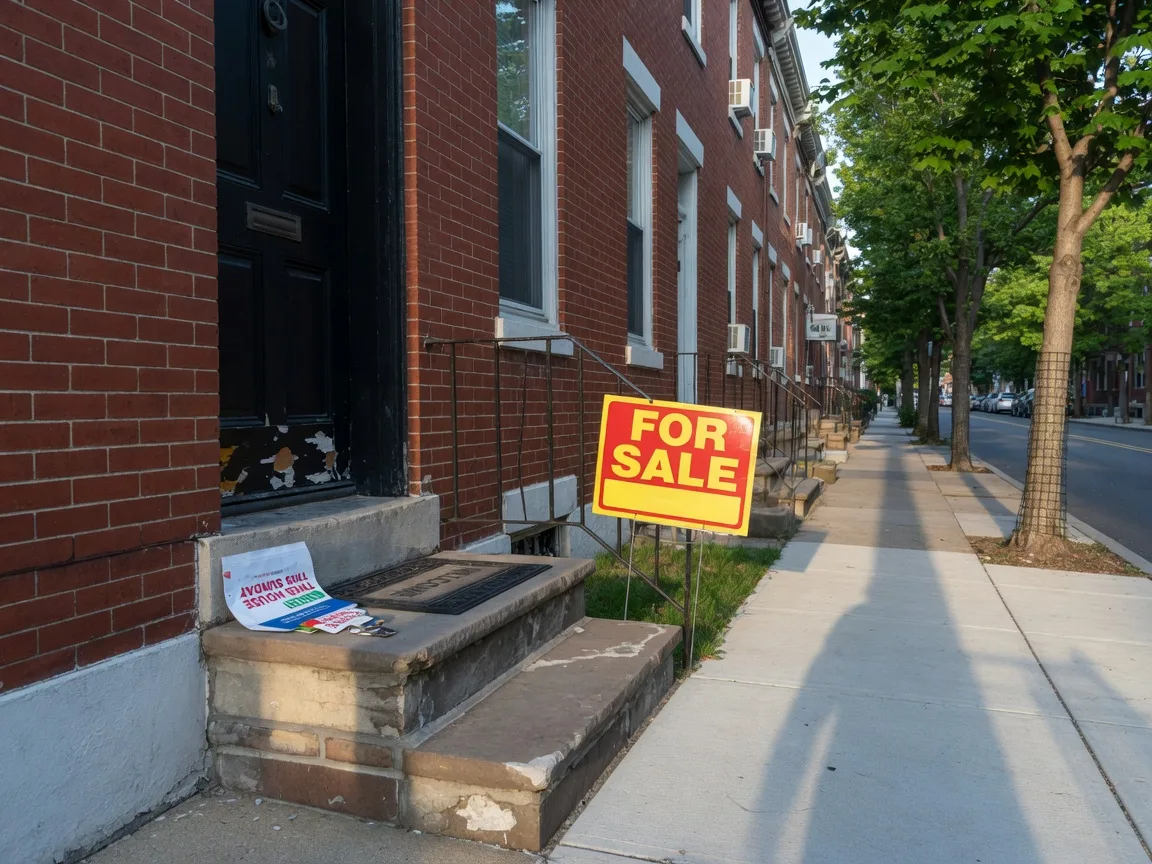
You made it through the listing period. Your agreement expired. You're trying to process what went wrong and figure out next steps. And then the calls start. Within hours, sometimes minutes, agents you've never heard of are leaving voicemails, sending texts, dropping postcards in your mailbox — all promising they can sell your home when the last agent couldn't.
If you've just had a listing expire in Philadelphia or South Jersey, you're probably experiencing this right now. It can feel overwhelming. It can feel desperate. And if you're not careful, it can lead to a decision you'll regret.
I've spent decades working with sellers who've been through exactly this experience. My goal in this post is to walk you through what's happening, why it's happening, and exactly how to handle the flood of attention without making a mistake that costs you time, money, or both.
Why Does Every Agent Suddenly Know Your Listing Expired?
This is the first question sellers ask me, and it deserves a straight answer. When your listing was active on the Bright MLS — the multiple listing service covering Philadelphia and South Jersey — other agents could see it, but they couldn't contact you. The REALTOR Code of Ethics prohibits soliciting sellers who have an active listing agreement with another agent.
The moment your agreement expires, that restriction lifts. Suddenly, any agent with access to the MLS can find your property's address, its price history, how long it sat on the market, and every price adjustment that didn't work. But here's the part most sellers don't realize: the MLS does not give them your phone number or email address.
So how are they reaching you? Most agents who prospect expired listings subscribe to lead generation services like REDX, Landvoice, or Vulcan7. These services pull expired listing data from the MLS and then run skip-tracing — matching the property address against public tax records, utility databases, and consumer data sources to find your phone number. Within hours of your listing expiring, your name and number are in their dialer.
That's why the calls come so fast. It's not personal. It's a system designed to reach expired sellers before any competing agent does.
The First Call You Get Is Not Necessarily the Best Option
This is the mistake I see most often. Your phone rings, an agent sounds confident, they say all the right things, and before you know it you've signed another listing agreement — often with the same basic strategy that didn't work the first time.
Here's why that happens: the agents who call expired listings the fastest are typically the ones who do it for a living. They dial hundreds of expired sellers a week. They have scripts, rebuttals, and closing techniques designed to get you to say yes right now. Some of them are excellent agents. Some of them are not. But all of them are trained to move fast — because the seller who signs first is the seller they work with.
Speed is not the same thing as skill. An agent who calls you within an hour of your listing expiring may be very persistent. That does not mean they know how to sell your home. It means they know how to pick up the phone.
Your Real Question: Who's Actually Going to Sell This Thing?
When your listing expires, your confidence in real estate agents takes a hit. It should. You trusted someone with one of the biggest financial transactions of your life, and it didn't work out. The skepticism you feel is healthy — but only if you channel it into smart questions rather than shutting down entirely.
The agents who are calling you right now will all say they can sell your home. The question is whether they can back it up. Here are the things you should be listening for when you talk to them:
- 01 Can they tell you specifically what went wrong with your previous listing? Not with generic answers like "the market was slow" or "we need to adjust the price." A good agent should be able to look at your property's history — days on market, price changes, showing activity — and identify specific issues. If they can't do that without seeing your file, they're guessing.
- 02 Do they have a written marketing plan? Not a verbal description. Not a promise. A written plan that spells out exactly how they will market your property — photography, virtual staging, digital advertising, social media campaigns, open houses, agent outreach. If they can't put it in writing, it doesn't exist.
- 03 What's their track record with expired listings? Any agent can sell a home that's priced right and shows well. The skill that matters for you is whether they have a history of selling homes that other agents couldn't. Ask for specific examples. Ask for addresses you can look up.
- 04 How will they communicate with you? The number one complaint from sellers across the country is lack of communication from their agent. Before you sign anything, establish a clear cadence: weekly updates, showing feedback within 24 hours, a direct line to reach them. If they're vague on communication, that's a red flag.
The Agent Who Rushes You to Sign Is the One You Should Slow Down With
This is a hard rule in real estate: any agent who pressures you to sign a listing agreement immediately — on the first call, before they've seen your home, before they've pulled current comps — is putting their commission ahead of your outcome.
A professional agent will ask to meet you at your property. They'll walk through it, take notes, and ask questions about what worked and what didn't during your previous listing. They'll pull fresh comparable sales from your specific Philadelphia neighborhood — not the zip code, not the general area, but actual recent sales within blocks of your home. Then they'll come back with a presentation that includes a recommended price backed by data, a specific marketing strategy, and a timeline for what they expect to happen.
Any agent who skips those steps and just asks you to sign over the phone is not someone you want handling your largest asset.
What About the Agents Who Promise a Cash Offer or "Guaranteed Sale"?
You'll run into this. An agent calls and says they have a buyer ready to go. Or they have a program that guarantees your home will sell. Or they'll buy it themselves if it doesn't.
These offers sound appealing — especially when you're frustrated with how things went the first time. But they come with strings attached. A "guaranteed sale" program typically requires you to list at a price the agent sets, pay full commission, and then accept a below-market cash offer from an investor if the home doesn't sell on the open market. The guarantee isn't that you'll get full value. It's that you'll get a sale — potentially at a significant discount.
If a guaranteed sale legitimately fits your situation — you need to move by a specific date and can't afford to wait — it's worth exploring. But go into it with your eyes open. And never accept a verbal guarantee that isn't spelled out in writing.
The Philadelphia Market Context for July 2026
Here's what's actually happening in Philadelphia right now. As of mid-2026, the median sold price sits around $286,000. Days on market averages about 44 days citywide, though that number varies significantly by neighborhood. Inventory has improved modestly — up about 5.5% from last year — but it's still roughly 46% below pre-pandemic levels.
What does that mean for you as an expired seller? It means buyers are still out there, and inventory is still tight enough that a well-priced, well-marketed home should sell. The fact that yours didn't is not proof that the market is broken. It's proof that the strategy was wrong — either the price, the marketing, the agent's execution, or some combination of the three.
In Philadelphia's current market, the difference between a home that sits and a home that sells almost always comes down to three things: pricing based on current data (not what you want to hear), professional visual presentation (photography and staging that compete nationally), and digital marketing that reaches buyers beyond the MLS. Any agent you consider should be able to speak to all three.
Should You Even Talk to the Agents Who Are Calling?
Yes — but on your terms, not theirs. Here's a practical approach:
- 01 Let them go to voicemail. You don't need to answer the phone every time it rings. Let calls go to voicemail, then listen back when you have time. An agent who leaves a thoughtful, specific message about your property is more credible than one who leaves a generic script.
- 02 Take notes. Every time you talk to an agent, write down their name, their brokerage, what they said about your home, and what they promised. This creates a record you can refer back to when comparing candidates.
- 03 Interview at least three. Don't sign with the first agent who sounds good. Interview multiple candidates. Compare their marketing plans. Compare their pricing recommendations. Compare their communication style. The best agent for you will stand out naturally when you have options to compare.
- 04 Trust your gut. If an agent makes you feel pressured, rushed, or uncomfortable during the interview process, that feeling will not improve after you sign a contract. The agent you choose should make you feel confident, not anxious.
The Protection Clause: What You Need to Know Before You Talk to Anyone
Before you sign anything with a new agent, understand the protection clause — sometimes called the holdover clause — from your previous listing agreement. This clause typically says that if you sell to a buyer who was introduced to your property during your previous listing period, you may still owe a commission to your former agent.
Most protection clauses last 30 to 90 days after the listing expires. This is standard, but you need to know the exact terms of what you signed. If your new agent sells your home to a buyer who your old agent brought through, you could end up paying two commissions. A good new agent will help you navigate this — either by negotiating with the previous brokerage or by working with buyers who were not previously exposed to the property.
Do not let this clause scare you into staying with an agent who didn't perform. It's a manageable issue. But you should be aware of it before you make your next move.
A Practical Next Step: How to Vet Agents Quietly
One approach that works well: don't take calls from random agents at all. Instead, research agents in your area who specialize in expired listings. Look at their online presence. Read their reviews on Google and Zillow. Check whether they have actual sold listings in your neighborhood that you can verify. Then reach out to the ones who look credible on your schedule, not theirs.
When you do meet with them, pay attention to how much they listen versus how much they talk. An agent who spends the first 20 minutes asking about your situation, your goals, your timeline, and what went wrong with the previous listing is gathering information they'll use to build a strategy. An agent who spends the first 20 minutes telling you how great they are is selling themselves — not your home.
Your Situation, Your Timeline, Your Decision
The flood of calls after an expired listing can feel like pressure to make a fast decision. But you don't have to. Take a breath. Let the voicemails pile up. Call back the ones that deserve a callback. Interview the agents who earn your interest. And make a decision when you have enough information to be confident.
An expired listing is a setback, not the end of the road. I've helped sellers all over Philadelphia and South Jersey recover from expired listings and go on to sell their homes at strong prices — often for more than their previous agent had them listed at. The key is changing the strategy, not giving up.
If you'd like a straightforward, no-pressure conversation about where your home sits and what your options are, I'd be glad to talk. I'll give you an honest assessment — whether or not it leads to us working together. That's how I've built my business over 26 years.