
Your Buyer Backed Out and Your Listing Expired. Can You Keep the Earnest Money and Get the Home Sold?

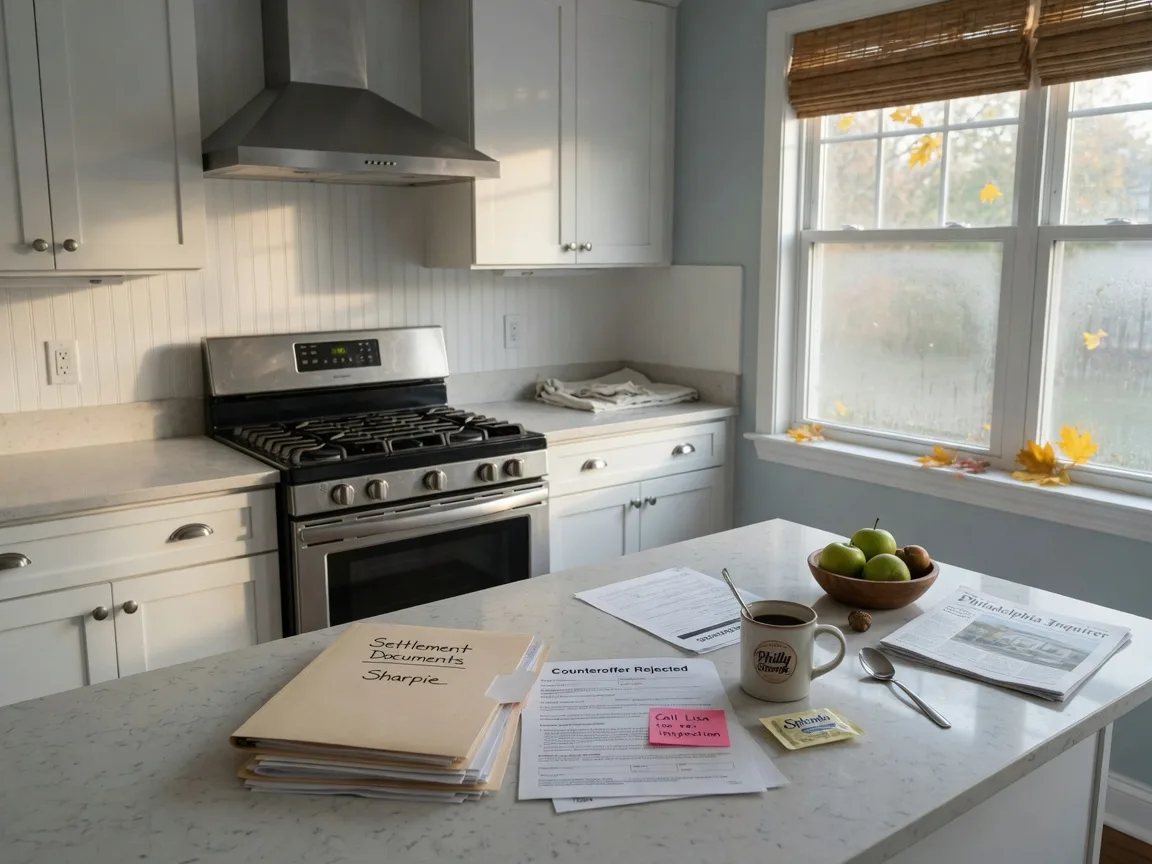
Here is the short version before the detail. Whether you keep the earnest money depends entirely on why the buyer walked and what your signed Agreement of Sale says. If the buyer backed out for a reason covered by a valid contingency, they can usually leave without penalty and the deposit goes back to them. If they broke the contract for no legitimate reason, you generally have a claim to the deposit, though it rarely happens automatically and often takes an escrow dispute. And whether your listing expired at the same time or not, the same two questions follow: what do you keep, and how do you sell this home without a repeat. Let me walk you through both.
You had an accepted offer. You took the home off the market, maybe packed a few boxes, and then it fell apart. The buyer's financing fell through, or the inspection came back and they walked, or the appraisal came in low and they wouldn't close the gap. The contract ended, and some time later your listing expired too. Now you are sitting with a home that did not sell once, a buyer who left, and a question nobody likes to ask: do I get to keep the money, and how do I do this all over again?
I hear this exact story from Philadelphia and South Jersey sellers more than you might expect. A failed deal is not an expired listing with a different label. It is a specific situation with its own rules about the deposit, its own risks about the listing, and its own set of mistakes that can cost you thousands if you rush. Let me answer the two questions that matter most, plainly.
Can You Keep the Earnest Money When the Buyer Backs Out?
The honest answer is: maybe, but it is not the automatic win a lot of sellers assume. In Pennsylvania, earnest money is your proof of good faith, a deposit the buyer puts down when the offer is accepted, and it is held in escrow, usually by the title company, the listing broker, or an attorney. It is not yours the moment the buyer signs. It becomes yours only if the contract says you are entitled to it, which almost always means the buyer breached the agreement without a valid reason.
Here is the part that surprises sellers. If the buyer cancels under a contingency that is written into the contract, they get their deposit back, and you generally cannot keep it. That covers most of the common walk-away reasons. The inspection contingency, the financing contingency, and the appraisal contingency are the big three. If the buyer exercises one of those in the way the contract allows, the deposit is released back to them and you are left to move on without it.
The inspection is the clearest example. In the Philadelphia area, it is very common for a buyer to come back from the inspection with a list, ask for repairs or a credit, and then walk when you and they cannot agree. If the contract's inspection contingency is written broadly, that walk is within their rights, and the earnest money goes back to them. The same logic holds for a financing denial that the contract treats as a valid out, and for an appraisal shortfall where the buyer had a contingency tied to it.
When You Actually Have a Claim to the Deposit
You have a real claim when the buyer backs out with no contractual reason to do so. Say they simply changed their mind, found another house, or their financing fell through in a way that was not a covered contingency, or they missed a deadline the contract gave them. In those cases you may be entitled to keep the deposit as liquidated damages, which is the agreed-upon amount you receive when a buyer breaches.
But even then, it is rarely a handover. If the buyer disagrees, the money stays in escrow until the two of you resolve it, which can mean signing a release, negotiating a split, or in the worst case ending up in a dispute or a lawsuit. And there is a catch worth knowing: Pennsylvania courts will not always hand over a deposit that is wildly out of proportion to the seller's actual loss. A huge deposit on a deal that falls through can be reduced if a court sees it as a penalty rather than a reasonable estimate of harm. So treat the deposit as a real asset you may recover, not a guaranteed payday.
This is exactly why you want an experienced agent and your own attorney reading the contract before you agree to anything after a failed deal. Whether you keep the money, release it, or fight for part of it is a legal question that turns on the specific wording on your agreement, and guessing wrong is expensive.
The Deposit Isn't the Real Problem. Getting the Home Sold Is.
Here is what I tell sellers the moment a deal falls through, and I mean it: the earnest money is the smaller issue. The bigger issue is that you are now a seller whose home failed to close, and you need to get it sold without repeating the reasons it did not happen the first time.
When a sale falls through, the home typically goes back on the market, and buyers and their agents can see that history. In Philadelphia, where the median sale price sits around $292,000 and homes average a little over a month on the market in many areas, a property that just had a deal collapse reads differently than a fresh listing. It can look like there is a problem, which invites lower offers or more scrutiny. Your job is to make the next go-round look like opportunity, not like a problem someone else already walked away from.
Should You Have Stayed on the Market or Taken Backup Offers?
One of the most valuable lessons from a failed deal is this: the smartest sellers keep momentum alive even while under contract. The best agents keep the listing visible to backup buyers, or at least keep a list of interested parties warm, so that if the primary buyer backs out there is already a next-in-line. If your last agent took the home fully dark the moment you had an accepted offer, you learned something important about how you want the next listing handled.
When I list a home, I want to know who else was interested from day one. That is not pressure on the current buyer; it is insurance for you. And when a deal does fall through, that pool of backup interest is often the fastest path back to a sale, because those buyers already saw the home and already told us they wanted it.
Diagnose Why the Deal Fell Through Before You Relist
Before you put the sign back up, be honest about what killed the last deal, because the fix changes your whole approach. Here is how to read each common reason.
- ✓ Financing fell through. This one is about the buyer, not your home. The fix is a new buyer with better approval, which means being more careful about the strength of the offer, not necessarily changing the house.
- ✓ The inspection scared them off. If the report raised the same objections, you will see them again. Decide up front whether to fix the big-ticket items, price to reflect them, or address the specific concerns so the next buyer hears a different story.
- ✓ The appraisal came in low. A low appraisal often signals your price was ahead of what the market and the lender will support. That is a pricing signal you should not ignore a second time.
- ✓ The buyer just changed their mind. When there is no objective reason, the next buyer may be fine. Just make sure the new agreement is written to hold them, with a real deposit and deadlines that protect you.
Notice that three of those four are about the home or the price, not bad luck. If you relist without addressing the actual reason, you are likely to get the same result. That is the mistake that turns one failed deal into two.
How Long Should You Wait Before You Relist?
Unlike a listing that simply sat with no offers, a failed deal means the home already drew interest, already got to contract once, and already has a story. That changes the timing. You generally do not need to wait weeks to reset. If you fix the underlying issue, refresh the photos and the marketing, and price against today's comps, getting back on the market quickly is usually smarter than hiding. Every extra week off the market costs you momentum and carries the home longer.
That said, if the failed deal left the home cluttered, if the inspection surfaced problems you need to correct, or if you need new photography to make the listing look fresh, use the time to make those real changes first. Do not relist the same home, at the same price, with the same photos, and expect a different outcome. That is the one play that never works.
Protect Yourself So the Next Buyer Can't Walk the Same Way
The most practical thing a failed deal teaches you is how to protect against a repeat. Insist on a buyer who is genuinely qualified, with a pre-approval your lender actually verifies. Ask for a meaningful earnest money deposit, because a serious buyer puts real money down. Keep backup interest alive from the start. And make sure the contract's contingencies have real deadlines, so a buyer cannot drag things out and then walk whenever it is convenient.
None of that makes a deal bulletproof. Buyers can still back out under valid contingencies, and sometimes that is the right call for both sides. But the goal is to stack the odds so that the next buyer is qualified, committed, and ready to close, and so that if they do walk, you are positioned to move to the next one fast.
So to answer both questions one more time, plainly. Can you keep the earnest money? Only when the buyer breached without a valid reason, and even then it can take an escrow dispute to collect it. How do you get the home sold this time? You diagnose why the last deal failed, fix the real issue, refresh the marketing, price against today's comps, and relist with a buyer who is actually qualified. The home can absolutely sell; it just needs a smarter second attempt than the first.
That is the job I do every day in Philadelphia and South Jersey. When a sale falls through and a listing expires, I do not just put the sign back up and hope. I figure out exactly what went wrong, protect your deposit and your position, and relaunch the home as a fresh opportunity with a buyer who can close. If a buyer backed out of your deal or your listing expired after a failed sale, let me take a look at your situation. Book a call or pick up the phone, and I will tell you straight what it will take to get your home sold this time.