
What Happens If I Can't Catch Up on My Mortgage in Pennsylvania?

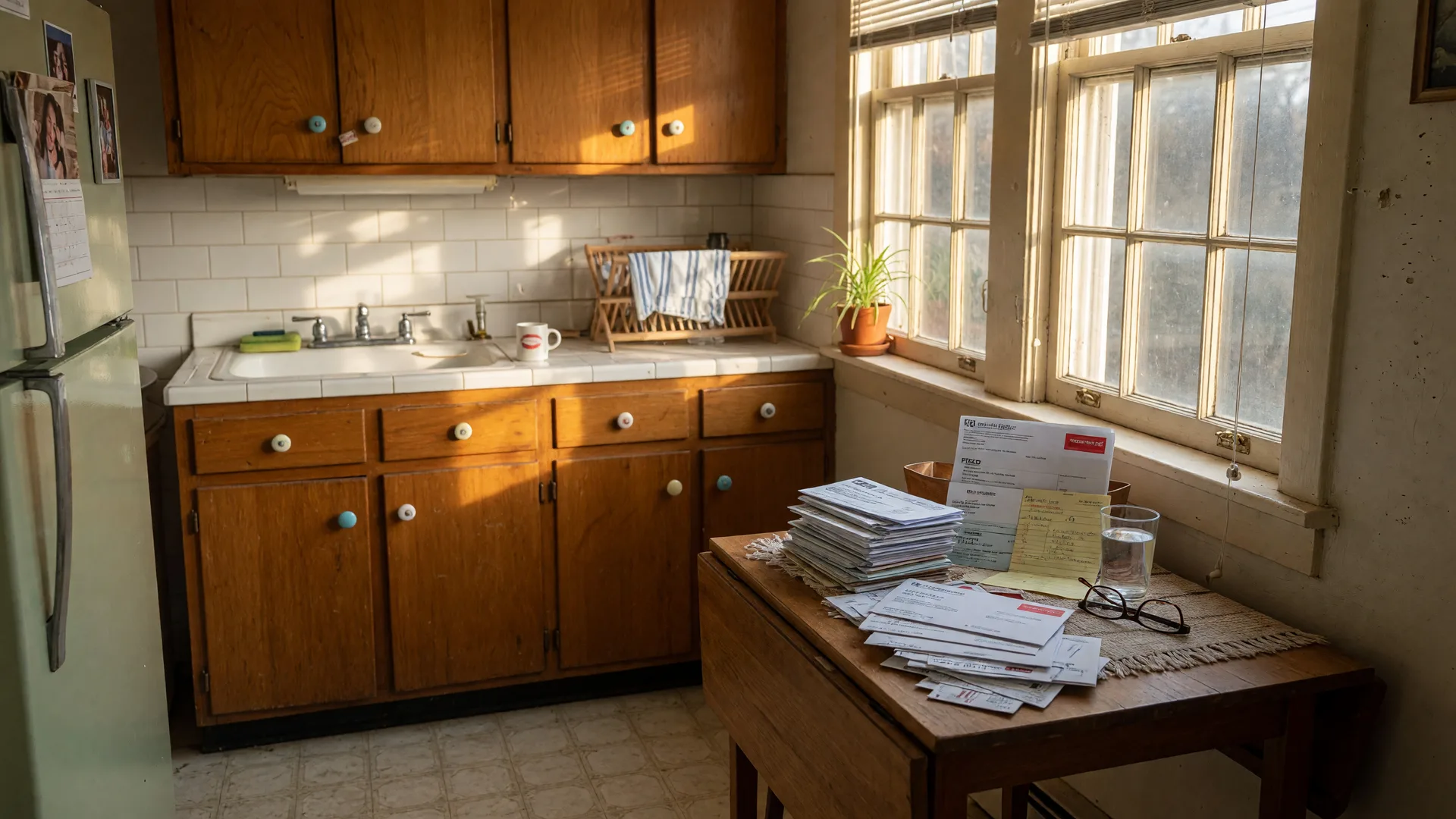
If you can't catch up on your mortgage in Pennsylvania, your lender can eventually foreclose, but you will not lose your house overnight. Pennsylvania is a judicial foreclosure state, and between the first missed payment and a sheriff's sale you have months of warnings and several real options: catch up through a repayment plan, modify the loan, or sell the home before the auction ever happens.
When the payments stack up and there's no way to make them current, it's natural to feel like the house is already gone. It isn't. The foreclosure process in Pennsylvania is slow, formal, and full of chances to act. The biggest mistake homeowners make isn't falling behind, it's going quiet: ignoring the lender's letters, skipping the counseling that's offered, and hoping the problem disappears on its own.
How Many Payments Can I Miss Before Foreclosure Starts?
Federal mortgage rules generally stop a servicer from officially starting foreclosure until you're more than 120 days past due, roughly four months of missed payments. Pennsylvania layers its own protections on top. For an owner-occupied one- or two-family home, the lender has to send an Act 91 notice before it can file a foreclosure lawsuit, and that notice has to give you time to act. In practice, most Philadelphia-area homeowners have many months, sometimes well over a year, between the first missed payment and a scheduled sheriff's sale.
What Is the Act 91 Notice?
Somewhere around 60 days delinquent, your lender must mail an Act 91 notice in plain language and large type. It's a 30-day warning that tells you to meet with a certified housing counseling agency and apply to the Homeowner's Emergency Mortgage Assistance Program (HEMAP), a Pennsylvania program run through PHFA that can help eligible homeowners get current on their loan. Until that notice has gone out and the window has passed, the foreclosure lawsuit can't be filed. Think of it as the Commonwealth giving you a formal, on-the-record chance to save the house before the courts get involved.
What Actually Happens If I Do Nothing?
Missed payments bring late fees and collection calls, and once you're 30 days or more behind, the late payment typically lands on your credit report. By 90 days past due, the damage to your score grows worse. Then the formal process begins: the lender files a complaint in the Court of Common Pleas, you have 20 days to respond, and if you don't, a default judgment leads to a scheduled sheriff's sale. Fast cases run roughly six to twelve months from the first missed payment to the auction; many take a year or more. That's not an excuse to wait, it's a window to work with.
Can I Still Sell the House If I'm Behind?
Yes, and this is the option too many owners discover too late. You own the home, legally, until the sheriff's sale is completed. A normal sale can still close while you're in pre-foreclosure: the mortgage gets paid off from the proceeds at closing, and you keep whatever equity is left. If you owe more than the home is worth, a short sale lets you sell for less than the balance with the lender's approval, and it typically damages your credit far less than a completed foreclosure. The earlier you sell, the more control you keep over the price.
What Are My Options If I Can't Catch Up?
You have more paths than two. A loan modification changes the terms so the payment fits your budget. A repayment plan spreads the arrears over future payments. Forbearance pauses payments temporarily. HEMAP can lend eligible homeowners the money to get current. And if you've decided the house needs to go, a traditional sale or a short sale can get it done on your terms instead of the sheriff's. Each works differently depending on whether you want to keep the house or leave it, how far behind you are, and whether you have equity.
The Bottom Line
The house is not gone the day you miss a payment. The Act 91 notice buys you a formal 30-day window, the servicer can't begin foreclosure until you're more than 120 days past due, and you remain the owner up until the sheriff's sale. Every month you use that time to catch up, modify the loan, or sell protects your credit and your equity. Every month you let slip shrinks your options.
The full walkthrough of the Pennsylvania foreclosure timeline, how a short sale actually works, and the credit impact of each path is on my foreclosure and short sale guidance page, and my sell-my-house page covers what a pre-foreclosure sale involves for Philadelphia owners.
If you're behind on your mortgage and not sure whether to fight to keep the house or sell it first, tell me your situation and I'll give you a straight answer on the best path. No pressure, just an honest read from someone who helps pre-foreclosure homeowners protect what they've built.