
Do All Heirs Have to Agree to Sell an Inherited House in Pennsylvania? What to Do When Siblings Disagree

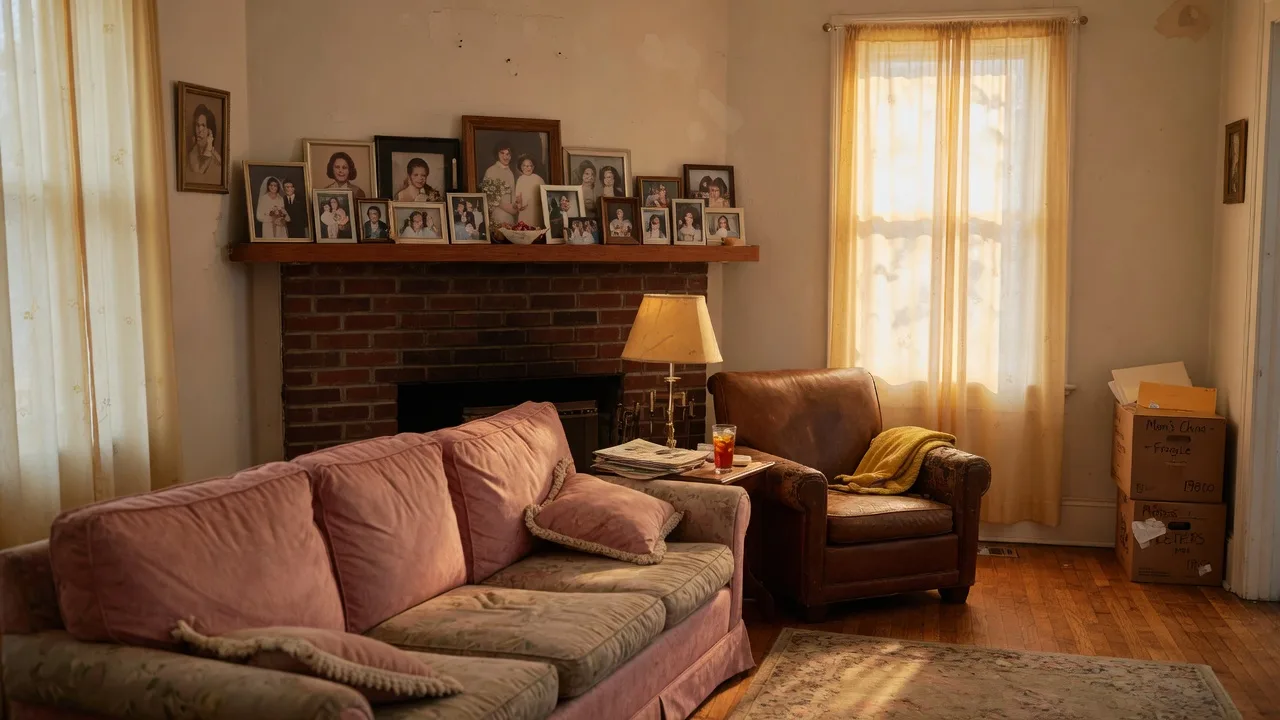
The family home is yours now, along with your brothers and sisters. But one of you wants to sell and one of you wants to keep it. The question every heir ends up asking is a simple one: do all of us have to agree to sell? The short answer is that to sell the house outright on the open market, yes, you generally all need to be on board. But that is not the end of the story, and Pennsylvania law gives you a path forward even when one sibling refuses to cooperate.
If you have recently inherited a house in Philadelphia, South Jersey, or anywhere in the surrounding counties, you are likely working through two separate problems at once: the grief of losing the person who owned it, and the practical reality of what to do with the property. Sorting out who owns what and who has to sign what is often the first wall people hit. My goal here is to walk you through how ownership actually works, when everyone has to agree, and exactly what your options are when they don't.
First, Who Actually Owns the House Right Now?
This matters more than people expect, because it decides who has the legal power to do anything. In Pennsylvania, the answer depends on whether the house is going through probate and on how the deed was written.
If the house has to go through probate, the estate's executor or personal representative is the person with the authority to manage the property and, in most cases, to sell it. No single heir can step in and list it on their own while the estate is still open. The executor has a legal duty to act in the best interests of the estate and all its beneficiaries, and a sale during probate usually needs the probate court's blessing.
If the estate has already closed and the deed has been transferred into the heirs' names, then you and your siblings now own the house together. In Pennsylvania, unless the deed says otherwise, you hold it as tenants in common, which simply means each of you owns an undivided share. You can each sell or transfer your own share, but a buyer on the open market almost never wants a fractional share of a house. They want the whole property. And that is where the "everyone has to agree" rule comes from.
Do All Heirs Have to Agree to Sell?
To list the house, market it, accept an offer, and sign a deed that transfers full ownership to a buyer, you need every co-owner's signature. One heir cannot unilaterally sell the whole house. So in the practical sense that most sellers care about, yes, all of you have to agree.
This is the answer that frustrates people, because it can feel like a single sibling holds the whole plan hostage. If one heir simply refuses to sign, the sale stalls. No title company will close on a property where a co-owner hasn't agreed, and no buyer will wait around forever for a family to sort itself out.
But here is the part most people do not know: agreeing on a sale and agreeing on what to do with the house are not the same thing. The law does not let one stubborn co-owner trap everyone else forever. Pennsylvania gives co-owners a legal remedy when they cannot agree, and understanding it changes how you approach the conversation with your siblings.
What Happens When a Sibling Refuses to Sell?
When heirs own the property as tenants in common and one of them wants out but the others won't cooperate, the heir who wants to sell can file what is called a partition action in court. A partition lawsuit asks the court to divide the property. In most cases involving a single-family home that can't be physically divided, the court will order what is called a partition by sale: the house is sold, and the proceeds are split among the owners according to their shares.
In plain terms, Pennsylvania law allows any co-owner to force the sale of an inherited house even over another owner's objection. You cannot force a sibling to buy you out, and they cannot force you to keep the house forever if you want out. The court can compel a sale so the property stops being a point of conflict.
I want to be direct about the downside, because you should know it before you go down this road. A partition sale is a blunt instrument. The court often orders a public or sheriff's sale, which tends to bring a lower price than a well-marketed private sale on the open market. You also lose control over timing, and legal fees eat into the proceeds. Partition is your legal right and your safety net, but it is usually the last resort, not the first move.
The Options When Siblings Disagree, Ranked by How Much They Cost You
Before anyone files a lawsuit, most families are better served by trying the options that keep control and money in their own hands. Here is how I lay them out for the families I work with:
- 01 One sibling buys out the others. If one heir wants to keep the family home, the cleanest outcome is for that person to buy out the rest at the appraised market value. Everyone gets their fair share in cash, the keeper keeps the house, and there is no sale, no court, and no agent commission on top. The buyout price should be based on a professional appraisal of the current market value, not a number a relative happens to like.
- 02 Everyone sells together on the open market. When the goal is to maximize the sale price, this is almost always the best route. You agree on an agent, a price range, and a plan, list the house normally, and split the net proceeds. The sale is marketed properly, reaches the full buyer pool in Philadelphia and South Jersey, and usually brings the strongest number.
- 03 Mediation with a neutral third party. A neutral mediator helps the family talk through the disagreement without the expense or hostility of a lawsuit. It is far cheaper than court and often breaks the logjam simply by giving everyone a chance to be heard by someone who is not personally involved.
- 04 Partition by sale in court. This is the legal backstop when all else fails. It forces the issue, but as I noted, it usually means a lower price and more cost. Use it knowing it is your right and also your least attractive financial option.
A Note on the Mortgage and the Tax Bill
Two practical issues tend to come up the moment heirs start talking, and it helps to have the basics clear before you make a decision.
The mortgage does not disappear when the owner dies. The loan stays attached to the house, and payments need to keep being made while the estate is open or the lender can move toward foreclosure. Under federal law, the lender generally cannot force the heirs to pay the entire balance immediately just because of the death. If you inherit the house with siblings, you also inherit the shared responsibility for keeping the payments current until it sells. If only one sibling keeps the house, that sibling usually needs to handle or refinance the existing loan.
On taxes, Pennsylvania is a separate-property state, and the taxable basis in the house is generally stepped up to its value on the date of death. That step-up wipes out most capital gains for the heirs on a later sale, which is a real benefit. How the inheritance tax and capital gains land on each of you depends on your relationship to the deceased and how long you hold the property. It is worth a quick conversation with a tax professional before you commit to a plan, because the numbers change depending on whether you sell quickly or hold for years.
How Long Do You Have to Sell an Inherited House?
There is no time limit on selling an inherited house in Pennsylvania. You can sell the day title is cleared and the deed is in the heirs' names, or you can hold the house for years. The confusion around a "deadline" comes from the tax side: the stepped-up basis is tied to the date of death, and the IRS will often accept a valuation up to about six months after that date. That is about valuing the property correctly for tax purposes, not about a forced sale deadline. You are not required to sell by any particular date.
That said, there is a real cost to sitting on an inherited house while the family argues. Property taxes, insurance, utilities, and mortgage payments all keep running, and a vacant house in Philadelphia tends to attract problems. Every month the family waits on a decision, the carrying costs eat into the eventual proceeds. Sorting out the disagreement sooner rather than later is usually in everyone's financial interest.
Where Philadelphia and South Jersey Fit In
Inherited properties sit all over the Philadelphia market, from row homes in the city's older neighborhoods to single-family houses across Delaware, Montgomery, and Bucks counties and over the river in South Jersey. In the current market, a well-priced, well-marketed house sells. What kills inherited sales more often than the market is indecision and internal family friction: heirs can't agree, the house sits vacant, it doesn't show well, and the price slips.
The families I've helped through this usually share one trait. Once everyone agrees on the goal and the plan, the process moves smoothly and quickly. The hard part is never the market. It's getting four people to row in the same direction, and that's exactly where a good agent earns their keep by laying out the numbers, the options, and the likely outcome for each path so the family can decide on facts instead of feelings.
A Straightforward Way to Get Unstuck
If you and your siblings inherited a house and you're not sure who has to sign what, or you're stuck because not everyone agrees, you don't have to figure it out alone. I've walked families all over Philadelphia and South Jersey through inherited-property decisions, including the hard ones where one sibling wanted to keep the home and the rest wanted to sell. I'll lay out your options, your numbers, and your realistic outcomes in plain terms, and I'll help you get the family to a decision.
No pressure, no obligation, and I'll give you an honest read on your situation either way. That's how I've built my business over 26 years, one straight answer at a time.