
Your Philadelphia Listing Expired and a Cash Buyer Is Calling — Should You Sell for Cash or Relist?

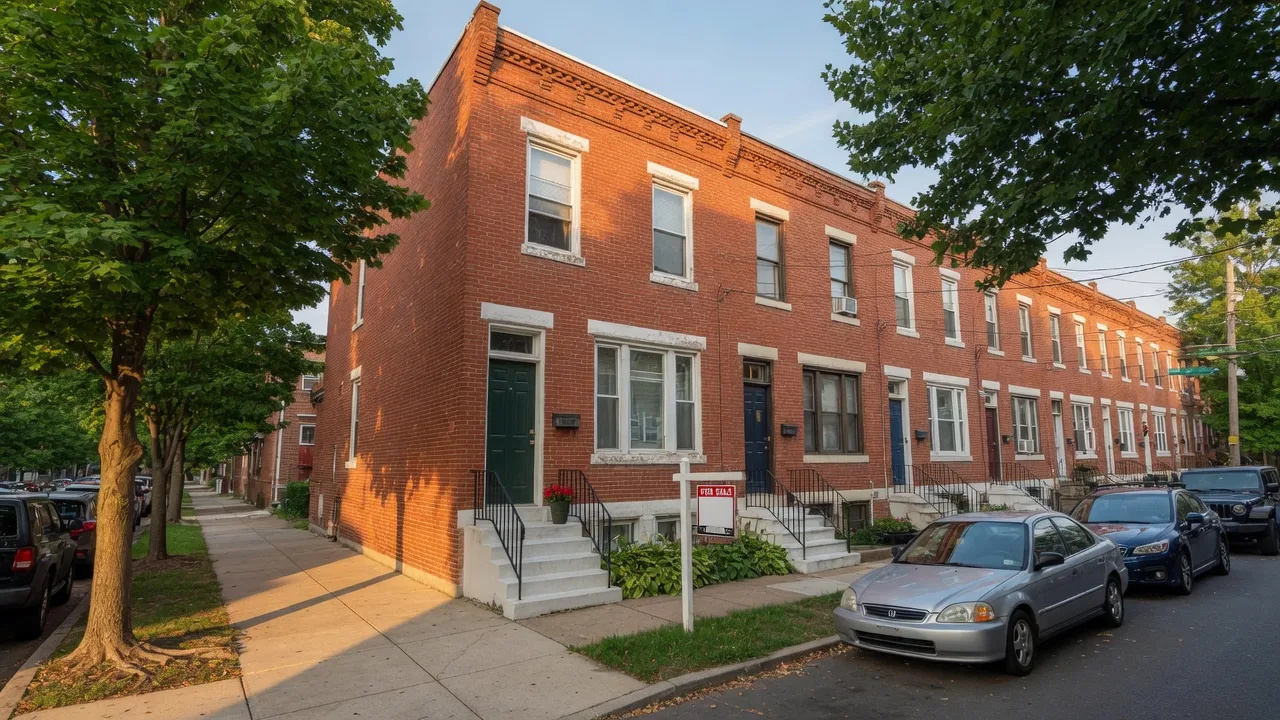
Your Philadelphia listing expired. Almost immediately, your phone starts ringing with cash buyers, "we buy houses" companies, and investors promising a fast, as-is closing. But before you sign anything, you need to understand what a fair cash offer actually looks like compared to what your home could bring on the open market. The difference can easily be tens of thousands of dollars.
I talk to sellers every week whose listing just expired. And almost every single one of them tells me the same thing: the calls started within hours. "We buy houses in any condition." "Cash offer, close in 14 days." "No repairs needed, no cleaning, no showings."
Those calls sound like a lifeline when you're frustrated, financially stretched, and tired of dealing with a house that won't sell. But here's what those callers don't tell you: cash offers in Philadelphia typically run 20 to 30 percent below market value. Sometimes more. And in a market where the median sales price in Philadelphia sits around $308,000, that gap can mean walking away from $60,000 to $90,000 that you could have kept.
That's not an argument against cash sales. Cash buyers serve a real purpose, and for some sellers, a quick, certain closing is worth the discount. What matters is making that decision with your eyes open, knowing exactly what your home is worth on both tables before you choose which path to take.
Why Cash Buyers Target Expired Listings Specifically
Cash buyers and investor groups don't call every homeowner. They call expired listings because they know exactly what that status means. You've been through a failed listing attempt. You're likely carrying costs — mortgage, taxes, insurance — on a home that isn't selling. You're frustrated. And you're probably more willing to accept a below-market offer than a seller who just listed their home last week.
In Philadelphia, the expired listing market has grown significantly. According to REDX, expired listings nationally jumped from roughly 42,000 per week in May 2024 to over 78,000 per week by April 2026. That's nearly double. Cash buying operations have sophisticated systems that scrape MLS data the moment a listing changes status to expired. Their dialers start calling before your lockbox is even picked up.
They're not targeting you because your home is special. They're targeting you because your situation makes you a motivated seller. And motivated sellers accept lower prices. That's the entire business model.
Question 1: How Do I Know If a Cash Offer Is Fair?
This is the most common question I get from sellers weighing a cash offer. And the answer is surprisingly simple: a fair cash offer is one that reflects what your home would sell for on the open market, minus a reasonable discount for the convenience and certainty the buyer provides.
In the Philadelphia market, a reasonable cash-offer discount typically falls in the range of 10 to 15 percent below market value. That accounts for the fact that the buyer is taking on risk — they're buying as-is, they're not financing, they're handling any repairs or cleanup themselves. They deserve to make a profit. But when offers come in at 25, 30, or even 40 percent below market value, that's not a fair deal. That's a distressed sale.
Here's how to evaluate a cash offer step by step:
- 01 Get a current market analysis. Not the one your old agent ran six months ago. A fresh comparative market analysis from an agent who knows your specific Philadelphia neighborhood — Manayunk, Fishtown, Chestnut Hill, South Philly, or wherever your home sits — tells you what buyers are actually paying right now.
- 02 Understand your home's condition discount. If your home needs a new roof, updated electrical, or major structural work, those costs come off the market value regardless of who buys. A legitimate cash offer subtracts those costs. An inflated cash offer assumes them and then some.
- 03 Compare to recent cash sales in your area. Ask the cash buyer for comps of homes they've actually purchased in your neighborhood. Not just any comps. Homes they bought, in similar condition, within the last 12 months. If they can't provide them, that's a red flag.
- 04 Get multiple offers. If one cash buyer is calling, others will too. Talk to at least three. The spread between the lowest and highest offer can be dramatic. I've seen sellers in Philadelphia get quotes ranging from $180,000 to $240,000 on the same house.
Question 2: When Does a Cash Offer Actually Make Sense?
Cash sales are not universally bad. There are real situations where taking a cash offer is the smartest move for an expired listing seller. Here are the scenarios where a cash sale makes genuine sense:
- You need to close fast. If you're facing a relocation deadline, a divorce decree timeline, or an impending foreclosure, speed matters more than price. Cash buyers can close in 7 to 14 days. A traditional sale with financing takes 30 to 45 days minimum from the offer date.
- The home has significant deferred maintenance. If your house needs $50,000 or more in repairs that you can't afford or don't want to manage, a cash buyer who buys as-is and handles everything can be a legitimate solution.
- You're carrying two mortgages. If you already moved and the Philadelphia home didn't sell, every month you wait is eating into your equity. Carrying costs on a typical $300,000 Philadelphia home run $2,500 to $3,500 per month — mortgage, taxes, insurance, utilities. A cash sale that gets you out in two weeks stops that bleed immediately.
- You've already tried multiple agents and strategies. If your home has expired more than once with different agents and different pricing, the market may have already told you something. A cash sale can be a clean exit.
When Relisting Is the Better Move
For most expired listing sellers in Philadelphia, relisting with a genuinely new strategy produces a better financial outcome than accepting a cash offer. Here's why.
The Philadelphia market in mid-2026 is showing some important shifts. Inventory has recovered somewhat — roughly 4,500 to 4,800 active listings across the metro area, up about 7 to 11 percent year over year. Days on market are rising, sitting around 52 days on average. That means buyers have more choices, and homes that aren't marketed aggressively sit longer. But it also means a properly priced, well-marketed home can still attract multiple offers within the first few weeks.
Northwest Philadelphia neighborhoods like Manayunk, Roxborough, and Chestnut Hill show even more variation. The average days on market in those areas runs around 39 days overall, with seasonal swings from 59 days in February to just 24 days in June. That seasonal difference matters. If your listing expired in early August, you're still in summer buyer season. Relisting in the next two to three weeks puts you in front of families trying to close before the school year and professionals starting new jobs in Philadelphia in late summer.
Here are the signs that favor a relist over a cash sale:
- The listing failed because of marketing, not because of the home. If your previous agent didn't invest in professional photography, virtual staging, digital advertising, or a targeted social media campaign, the home never had a fair chance. Relisting with a complete marketing reset changes that equation entirely.
- Your neighborhood is still active. If homes near you are selling — even slowly — your home can sell too with the right price and presentation. A cash offer in an active market is almost always a below-market play.
- You have equity. If you owe significantly less than your home is worth, you have room to adjust pricing, offer buyer concessions, or even hold out for the right offer. In that position, a cash sale leaves money on the table that a smart relisting strategy could capture.
- You're not in a time emergency. If you can afford to wait 45 to 60 days for a traditional sale, the financial upside of the open market almost always outweighs the speed of a cash offer.
The Third Option: Do Both
Here's something most sellers don't realize. Relisting on the open market doesn't prevent you from also fielding cash offers. A good agent puts your home on the MLS with a full marketing campaign while simultaneously reaching out to their network of investors and cash buyers. That gives you the best of both worlds: the broad market exposure that can bring top dollar, and the possibility of a cash backup offer if the market doesn't deliver.
In my experience working with expired listing sellers across Philadelphia and South Jersey, this dual-track approach is often the most effective strategy. The home gets the aggressive marketing it deserves — new photography, AI-powered listing descriptions, virtual staging, targeted digital ads — while the cash-offer option stays on the table as a floor. Sometimes the market outperforms expectations. Sometimes the cash buyer comes in with a reasonable offer that beats waiting. Either way, you're in control.
What to Watch Out For
Not all cash buyers operate the same way. Here are the red flags to watch for:
- Pressure to sign immediately. Legitimate cash buyers will give you time to think. If they're pushing you to sign before you talk to another agent or another buyer, they're trying to lock you in before you realize the offer is low.
- Vague or no proof of funds. Anyone can say they have cash. A real cash buyer provides a bank statement or proof of funds letter before you sign anything. If they can't or won't, move on.
- Lowball add-ons after inspection. Some cash buyers make a decent initial offer, then come back after their inspection with a list of repairs and a much lower price. This is called a "repair concession" strategy. A legitimate all-cash as-is offer doesn't renegotiate after inspection.
- No local track record. Ask how many homes they've purchased in Philadelphia in the last year. Ask for addresses. A buyer who can't show local experience is buying blind, and you'll pay for their learning curve.
What a Smart Expired Listing Strategy Looks Like
If your listing recently expired, here's the playbook I recommend:
- Get a current market analysis. Not the number your old agent used. A fresh CMA based on what's actually closing in your neighborhood right now, in late summer 2026.
- Get three cash offers. Let the buyers compete. The spread between them will tell you who's serious and who's fishing.
- Get a relisting strategy in writing. A real plan with specific marketing tactics — new photography, virtual staging, digital advertising, social media promotion. Not just a promise to "try harder."
- Compare both paths with actual numbers. What would you net in a cash sale at each offer price? What would you net in a relisted sale at your target price, minus commission and closing costs? The difference is the value of making a thoughtful decision rather than an emotional one.
- Make the call that fits your situation. There is no universally right answer. The right answer depends on your timeline, your equity, your tolerance for uncertainty, and your goals.
The Bottom Line
The calls you're getting from cash buyers aren't random. They're the result of a system that targets expired listings because expired sellers are often tired, stressed, and ready to accept a quick resolution at a steep discount. That doesn't mean you should ignore them. It means you should evaluate them with the same scrutiny you'd apply to any financial decision.
Your home's value is real, whether a cash buyer wants you to believe it or not. And in the current Philadelphia market — where inventory is rising but still below pre-pandemic levels, and where a properly marketed home can still attract motivated buyers — the open market may deliver a better outcome than any cash offer you receive this week.
I've been involved in Philadelphia and South Jersey real estate for 26 years, and I've helped homeowners navigate exactly this decision. Every situation is different. But the approach is always the same: get the data, weigh the options, and make a clear-headed choice about what serves you best. If you're sitting on an expired listing and wondering which path to take, the conversation is free and completely confidential.