
Your Listing Expired. Should You Rent the House Out Instead of Selling?

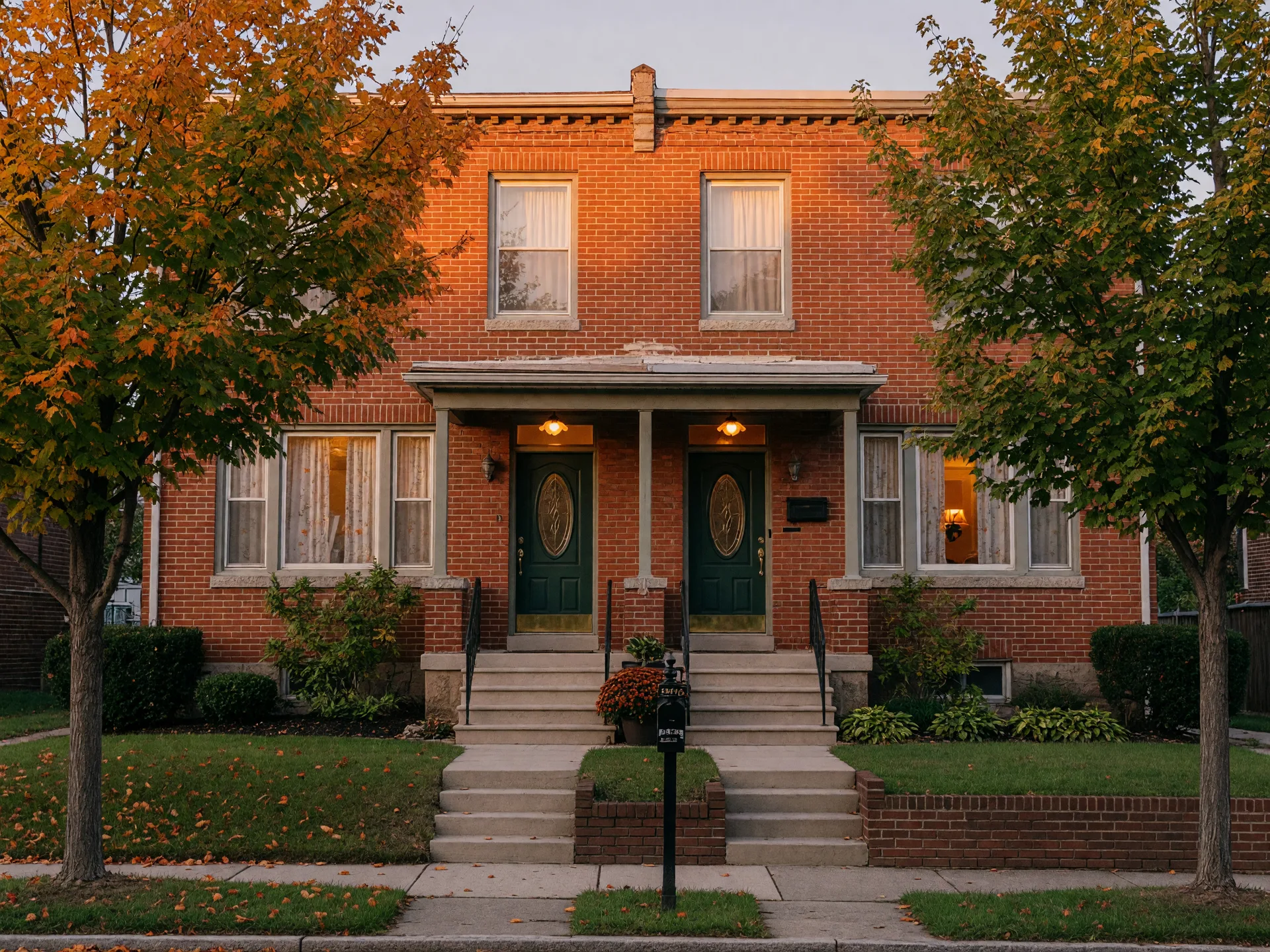
Renting can be the right move for a season, but it will not fix the reasons your listing expired. The same pricing, marketing, and condition problems that produced no offers follow you straight into landlord life, and every rental month quietly shrinks two advantages of selling: cash from your equity and a federal tax break that can shield up to $250,000 of gain, or $500,000 for married couples. Before you become an accidental landlord, run the real numbers, not the hope.
The listing is done. No sale, no offers, and now a well-meaning friend or relative says the same thing everyone says: why don't you just rent it out? Cover the mortgage, wait out the market, sell it when things turn around. It sounds simple, and for a small number of sellers it genuinely is the right call. For most, it is a detour that costs more than a relist ever would. Two questions come up again and again in my Philadelphia and South Jersey conversations: should I rent my house instead of selling, and if I do, can I still sell later without losing the tax break? Here is the straight version of both.
Should You Rent It Out After Your Listing Expired?
Let's be fair to the idea. Renting turns your biggest monthly payment into income stream, keeps the home in your control, and means you do not have to accept a price you hate. If your listing expired because you had to move at a bad time, or the market simply softened for a season, renting for a year can be a legitimate bridge. For a homeowner in that spot, renting is not crazy talk. It is an actual option, and I will never tell you otherwise.
What nobody says at the dinner table is what renting actually changes. Renting makes you a landlord. That means tenant screening, repairs on a landlord's timeline, vacancies between leases, and landlord insurance instead of a standard homeowners policy. On older twin and row homes across Philadelphia and the South Jersey suburbs, where deferred maintenance is common, a single furnace or roof bill can swallow a full year of rent. A widely used rule of thumb is to set aside 10 to 15% of gross rent for upkeep alone, before taxes, insurance, vacancies, and vacancy weeks even factor in. When I help sellers run this math, the rent rarely covers the full carrying cost of the house, and the house keeps aging while you keep paying the difference.
Then comes the part accidental landlords miss. Renting the house does not diagnose the problem. If your listing expired because the price chased the market instead of leading it, or the marketing never escaped the MLS, the same problems quietly sit in the rental market too, in the same condition, at a rent number nobody tests against real demand. You have not fixed the house or the strategy. You have postponed it.
If I Rent It Out Now, Can I Still Sell Later Without Losing the Tax Break?
Here is where the tax clock starts really mattering, and it is the most misunderstood part of the whole decision. Federal rules let you exclude up to $250,000 of gain on the sale of your primary home, or $500,000 as a married couple, when you owned and lived in the home for two of the five years before the sale. That five-year window is the drumbeat behind the rent-versus-sell decision. You can rent the home out and still claim the exclusion after, roughly up to about three years before the clock runs against you.
There are two catches. Any depreciation you claim during the rental years gets recaptured at up to 25% when you sell, and it cannot be excluded. Rental time after 2008 also counts as time that never qualified for the exclusion at all, and it shrinks the share of your gain that qualifies. The rules get tangled fast, so the honest guidance is this decision belongs on a spreadsheet with a tax professional, not a dinner conversation.
The Better Question: What Does the Next 12 Months Look Like?
As a listing agent, this is what I care about. Most Philadelphia and South Jersey listings expire because something in the plan was wrong, and almost all of it is fixable: a price that missed the market, marketing that buyers never saw, photos that let them scroll past. A proper relaunch with fresh pricing, fresh imagery, and aggressive digital marketing can deliver the sold outcome within that same 12 months, while a rental keeps you paying the difference, year after year, for a house you still have not decided to keep.
Renting is a legitimate option for some sellers, and I am glad to help you run the numbers either way. But if the goal is to sell, renting is a detour, not a strategy. The full walk through of why listings expire and how a relaunch actually gets a failed listing under contract for Philadelphia sellers lives on my expired listing help page.
If you want the real answer for your exact situation, tell me your story and your numbers, and I will give you a straight read on rent versus relist. No obligation, no pressure, and no seminar. That is the part of this job I love.
The bottom line: renting is only a detour if you actually want to be a landlord. If you are not, the fix is a proper relaunch, and the fix is on my expired listing help page, where I cover the full breakdown for Philadelphia and South Jersey sellers.