
Does an Expired Listing Carry a Stigma in Philadelphia? And How to Relist Without Buyer Skepticism

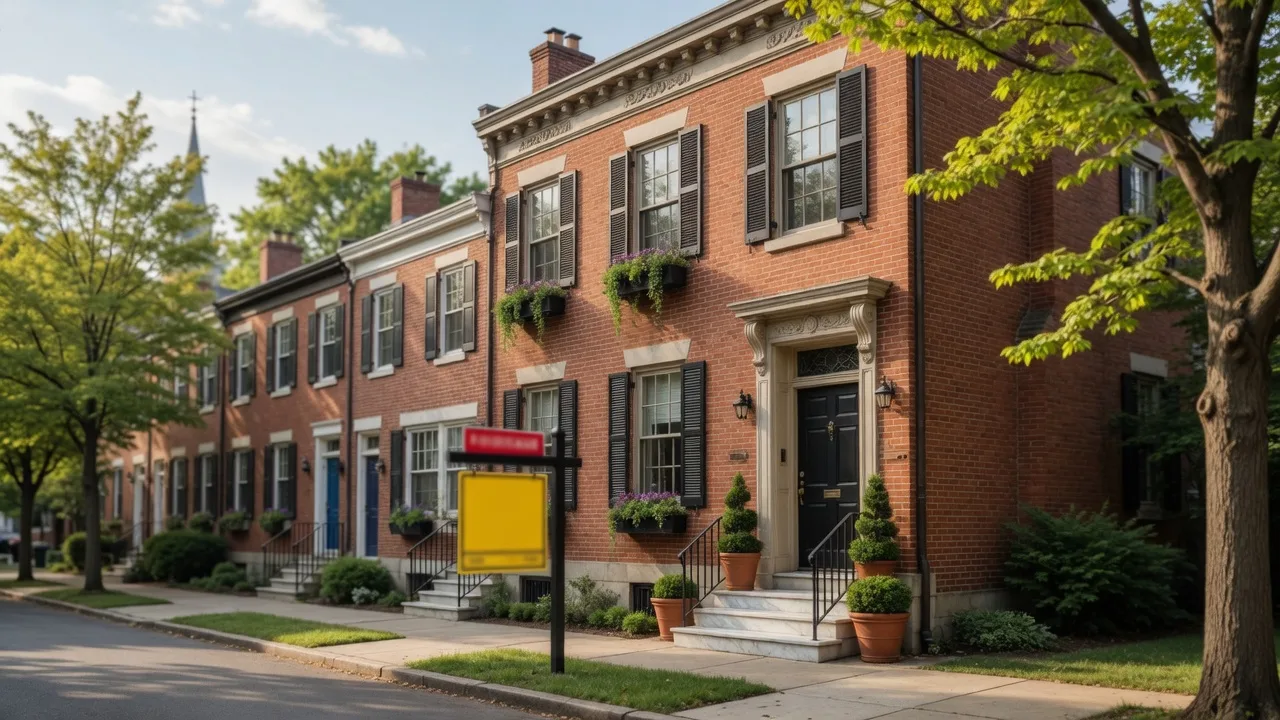
Yes, an expired listing can carry a stigma. When buyers and their agents see that a home previously failed to sell, they naturally assume something is wrong with the property. But here is the truth every Philadelphia seller needs to hear: the stigma is not about your home. It is about the strategy that was used to sell it the first time. And that is something you can fix completely before you ever go back on the market.
Your listing expired. It happens more often than most people realize. In any given market cycle, a significant percentage of homes that come on the market end up not selling. Some expire because of pricing. Some because of poor marketing. Some because the seller and the agent were not aligned on a realistic plan.
But here is the hard truth that keeps expired sellers up at night: when you relist, everyone can see the history. Zillow shows it. Redfin shows it. The MLS shows it. Your neighbor who walked their dog past your open house six months ago remembers it. And the question that runs through every buyer agent's mind when they pull up your new listing is the same one: why did this one fail before?
That question is the expired listing stigma. It is real. It is not invisible. And ignoring it when you relist is the fastest way to repeat the same result.
Let me walk you through what the stigma actually looks like in the Philadelphia market, why it exists, and most importantly, exactly how to overcome it so your home sells the second time around.
What the Expired Listing Stigma Actually Is
The term sounds dramatic, but the reality is simple. Buyers and their agents have access to listing history. When someone sees your home pop up on the market again, they can immediately check:
- The date it was originally listed
- The date it was taken off the market
- The price history, including any reductions
- How many days it sat without a sale
A buyer agent scrolling through the MLS in Philadelphia sees that history in less than five seconds. And in those five seconds, they form an assumption. Maybe the home is overpriced. Maybe there are inspection issues that kept the last buyer from closing. Maybe the neighborhood has a problem that the listing photos dont show. Whatever the assumption is, it works against you before anyone even steps foot in your home.
This is not about your home being a bad property. Most expired listings in Philadelphia are perfectly good homes in perfectly good neighborhoods. The stigma is attached to the circumstance, not the property itself. Buyers are naturally skeptical. When they see a relisted home, they want to know what changed. If nothing visible has changed, their skepticism turns into disinterest.
How Much Does the Stigma Actually Cost You?
The financial impact of an expired listing stigma shows up in two ways: lower offers and longer days on market. When buyers perceive risk, they offer less. It is the same principle that applies to any purchase. A car with a salvage title sells for less than a clean-title car even if the repairs were perfect. A home with an expired listing history is not damaged goods like a salvaged car, but the psychology works the same way. Buyers build a discount into their offer to protect themselves from the unknown.
In my experience working with expired sellers across Philadelphia, Chestnut Hill, Manayunk, Cherry Hill, and the surrounding suburbs, the discount is avoidable. But it takes intentional work. You cannot just put the home back on the MLS with new photos and hope the stigma disappears. You have to actively dismantle the perception that nothing has changed.
The carrying costs of a home that sits on the market add up fast. Mortgage payments, taxes, insurance, utilities, and maintenance eat into your equity every single month. If the stigma costs you an extra 60 to 90 days of showings before you accept an offer, you are not just losing time. You are losing money. And if the stigma pushes buyers to submit lower offers because they assume you are desperate, you lose money twice.
Why Most Sellers Relist Into the Same Problem
I see sellers make the same mistake over and over. Their listing expires. They find a new agent. The new agent puts the home back on the market with minor changes. Maybe a $10,000 price reduction. Maybe a different lead photo. Maybe a slightly rewritten description. Within a few weeks, the same thing happens. The home sits. Showings are slow. Offers do not materialize.
The reason is predictable. Buyers see the listing history. They notice the new listing looks almost identical to the old one. Their immediate reaction: nothing has changed. And if nothing has changed, why would the outcome be different?
This is why a half-measure relisting is worse than no relisting at all. Putting your home back on the market without fundamentally changing the buyer's perception of it just adds more days on market, more price reductions, and more stress. You need a complete reset. And that starts with understanding exactly what went wrong the first time.
The Real Reasons Listings Expire in Philadelphia
Every market is different, and Philadelphia has its own dynamics. Here is what I see most often when I review expired listings for sellers in this area:
Pricing That Did Not Match the Neighborhood
This is the number one reason, and it is not always about asking too much. Sometimes the price was right for the city but wrong for the specific block. In Philadelphia, a home on one street in Fishtown trades at a different value than a home two blocks over. The same is true in neighborhoods like Graduate Hospital, Passyunk Square, and Brewerytown. If the original pricing strategy used broad comps instead of hyper-local data, the home was mispriced from day one.
Marketing That Did Not Reach the Right Buyers
The MLS alone is not enough. Zillow alone is not enough. In 2026, a home needs aggressive digital marketing across multiple platforms to reach buyers who are searching for homes in Philadelphia. If the original agent posted the listing to the MLS and waited for calls, the home was never going to get the exposure it needed. Buyers do not stumble onto homes anymore. They search specifically, and if your home is not in front of them on the platforms they actually use, it might as well be invisible.
Presentation That Did Not Compete
Professional photography is the baseline in Philadelphia's market, not a luxury. Homes listed with amateur photos, cluttered staging, or poor lighting signal to buyers that the seller is not serious. When a buyer compares your expired listing against a freshly listed home with professional imagery, virtual tours, and thoughtful staging, your home loses the comparison before they even look at the price.
How to Overcome the Stigma and Relist Successfully
Overcoming the expired listing stigma is not about hiding the history. It is about making the history irrelevant. You do that by changing enough variables that the market sees your home as a new opportunity, not a tired relist. Here is exactly what that looks like:
1. Change Everything Visible
New photography that looks nothing like the old photography. A new lead image. New angles. Different lighting. If you staged the home differently the first time, restage it. If you did not stage it at all, stage it this time. Virtual staging can transform an empty space into a visual that stops scrollers mid-thumb. The buyer's first impression of your relisted home needs to feel fresh, not familiar.
And do not overlook the exterior. Curb appeal matters enormously in a city like Philadelphia, where buyers often drive through a neighborhood before booking a showing. Fresh mulch, clean windows, swept steps, and a well-maintained stoop or front yard cost almost nothing but change the entire feel of the listing.
2. Reprice With Precision, Not Emotion
The most powerful way to overcome stigma is to make the price clear enough that the value proposition speaks for itself. That does not mean slashing the price below market value. It means setting a price that is backed by current, block-level data and that positions your home competitively against everything else available in your price range.
In Philadelphia neighborhoods like Northern Liberties, Fairmount, and East Passyunk, the difference between a listing that generates offers and one that sits can be a matter of $10,000 to $20,000 on a $400,000 home. The data tells you where to land. The ego tells you to hold firm. One of those approaches gets you a sold sign.
3. Rewrite the Narrative From Scratch
A new listing description is essential, but go further. Your listing needs a new story. If the first listing led with the finished basement, lead with the rooftop deck or the renovated kitchen or the walk-to-SEPTA proximity this time. Highlight different features. Target a different buyer type. A home in Manayunk that failed to sell when marketed to families may sell in two weeks when marketed to young professionals who want trail access and nightlife.
The property has not changed. But the audience you are presenting it to can change completely. And a new audience does not carry the same skepticism.
4. Invest in Aggressive Digital Marketing
The expired listing stigma does not survive aggressive exposure. When your home appears on social media, in targeted ad campaigns, in email blasts to buyer agents, and in featured placements on the major real estate platforms, it does not look like a stale relist. It looks like a property that someone is actively pushing. Energy attracts attention. Silence breeds suspicion.
AI-infused marketing, targeted Facebook and Instagram campaigns, retargeting ads that follow interested buyers as they browse other sites, and direct outreach to buyer agents who specialize in your neighborhood all contribute to breaking the stigma cycle. The more visible your home is, the less buyers care about the listing history.
5. Be Strategic About the Timing
There is no rule that says you have to relist immediately. Sometimes a strategic pause works in your favor. Waiting a few weeks or even a month between the expiration and the relaunch resets the clock. Buyers are not checking Zillow for listings from two months ago. They are looking at what is new today. A small gap between the expired date and the new listing date makes your home feel like a fresh opportunity.
You can also time the relaunch around a seasonal shift or a known market event. In Philadelphia, relisting at the start of the fall buying season in September looks very different from relisting in the middle of a slow August. Market timing is not a guarantee, but it gives you one more variable working in your favor.
The Truth About Expired Listing Stigma
I tell every seller the same thing. The stigma is real, but it is also temporary. It exists because the first attempt did not work. The moment the second attempt works, the stigma disappears. No buyer walks into their closing and says, well, I almost didnt buy this because the listing expired six months ago. They care about the house they are buying today, in its current condition, at its current price.
Your job as a seller is to get them to that point. And the only way to do that is to relist with a strategy that is fundamentally different from the one that failed.
If you are sitting on an expired listing in Philadelphia, the neighborhoods along the Main Line, or across South Jersey, you already know the first attempt did not work. That is not failure. That is data. Now you have the information you need to do something different.
I have helped dozens of expired sellers across this market turn a stalled listing into a closed sale. The approach is not magic. It is a systematic reset of pricing, marketing, presentation, and timing. And it works because the stigma only lasts as long as nothing changes.
If you want to talk through your home's situation, what went wrong the first time, and what a proper relisting strategy would look like, I am available. Let's figure out what needs to change and then make it happen.
Your home did not sell the first time. Let's fix that.
I specialize in helping Philadelphia and South Jersey sellers whose homes expired on the market. A free conversation is all it takes to figure out whether a fresh approach can get your home sold.