
Can I Sell a Fire-Damaged House in Philadelphia As-Is?

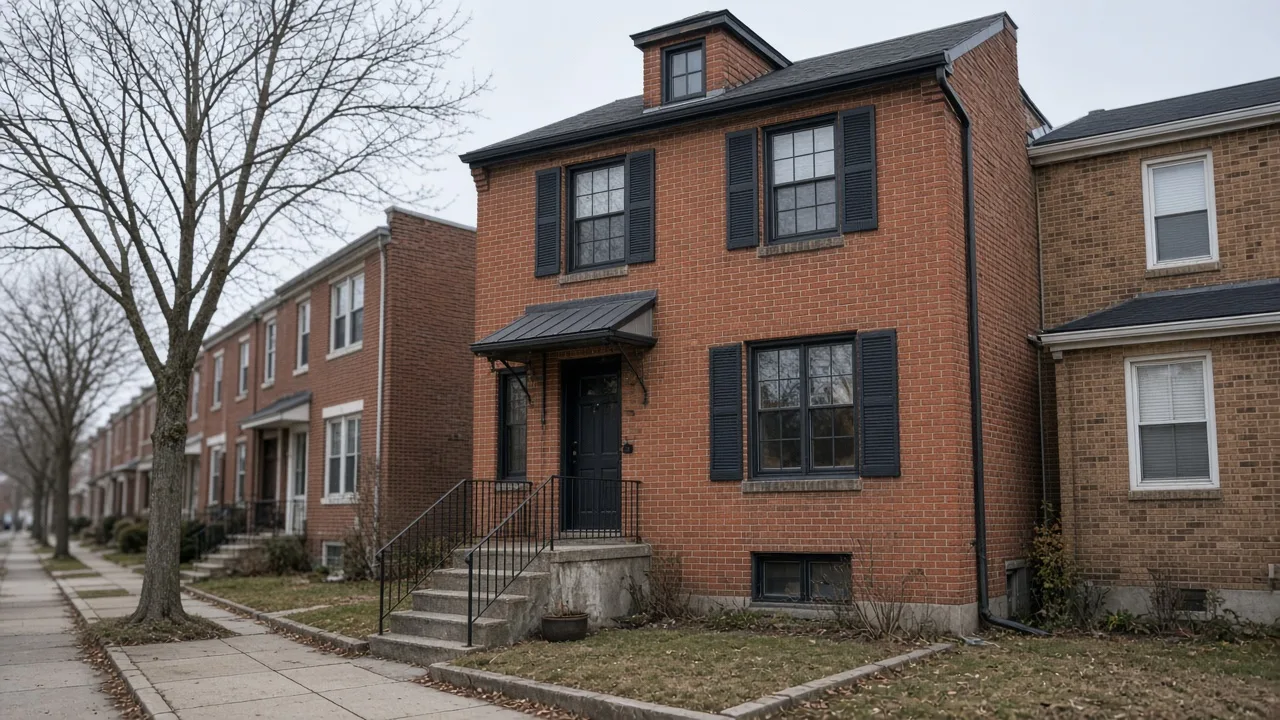
Yes, you can sell a fire-damaged house in Philadelphia as-is, without repairing it first. Pennsylvania does not require you to fix the damage before selling, and most damaged homes sell to cash buyers in their current condition. The one thing you cannot do is sell silently: Pennsylvania's Real Estate Seller Disclosure Law requires a written Seller's Property Disclosure Statement that lists known fire and water damage, even in an as-is sale.
A fire, a burst pipe, or a roof failure can leave a Philadelphia home that was once worth real money sitting empty and unsellable in its current state. If you have a house like this, the first question is almost always the same: do I have to pour money into repairs before anyone will buy it? The short answer is no. The longer answer involves disclosure, cash buyers, and an honest read on what the property is worth with the damage in place. Here is how an as-is sale of a fire-damaged Philadelphia home actually works.
Do I Have to Repair a Fire-Damaged House Before Selling It in Pennsylvania?
No. Pennsylvania has no law that forces you to repair a damaged home before you sell it. You can list it as-is, disclose what you know, and sell it in whatever condition it is in. The practical catch is the financing: FHA, VA, and USDA loans, and many conventional loans, will not lend on a home that fails basic condition requirements. That pushes most fire- and water-damaged sales toward cash buyers and investors, who buy in current condition, skip the cleanup and the contractors, and can close in about two to four weeks. That is the realistic market for a damaged Philadelphia house, and it is still a real market.
What Do I Still Have to Disclose If I Sell As-Is?
This is where sellers get into trouble. In Pennsylvania, "as-is" does not mean "say nothing." The Real Estate Seller Disclosure Law (68 Pa. C.S. sections 7301 through 7315) requires you to complete the Seller's Property Disclosure Statement and list every known material defect, and fire damage, water intrusion, and mold history all qualify. A Pennsylvania appellate court made this point in Phelps v. Caperoon in 2018: an as-is clause does not wipe out your disclosure duty, and a seller who knowingly hides damage can face liability that survives the closing. When your house burned or flooded, the buyers who show up are exactly the ones who need the full picture before they make an offer.
Can I Sell a Condemned or Red-Tagged House in Philadelphia?
Yes, a condemnation or "red tag" order is not a barrier to sale. It is a disclosure item, and it is a signal about how to sell. Philadelphia's Department of Licenses and Inspections can post a property as unsafe or imminently dangerous, and that order does not go away because the house is listed; it has to be dealt with, either by the seller securing the property or by a buyer who takes it on knowing the condition. A condemned house sells as-is for cash, with the buyer inheriting the path to get the order cleared. It is a tougher transaction, and it is exactly the kind of property where experienced local guidance pays for itself.
What Does an As-Is Sale Actually Look Like?
Before you list, call your insurer and photograph the damage while it is still visible. Cleanup changes the picture, so document first. Make only emergency repairs that stop further damage, like boarding a broken window or tarping a roof. Then get a realistic as-is valuation: a cash buyer prices the house as land value plus whatever structure value is left, minus the cost of repair and resale. That number is humbling next to what the house was worth before the fire, but it is the truth, and it beats a property that keeps burning money in taxes and insurance while nobody can live in it.
The Bottom Line
A fire-damaged house in Philadelphia can be sold as-is without repairs, but only to the right buyer and with the right paperwork. You do not have to fix the damage, you do have to disclose it, and the practical path is a cash sale at a price that reflects the condition. If the house also has an unpaid mortgage, the timeline and the lender's role change, and my foreclosure and short sale guidance page walks through that. For the full picture on selling a damaged or as-is property for fair value, start with my sell my house page, which covers how an as-is sale is priced and marketed across Philadelphia.
If you have a fire- or water-damaged house in Philadelphia, tell me what happened: whether you have an insurance claim open, whether the house has been red-tagged by L&I, and whether there is a mortgage you still owe. I will give you a straight answer on what the house is realistically worth as-is and what the fastest, cleanest way to sell it looks like.