
Who Pays Property Taxes and Upkeep on an Inherited House in Pennsylvania?

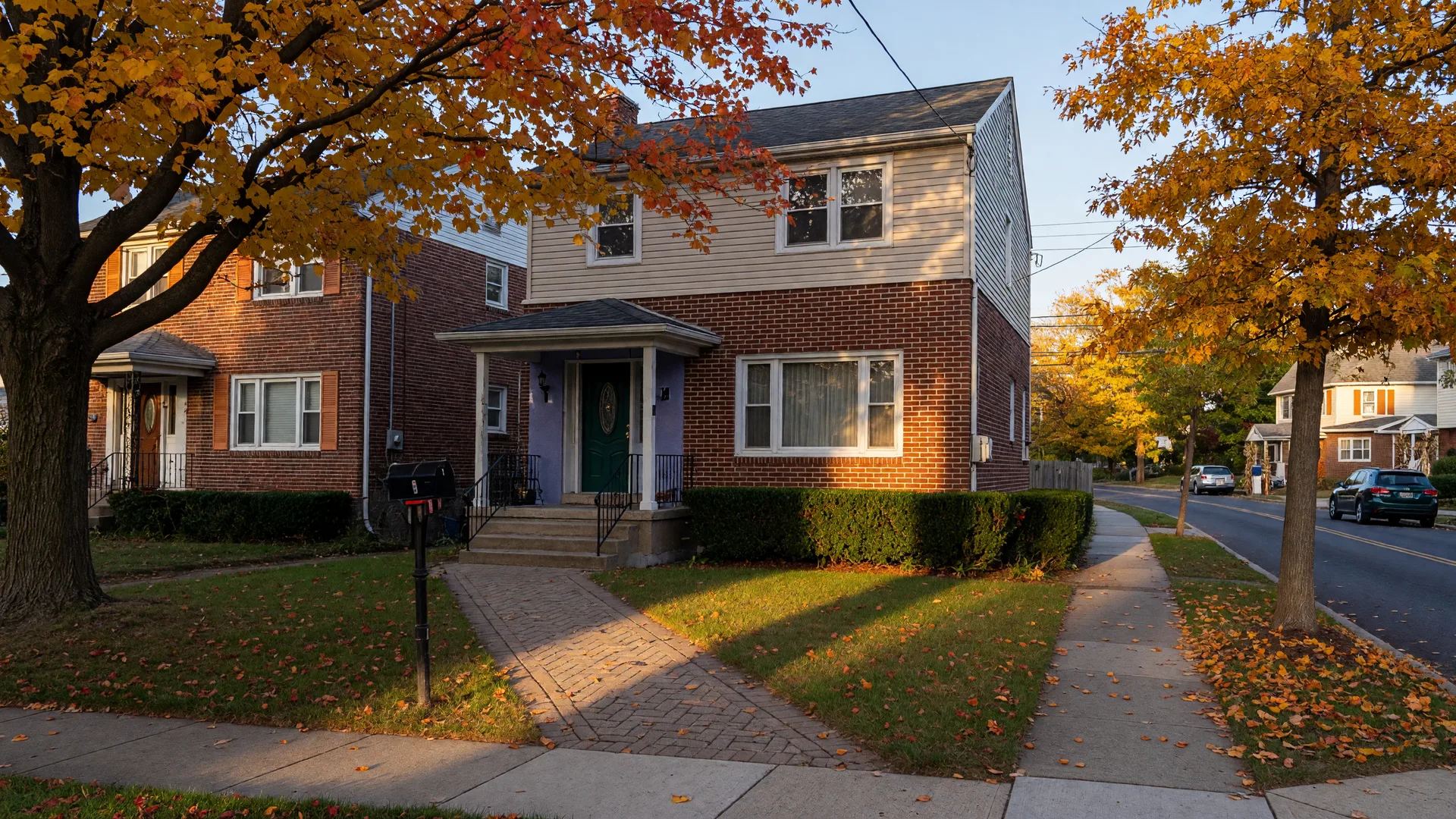
The estate pays the property taxes, homeowners insurance, mortgage, and upkeep on an inherited house while probate is open in Pennsylvania, and the executor is responsible for keeping them current. But the money comes out of the estate, and in Philadelphia the city holds whoever inherits the property responsible for the real estate tax and water charges even before their name is on the deed.
When someone dies and leaves a house behind, the bills don't stop. The property taxes, insurance, utilities, and basic maintenance keep running every month whether the home is lived in or sitting empty, and someone has to cover them while the estate is sorted out. It is one of the most common questions I hear from heirs in Philadelphia and South Jersey: who is actually responsible, and what happens when the house just sits there? Here is the straight answer.
Let me walk you through who pays what during probate, what a vacant inherited house really costs, and why selling is usually the move that protects the inheritance.
Who Pays the Property Taxes on an Inherited House?
During probate, the estate is responsible. The executor is appointed by the Register of Wills and has a duty to keep the property insured, pay the real estate taxes and mortgage out of estate funds, and maintain the home in reasonable condition. If the estate has money, those bills come from the estate, not from the heirs' own bank accounts.
Here is what catches a lot of families in Philadelphia: the city holds whoever inherits the property responsible for the real estate tax and water charges even if their name is not yet on the deed. That means the tax and water bill can follow the heirs directly while probate drags on. And in both Pennsylvania and New Jersey, if those bills go unpaid they become liens on the property and can eventually trigger a tax sale. The house itself carries the debt even when the estate does not.
What Happens If the Inherited House Sits Vacant?
A vacant house keeps generating costs, and this is where an estate gets quietly drained. Property taxes, utilities like heat so the pipes don't freeze, lawn and snow care, and code enforcement all keep running. A standard homeowners policy typically stops covering a home once it sits vacant for 30 to 60 days, so the executor usually has to switch to vacant-home coverage or the property is uninsured when something goes wrong. Add the risk of vandalism and small problems turning into big ones, and carrying costs on an inherited home can run $700 to $1,500 or more every month. Every month the house sits, it burns through equity that belongs to the family.
Do Heirs Personally Owe the Debts of the Person Who Died?
Generally no. The deceased person's debts, including the mortgage, are paid from the estate during probate, not out of the heirs' own pockets. The exception that matters in practice is the debt attached to the property itself: real estate taxes, water charges, and liens stay with the house. Even when you are not personally on the hook, the house can be, and a lien or a tax sale can wipe out the inheritance. That is why settling the property, usually by selling it, is so often the cleanest path.
Can You Sell an Inherited House While Probate Is Still Open?
Yes, and it is usually the right move. An executor can list and close an inherited house before probate finishes, once the estate is opened and Letters Testamentary are issued. The practical requirements are that the title can be cleared and the sale can close, and in Pennsylvania the inheritance tax has to be resolved before a title company will insure the transfer. The mortgage, taxes, and closing costs are paid at the closing table, and whatever is left goes to the estate and the heirs. My post on selling a house while probate is still open in Pennsylvania walks through the timing and what has to happen first.
The Bottom Line
The estate is responsible for the bills during probate, but the money ultimately comes out of the house itself. In Philadelphia, the city can hold heirs directly responsible for the real estate tax and water charges, and a vacant house can burn $700 to $1,500 or more every month while the estate drags on. The fastest way to stop the bleeding and protect the inheritance is usually to get the house listed and sold while the estate is still open.
If you are a Philadelphia or South Jersey heir trying to decide whether to keep an inherited house or sell it, my sell my house page explains the process and how an aggressive marketing plan gets estate homes sold for top dollar. The Philadelphia home seller guide walks through pricing, marketing, and closing step by step. And if the house came with its own tax questions, my post on inheritance tax on an inherited house in Pennsylvania and South Jersey covers what you will owe and how stepped-up basis works.
If you inherited a house and you're not sure whether the numbers make sense to keep it or sell it, tell me your situation and I'll give you an honest read on what the home is worth and the fastest path to a clean sale. No pressure, just a straight answer from someone who sells estate homes across Philadelphia and South Jersey.