
How Long Before Foreclosure in Pennsylvania? And Can You Sell During Pre-Foreclosure?

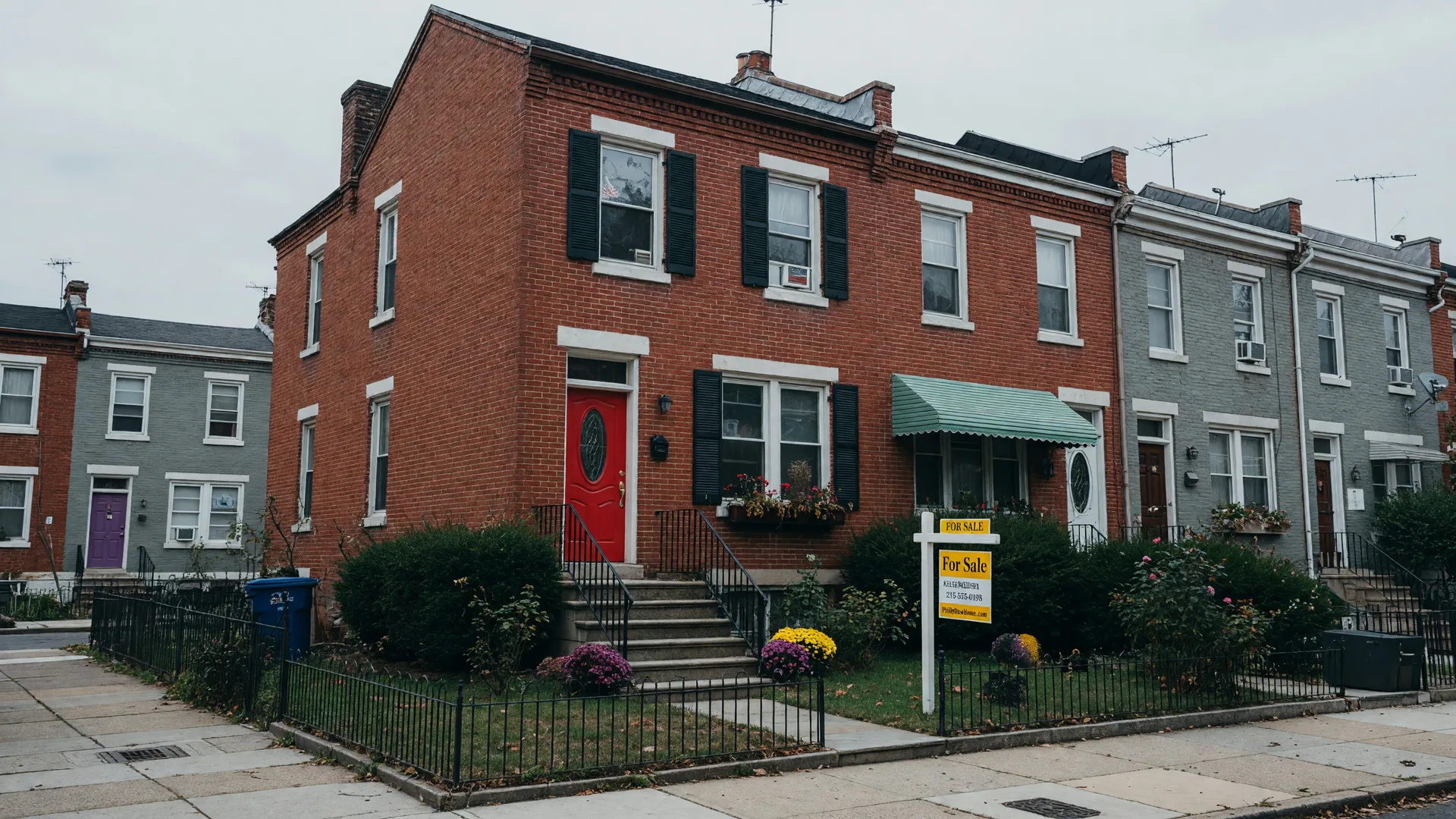
Two questions I hear more than any others from Philadelphia and South Jersey homeowners facing foreclosure: "How long do I have before the bank takes my house?" and "Can I sell before that happens?" Both deserve straight, detailed answers. Here is exactly what the Pennsylvania foreclosure timeline looks like, and what your options are at every stage.
If you have fallen behind on mortgage payments and received a foreclosure notice, you are not out of time. Pennsylvania law gives homeowners a meaningful window to act. But that window does not stay open forever. Understanding each phase of the timeline is the first step to making a smart decision instead of a panicked one.
How Long Do You Have Before Foreclosure in Pennsylvania?
Pennsylvania is a judicial foreclosure state. That means your lender cannot just take your house. They have to file a lawsuit in the Court of Common Pleas, prove you defaulted, get a judgment, and then get a court order to sell the property at a sheriff's sale. The whole process from your first missed payment to the sheriff's sale typically takes 8 to 12 months. In some cases it can stretch to 14 months or longer, depending on court schedules and whether you contest the foreclosure.
Here is how that timeline breaks down month by month.
Months 1 to 3: Missed Payments and Grace Period
The clock starts when you miss your first mortgage payment. Most lenders do not file a foreclosure lawsuit immediately. Federal guidelines typically require them to wait until you are at least 90 days delinquent before starting formal proceedings. During these first three months, you may receive late notices and phone calls, but you have not lost the house yet.
This is the best time to act. You have the most options, the most leverage, and the least pressure. If you can catch up on payments, negotiate a loan modification, or sell the home on your terms, months 1 through 3 give you the room to do it without a ticking court deadline.
Month 3: The Act 91 Notice (30 Days)
Before your lender can file a foreclosure lawsuit, Pennsylvania law requires them to send you an Act 91 Notice. This notice tells you that you are in default and gives you 30 days to respond. It also tells you about housing counseling available through the Pennsylvania Housing Finance Agency (PHFA) and the Homeowners' Emergency Mortgage Assistance Program (HEMAP).
If your lender skips the Act 91 notice or sends it incorrectly, the foreclosure may be invalid. This happens more often than you would think. If you are working with an attorney or a real estate professional who understands foreclosure law, this is one of the first things to check.
Months 4 to 6: Lawsuit Filed and Response Period
After the Act 91 notice period expires, your lender files a foreclosure complaint with the Court of Common Pleas. You have 30 days from the date you are served to file a response. This is a critical deadline. If you do not respond, the lender can ask the court for a default judgment, which speeds up the entire process significantly.
Filing a response does not mean you are going to fight the foreclosure. It preserves your right to be heard and gives you time to explore your options. In Philadelphia, the court system moves at its own pace, and a contested foreclosure can take months longer than an uncontested one. That extra time can be the difference between a rushed sale and a well-executed one.
Months 7 to 9: Judgment and Sheriff's Sale Scheduling
Once the court grants a judgment in favor of the lender, the sheriff schedules a sale. Pennsylvania law requires at least 30 days' written notice before the sheriff's sale. The notice must be posted on the property, published in a local newspaper once a week for three weeks, and filed with the sheriff's office.
If you live in Philadelphia, sheriff's sales happen monthly at the Pennsylvania Convention Center or the Sheriff's Office. South Jersey follows a similar process through each county's sheriff. The exact timing depends on court calendars, but from judgment to sale typically takes 30 to 90 days.
The One-Hour Rule: Your Last Chance to Cure
Pennsylvania law gives you the right to stop the foreclosure up to one hour before the sheriff's sale. You can do this by paying the full amount owed, including fees and costs, or by reaching an agreement with your lender. After the sale happens, Pennsylvania has no post-sale redemption period. Unlike some states where you can buy the property back after the sale, in Pennsylvania once the sheriff's hammer falls, the property belongs to the new owner.
That one-hour deadline is real. I have seen homeowners walk into the sheriff's office with a cashier's check minutes before the sale and stop it. But it is not a plan. Relying on that last-minute option means you have run out of every other option first.
Can You Sell Your House During Pre-Foreclosure in Pennsylvania?
Yes. Absolutely. Pennsylvania law does not prevent you from selling your home at any point during the foreclosure process, right up until the moment the sheriff's sale is completed and the bank takes legal ownership. In fact, selling during pre-foreclosure is often the smartest financial move you can make.
Here is why: a foreclosure stays on your credit report for seven years and drops your score by 100 to 300 points. A pre-foreclosure sale, whether a standard sale or a short sale, does much less damage to your credit. It also gives you control over the timeline, the sale price, and the outcome.
Option 1: Traditional Sale (If You Have Equity)
If your home is worth more than what you owe on the mortgage, a traditional sale is usually your best option. You sell on the open market, pay off the mortgage at closing, and keep whatever equity remains. The sale wipes out the debt, stops the foreclosure, and you walk away with cash in your pocket and your credit mostly intact.
The challenge with a traditional sale during pre-foreclosure is time. A typical home sale in Philadelphia takes 30 to 60 days to find a buyer and another 30 to 45 days to close. That means you need to get the process started early in the foreclosure timeline, not when the sheriff's sale is already scheduled.
Option 2: Short Sale (If You Owe More Than the Home Is Worth)
If you are underwater on your mortgage, meaning you owe more than the home is worth, you can negotiate a short sale. In a short sale, the lender agrees to accept less than the full balance of the loan and forgives the difference. The property sells to a third-party buyer, and the foreclosure stops.
Short sales take longer than traditional sales because the lender has to approve the price and terms. Expect 60 to 90 days minimum. Not every lender cooperates, and some take weeks just to return a phone call. But when a short sale works, it spares you the full credit devastation of a foreclosure and gives you a clean exit.
Option 3: Cash Sale to an Investor
If time is tight and you need the fastest possible close, a cash sale to a real estate investor can close in as little as 7 to 14 days. Investors buy properties as-is, which means no repairs, no cleaning, no staging, and no open houses. You sell the property in its current condition, the investor pays cash, and the deal closes at a title company on a date you choose.
The trade-off is price. Investors typically pay below market value because they are taking on the risk and cost of rehabbing the property. But when the alternative is a sheriff's sale that wipes out your equity entirely, a cash sale can still leave you with something to start over with.
Option 4: Deed in Lieu of Foreclosure
A deed in lieu of foreclosure means you voluntarily transfer ownership of the property to the lender in exchange for being released from the mortgage debt. It is faster and less expensive than foreclosure, and it does less damage to your credit. But the lender has to agree to it, and not all lenders will. They may prefer to go through the foreclosure process to make sure they get a clean title.
How HEMAP Can Help Philadelphia Homeowners
Pennsylvania offers a program most homeowners do not know about: the Homeowners' Emergency Mortgage Assistance Program, run by PHFA. HEMAP provides loans to eligible homeowners who are facing foreclosure due to circumstances beyond their control, such as job loss, medical emergency, or divorce. The loan covers your mortgage payments for up to 24 months, giving you time to get back on your feet.
To qualify, you need to show that you have a reasonable prospect of being able to resume full mortgage payments within 24 months. The program has specific income limits and documentation requirements. It is not a handout and not easy to navigate alone, but it has kept thousands of Pennsylvania families in their homes.
If you are in pre-foreclosure, applying for HEMAP is one of the first calls you should make. You can reach PHFA at 1-800-342-2397.
What Happens If You Do Nothing?
The default path is the sheriff's sale. Your home sells at public auction, typically for less than market value. The proceeds go to pay the lender, any tax liens, and court costs. If there is anything left, you get it. But in most foreclosure sales, the property sells for less than the debt, and you end up owing a deficiency judgment on top of losing the house.
Your credit takes a severe hit. You may struggle to rent an apartment, buy a car, or get approved for another mortgage for years. And because Pennsylvania does not have a redemption period, once the sheriff's sale is confirmed by the court, there is no way to get the house back.
Doing nothing is a choice. It is just the most expensive one on the table.
Selling in Pre-Foreclosure: A Real-World Example from Philadelphia
Earlier this year, I worked with a homeowner in the Lawncrest section of Northeast Philadelphia. He had fallen behind on payments after a layoff in late 2024. By the time he called me, the lender had already filed a foreclosure complaint, and the sheriff's sale was scheduled for three months out.
He had about $40,000 in equity based on comparable sales in the neighborhood. His instinct was to wait and see if he could catch up on payments. I walked him through the timeline: the sheriff's sale was coming fast, and if he waited until the month before, he would have no room to negotiate with buyers. We listed the property at a competitive price, marketed it aggressively with AI-powered targeting to buyers in the Philadelphia market, and had an accepted offer within 18 days. The sale closed 45 days later, two weeks before the sheriff's sale date. He walked away with $34,000 after closing costs — not what he would have gotten in a normal market with no time pressure, but infinitely better than the sheriff's sale alternative.
That is what acting early in the timeline looks like. It is not about panic. It is about using the time you have wisely.
The Bottom Line on the Pennsylvania Foreclosure Timeline
You have roughly 8 to 12 months from your first missed payment to the sheriff's sale in Pennsylvania. That timeline is your most valuable asset. Every month you wait narrows your options. Every month you wait shifts leverage from you to the lender. But if you act early, you can sell your home on your terms, protect your credit, and move forward without the weight of a foreclosure following you for years.
I have been involved in Philadelphia and South Jersey real estate for 26 years, and I've helped homeowners navigate situations exactly like this. My focus is not just on distressed sales. I specialize in getting homes sold even when previous attempts have failed. Pre-foreclosure is a stressful position to be in, but it is not a hopeless one. The timeline is on your side if you use it.
If you are facing foreclosure and want to understand your options for selling before the sheriff's sale, call me. No pressure, no judgment. Just a clear assessment of where you stand and what your next move should be.