
Your Listing Expired. Should You Get a Home Inspection Before You Relist?

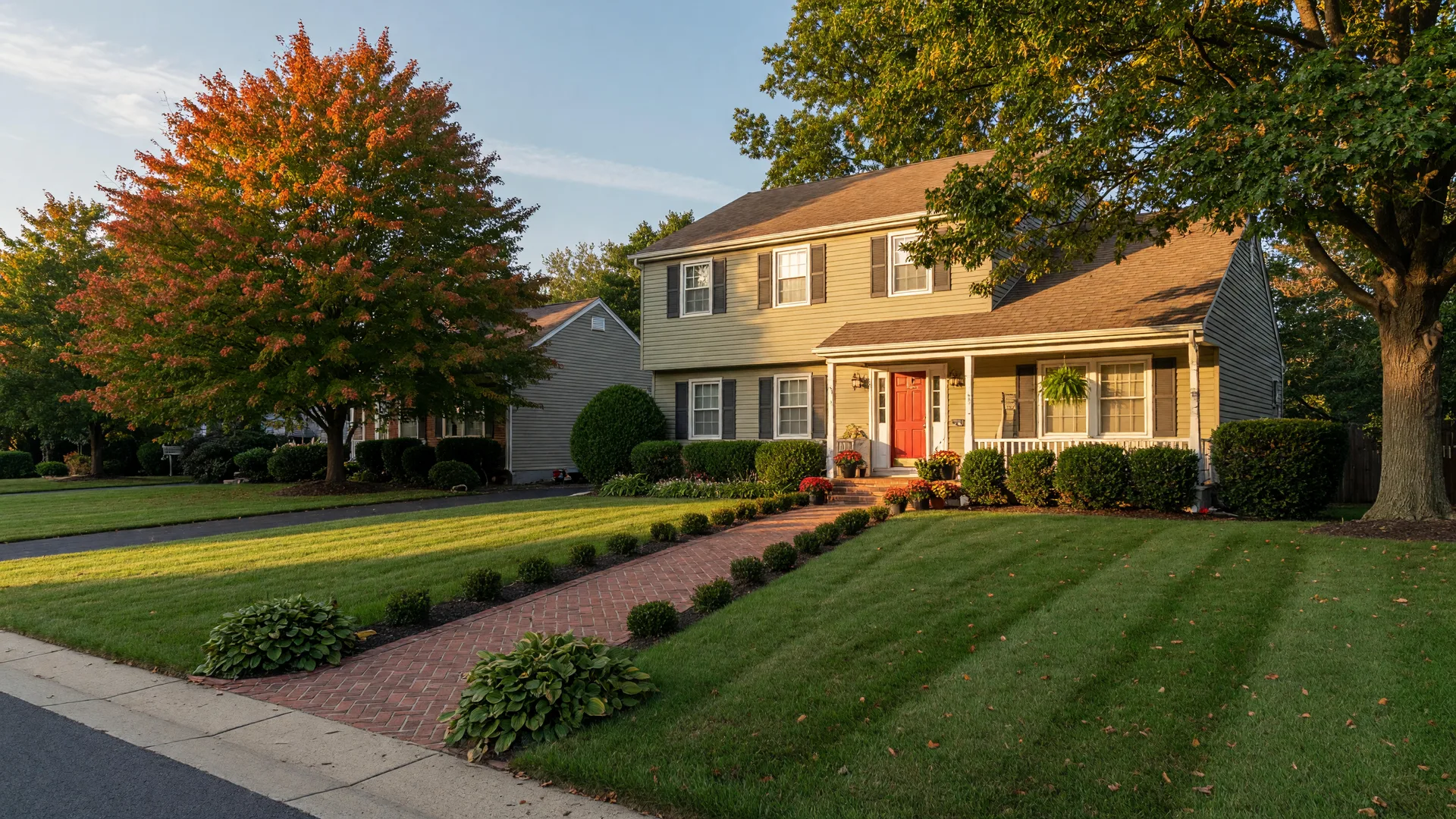
Here is the short answer. A pre-listing home inspection is not required in Pennsylvania, but for a home whose listing just expired, it is often the best money you will spend before going back on the market. It shows you why the first attempt failed so you fix real problems instead of guessing, and it keeps a buyer's inspection from killing the second deal at the last minute. Two questions come up constantly, and they are worth answering straight.
Your listing expired. You are deciding whether to relist, and one of the first things people ask is whether they should pay for a home inspection first. It is a fair question, because an inspection is a few hundred dollars and feels like money you do not want to spend right now. Here is what I tell every seller in Philadelphia and South Jersey, and the honest answer to the two questions everyone asks.
Should You Get a Home Inspection Before Relisting?
Yes, in most cases, strongly consider it. Condition and needed repairs are among the most common reasons listings expire in the first place, alongside overpricing and weak marketing. An inspection takes the guesswork out of that. You learn exactly what a buyer's inspector would flag, and you decide what to fix, what to disclose, and how to price before the sign goes back up instead of reacting after an offer falls apart.
There are three real benefits. First, it stops the inspection contingency from canceling the second contract. Agents across the country report that pre-listing inspections prevent canceled deals, because the seller has already addressed the repairs a buyer would have negotiated over. Second, it restores buyer confidence. A fresh, recent report shown upfront signals transparency and supports a stronger offer. Third, it helps you price honestly. If the home needs a new roof or a dated electrical panel, that is now a known number you can build into your price and marketing, not a surprise that derails a deal weeks later.
Do You Have to Share the Report? What Does Pennsylvania Require?
This is the question that trips people up, so let me be clear. A pre-listing inspection is voluntary in Pennsylvania. You are not required to order one, and you are not required to hand the report to the buyer. But under the Pennsylvania Real Estate Seller Disclosure Law, you must disclose any material defect you know about through the Property Disclosure Statement before the agreement of sale is signed. That duty runs until settlement, and it does not go away when a listing expires.
What this means in practice: if your inspection turns up a known material defect, you have to disclose it, even if you choose not to share the full report. Trying to keep a real problem quiet is not worth it. A seller who willfully hides a known defect can face real damages. The far better path is to use what you learn to fix, price, and present the home honestly, which is exactly what makes a relist sell.
And no, showing a recent report to buyers does not scare them off. A home that has been inspected, with issues addressed and documented, reads as a lower-risk purchase than a home that has sat on the market with no one willing to say what is wrong. Buyers trust a seller who is upfront. That is why a pre-listing inspection is a core part of a strong relist strategy rather than an expense to avoid.
How Long Is the Report Good For?
Keep it recent. A general rule of thumb is to have the inspection done within 30 to 45 days of listing. If the report is from the first listing period and several months have passed, the buyer will often want it updated, and conditions can change. A fresh report within that window carries weight. An old one from the expired listing is weaker, and the buyer's own inspector may still come out anyway. Plan to inspect close to the relist date, not months ahead.
What to Do With What the Inspection Finds
Once you have the report, do not just file it away. Use it as the roadmap for the relist. Fix the items that will scare buyers away or anchor your price down. Disclose the rest honestly on the Property Disclosure Statement. And price the home to reflect what the report shows, so your asking number already accounts for the roof, the HVAC, or the window that needs replacing. A properly priced, properly disclosed, properly inspected home gets the attention it needs in the first weeks on the market, which is exactly when a relist wins or loses.
The Bottom Line
Your listing expired for a reason. The fastest way to find out what that reason is, and to fix it before you spend another week or month on the market, is a fresh, honest look at the home. A pre-listing inspection answers the condition question, keeps a buyer's inspection from sinking the second deal, and sets you up to price and disclose with confidence. It is not required, but for a relist it is very often the difference between another expiration and a clean close.
In 26 years in Philadelphia and South Jersey real estate, I have watched sellers waste a second listing by repeating the first one. The ones who get it right treat the relist like a new beginning, and that starts with knowing the truth about the house. If you are ready to take a hard look at why your home did not sell and build a plan that gets it under contract, the full breakdown lives on my expired listing help page, where I walk through the complete relist strategy for Philadelphia sellers.
If you would rather talk it through, I am glad to review your situation, look at what your first listing did wrong, and put a concrete plan together before you go back on the market.