
Your Listing Expired — Do You Still Owe Your Agent a Commission? And Can You Relist with Someone New?

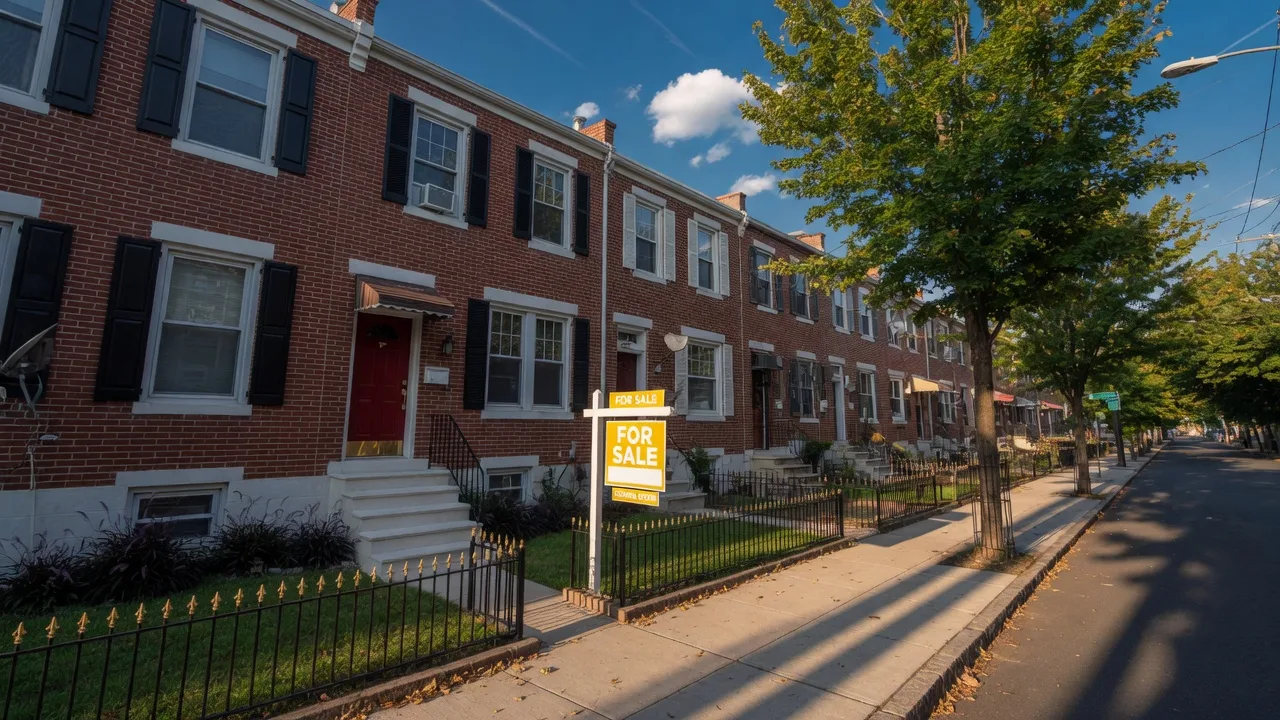
Your listing expired. The calls have stopped. The lockbox is gone. And now you're wondering about two things: can you list with a new agent tomorrow, and are you on the hook for a commission if the buyer your old agent found comes back around? Here's the straight answer for Philadelphia and South Jersey sellers.
I talk to sellers every week whose listing just expired. And almost every single one of them has the same two questions. They're worried about being stuck paying two commissions. They're worried about being locked into their old agent. They're worried about legal and financial pitfalls they don't fully understand.
Let me clear up the confusion. The short answers are: yes, you can relist with a new agent immediately. And yes, you might owe your old agent a commission under certain circumstances — but only under very specific conditions that most sellers can manage with the right information.
Question 1: Do I Still Owe My Old Agent a Commission?
This is the most common question I get, and the answer depends on something called the protection clause — also referred to as a safety clause, tail provision, or holdover clause. It's a standard provision in every listing agreement that gives the listing broker a period of time after the agreement ends to still earn their commission if a buyer they introduced during the listing period eventually purchases the property.
Here's how it works in practice. Let's say your agent showed the home to a buyer named Sarah during month three of your six-month listing agreement. Sarah didn't make an offer, and your listing expired. Three weeks later, Sarah calls you directly and says she wants to buy the house. Under the protection clause, your old agent is entitled to the commission they would have earned — because they introduced Sarah to the property during the listing period.
The protection clause is not unlimited. It only covers buyers who were specifically shown or introduced to the property during the listing term. And it only lasts for a defined period after the listing expires. Under the standard Pennsylvania Association of Realtors listing agreement, the duration is a fill-in-the-blank field — meaning it's negotiable. In practice, the most common protection periods in the Philadelphia market range from 30 to 90 days, with 30 to 45 days being the most typical.
A few critical details every seller should know about protection clauses:
- The protection clause only applies to buyers who were shown the property or who the agent can document as having been introduced to the home during the listing period. It does not apply to buyers who find the property on their own after the listing expires.
- Most listing agreements allow you to exclude specific buyers by name at the time you sign — this is called an exclusion list. If you have a friend, neighbor, or family member who might be interested, you can name them upfront and the protection clause won't apply.
- The protection clause has a hard expiration date. Once the tail period ends, your old agent has no further claim to a commission — even if a buyer they introduced decides to buy the home six months later.
- The protection clause does not prevent you from listing with a new agent. It simply means that if a buyer covered by the clause buys the home, the commission goes to the original broker, not the new one.
Question 2: Can I Relist Immediately with a New Agent?
Yes. The moment your listing agreement expires, you are free to sign with a new agent or brokerage. There is no mandatory waiting period under Pennsylvania law or under the regulations of the Pennsylvania Real Estate Commission. You can list your home with a new agent the same day if you want to.
This is a key point that many sellers misunderstand. Some agents will tell you that you need to wait a certain amount of time before relisting to avoid a "stale listing" stigma. That's not a legal requirement — it's a marketing opinion. And in my experience, the waiting-period advice is usually wrong. The faster you get back on the market with a fresh strategy, the better your outcome.
Here's what needs to be clear about the relationship between your old listing agreement and your new one:
- Your old agreement is dead. You owe nothing to the previous broker except what the protection clause covers.
- Your new agreement is a fresh contract. Your new agent should not be the same person unless you're confident their strategy has fundamentally changed.
- Your new agent should know about the protection clause and plan accordingly. A good agent will work with the old broker to make sure commissions are handled correctly if a buyer from the old period comes forward.
What About Days on Market? Does the Clock Reset?
This is the third question sellers almost always ask, and it's closely related to the relisting decision. When you relist with a new agent, your new MLS entry will typically show a fresh Days on Market (DOM) count starting at zero. But the MLS also tracks Cumulative Days on Market (CDOM), which adds up the total days your home has been listed across all agreements.
In the Philadelphia market, the West Penn MLS handles DOM and CDOM according to its own rules. Buyers and their agents can see both numbers. So while a new listing entry gives you a fresh DOM, the CDOM tells the full story. The key is not to obsess over the number — it's to make sure that when your home relists, it presents itself as a completely different opportunity than the first time around: new photos, new description, new marketing, and very often a new price.
If you want to reset CDOM to zero, some MLS systems require the property to stay off-market for 30 to 90 days. But I've never found that a useful strategy. The sellers who try to wait out the CDOM clock are usually the same sellers who lose momentum, get discouraged, and end up taking their home off the market permanently. The time to sell is now, not three months from now.
What Happens If a Buyer from the Protection Period Comes Forward?
This is where things get practical. Let's say you relist with a new agent, and a buyer from your old agent's protection period submits an offer. Your new agent should coordinate with the old broker to make sure both parties are aware of the situation. Typically, the commission is paid to the broker who is entitled to it under the protection clause, and the new agent either handles the transaction for a reduced fee or passes the buyer along.
The worst thing you can do is try to hide the sale or avoid paying the commission. That's a breach of contract, and it can lead to a lawsuit, a escrow dispute, or a mediated settlement that costs you more than the commission itself. The cleanest path is to be upfront with both agents, let them sort out the commission between themselves, and move forward with the sale.
Most of the time, the old agent will agree to split the commission with the new agent if the new agent is doing the work on the transaction. That's a standard industry practice. It's only when sellers try to dodge the obligation that things get messy.
What About FSBO Sellers Who Are Contacted by the Old Agent's Buyer?
If you decide to go the For Sale By Owner route after your listing expires, the protection clause still applies. If a buyer who was shown the home during the listing period contacts you and buys the home, your old agent is still entitled to the commission. Going FSBO does not void the protection clause.
This catches a lot of sellers off guard. They think that because they're no longer working with an agent, the commission obligation disappears. It doesn't. The protection clause is tied to the buyer who was introduced, not to the method of sale. If you want to avoid the commission obligation, you need to wait until the protection period expires, or negotiate a waiver with your old broker.
How to Handle the Protection Clause When You Relist
Here's the practical playbook for sellers who want to move forward cleanly after an expired listing:
- Read your old listing agreement. Find the protection clause section. Look for the number of days in the tail period. It's usually in the fine print on page two or three.
- Ask your old agent for a list. Request a written list of every buyer who was shown the property or who the agent communicated with about the property during the listing period. This is your protection from future claims.
- Share the list with your new agent. Your new agent should know exactly who is covered so they can handle offers from those buyers appropriately.
- Price and market with a fresh strategy. The protection clause is a legal detail. Don't let it distract you from the real work of getting your home sold. The best protection against a bad outcome is a great relisting plan.
Why This Matters More in 2026
Expired listings are surging across the country. According to REDX, expired listings jumped from roughly 42,000 per week in May 2024 to over 78,000 per week by April 2026. That's nearly double the volume. Redfin reported that 52.2% of active listings sat unsold for 60 days or more as of early 2026 — representing over $347 billion in stale inventory.
In Philadelphia, I'm seeing the same trend. More listings are expiring, which means more sellers are navigating the protection clause, the commission question, and the relisting decision for the first time. The sellers who come out ahead are the ones who understand their rights and obligations before they sign the next agreement — not after.
If you're reading this because your listing just expired, here's what I want you to take away: you are not stuck. You can relist with a new agent right away. The protection clause is a manageable legal detail, not a trap. And the most important thing you can do right now is get a fresh, honest assessment of your home and your market before you make the next move.
Your Next Step
If your Philadelphia or South Jersey listing expired and you're not sure what your options are, I'd like to help. I've spent 26 years in this market, and I specialize in exactly this situation — helping sellers who didn't close the first time finally get their home sold. I'll review your old listing agreement, explain exactly what the protection clause means in your specific case, and lay out a clear relisting strategy.
No pressure. No obligation. Just a straightforward conversation about your home and what it needs to sell.