
Can I Sell an Inherited House with a Reverse Mortgage in Pennsylvania?

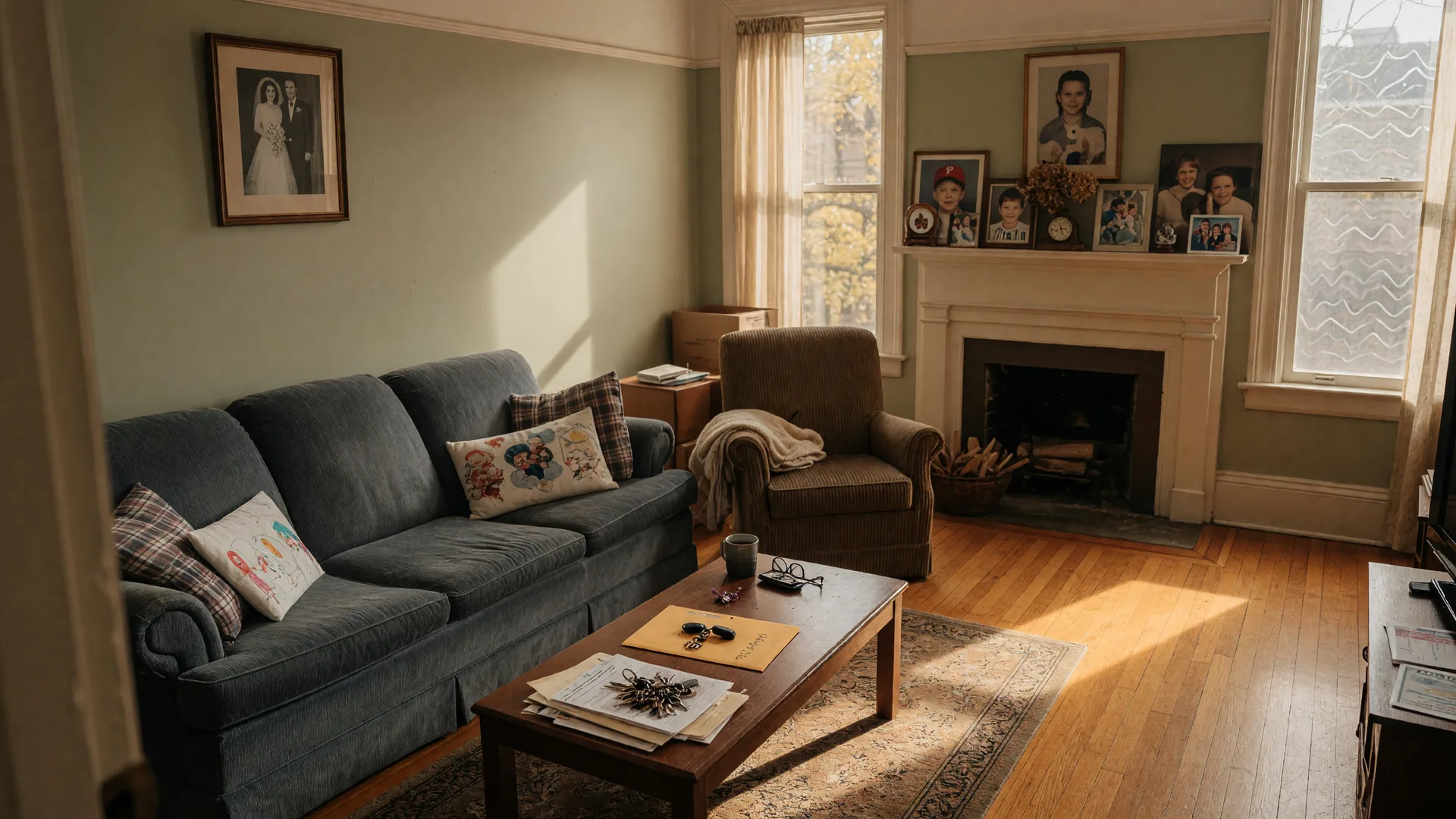
Yes, you can sell an inherited house with a reverse mortgage in Pennsylvania. A HECM reverse mortgage becomes due when the last borrower dies, but it is a non-recourse loan: the lender can collect only from the home itself, and you are never personally on the hook for a balance the house can't cover. Heirs get a defined window to sell or pay the loan off, and when the home has equity, a sale is usually the cleanest way to settle it.
If the house you just inherited carries a reverse mortgage, the first letter from the servicer can read like a demand for money you weren't expecting. Here is what it actually means in Pennsylvania and South Jersey, how much time you have, and why selling is normally the right move instead of a problem.
Let me walk you through the timeline, the rule that caps what you can be asked to pay, and what happens at closing, so you can settle the estate without guessing.
Who Owns the House After the Borrower Dies with a Reverse Mortgage?
Ownership passes the same way it does with any other house. The property becomes part of the estate, and the executor or the heirs can sell it, refinance it, or buy out the loan, just like any inherited home. The reverse mortgage is simply a debt secured by the house, the same as a traditional mortgage would be. The one difference is that the loan is expected to be settled, usually at closing, before the home passes on to heirs free and clear.
How Long Do Heirs Have to Sell or Pay Off the Reverse Mortgage?
When the last borrower dies, the loan becomes due and payable, and HUD rules require the servicer to send the estate a formal notice. From that notice, heirs usually have about 30 days to tell the lender what they intend to do, and then roughly six months to complete the sale or the payoff. If the house is actively listed or the financing is moving, lenders routinely grant 90-day extensions, and the total window commonly stretches to about a year. During all of it, the property taxes, homeowners insurance, and any HOA dues still have to be kept current, so a house left sitting can drain the estate instead of preserving it.
Can Heirs Be Personally Liable for the Reverse Mortgage?
No. A HECM reverse mortgage is a non-recourse loan under federal law. The lender's only collateral is the house itself, and if the home sells for less than the balance, the FHA insurance fund covers the difference. Nobody comes after the estate or the heirs for the shortfall. That is the key difference from a personal note you cosigned, and it is the reason heirs can negotiate and sell from a position of strength instead of fear.
What Is the 95% Rule on a Reverse Mortgage?
If the balance is higher than the house is worth, the 95% rule caps what anyone has to pay. To keep the home, heirs settle the loan for the lesser of the full balance or 95% of the appraised value. To sell, a price that works out to at least 95% of the appraised value satisfies the loan, and the lender takes the proceeds. When the home is worth more than the balance, the full loan is paid at closing and the remaining equity goes to the estate and heirs.
Do I Still Owe Pennsylvania Inheritance Tax on an Inherited House?
Yes, selling the house does not cancel Pennsylvania's inheritance tax. The tax applies to what heirs receive: a surviving spouse is exempt, children and grandchildren pay 4.5%, siblings pay 12%, and more distant heirs pay 15%. The tax is figured on the value that passes through the estate, and the executor settles estate debts first, so a sale is often the most direct way to free up the money. The details of how inheritance tax and capital gains interact with an inherited property are in my post on inheritance tax on an inherited house in Pennsylvania and South Jersey.
What Happens If No One Sells or Pays Off the House?
If the window passes without a payoff or a sale, the lender can begin foreclosure. Because the loan is non-recourse, heirs can also simply hand the house back: the lender takes the property, and the estate owes nothing further. That is a real last resort, and it only makes sense when the home truly has no value left. If there is any equity, selling it puts money in the family instead of giving the bank the property for free.
The Bottom Line
You can sell an inherited house with a reverse mortgage in Pennsylvania, and when the home has equity, you usually should. The loan is settled at closing, you are not personally liable if the house is underwater, and you have a defined, extendable window to get it done. The two things that hurt heirs are delay and neglect: the clock starts with the due-and-payable notice, and the taxes and insurance keep running the whole time.
The full picture of selling inherited property in this market, including timing it around probate and what an aggressive listing plan does for an estate home, is on my sell my house page, and the Philadelphia home seller guide walks through pricing, marketing, and closing step by step. If the house also carries a standard mortgage, my post on inheriting a house with a traditional mortgage covers how that loan is handled differently.
If you inherited a house with a reverse mortgage and you're deciding between selling, paying off the loan, or handing the keys back, tell me your situation and I'll give you an honest read on what the home is worth and the fastest path to a clean sale. No pressure, just a straight answer from someone who sells estate homes across Philadelphia and South Jersey.