
Can I Sell a Condemned House in Philadelphia?

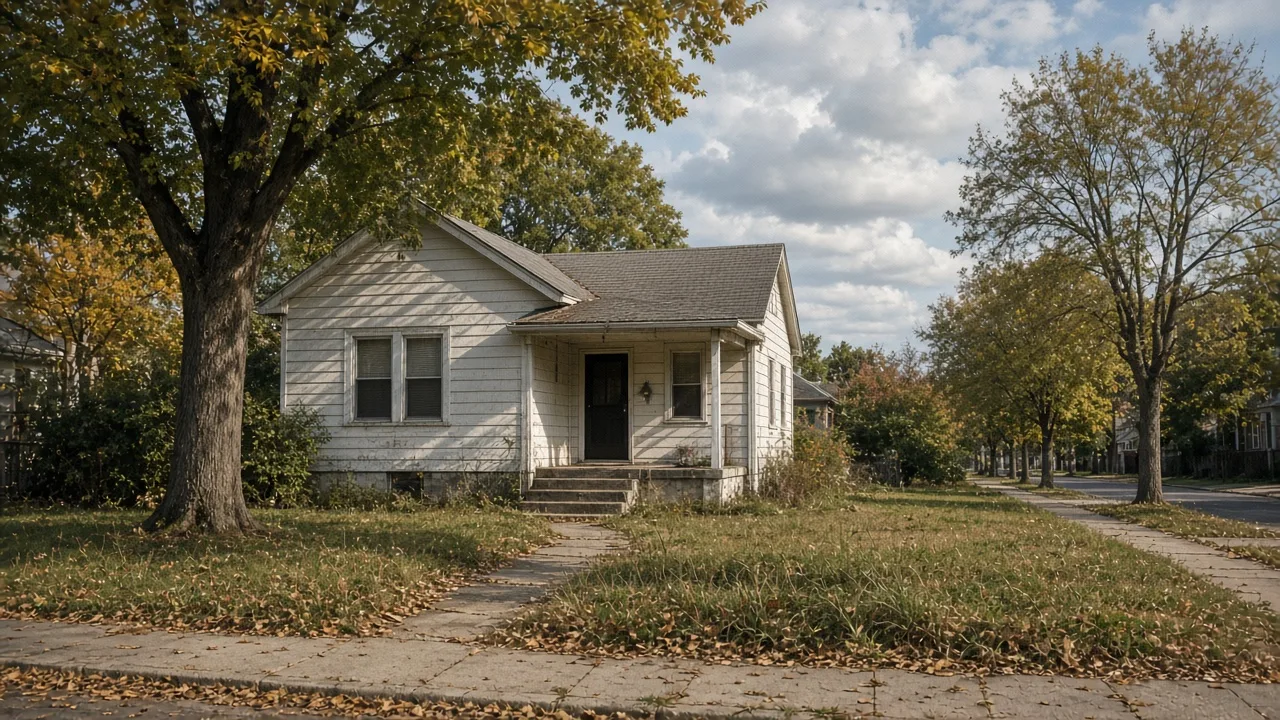
Yes, you can sell a condemned house in Philadelphia. A condemnation order from the city's Department of Licenses and Inspections (L&I) prohibits occupancy, but it does not take away your title or your right to sell the property. Condemned houses are typically sold as-is for cash to a buyer who clears the violations or tears the building down. The catch is that you have to disclose the order, and the violations, fines, and city liens follow the property, usually getting settled from the sale proceeds at closing.
Finding out the city has posted your Philadelphia property can feel like a dead end, especially if you were already trying to sell. A house that cannot legally be occupied looks impossible to unload. It is not. The city posting a property and the owner being free to sell it are two separate things, and understanding the difference is what lets you move a condemned house instead of sitting on it. Here is how selling a condemned property in Philadelphia actually works.
What Does It Mean When the City Condemns Your House?
In Philadelphia, condemnation means L&I has designated the property as unsafe or imminently dangerous under the city's Property Maintenance Code. That order typically comes after an inspection, often prompted by a service request. It prohibits people from living in or occupying the building until the problem is corrected. What it does not do is take away your ownership. You still hold the deed, the property is still yours, and you are still the person who decides what happens to it. That right to sell stays with you through the whole process.
Who Buys a Condemned House in Philadelphia?
The realistic buyers for a condemned or red-tagged property are cash buyers, investors, and flippers who are set up to deal with the condition. That is not an accident of taste; it is financing. Ordinary mortgage lenders generally will not write a loan on an uninhabitable structure, so the market that shows up for a condemned house is the market that can pay cash and take on the remediation or demolition itself. In exchange, these buyers expect the price to reflect the work ahead of them, not what the house was worth before the city posted it. You are not selling a home. You are selling a property with a known problem, and the buyer prices in the fix.
What Happens to the Violations and City Liens?
Code violations, fines, and any municipal liens attach to the property, not to you personally. That means they travel with the deed when the house sells, and a buyer who takes the property takes responsibility for clearing them. In practice they are usually settled out of the sale proceeds at closing, so the seller does not have to scrape together cash for fines out of pocket before the deal can close. What you do have to do is disclose the condemnation order and the violation history. Hiding it can come back on you later in a way that survives the sale.
How Fast Do You Need to Act?
Faster than most people expect. For an unsafe or imminently dangerous structure, the owner's appeal window in Philadelphia is just six days, compared with thirty days for a standard violation. If you ignore the order and the building is imminently dangerous, the city can act quickly, and if it has to demolish the structure and bill you for the cost, an unpaid bill becomes a lien on the property. If you choose to repair instead, you will need a Make Safe Permit, which requires a licensed contractor who is current on city taxes and carries the right insurance. None of this is quick, which is exactly why an owner who plans to sell should line up the exit before the clock runs down.
The Bottom Line
A condemned house in Philadelphia can absolutely be sold, but it sells as a property with conditions attached, not as a trouble-free home. You keep your title and your right to sell, you disclose the order, and you head for a cash buyer who prices in the repairs or the demolition. Because the fines and city liens attach to the property, they can usually be cleared from the closing proceeds rather than out of your pocket, which is why an experienced local sale matters. If your condemned or damaged property also carries an unpaid mortgage, that changes the timeline and the lender's role, and my foreclosure and short sale guidance page walks through it. For the full picture on how a distressed or hard-to-sell property is priced, marketed, and closed across Philadelphia, start with my sell my house page.
If the city has posted your house, tell me what the order says and whether you still owe a mortgage on the property. I have helped owners move condemned, vacant, and damaged homes that other agents walked away from, and I will give you a straight answer on what it is realistically worth as-is and the fastest way to sell it.