
Can I Sell a House That Needs Major Repairs in Philadelphia?

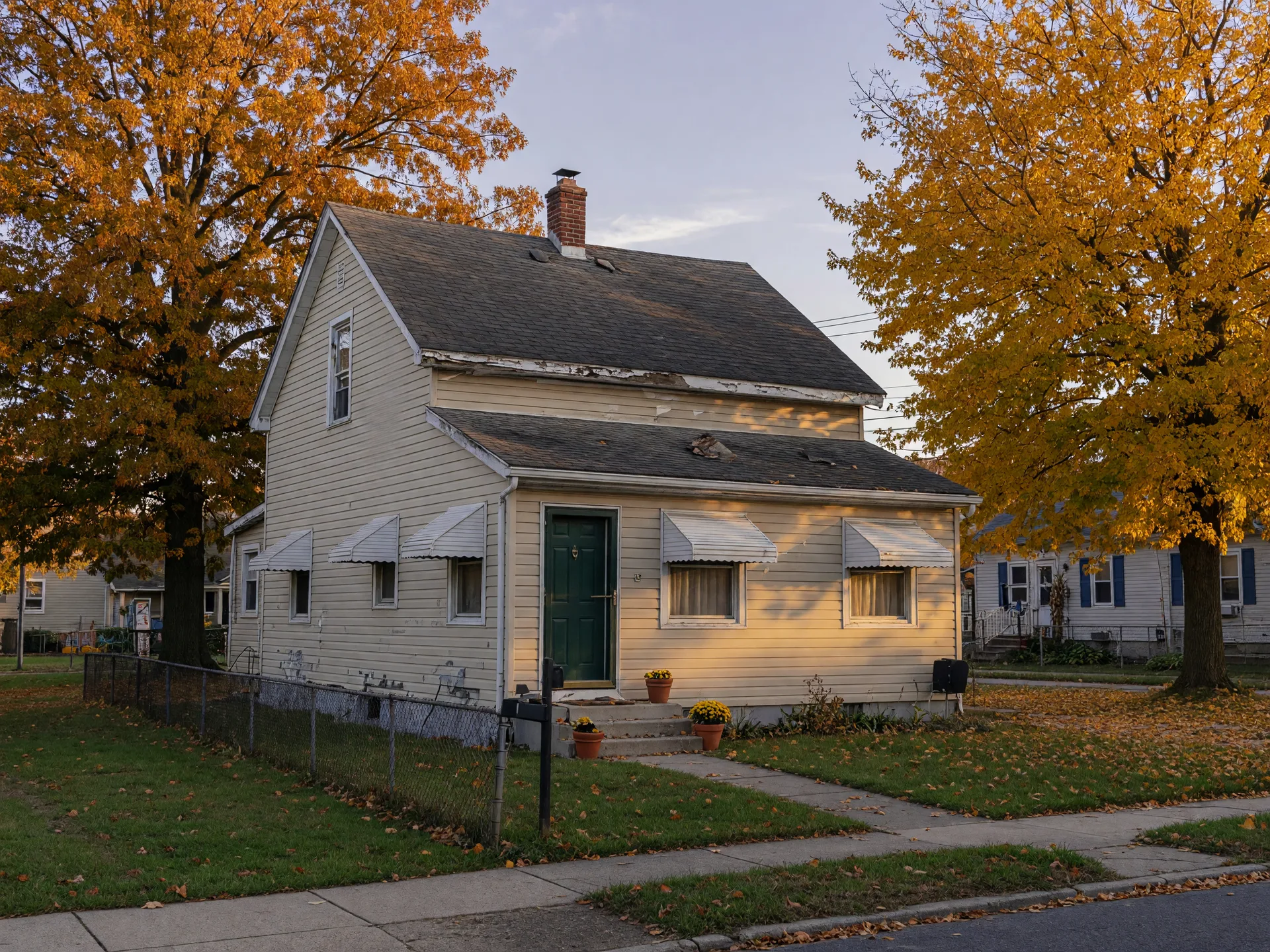
Yes. You can sell a house that needs major repairs in Philadelphia and South Jersey, and you are not required to fix everything before you list it. An as-is sale with honest disclosure and a price that reflects the condition is a legal, normal path, and for many owners it is the smartest one.
If the roof is leaking, the furnace is done, or the kitchen hasn't been touched in decades, it's easy to assume the house is unsellable. It's not. Every week in Philadelphia, homes with dated kitchens, aging roofs, and years of deferred maintenance go under contract. The real question isn't whether you can sell. It's how you sell, and at what price.
The honest version is this: buyers don't expect a fixer to look like a model home. They expect the price to match the condition. The sellers who struggle are the ones who list a house that needs work at a price that assumes it's already renovated. That mismatch, not the repairs themselves, is what kills the sale.
Do I Have to Fix Everything Before Selling?
No. Neither Pennsylvania nor New Jersey requires you to repair your home before you sell it. You can list it as-is and let the next owner handle the work. What the law does require is disclosure. Pennsylvania sellers complete a Seller's Property Disclosure Statement, and New Jersey has its own seller disclosure requirements. "As-is" means the buyer accepts the property in its current condition. It does not mean you can hide a known defect like a cracked foundation or a failing roof. Honest disclosure protects you from a dispute after closing.
What Does an As-Is Sale Actually Look Like?
An as-is listing is a normal listing with a price that reflects the work. Buyers tour the house, see the condition, factor the repairs into their offer, and negotiate from there. The buyer pool is different, and that's fine. You're marketing to renovators, investors, and buyers using renovation loans, and that pool is real and active in Philadelphia, where much of the housing stock is older and needs updating.
The key is pricing with your eyes open. A house that needs a roof and a furnace is not worth the same as the identical house down the street that's been updated. Price it like a fixer and you'll get offers from people who actually want a fixer. Price it like a renovated home and you'll get nothing but showings.
What Are My Three Real Options?
When the work is more than you want to take on, you have three honest paths:
- 01 List as-is on the open market. You skip the renovation cost entirely and accept that buyers will discount their offers for the work. Done right, with fresh marketing and a realistic price, this still reaches the broadest pool of buyers.
- 02 Make strategic repairs and sell at retail. Roof, HVAC, water damage, mold, and safety items move the needle. Cosmetic updates usually don't pay for themselves, so spend where buyers can't look past the problem.
- 03 Sell to a cash buyer or investor. The fastest and simplest path, and the right one when you need to close quickly or the property has sat vacant. Just know that cash offers typically come in below what a well-marketed open-market sale brings.
The right path depends on your timeline, your budget, and the condition of the house. Before you pick one, get two or three contractor bids and a pre-listing inspection. That turns guesswork into numbers you can actually compare.
Which Repairs Are Actually Worth Doing?
If you do fix anything, spend on what buyers can't ignore: a roof that leaks, a furnace that doesn't run, active water damage, electrical or safety hazards. These are the items that scare off financed buyers and shrink your pool. Cosmetic work, paint, flooring, a dated kitchen, rarely returns its cost in a sale. In a market where the price already reflects the condition, most buyers would rather have the discount than your taste in cabinets.
The Bottom Line
A house that needs major repairs is not a lost cause. It's a pricing problem and a marketing problem, and both are solvable. List it as-is with honest disclosure and a price that matches reality, make the few repairs that actually matter, or take a cash offer. What you shouldn't do is let the house sit while you assume no one will buy it.
The full walkthrough of selling a home that needs work, including pricing strategy, disclosure, and the marketing that gets a fixer under contract, is on my sell-my-house page, and my Philadelphia home seller guide covers the whole selling process start to finish.
If your home needs work and you're not sure whether to fix, list, or sell for cash, tell me your situation and I'll give you a straight answer on the best path. No pressure, just an honest read from someone who gets difficult homes sold.
Head to my sell-my-house page for the full breakdown of selling a home that needs major repairs in Pennsylvania and New Jersey.