
Thinking About a Short Sale for Your Home in Philadelphia?

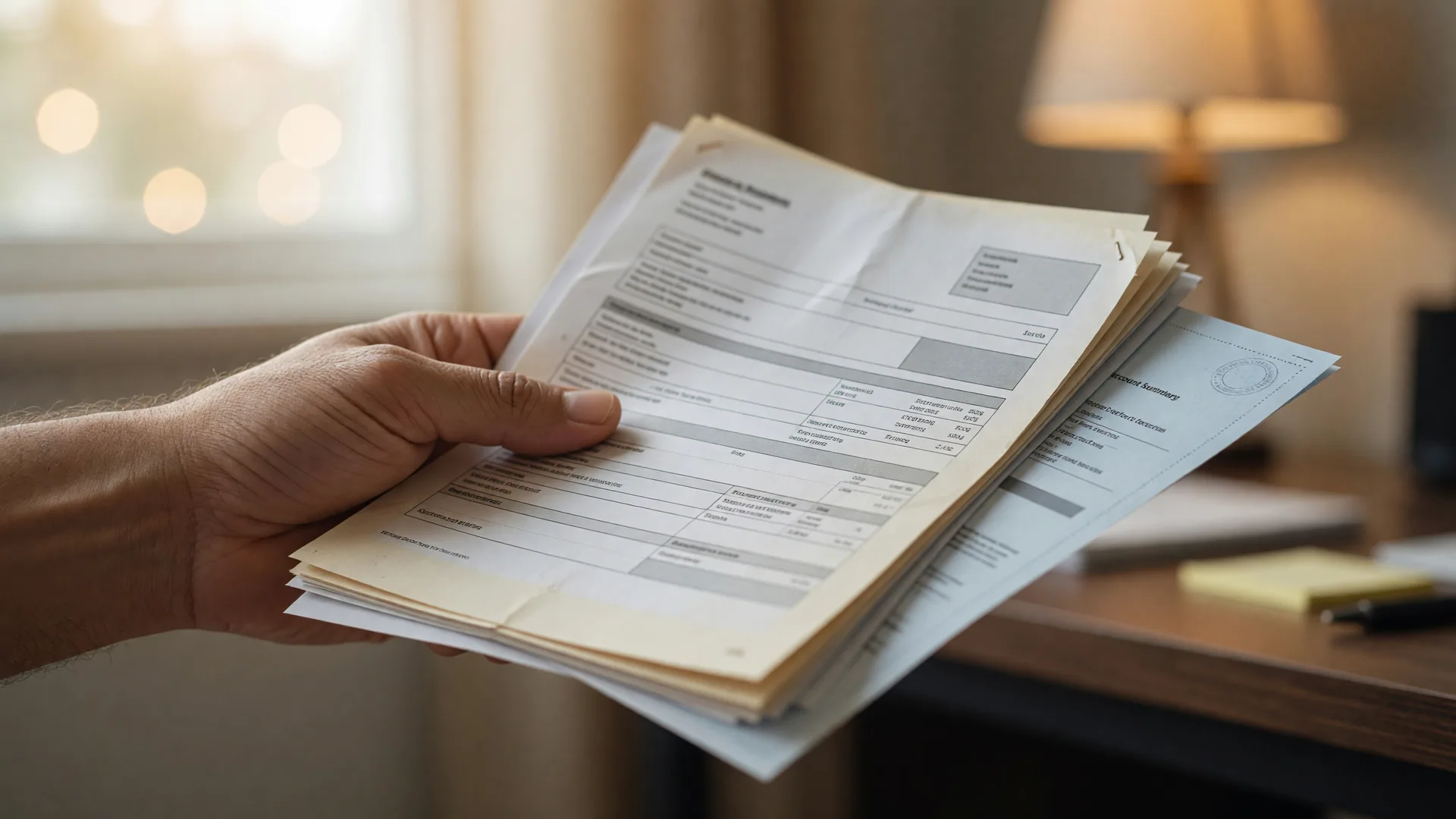
Here is the short version. A short sale means selling your home for less than what you owe on the mortgage, and your lender has to approve it. It usually comes up after financial hardship or when the home is worth less than the loan balance. It is not foreclosure. It is a sale you start, with the lender's agreement, as a way to avoid foreclosure and move forward on your own terms.
If you are a homeowner in Philadelphia and money has gotten tight, you have probably heard the words "short sale" and wondered what they actually mean. Maybe you missed a payment or two, or maybe the mortgage balance is higher than what the home could sell for right now, and someone mentioned a short sale as an option. It can sound complicated, but the idea behind it is simple. Let me walk you through it in plain terms.
A short sale is exactly what it sounds like: you sell your home for less than what you owe on the mortgage, and your lender agrees to accept that lower amount. The word "short" means the sale comes up short of the full loan balance. The detail that matters most is that your lender has to approve it, because the lender is the one accepting less than they are owed. Without that approval, it is just a sale, not a short sale.
When Does a Short Sale Come Up?
Short sales usually come up in two situations. The first is financial hardship: a job loss, a medical bill, a divorce, or any change in circumstances that makes the monthly payment hard or impossible to keep up. The second is when the home is worth less than what you owe on it, sometimes called being underwater. Often both are true at once, and together they are what lead most homeowners to consider a short sale.
A Short Sale Is Not a Foreclosure
Here is the most important thing to understand: a short sale is not foreclosure. Foreclosure is something that happens to you. A short sale is something you choose. In a foreclosure, the lender takes the home through a legal process. In a short sale, you stay in control. You list the home, a buyer makes an offer, and the lender decides whether to accept the terms. That is why a short sale can be a real way to avoid foreclosure, not a step toward it.
You Are Not Alone in This
I will be straight with you. A short sale is not the easiest road. There is paperwork, there is waiting, and the lender moves on their schedule, not yours. But for a lot of homeowners it is a genuine way out of a hard spot. People use it to walk away from a loan they cannot carry, protect what they can, and get their life moving again. If you are weighing this right now, you are not alone, and you are not out of options.
This is where having an agent who knows distressed sales changes the experience. A short sale is really a negotiation with your lender, and that is not something you should carry alone while also managing work, family, and a home. I have spent my career helping Pennsylvania and New Jersey homeowners work through exactly this. I listen to your situation first, explain your real options, and then handle the heavy lifting so the process moves forward instead of stalling.
If you want to understand what a short sale really involves before you make any decision, the Short Sale page under Seller Help on my site walks Philadelphia sellers through the process step by step. And when you are ready to talk, I am one call away. Tell me your situation and I will tell you straight whether a short sale makes sense for you, and what to do next. That is the part I love about this work: turning a hard situation into a clear plan.