
Why Didn't My House Sell When Other Homes in My Neighborhood Did?

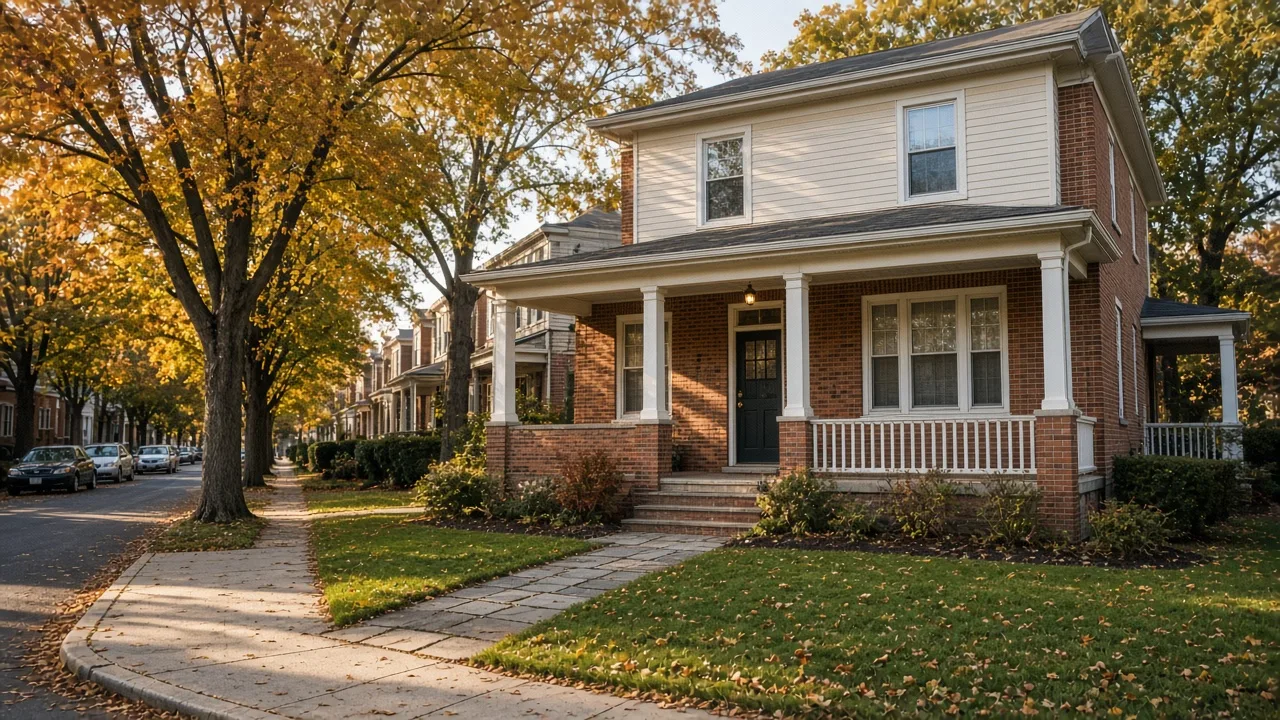
When comparable homes around you are selling and yours is not, the problem is almost never the market and almost always the listing: an overpriced number, a weak presentation, or marketing that never reached the right buyers. In a HomeLight survey, 77% of top agents named overpricing as the most common reason homes sit unsold, even in an active market. The fix starts with an honest diagnosis, because the same plan that failed once will fail again if you relist it unchanged.
The house three doors down went under contract in a little over a week. The one across the street drew offers from its second showing. Your listing, meanwhile, just ran its full term and expired. If you're a Philadelphia or South Jersey homeowner asking "why not me?", you're not alone, and the answer is usually simpler than the frustration it causes.
Why Did My House Not Sell When the Market Is Moving?
A strong market still punishes the listing that ignores what buyers actually compare. Buyers do not buy because a ZIP code is busy; they pick one house against the small handful of comparable homes it competes with. When your price sits above what similar sold homes on your block support, informed buyers scroll past and wait it out. When the listing then lingers, the market reads it as stale, and buyers start assuming something is wrong. That cycle, not the overall economy, is what expires listings in Philadelphia, the surrounding suburbs, and across South Jersey.
Is Overpricing Really the Most Common Reason?
Yes, by a wide margin. In a HomeLight survey, top agents identified overpricing as the most common error that leaves homes sitting unsold. It is also the easiest number to fix before a relaunch, because a price is not an opinion; it is a comparison against the most recent closed sales in your specific pocket of the market, not a citywide average.
Price is rarely the only issue, though. A Clever Real Estate survey found 39% of agents pointed to home condition and needed repairs, 34% to sellers who refused to negotiate, and 22% to sellers who declined to offer a buyer's agent commission. Every one of those shows up in buyer behavior before it ever shows up in the closed data, which is exactly why the showing feedback matters more than your agent's opinion.
Is It the Price, the Photos, or the Marketing? Here's How to Tell
Your showing history tells the story if you read it honestly. If buyers came through steadily but no offers ever materialized, the problem is almost always price, or condition feedback buyers shared but never put in writing. If showings were scarce from day one, the problem is exposure: bad photos, thin online presence, or a marketing plan that ended at the MLS upload. If buyer feedback keeps repeating the same phrase about updates or layout, that is presentation, and it is fixable with honest pricing, staging, or selective repairs.
You are entitled to that record. Request the full showing feedback, the online engagement data, and the marketing summary from your previous agent before you sign anything with anyone, and look at it without blame. That record is the diagnosis.
What Has to Change Before You Relist?
Everything the data points to, and nothing it doesn't. A relaunch is not the same home at the same price with fresh hope. It is a rebuilt price based on the most recent sold comparables in your neighborhood, new photography and presentation that make the home feel like a new opportunity, and active marketing that reaches buyers beyond listing portals. In Philadelphia neighborhoods from Manayunk and Roxborough to Chestnut Hill and South Philly, buyers respond to the same house when it is brought back as a fresh opportunity instead of a familiar failure.
The Bottom Line
Same price, same photos, same marketing, same agent: the market will hand you the same result. When comparable homes are selling and yours is not, the failure was in the plan, not in the property, and not in the market. Get the right diagnosis before you relist, and you give the second attempt a chance the first one never had.
The full breakdown of why Philadelphia listings expire and the step-by-step relaunch that fixes them is on my expired listing help page, and my sell my house page explains how a free valuation and a plan built around your situation gets a failed listing sold the second time.
If your listing just expired and comparable homes around you are selling, tell me your situation: the price it was listed at, roughly how many showings you had, and what buyer feedback said. I'll tell you straight which of the three it was, and what would actually change in a relaunch.