
Andre Richardson, the go-to agent for expired listings in Chestnut Hill
Expired Listing Help

Expired Listing Help
in Chestnut Hill

A smarter relist. A better result.

Chestnut Hill has charm other neighborhoods only borrow: stone houses built of Wissahickon schist, a cobblestoned Germantown Avenue, and two regional rail lines that carry buyers straight to the front door. So when a home like yours sits unsold, the neighborhood isn't the problem, the plan is. I'm Andre Richardson, a Philadelphia listing specialist with 26 years of experience, and the expired listings other agents gave up on are exactly what I do. Let me show you why your home stalled and how a smarter relist turns it around.

26 Years
Real Estate Experience
5.0
Rating from 27 Reviews
AI
Powered Marketing
PA & NJ
Licensed
01
Why It Happened

Why Your Chestnut Hill
Home Didn't Sell

Chestnut Hill is the only neighborhood in Philadelphia that made the National Register of Historic Places as an entire district, stone houses and all. Buyers here arrive educated: they know Tudor Revival from Cotswold, they know what schist construction should look like, and they tend to compare your house against the strongest stone homes on the market. That sophistication works against a listing that was never positioned for it. The specific reasons homes expire here:

  • A price that leaned on the neighborhood's prestige instead of the stone twins and detached houses that actually traded recently
  • Photography that showed rooms but never the timber details, stone walls, and period character buyers in this district are paying for
  • Lazy timing that ignored the buyers arriving on the Chestnut Hill East and West lines, whose schedule runs through the week and weekends
  • A presentation that let a remarkable house read as ordinary against the polished listings around it

The good news: every single one of those is fixable on a relist.


02
The Relaunch

A Relaunch, Not a Repeat

Relisting in Chestnut Hill is not a rerun, it's an introduction. I reset the price against the stone and timber homes that actually closed nearby, rebuild the marketing around the architecture buyers come here to find, and use AI-infused targeting to reach the specific profiles already saving Chestnut Hill searches. Then I time the relaunch so the home meets the buyers arriving by rail and by car at their weekend peak. If you want the whole sequence spelled out, the full expired seller's guide walks through every step.


03
The Agent

Why Sellers Trust Andre

By the time Chestnut Hill sellers find me, they have usually watched an open house season come and go without an offer. I bring 26 years of Philadelphia and South Jersey experience, active PA & NJ licenses, and an aggressive, AI-infused marketing plan to launch your listing, and my specialty is the house other agents couldn't sell.

“A true problem solver. I will get your home sold, period.”

See how the Sell My House process works, or read the client reviews from sellers who came to me from the same corner you're standing in.


04
Answers

Questions Expired Sellers in
Chestnut Hill Ask

Why do historic Chestnut Hill homes sometimes sit on the market while fresher listings sell fast?

Because Chestnut Hill buyers are comparing against other stone houses, not against the average listing in the city. A price that works for a typical neighborhood can sit for months here, and a tired presentation can hide the very character that justifies the value. On a relist I rebuild both the price and the story around the buyers who actually trade in this district.

How much do updated kitchens and baths matter in Chestnut Hill?

Character gets buyers to the door; functioning, believable systems get offers written. Chestnut Hill buyers accept period detail, but they still need to see kitchens and bathrooms they can live in without a gut job. I'll help you decide whether a light refresh, staging, or honest pricing is the smarter move before the relaunch.

Does the historic district designation limit what I can do to my home?

The Chestnut Hill Historic District's listing reflects real preservation expectations, and exterior work in this part of the city can require review through the city's preservation process. That is not a problem for selling, and in fact many buyers choose the neighborhood precisely because of it. What matters is that we disclose it clearly instead of letting it ambush a contract late in the game.

How do the two SEPTA rail lines change the kind of buyer I'm marketing to?

Chestnut Hill East and West give this neighborhood something most of Philadelphia can't match: two direct Regional Rail routes to Center City. That pulls in professionals from Center City along with suburban buyers who measured the commute before they ever toured. I build that convenience into the listing story and target the people who already search for rail-served blocks.

What do Chestnut Hill buyers notice most when they walk through a house?

The same things you'd notice: the condition of stone and stucco, the windows and roofline, the woodwork, and the way the house sits on a tree-lined block. Buyers here are detail readers. My re-listing photography and showing script lead with those details so the house reads as lovingly maintained, not merely for sale.

My home got showings but no offers. What does that tell me?

Showings without offers usually mean buyers liked the house but saw a gap between the price and the condition, or between the photos and reality. The showing data is gold, and I analyze it on the relist: what buyers paused at, what they asked for, and what they quietly walked away from. Then we fix those specific things.

Should I price my historic home against newer construction nearby?

No. Buyers choosing Chestnut Hill are not cross-shopping cookie-cutter construction; they are weighing one stone home against another, with condition, updates, and lot playing the deciding roles. I price against the stone twins and detached houses that genuinely closed in the district and the streets immediately around it.

My house has older mechanicals. Will that kill the sale?

Older systems are expected in houses built in a different century, and they kill deals only when they surface at the last minute. I recommend a pre-listing inspection so we know exactly what the buyer will find, then we either repair, adjust the price, or offer a credit with confidence instead of guessing.

Should I stage my Chestnut Hill home before relisting?

A tasteful presentation, physical or virtual, makes the difference between rooms and a lifestyle in this neighborhood. Staging the period details rather than erasing them, think tables set in front of stone fireplaces and light pulled through tall windows, helps buyers see themselves living here.

How soon should I act after my Chestnut Hill listing expires?

Days matter. The buyers who were watching your address have moved on to other saved searches, and a stale listing only widens their drift. I prefer to relaunch within weeks, with new photography, a fresh price, and a marketing plan that makes the home look newly discovered rather than leftover.

05
From the Blog

Chestnut Hill Expired
Listing Advice

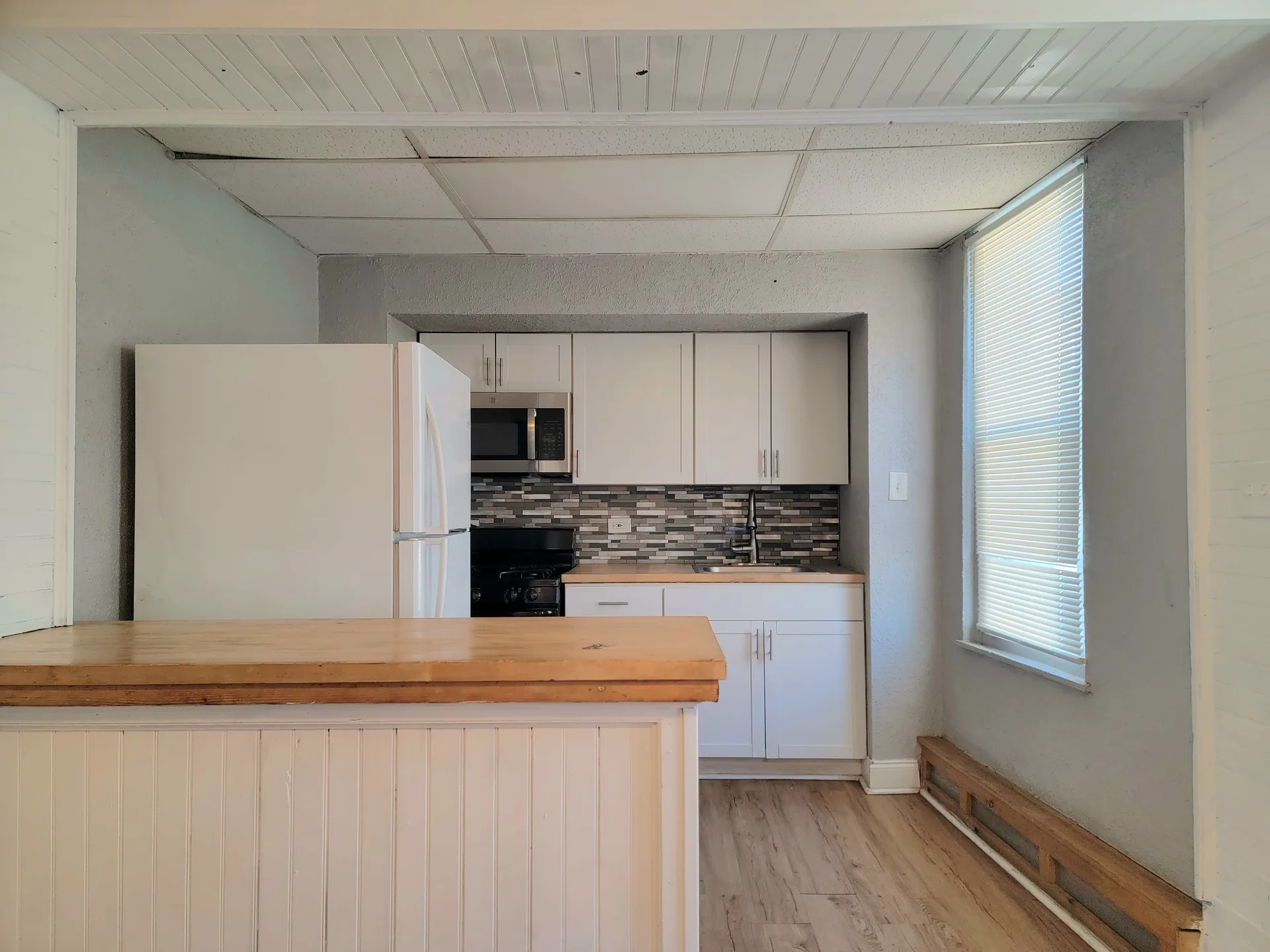
A light-filled Philadelphia kitchen with white shaker cabinets and a wood peninsula, the kind of room that turns a Saturday run to the Chestnut Hill Farmers' Market into a neighborhood ritual
Expired Listings

Does Living Near the Chestnut Hill Farmers' Market Help Sell My Home After My Listing Expired?

Yes, the Chestnut Hill Farmers' Market is one of the strongest lifestyle draws a relist in this neighborhood can name, but it does not sell the house by itself. It brings the right buyers to Chestnut Hill; price, presentation, and marketing decide whether they write an offer on your home. If the last listing expired, the market was not the cause and it is not the fix. The fix is a relist priced and presented for the buyers the market helps attract.

Your listing just expired, and the second attempt needs a story buyers have not heard before. Chestnut Hill bundles three assets most neighborhoods only get one of: the walkable village on Germantown Avenue, the park and rail access at the edges, and the weekend rhythm of the Farmers' Market. If the last listing read like a house for sale, the relist should read like a life that is already happening here.

What exactly is the Chestnut Hill Farmers' Market?

The name covers two real things. The year-round indoor market at 8229 Germantown Avenue, tucked behind the Chestnut Hill Hotel and reached through the Fareway, runs about fifteen stalls of produce, meats, poultry, baked goods, deli, and prepared food, and it was renovated in 2012 into a 7,000-square-foot food hall now called The Market at the Fareway. The outdoor Farm to City market at the corner of Germantown Avenue and Mermaid Lane, in front of the Mermaid Inn, opens every Saturday morning year-round with Pennsylvania farms selling direct. For a buyer, the grocery run here is a neighborhood event, not an errand.

Why would a buyer care where you shop?

Buyers who tour Chestnut Hill are not looking at a house in a vacuum. They are weighing the commute on the Chestnut Hill East or West lines, the walk to the shops on Germantown Avenue, and a Saturday routine the whole household can look forward to. The market is the concrete version of that routine: fresh produce and a bakery, good coffee, the same neighbors on the same corner every week. Naming it in the listing tells buyers the block has a center of gravity, and that the house sits in a real village rather than a bedroom street with a strip mall a car ride away.

If the market helps, why did my Chestnut Hill home expire anyway?

Here is the honest part: every buyer who already toured your home knew about the market, so the market never set your house apart from the one next door. Listings expire in Chestnut Hill for the same three reasons they expire anywhere in Philadelphia: the price was set against the wrong homes, the presentation hid the character buyers in this district pay for, or the marketing never reached the buyers already saving Chestnut Hill searches. The market pulls people into the neighborhood; it cannot fix any of those three.

How do I market the market when I relist?

Be specific, because generic copy gets skimmed. If the indoor market is a real walk from your door, say so with the walk: two blocks to the Farmers' Market at 8229 Germantown Avenue. If your block sits near Mermaid Lane, name the Saturday market and the Mermaid Inn corner. Shoot the route between the house and the village so buyers see the tree canopy and the storefronts for themselves. And aim the relaunch at the buyers who already save village and rail-served searches, the same audience the Chestnut Hill neighborhood guide explains in detail. Price the relist against the stone homes that have actually closed near your block, and the whole sequence from pricing to launch timing is on my expired listing help page for Philadelphia sellers.

The short version: the market is part of why the buyers touring Chestnut Hill are here at all, so on the relist it belongs in the story, where it can move a decision, not in the apology list. If your listing just expired and you want the second attempt built around the things that actually bring buyers to this neighborhood, tell me your situation. I will pull the closed sales from your side of the neighborhood, rebuild the presentation around the village life your block already has, and relaunch with marketing aimed at the buyers saving Chestnut Hill searches. Call 267-977-0304 or book a free consult.
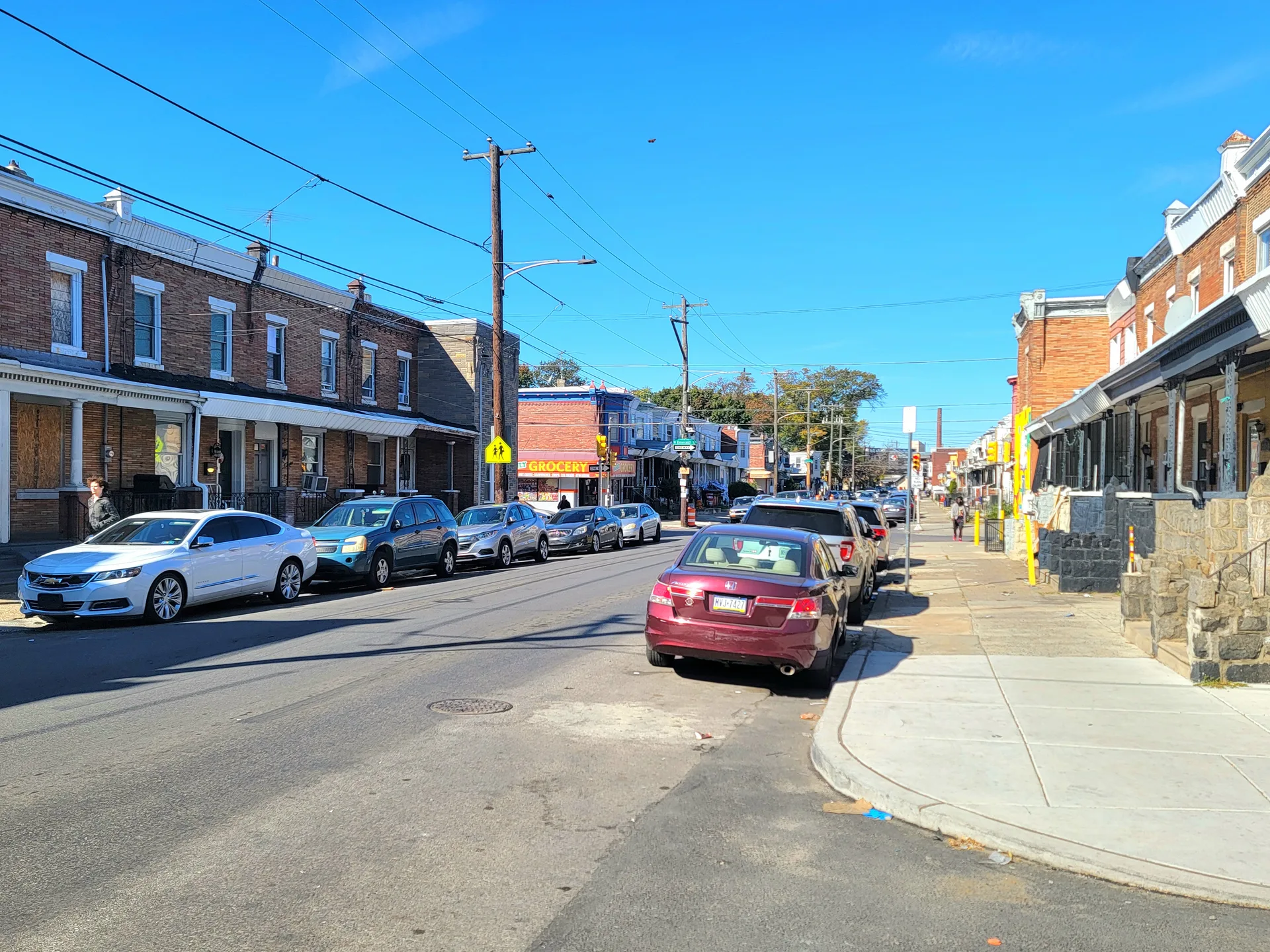
A residential Philadelphia street lined with brick porches and tree-lined sidewalks, the kind of block where the walk to the village or the rail line can move a Chestnut Hill price
Expired Listings

Why Do Chestnut Hill Home Prices Vary So Much From Block to Block, and How Do I Price My Relist?

Because Chestnut Hill is not one market. The 19118 ZIP code bundles several micro-markets, and the price of any single home is set block by block by the housing type, the walk to the village on Germantown Avenue, the two rail lines, and the park edge. If your listing expired, the most likely technical cause is a price built from the wrong span of data, so the relist needs block-level comps, not a ZIP-wide median.

Your Chestnut Hill home just came off the market, and the rational side of you wants to do what every listing tool suggests: find the median sold price for 19118 and price near it. That is exactly the mistake. Chestnut Hill has no single median in any practical sense. Lenders who work the Wissahickon neighborhoods describe a spread of more than $600,000 depending on which side of Germantown Avenue a house sits, and agents who sell this district describe comparable stone homes varying by $50,000 to $100,000 or more from one block to the next. The number a ZIP-wide search returns tells you almost nothing about your house.

Is Chestnut Hill really more than one market?

Yes, and brokers who work 19118 say so plainly: Chestnut Hill is a set of micro-markets running from the quieter residential pockets to the park-adjacent streets. The village along Germantown Avenue anchors the walkable middle, the Wissahickon Valley Park forms the western edge, and the Chestnut Hill East and West rail lines carry commuters into Center City from two directions. Each of those draws changes what the house next door is worth, often by more than the last listing attempt accounted for. The Chestnut Hill neighborhood guide walks the district block by block so you can see where your street sits in it.

Why do two similar-looking Chestnut Hill homes sell for very different prices?

Housing type is the biggest driver, and it operates street by street. Stone homes built of Wissahickon schist on large, tree-filled lots sit at the top of the market. Along the Germantown Avenue corridor, condominiums, often converted Victorians and carriage houses, are the entry point, and attached homes trade at a different level again. Then the location premiums stack on top: the walk to the shops, the minutes to a rail platform, and the streets that back up to the Wissahickon all move the number. Two houses built from the same stone can sit ten minutes apart and justify very different prices.

How do I know if my expired listing was priced against the wrong comps?

Ask what the old price was actually built from. If it leaned on a neighborhood median, homes on the other side of Germantown Avenue, or a few park-adjacent trophy sales, it was set against the wrong houses even if the agent called it market value. The right comparables are the same housing type, on the same side of the Avenue, with a similar walk to the village and the rail and a similar lot. And the data goes stale: more homes have been coming on the market in 19118 than a year ago, so sales from before your listing term are not a pricing guide for the relist.

How should I price my Chestnut Hill relist?

Build the number from fresh, block-level closed sales of comparable homes, and set the list price inside the range those sales support rather than at the top of it. Pair that with the fixes from the last attempt: new photography that shows the period detail, a presentation that answers the showing feedback, and marketing aimed at the buyers who already save searches on your side of the neighborhood. The full relaunch sequence, from assembling the right comps to launch timing, is laid out on my expired listing help page for Philadelphia sellers, and the cut-the-price-versus-relist comparison covers whether a price change alone is ever the right move.

The short version for Chestnut Hill: the neighborhood rewards block-level thinking, and pricing a relist is no different. If your listing just expired and you want to see where your home actually lands against the sales on your block, tell me your situation. I will pull the closed sales from your side of the neighborhood, show you the defensible range, and build the relist so the second attempt starts at a number the market agrees with. Call 267-977-0304 or book a free consult.
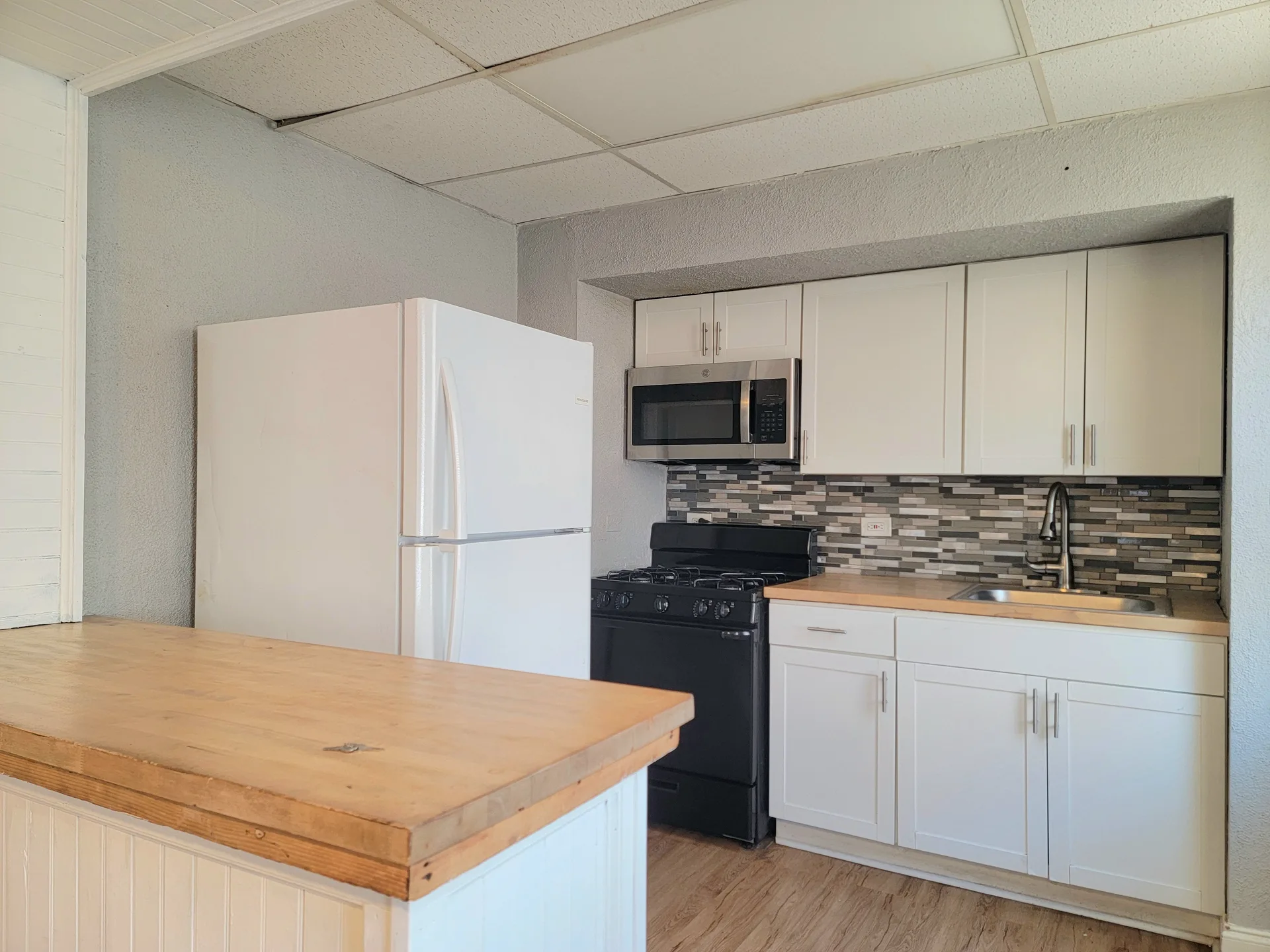
A renovated Philadelphia kitchen with white shaker cabinets and butcher-block counters, the kind of interior update that moves on your schedule while exterior work on a Chestnut Hill home goes through city review
Expired Listings

Do I Need Historical Commission Approval to Make Exterior Changes Before Relisting My Chestnut Hill Home After My Listing Expired?

Yes, if your house is on the Philadelphia Register of Historic Places, which is the list that actually triggers city review in Chestnut Hill. Most exterior work, from window replacement and roofing to repointing and fences, has to be reviewed by the Philadelphia Historical Commission before it starts, and you request that review as part of the city's building permit application. The review is free; the approval is a step in the process, not a fee.

Your Chestnut Hill listing just expired, and the advice arriving from every direction is the same: fix the roof, replace the windows, repaint the trim, and give buyers something new to look at. In most of Philadelphia that is a simple errand. In Chestnut Hill it runs straight into a process most sellers have never planned for, because much of this neighborhood is a historic district and some of its homes sit on the Philadelphia Register of Historic Places, where exterior changes need approval before work begins.

Is my home one the city reviews?

Start with the distinction that confuses a lot of sellers. The Chestnut Hill Historic District was listed on the National Register of Historic Places on June 20, 1985, and it covers the Chestnut Hill section of the city, roughly the area that matches ZIP 19118, from the Northwestern Avenue area on the north down to the Cresheim and Wissahickon edges. The National Register listing is honorific, and by itself it requires nothing from you. The local requirement comes from the Philadelphia Register of Historic Places, and homes on that register need Historical Commission approval for exterior work. Before you schedule anything, confirm your property's exact status with the city, because the two registers are not the same thing. The Chestnut Hill neighborhood guide explains why the district is part of what buyers here are paying for; the approval process is the other side of that coin.

What kind of work needs approval?

Under the Historical Commission's project review, the list is broad: construction, alteration, and additions; windows, doors, shutters, and garage doors; porches, steps, ramps, decks, balconies, and railings; fences, walls, gates, and driveways; siding, roofing, and flashing; exterior lighting, wiring, and mechanical equipment; awnings and signage; and masonry cleaning, painting, repointing, repair, or removal. Interiors are reviewed only when the interior itself is listed, which is not the case for most Chestnut Hill houses. That split is useful for a relist: the kitchen and bath refresh you are weighing moves on your schedule, while new windows and repointing run on the city's.

What does the review cost, and how long does it take?

The review itself is free. You request it as part of the building permit application, and Commission staff can approve projects that fall within their authority. Larger work, like major alterations or new construction, goes before the Commission's Architectural Committee, which meets publicly with notice posted on the property and recommends a decision to the full Commission. Approvals often carry conditions: match the historic materials, follow the Secretary of the Interior's Standards, repair before replacing. In Chestnut Hill, applicants typically also present to the Chestnut Hill Community Association's Development Review Committee for comment, and the Chestnut Hill Conservancy's Historic District Advisory Committee offers preservation input. For a seller the practical lesson is simple: the closer the project stays to the house's original materials and details, the faster it clears.

How do I plan the relist around the process?

Start with the showing data from the expired listing, not with a wish list. If buyers passed because the windows looked tired and the paint was peeling, the fix belongs outside, so open the approval file before you commit to a launch date. The review rides on the permit timeline, and an approval still pending during a buyer's inspection window is the kind of delay an expired listing can't afford. If buyers passed on price or layout, the faster moves are the interior ones, which face no exterior review at all. Either way, price the relist against the stone homes that have actually closed in 19118 and photograph the period detail that buyers here expect. The full reset, from pricing to launch timing, is laid out on my expired listing help page for Philadelphia sellers.

Here is the part sellers miss: the approval question should not become a reason to do nothing. The historic rules do not block change in Chestnut Hill; they steer it toward work that fits the house, which is exactly what buyers in this district are paying for. If your listing just expired and you are weighing what to change before the relaunch, tell me your situation. I will help you separate the fixes that need city review from the ones that move fast, and give you a straight read on whether price, presentation, or marketing was the real problem. Call 267-977-0304 or book a free consult.
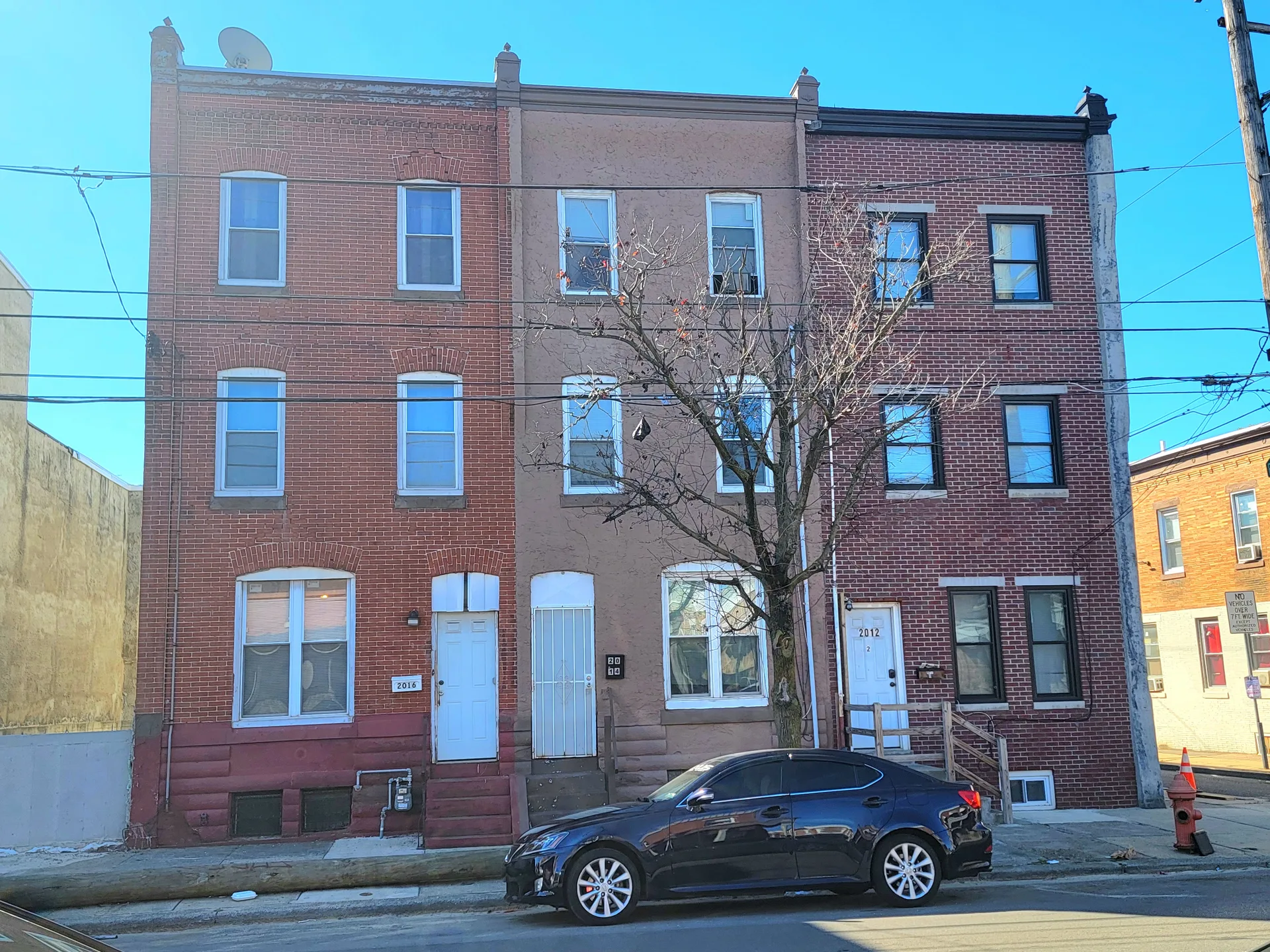
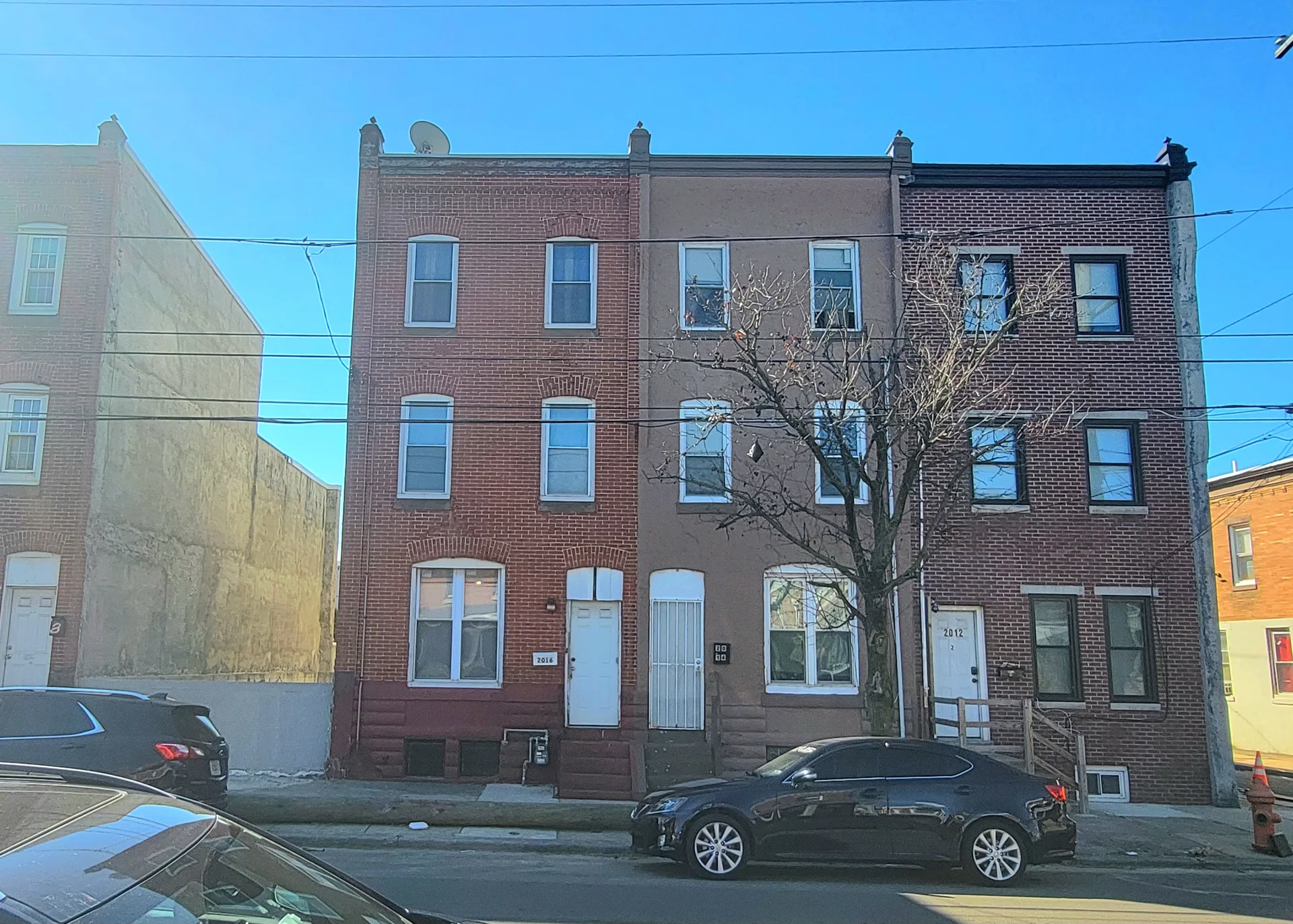
Three attached brick and stucco rowhomes under a bare late-autumn tree, the kind of tree-lined block near Chestnut Hill's gardens that buyers weigh on a relist
Expired Listings

Does Living Near Morris Arboretum Help Sell My Chestnut Hill Home After My Listing Expired?

Yes, Morris Arboretum is one of the strongest selling points a Chestnut Hill listing can hold, but it will not sell the house by itself. The arboretum brings buyers to the neighborhood; price, presentation, and marketing decide whether they write an offer on your particular home. If your listing expired, the cause is almost always one of those three, and the relist has to fix the real problem while using the arboretum as the amplifier, not the excuse.

Your Chestnut Hill listing just expired, and the frustration is doubled because the neighborhood is genuinely desirable. Buyers come to this part of northwest Philadelphia for stone houses and tree-lined streets, and some of the most recognizable green space in the city sits at the neighborhood's edge: the Wissahickon Valley to the west, the shops along Germantown Avenue, and Morris Arboretum & Gardens at 100 East Northwestern Avenue. So the honest question is fair. With all of that around your house, why did buyers pass?

Why do Chestnut Hill buyers care about Morris Arboretum?

Morris Arboretum is the official arboretum of the Commonwealth of Pennsylvania, operated by the University of Pennsylvania. The estate began in 1887 as Compton, the summer home of siblings John and Lydia Morris, who gave it to the university, and it opened to the public in 1933; the grounds were added to the National Register of Historic Places in 1978. Buyers know it for specific, repeatable days out: the Out on a Limb canopy walk that rises about 50 feet into the tree tops, the seasonal Garden Railway that draws families through the holidays, and 92 acres of gardens holding more than 12,000 labeled plants representing over 2,500 species. That is not a vague green space. It is a destination people plan visits around, and a home within a walk of it carries that association straight into the listing.

Who does the arboretum bring to Chestnut Hill?

The buyers it pulls are the ones every relist in 19118 wants to meet. Empty nesters giving up a big suburban yard, but not the habit of spending a Saturday morning among gardens, talk about this neighborhood differently. Relocating professionals and retirees who commute to Center City on the Chestnut Hill East and West lines like having real green space at the end of the street. And garden-minded buyers who might never have looked at Philadelphia at all discover the city through the arboretum and the Wissahickon, then start saving Chestnut Hill searches. The wider the pool that sees your relist, the more work your price can get out of it.

If the arboretum helps, why didn't my Chestnut Hill home sell?

This is the part sellers miss. Every buyer who toured your house already knew about the arboretum, so proximity never differentiated your home from the stone house next door. Buyers choose Chestnut Hill first, then compare price, condition, and presentation block by block. A listing expires for the same three reasons here as anywhere else: the price was set against the wrong houses, the presentation hid what buyers in this district actually pay for, or the marketing aimed at everyone and reached no one. The arboretum gets buyers to the neighborhood. It cannot fix any of those three.

How do I market the arboretum connection when I relist?

Make it specific and keep it honest. Name the walk in the listing copy, minutes from Morris Arboretum on Northwestern Avenue, and let the photography show the tree-lined block in the season you launch. The Garden Railway draws crowds through the holidays, fall color peaks in October and November around the Wissahickon, and a line about the weekday visit a buyer could make reads as lifestyle, not puffery. Aim the marketing at people who already save green-space searches near 19118, and pair the arboretum with the two rail lines and the village along Germantown Avenue so the relaunch reads as new instead of leftover. The full reset, from pricing to launch timing, is laid out on my expired listing help page for Philadelphia sellers, and the Chestnut Hill neighborhood guide walks the district block by block.

The short version for Chestnut Hill: living near Morris Arboretum is a real advantage, and it belongs in the relist story. It is just not the story by itself. If your listing just came off the market and you want a straight read on which of the three, price, presentation, or marketing, was the real problem, tell me your situation. I will review the last listing and the showing data, confirm the neighborhood facts for your address, and build the relist that gets it sold. Call 267-977-0304 or book a free consult.
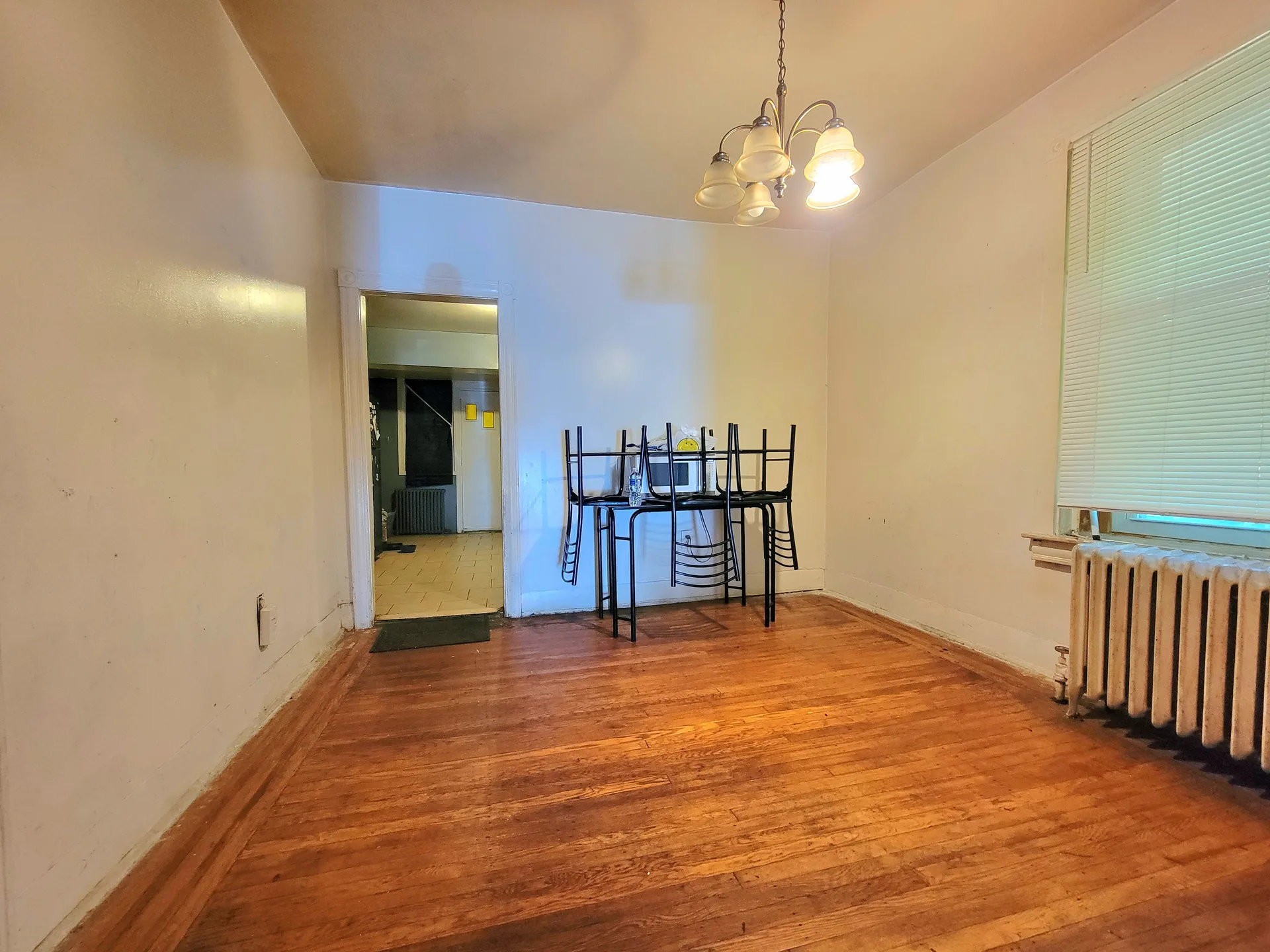
A row of brick and stucco townhouses on a sunny Philadelphia block, the kind of well-kept street families weigh when they tour a Chestnut Hill home and check the school assignment
Expired Listings

Do School Boundaries Matter When I Relist My Chestnut Hill Home After My Listing Expired?

Yes, school boundaries matter to Chestnut Hill buyers, and the assigned school is one of the first things a family verifies before they book a showing. But the boundaries are not why your listing expired. A Chestnut Hill home fails to sell because the price missed the market, the presentation missed the buyers, or the marketing never reached them, and the school story only helps once the rest of the relist is fixed.

Your Chestnut Hill listing just expired, and the school question is the one neighbors and family keep bringing up: isn't the school situation part of why it sat? It deserves a straight answer, because schools in 19118 work differently than they do in most of the city. Chestnut Hill is not one famous school district; it is an address-based catchment inside the School District of Philadelphia, and the school that serves your address is one of the first facts a parent checks before they ever schedule a tour.

Which schools actually serve Chestnut Hill, Philadelphia?

Every Chestnut Hill address sits inside the School District of Philadelphia, and the district assigns schools by address, not by ZIP code. For much of the neighborhood, the assigned K-8 school is John Story Jenks School, also called Jenks Academy for the Arts and Sciences, at 8301 Germantown Avenue. Jenks is an International Baccalaureate World School and a National Blue Ribbon School, and many Chestnut Hill families walk their children there from the surrounding blocks. The zoned high school for the area is The Academies at Roxborough, also known as Roxborough High School, at 6498 Ridge Avenue, with district options like Lankenau Environmental Science Magnet High School nearby. Because catchments can shift street by street, the assignment for your exact address is what matters, and the School District of Philadelphia School Finder is the official way to confirm it.

Do school boundaries change what buyers pay for a Chestnut Hill home?

The boundary decides which families look at your block, and that is real value. A stone house in a catchment families want holds a wider pool of buyers, and the walk-to-school blocks around Jenks are a genuine selling point for parents who commute on the Chestnut Hill East or West line into Center City. What the boundary does not do is set the price on a relist. Homes on the same street, with the same assigned school, close at different numbers based on condition, updates, and how the listing is marketed. School boundaries get families in the door; they do not write the offer.

If the schools are fine, why did my Chestnut Hill listing expire?

The same three reasons listings expire across Philadelphia, and none of them is the school boundary. The price was set against the wrong houses, the presentation hid what buyers in this district actually pay for, or the marketing aimed at everyone and reached no one. Chestnut Hill buyers are specific people: parents weighing the walk to Jenks and the village along Germantown Avenue, professionals riding the rail lines, and downsizers trading a suburban lawn for the neighborhood's stone and green. A relist that names the school honestly and aims at those buyers fixes the part that expired.

How do I handle schools when I relist my Chestnut Hill home?

Start with verification, not vibes. Confirm the exact catchment for your address with the School District of Philadelphia School Finder before anything goes in writing, then state the assigned school plainly in the listing and the seller's disclosure. If your address feeds Jenks, its International Baccalaureate and Blue Ribbon designations are facts worth printing. Keep the school talk proportional: buyers verify the assignment themselves, and an overplayed school story reads as a listing with nothing else to say. Pair the school facts with the walk, the rail commute, and the block itself, and price against the stone homes that have actually closed near you. The full reset, from pricing to launch timing, is laid out on my expired listing help page for Philadelphia sellers, and my Chestnut Hill neighborhood guide walks the district block by block.

The short version for Chestnut Hill: the school boundary is a real factor in who tours your home, and it deserves to be handled honestly and early. It is not the reason the last listing expired, and it cannot fix a relist that misses on price, presentation, or reach. If your listing just came off the market and you want a straight read on which of those three was the real problem, tell me your situation. I will look at the last listing and the showing data, confirm the school facts for your address, and build the relist that gets it sold. Call 267-977-0304 or book a free consult.
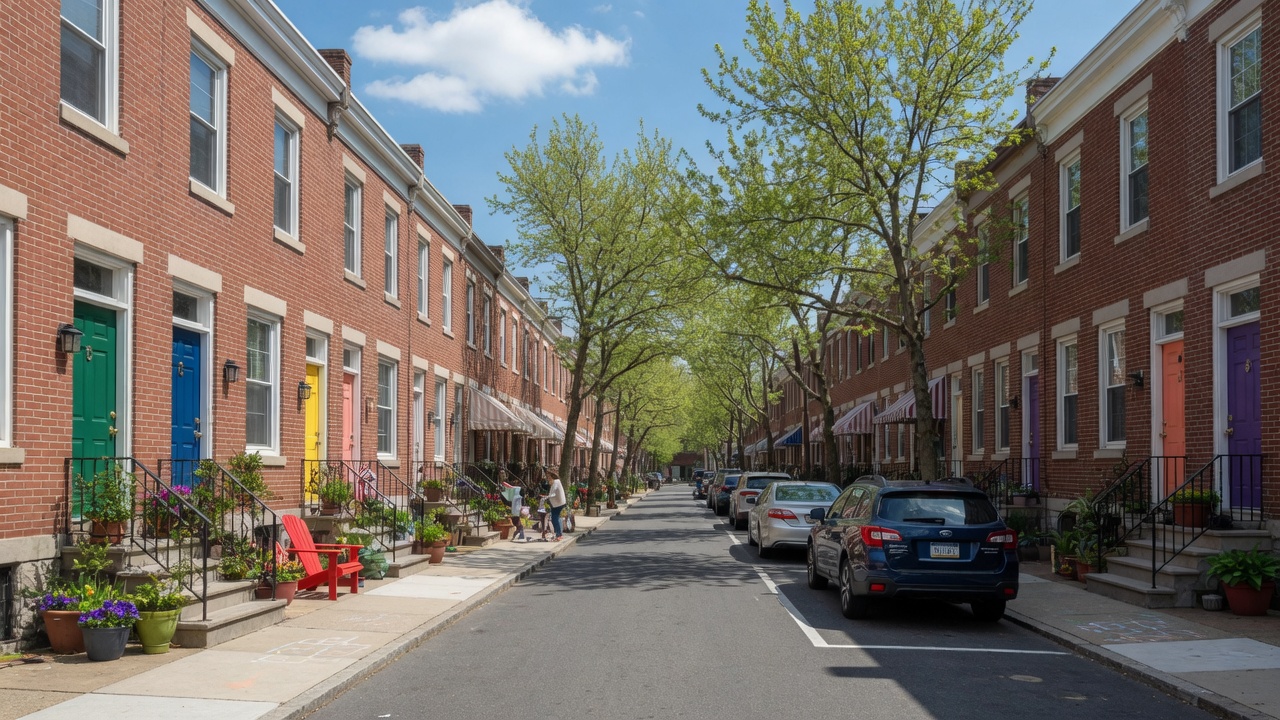
A period dining room with hardwood floors and a chandelier in a Philadelphia home, the kind of original detail that shapes how an appraiser values a Chestnut Hill stone house
Expired Listings

Will the Appraisal Come in Low on My Chestnut Hill Home After My Listing Expired?

It can, and the risk deserves a straight answer, because most Chestnut Hill homes are one-of-a-kind stone houses with a thin trail of true comparable sales. But a low appraisal does not have to sink the sale. Price the relist inside the range that similar Wissahickon schist homes have actually closed for in 19118, and if a report still comes in below the contract price, the fixes are well understood: renegotiate to a number the appraisal supports, have the buyer cover the gap, or challenge the report with the closed sales an appraiser may not have had.

Your Chestnut Hill home ran a full listing term without an offer and expired. Now you are planning the relist, and the question hiding under the paperwork is the one nobody can answer with certainty: will the bank's appraiser see what the buyer saw? It is a fair worry, and it is a Chestnut Hill worry. This is not a neighborhood of cookie-cutter houses. Much of it sits in the National Register-listed Chestnut Hill Historic District, and the housing stock is Wissahickon schist in styles that run from Tudor Revival and Colonial Revival through a strong run of mid-century modern. When nearly every house on the street is different, comparable sales are genuinely scarce, and scarce comps are exactly where low appraisals come from. If you want the full picture of what buyers in this district are weighing, my Chestnut Hill neighborhood guide walks the neighborhood block by block.

Why would an appraiser value my Chestnut Hill home below the contract price?

Appraisers build their number from closed sales of comparable homes, and 19118 sells only a handful of homes a month, with one or two large sales able to move the neighborhood median. With few true matches, the range of defensible values widens, and the lender will only finance up to the appraised figure. Add the realities of this district, preservation limits on what can be changed and the ongoing cost of maintaining century-old systems, and appraisals here tend to land on the conservative side. None of that means your house is not worth what a buyer will pay. It means the proof has to be assembled on paper, with the right closed sales in hand, instead of left to a single appraiser's judgment.

How do appraisers find comparables for a one-of-a-kind Chestnut Hill stone home?

When the immediate block has nothing to compare, experienced appraisers widen the net. For unique period homes they expand the search to other parts of Northwest Philadelphia and to other historic districts with similar architecture, they use older sales of comparable stone homes with a supported time adjustment when recent sales are thin, and they fall back on the cost approach as a secondary check. The appraisers who handle this neighborhood well are specialists who weigh style, materials like schist, and authenticity rather than standard features. That specialty matters at the closing table, and it is one more reason the relist should be priced and presented by someone who knows what this district's sales actually defend.

What happens if the appraisal comes in low?

The contract does not automatically die. The lender caps the loan at the appraised value, so the buyer can make up the difference in cash, the two sides can renegotiate to a number the appraisal supports, or the report can be formally challenged with additional closed sales. Which path wins usually comes down to how much cushion the price had built in and how organized the seller's data is. A price that started at the top of the defensible range leaves almost no room. A price that sits inside the range, with the recent stone-home sales documented, rarely turns an appraisal into a renegotiation.

How do I price my Chestnut Hill relist so the appraisal is not a fight?

Price against closed sales, not against the old list price and not against a website estimate. Recent market data for 19118 shows more homes for sale than a year ago, with active inventory roughly double what it was, more months of supply, and a longer stretch between listing and agreement. In a slower, deeper market, the relist that closes is the one priced inside the range the comparable stone sales support, with the period detail photographed and the systems presented as maintained. That is not a concession; it is a price built from evidence, and it keeps the appraisal from becoming the second reason your home does not sell. My comparison of cutting the price versus a fresh relist covers when a price change alone is the right move, and the full relaunch sequence from pricing to launch timing is on my expired listing help page for Philadelphia sellers.

The short version for Chestnut Hill: appraisals are a known risk in this neighborhood, not a lucky draw, and the way to handle them is before the relist goes live, by pricing the home inside the range the recent stone-home sales support and documenting every comparable. If your listing just expired and you want to see where your price lands against what has actually closed in 19118, tell me your situation. I will pull the closed sales, show you the range an appraiser is likely to work from, and build the relist so the second attempt ends at settlement instead of at the appraisal table. Call 267-977-0304 or book a free consult.
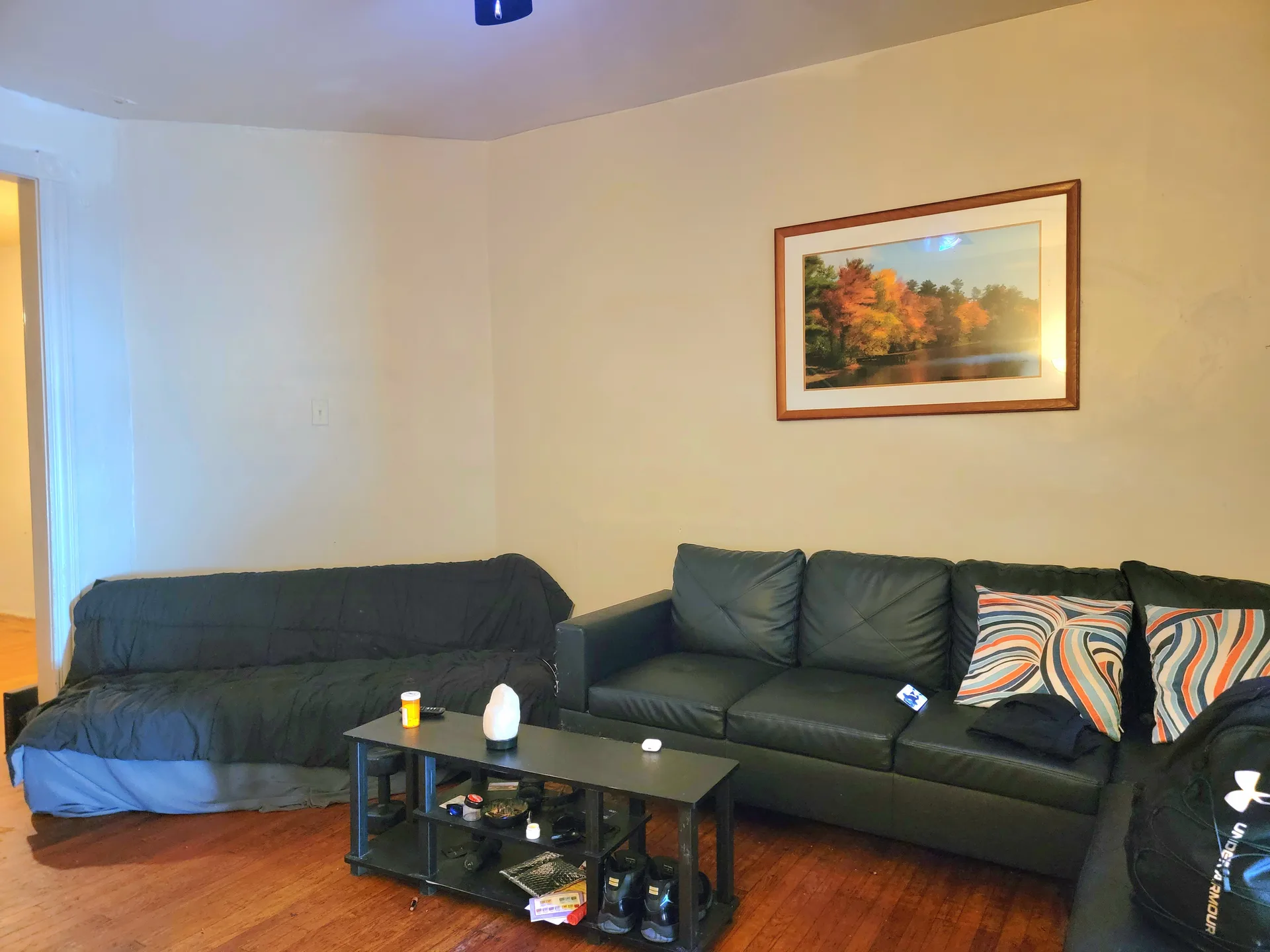
A clean residential street lined with well-maintained brick homes in Philadelphia on a sunny afternoon
Expired Listings

Will Anyone Buy My High-Priced Chestnut Hill Home After My Listing Expired?

Yes. High-priced Chestnut Hill homes are selling, and there is a real buyer pool at the top of the Philadelphia market. The pool at that level is smaller and pickier, so the listing has to be built for it: the right price against closed sales, presentation that proves the home belongs there, and marketing aimed at the buyers who already want this district. Recent reporting shows fresh, well-priced listings in 19118 going under agreement in about two to three weeks, while dated or overpriced homes sit longer and eventually expire. If your listing just expired, the question is not whether a buyer exists for your home. It is whether your relist is built to reach that buyer.

Your home is at the expensive end of the Chestnut Hill market, the listing ran its course without an offer, and now the worry is louder than the anger: who is left to buy a house at this level? It is a fair question, and it is the one I hear most from sellers of the neighborhood's larger stone homes. Here is the honest version. The market around 19118 is split in two right now. Fresh listings priced against what stone homes have actually closed for are moving fast, sometimes in a matter of weeks. Homes that went stale, overpriced, or under-marketed are sitting longer, and when a listing expires, it usually comes from the second group. Where your home lands on that split is a decision, not a verdict on the house.

Who actually buys high-priced homes in Chestnut Hill?

There is a real buyer pool for this end of the market, and it is not random. It is made up of people who decided they want this district before they ever toured: professionals who ride the Chestnut Hill East or West line into Center City in about half an hour, city buyers trading a smaller home elsewhere for more space in a walkable village, and relocating or downsizing buyers from outside Philadelphia who chose 19118 for its stone architecture, the shops on Germantown Avenue, and the Wissahickon green at the neighborhood's edge. They are buyers who saved Chestnut Hill searches and know the difference between a stone home that has been cared for and one that has simply been lived in. The practical result: you are not selling to the whole city. You are selling to a specific, smaller group, and that changes how the relist should be built.

Why did my high-priced Chestnut Hill home expire while other listings sell?

Short version: the top of this market gives buyers leverage and leaves no room for mistakes. Agents who work the neighborhood describe more Chestnut Hill inventory than they have seen in a long time, and citywide data from the same stretch shows roughly six in ten homes selling below their original asking price while about one in five sellers cut their price. When buyers have that kind of choice, a home that is priced a half-step high, photographed poorly, or marketed to everyone generally ends up marketed to no one. On top of that, the higher price tier carries more months of inventory than the rest of Northwest Philadelphia, so each miss costs more time. That combination, not the value of the house, is what expires listings.

What has to change before I relist at a high price?

Three things, in order. Price first: the number has to come from the stone homes that have actually closed at your level in 19118, not from the old list price. Presentation second: a listing at this level has to prove it belongs there, with fresh photography, staging that shows the period detail, and systems that read as cared for, because buyers who can afford this tier are the least forgiving of a tired showing. Marketing third: the relaunch should reach the specific people who already want Chestnut Hill, not the broad market, and it has to look like new news instead of a repeat of a listing buyers already scrolled past. The whole sequence, from pricing to launch timing, is laid out on my expired listing help page for Philadelphia sellers.

How long should a high-priced Chestnut Hill home take to sell?

As long as it takes to match the right buyer, and that can be longer than the neighborhood's mid-range. That is not a reason to panic, and it is not the same as unsellable. The top of the market moves on a different rhythm: fewer qualified buyers, bigger decisions, more steps between offer and closing. What matters is that you do not bleed months on a half-fixed relist. Set the price level, present the house at that level, and market to the right pool, and the waiting time is productive instead of wasted. If you want the full picture of what draws these buyers in the first place, my Chestnut Hill neighborhood guide covers the district block by block.

The lesson from every high-priced Chestnut Hill expiration I have worked is the same: the house almost never lacked a buyer. The relist lacked a plan built for that buyer. If your Chestnut Hill home expired and you want to know whether the number, the presentation, or the marketing was the real problem, tell me your situation. I will read the last listing, look at the showing data, and tell you honestly what has to change. Call 267-977-0304 or book a free consult.
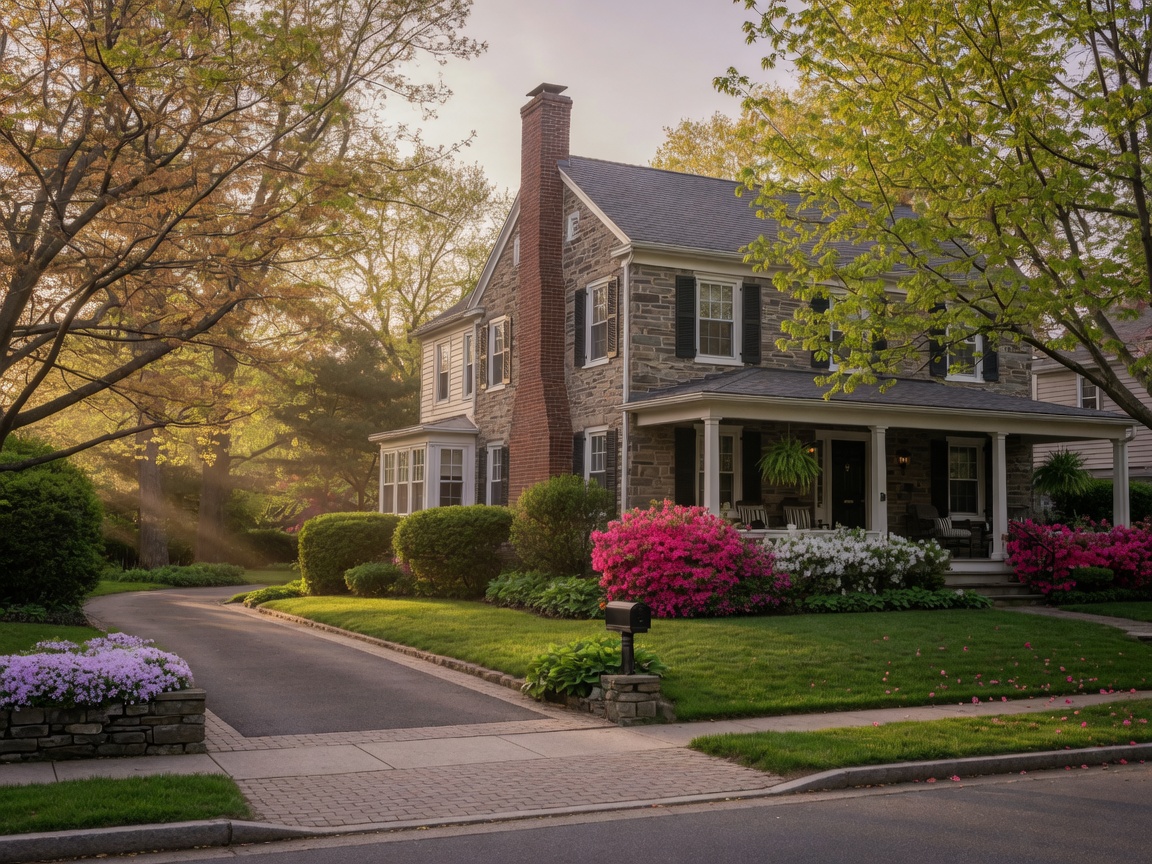
A traditional living room with hardwood floors in a Philadelphia home, showing the kind of original character Chestnut Hill buyers are drawn to
Expired Listings

Do Chestnut Hill Buyers Prefer Original Character or Modern Renovations After My Listing Expired?

Chestnut Hill buyers prefer original character, renovated well. They are not choosing between old charm and modern convenience; they are paying for a home that delivers both, with the original details kept whole and the upgrades made to fit them. If your listing expired, the culprit is rarely that you renovated, or that you did not. It is that the updates, or the neglect, worked against the house's character, and the listing never showed buyers the balance they came to this neighborhood to find.

Your Chestnut Hill home just came off the market, and now everyone has an opinion: gut the kitchen, replace the windows, or leave it alone and change the price. Before you spend a dollar, understand who is buying here. Much of the neighborhood sits inside the Chestnut Hill Historic District, listed on the National Register of Historic Places in 1985 with more than 2,600 buildings, and most homes are built of Wissahickon schist in styles that span three centuries, from Tudor Revival and Colonial Revival to a strong run of mid-century modern. Buyers do not come to Chestnut Hill for a blank page. They come for the architecture, which is why a house that reads modern-over-everything can sit while a preserved stone home down the street goes under agreement. If you are weighing what to change first, my checklist of the repairs and staging that actually matter before a relist is a good place to start.

Do Chestnut Hill buyers actually want an old house?

Yes. The age and the stone are the point. Buyers in this district generally accept period quirks when the systems underneath are believable, and they consistently respond better to a cohesive refresh that repairs original details, like trim, windows, and stonework, than to a heavy redesign that strips them out. What they will not warm up to is a house that lost the details that made it worth buying, or one where original features were swapped for mismatched replacements. Chestnut Hill buyers are detail readers, and they notice the difference between a home that honors its history and one that erased it.

Which renovations help a Chestnut Hill home, and which can hurt it?

Upgrades that respect the house help: a kitchen reworked in materials that fit a stone period home, windows that match the era's profiles, wiring and mechanicals brought up to date behind the walls. Renovations that erase the house hurt. When a listing has been scrubbed of the features that defined it, buyers in this district often take the price, subtract what it would cost to restore the character, and move on. And here is the subtle one: a mismatched update can read louder than no update at all. That matters because the higher-price tier in Chestnut Hill carries more months of inventory than the rest of Northwest Philadelphia, so a listing at the top of the market already takes longer to match with a buyer. Character is not decoration in this neighborhood; it is the inventory.

Does the city have to approve exterior work on my Chestnut Hill home before I relist?

Most of the neighborhood falls under the Philadelphia Historical Commission's review, so exterior changes like new windows, roofing, stone repointing, or an addition can need approval before work begins. That matters for a relist timeline. If a buyer's inspection surfaces a repair that needs commission review, the closing date can slip, so sort the exterior asks early or plan the schedule around them. The review process is not a reason to avoid the work; it is a reason to start it before the contract exists, so the house is ready the moment a buyer says yes.

How do I decide what to change before I relist?

Start with the showing data from the expired listing, not with a wish list. If buyers toured and passed because the kitchen felt tired, a targeted refresh can help. If they passed because the price did not match the condition, no renovation fixes that, only the price does. The goal is the smallest set of changes that makes the house read as loved, maintained, and ready, photographed so the character shows first and the systems show as cared for. Then relaunch fresh, with a price built against the stone homes that have actually closed nearby, not against what the last list price was.

The full relaunch sequence, from pricing against the stone homes that have actually closed in 19118 to fresh photography and launch timing, is spelled out on my expired listing help page for Philadelphia sellers. If your Chestnut Hill listing expired and you are trying to decide between spending on updates or resetting the price, tell me your situation. I will walk the house with you, read what the last listing's showings actually said, and tell you honestly which move gets you sold. Call 267-977-0304 or book a free consult.
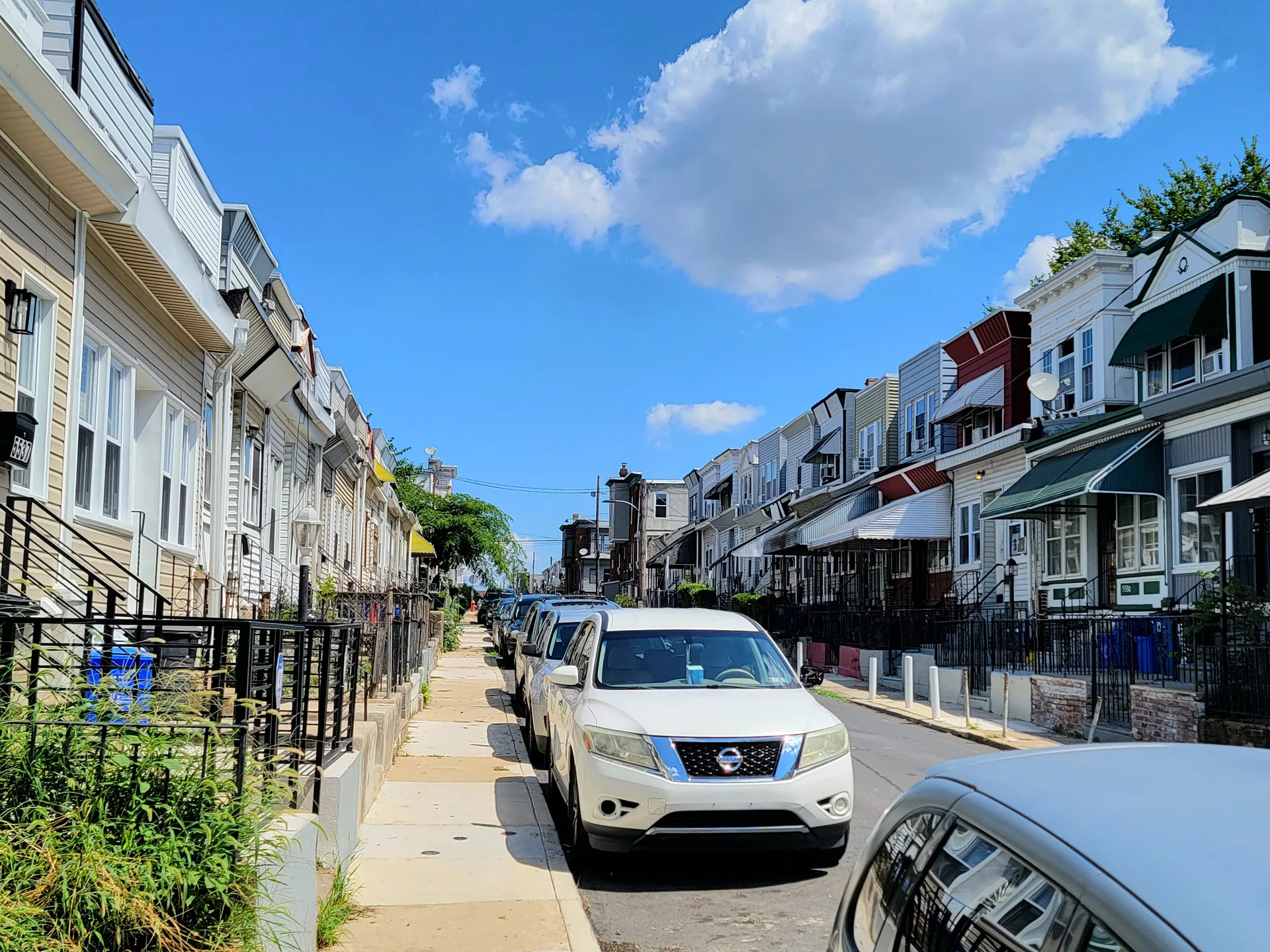
A well-maintained colonial-style home on a tree-lined street with mature landscaping and warm afternoon light
Expired Listings

Do Mature Trees and a Large Yard Help Sell My Chestnut Hill Home After My Listing Expired?

Yes, and in Chestnut Hill they are a real premium, not a nicety. Mature trees and a large, landscaped yard are among the first things buyers in this neighborhood weigh, and some of the district's top sales sit on grounds exactly like yours. But the yard gets buyers to the door; it does not write the offer. If your listing expired, the trees were almost certainly not the reason, and on the relaunch they can become one of your strongest assets.

Your Chestnut Hill home just came off the market, and now you are second-guessing everything, including the yard. You might be sitting on a deep lot behind a canopy of mature trees and wondering why buyers who love this district did not bite. That is the wrong thing to doubt. Chestnut Hill is often called Philadelphia's Garden District, and the tree-lined streets, Wissahickon schist stone houses, and generous lots are exactly what brings buyers here. The real question is not whether the setting helps. It is why your home did not sell anyway, and how to make the grounds work harder the second time. My Chestnut Hill neighborhood guide walks through the district block by block if you want the full picture of what buyers here are weighing.

Why do Chestnut Hill buyers care so much about trees and a yard?

Much of the neighborhood sits inside the National Register-listed Chestnut Hill Historic District, home to more than 2,600 buildings, and the long-standing "Wissahickon Style" ties native plantings, fieldstone, and stone walls into a rooted look that defines the district. Then comes the practical side: lot size and privacy are among the top factors buyers weigh here, with maturely landscaped lots and long set-back driveways pulling a premium. The sales data backs it up. Among Chestnut Hill's higher sales have been homes on large, landscaped grounds, like 455-461 West Chestnut Hill Avenue, a roughly 1.6-acre property that sold for about $2.97 million, and 437 West Chestnut Hill Avenue, which sold for about $2.975 million with grounds marketed for their mature landscaping and perennial plantings. Buyers here are not just buying a house. They are buying the setting.

If trees and a yard help, why did my Chestnut Hill home still expire?

The same reason listings expire anywhere in Philadelphia: the price, the presentation, or the marketing. A beautiful yard at a price buyers read as too high for the condition still sits. Photos that show rooms but never the grounds leave the best part of the house unseen. And a marketing plan aimed at the wrong buyer pool means the people who value a deep lot never learned your house existed. The yard is what gets buyers to the door. Price, presentation, and reach are what turn a tour into an offer.

How do I make the most of my yard and trees when I relist?

Treat the grounds as another room of the house. Mow, edge, prune, and clear before photography, then make sure the photos show the yard, the tree canopy, and the view from the back of the house. Set up one outdoor spot, a table and chairs or a seating corner, so buyers can picture themselves in it. Then put it in the words: listing copy that names the mature trees, the size of the lot, and the privacy reads as local knowledge, not a generic pitch. One Chestnut Hill note: if your house sits in the historic district, significant exterior or landscaping work can require review, so give any planned changes room in the timeline.

What if my home doesn't have a big yard?

Most Chestnut Hill homes are not on an acre, and most still sit on a tree-lined street with some outdoor space, so the story is usually still there. Lead with what is real: the canopy over the block, a porch that works as an outdoor room, the walk to the Wissahickon Valley at the neighborhood's edge, or the village along Germantown Avenue. Buyers here can smell exaggeration, and an honest, specific listing sells better than a stretched claim, especially to the educated buyers this district attracts.

The relaunch sequence, from pricing against the stone homes that have actually closed in 19118 to fresh photography and launch timing, is spelled out on my expired listing help page for Philadelphia sellers. If your Chestnut Hill home expired and you are trying to figure out whether the price, the presentation, or the marketing was the real problem, tell me your situation. I will read the last listing, look at what the showing data said, and build the relaunch around the buyers who actually choose this neighborhood. Call 267-977-0304 or book a free consult.
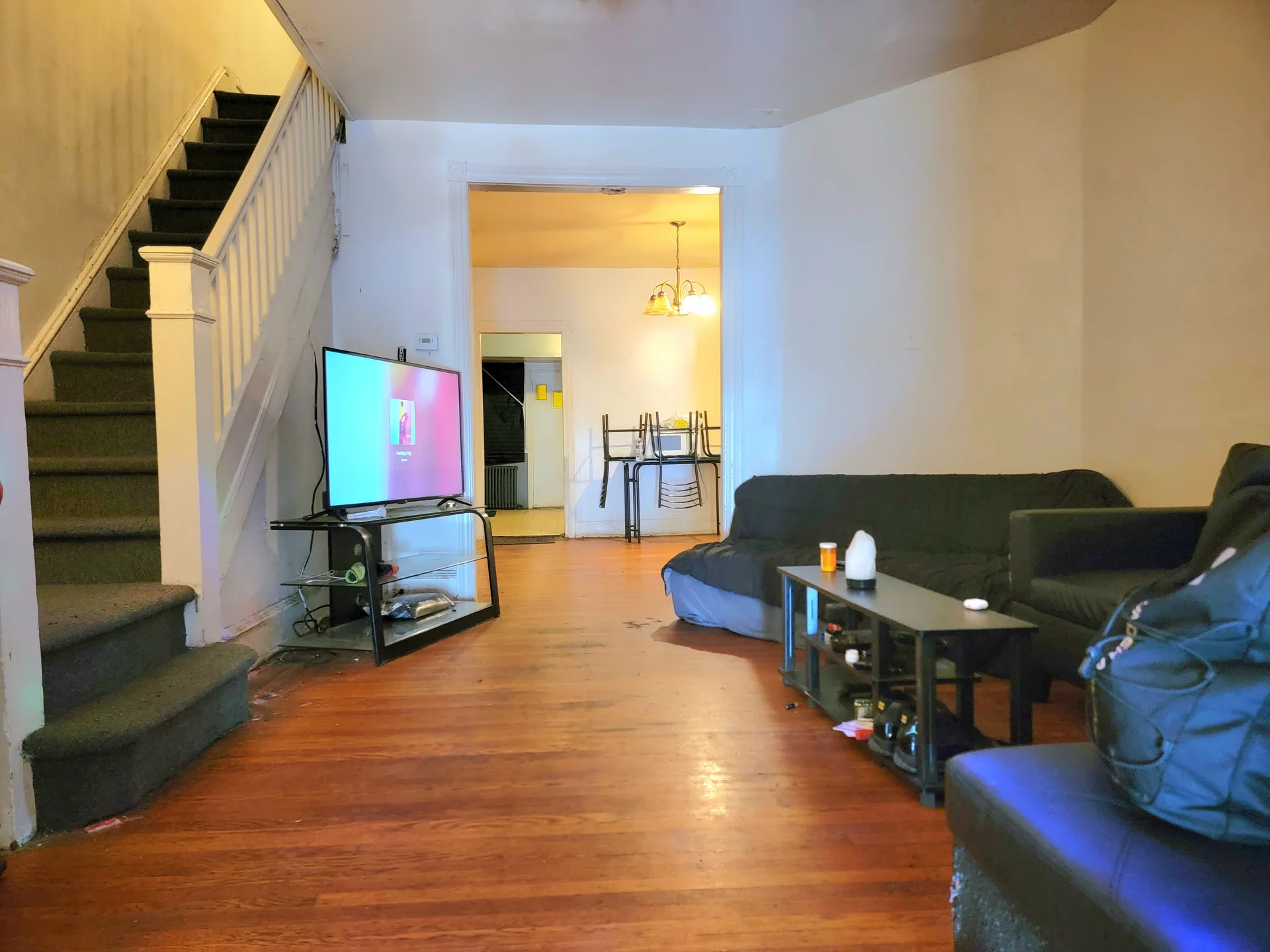
A sunny Philadelphia street lined with traditional row houses
Expired Listings

Is Homeowners Insurance Why My Chestnut Hill Home Didn't Sell?

It can be, and in Chestnut Hill it is one of the quieter reasons a home stalls. Insurance premiums across Pennsylvania climbed sharply from 2021 to 2025, and an older stone house with a dated roof or aging wiring is exactly the kind of property underwriters flag. Insurance rarely explains an entire six-month expiration by itself, but for a real slice of buyers it decides whether your relist actually closes.

Chestnut Hill buyers don't show up cold. They already know the neighborhood: stone houses set on tree-lined streets, most of them built between the 1880s and the 1940s, a walkable village on Germantown Avenue, and two regional rail lines into Center City. The same things that make them fall in love with your house are the things their insurance company inspects hardest. So when the last listing expired, it's worth asking the insurance question out loud, because it is fixable, and it is usually invisible at first. My Chestnut Hill neighborhood guide walks through the district block by block if you want the full picture of what buyers here are weighing.

Why are homeowners insurance costs climbing in Philadelphia right now?

Home insurance premiums across Pennsylvania, New Jersey, and Delaware rose sharply between 2021 and 2025, a trend the Federal Reserve Bank of Philadelphia has documented. Older houses carry the biggest share of the increase. One widely used cost analysis puts the average premium for an older Pennsylvania home near $2,500 a year, roughly 77% more than the $1,400 or so for new construction. Buyers have to carry homeowners insurance to get a mortgage, so that quote lands in their budget the same way property taxes do, and a shocking number changes what a buyer is willing to offer on your house.

What makes an older Chestnut Hill home harder to insure?

Underwriters run the same checklist in every ZIP code: roof age and condition, wiring, heating, plumbing, the electrical panel, and anything flat. Every one of those can be a flag on a house from 1918. In Chestnut Hill you add Wissahickon schist construction, slate or aging asphalt roofs, brick chimneys, radiator heat, and a canopy of mature trees that insurers factor into storm risk. Carriers increasingly restrict or exclude those features outright, and asking for a four-point inspection on a house over 25 years old is routine. Historic construction also costs more to insure at true replacement value, because rebuilding in kind is simply pricier than a standard policy assumes.

Can a buyer actually get denied coverage on my house?

Yes, and it happens more often than sellers expect. The buyer's insurer orders an inspection, the inspector flags knob-and-tube wiring, a roof at the end of its life, or a panel that can't handle a modern load, and the insurer says coverage is conditional on repairs, or it refuses outright. Because lenders require insurance before funding, that one email can stall a closing for weeks or end the contract. On a relist, that surprise lands right in the middle of the deal, which is the worst possible time to discover it.

What should I check or fix before I relist?

Treat insurability like a condition item, not an afterthought. Know the age of your roof, and if you don't know it, find out, because it is the first thing every underwriter asks. Know whether any knob-and-tube wiring remains and whether the electrical panel has been updated. If something is flagged, you have two honest choices: fix it before the relaunch, or price the house and market it with the condition known. Either way, gather the paperwork, the roof replacement year, permit records for wiring or panel work, and any documentation on the heating system. A buyer's agent who can hand an insurer that file before the inspection appointment saves your contract a lot of friction.

The full relaunch sequence, from pricing through photography and launch timing, is spelled out on my expired listing help page for Philadelphia sellers, and insurability belongs on that checklist before the first showing, not after the first inspection.

How do I handle insurance in the marketing and the negotiation?

Say it before you're asked. If your roof is eight years old and the wiring was updated with permits, put it in the listing remarks and the disclosures; that converts a fear into a documented fact. If the house has older systems, don't hide them, because the buyer will find them at the insurance inspection anyway, and a last-minute repair demand then lands on your closing table as a surprise. Knowing your own premium reality for 19118 lets you answer the budget question like a professional instead of guessing, and that confidence is part of what gets offers written.

When a Chestnut Hill listing expires, the cause is usually sitting in the price, the presentation, or the marketing plan. But insurance is the quiet variable, the one that can kill a contract nobody saw coming. If you want to know which one stopped your buyers, tell me your situation. I'll read your last listing, check the insurable details with you, and build the relaunch around what Chestnut Hill buyers actually need to hear. Call 267-977-0304 or book a free consult.
A furnished Philadelphia living room with hardwood floors and a staircase in view
Expired Listings

Is the Philadelphia Wage Tax Why My Chestnut Hill Home Didn't Sell?

No. The Philadelphia wage tax is a real line item in some buyers' budgets, but it is not why your Chestnut Hill listing expired. Homes in this neighborhood fail to sell for the same three reasons homes fail anywhere: the price missed the market, the presentation missed the buyers, or the marketing never reached the right people.

Your Chestnut Hill home sat through its listing window and expired, and now you are running through every possible explanation, including the city's wage tax. It is an understandable place to land. Chestnut Hill sits right on the Philadelphia line: cross Stenton Avenue and you are in Montgomery County, where Wyndmoor and Erdenheim offer the same stone houses, the same trees, and a much smaller local tax bill. If buyers who loved your house chose the other side of the line, the tax is the obvious suspect. Here is the honest read on how much it actually matters.

What exactly is the Philadelphia wage tax?

It is the city's tax on earned income. Philadelphia residents pay 3.735% on all of their earned income, no matter where they work, and non-residents who work in the city pay 3.425% on the income they earn in Philadelphia. The rates have been coming down under a five-year reduction plan, most recently on July 1, 2026. For a household that works in the city, the tax is a fact of life either way.

Does the wage tax really push buyers across the county line?

For some buyers, yes, and the math is easy to see. Springfield Township, which sits just across Stenton Avenue, levies a 1% local earned income tax. A household earning $250,000 pays roughly $9,300 a year in Philadelphia wage tax versus about $2,500 in Springfield Township, a gap of nearly $7,000 every year. For a buyer who works in the suburbs and never sets foot in the city for work, that is real, recurring money, and some of them choose the other side of the line because of it.

But here is the part that matters for your sale: the buyers who actually toured your house had already made their peace with the city line. Nobody walks through a Chestnut Hill living room and then discovers the wage tax for the first time. The tax is public and easy to look up, and it shows up in every city-versus-suburb comparison a buyer runs before booking a showing. The people who came through your door had already decided the city works for them. The people who never came through were never your buyer, tax or no tax.

If the tax isn't the reason, why did my Chestnut Hill listing expire?

The same reasons listings expire everywhere in Philadelphia. The price leaned on the neighborhood's reputation instead of the stone twins and detached homes that actually closed in 19118. The photography showed rooms but not the period detail buyers in this district are paying for. The marketing never reached the buyers already saving Chestnut Hill searches. None of those show up in a tax comparison, and all of them are fixable on a relist. The full reset, from pricing to photography to launch timing, is on my expired listing help page for Philadelphia sellers.

How do I market my Chestnut Hill home to the buyers who will actually buy it?

Lead with what the city gives them. Two regional rail lines, Chestnut Hill East and West, carry commuters to Center City in roughly half an hour. Germantown Avenue offers a walkable village of shops and restaurants that no Montgomery County township can match. The Wissahickon Valley Park sits at the neighborhood's edge. Those are the reasons buyers choose the city side of Stenton Avenue, so aim your marketing at the people who already value them: Center City commuters, buyers relocating from other cities, and downsizers who want the village lifestyle without the suburban drive.

What if a buyer brings up the wage tax during negotiations?

Answer it straight. It is a published number, not a hidden cost, and the honest response, that it is part of living in the city and that the rates have been coming down, reads as confidence. What you do not want is a listing that lets the tax question sit unanswered in the buyer's mind. Knowing the city-line comparison cold, and pricing your home against what actually closed in 19118, is where a listing specialist earns the conversation. If you are deciding whether the relaunch needs a new price or a full reset, my guide to an expired listing versus a price reduction walks through the choice.

If your Chestnut Hill home expired and you are trying to figure out what really went wrong, tell me your situation. I will read the last listing, separate the real reasons from the imagined ones, and build the relaunch around the buyers who actually choose this neighborhood. Call 267-977-0304 or book a free consult.
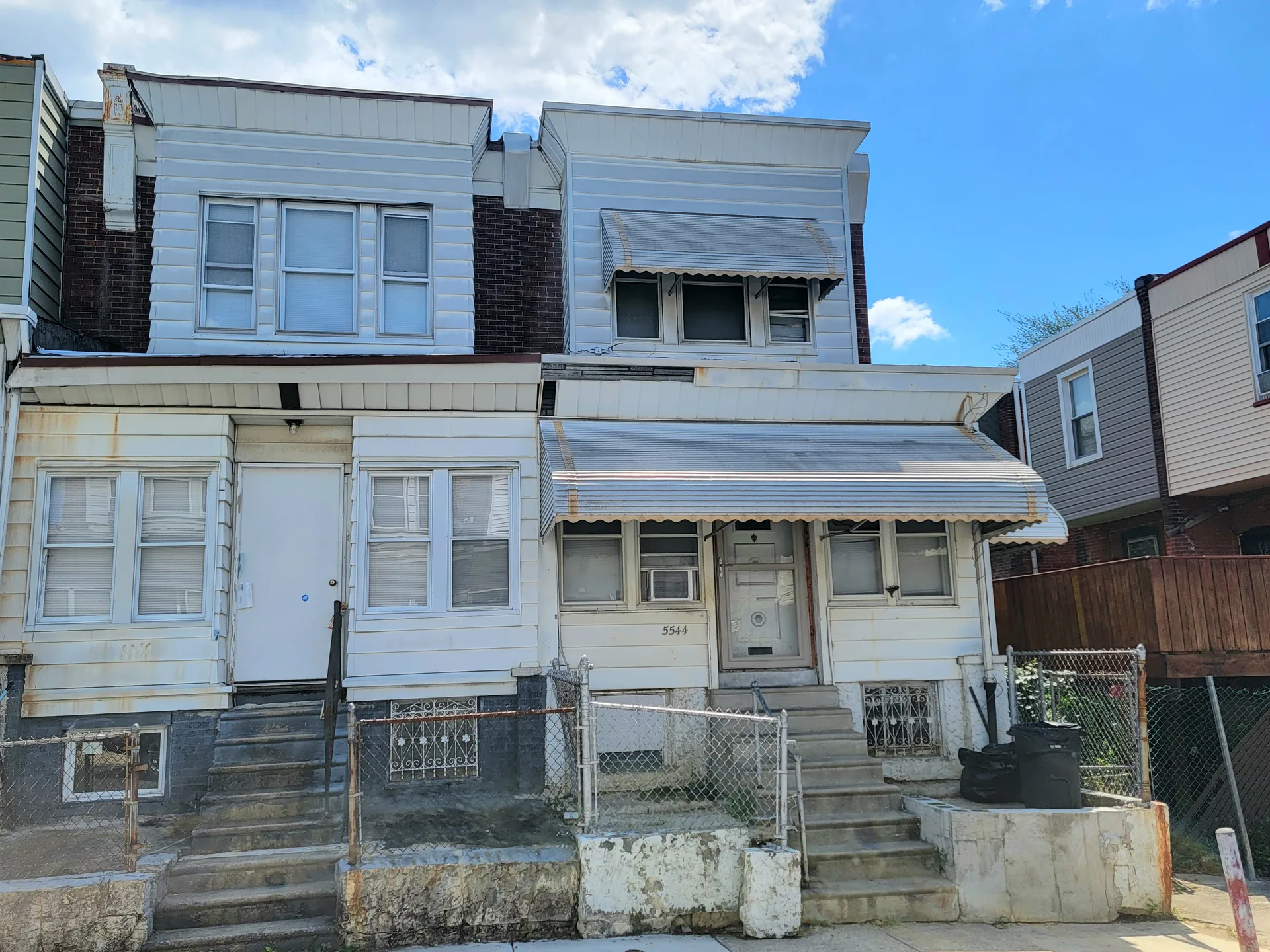
Two attached Philadelphia homes with traditional facades under a bright sky
Expired Listings

Does Living Near the Wissahickon Valley Help Sell My Chestnut Hill Home After My Listing Expired?

Yes, and it is one of the strongest cards your Chestnut Hill listing holds, but the park does not sell the house by itself. The Wissahickon Valley Park is a big reason buyers shop this neighborhood at all, yet a home that already failed to sell will not close on the park's reputation alone. The price, the presentation, and the marketing have to carry the deal the rest of the way.

Your Chestnut Hill listing expired, and now you are second-guessing everything, including the neighborhood. That is the wrong thing to doubt. Chestnut Hill sits on the ridge above the Wissahickon Valley Park, a roughly 2,000-acre woodland that runs through Northwest Philadelphia and holds National Natural Landmark status. For the buyers who tour this district, the park is often the reason they are here at all. The real question is not whether the Wissahickon helps sell a Chestnut Hill home. It is why your home did not sell anyway, and how to make the park work for you on the relaunch.

Why does the Wissahickon matter to Chestnut Hill buyers?

The park forms the neighborhood's western edge, and trailheads sit minutes from many Chestnut Hill homes. Forbidden Drive, the car-free crushed-stone road that runs beside Wissahickon Creek, gives residents miles of walking, running, and cycling trails, and the historic Valley Green Inn anchors the middle of it. Buyers moving from Center City or the suburbs are not just buying a house; they are buying the weekend routine the park provides. In listing terms, that is a real lifestyle asset, the kind of thing that separates a home buyers remember from one they forget.

If the park helps, why didn't my Chestnut Hill home sell?

The park brings buyers to the neighborhood, not to your address. Every buyer touring Chestnut Hill already knows about the Wissahickon, so the park does not differentiate your house from the one next door. What differentiates it is the same thing that always decides a sale: a price built from what comparable stone homes have actually closed for, a presentation that matches what buyers expect at that price, and photography that shows the home at its best. If the last listing missed on any of those, the park's appeal did not fix it, and it will not fix it on the next round either.

How do I market the Wissahickon connection when I relist?

Name it specifically. Listing copy that says "minutes from Forbidden Drive" or "trailhead access to the Wissahickon Valley Park" speaks directly to buyers who search for park-adjacent blocks, and it reads as local knowledge rather than a generic pitch. Photography matters here too: a shot from the back porch or side yard that shows green space, and a note about the walk to the trailhead in the showing remarks, give buyers a concrete picture of the lifestyle. Then aim the marketing at the people already saving Chestnut Hill searches: the same commuters riding the Chestnut Hill East and West lines into Center City who chose this neighborhood partly for the green.

Does the park change what I should fix or stage before relisting?

A little, and it is worth leaning into. Buyers drawn to the Wissahickon tend to value the outdoor side of the house: a usable back yard, a patio or deck, an entry that handles muddy boots. If your home has those, stage them so they read in the photos. If it does not, do not invent them. Keep the focus on the walk to the trailhead and on the green setting that surrounds the neighborhood, and let the park carry the lifestyle story without overstating it.

What if my home is not right on the park?

Most Chestnut Hill homes are not on the park, and most are still minutes from a trailhead, so the connection is real for nearly the whole neighborhood. You do not need to stretch the truth, and you should not: buyers who know this district will spot a listing that claims park views for a house that has none. Honest, specific proximity sells better than exaggeration, especially to the educated buyers this neighborhood attracts. For a fuller picture of what buyers here are weighing, my Chestnut Hill neighborhood guide walks through the district block by block.

The relaunch itself, from pricing to photography to launch timing, is spelled out on my expired listing help page for Philadelphia sellers. If your Chestnut Hill home expired and you are wondering whether the neighborhood, or the park, is the problem, it is not. The plan was. Tell me your situation and I will read the last listing, find where the price and the presentation missed the buyers who were already here, and relaunch the home so the Wissahickon works for you instead of just being a nice thing to mention. Call 267-977-0304 or book a free consult.
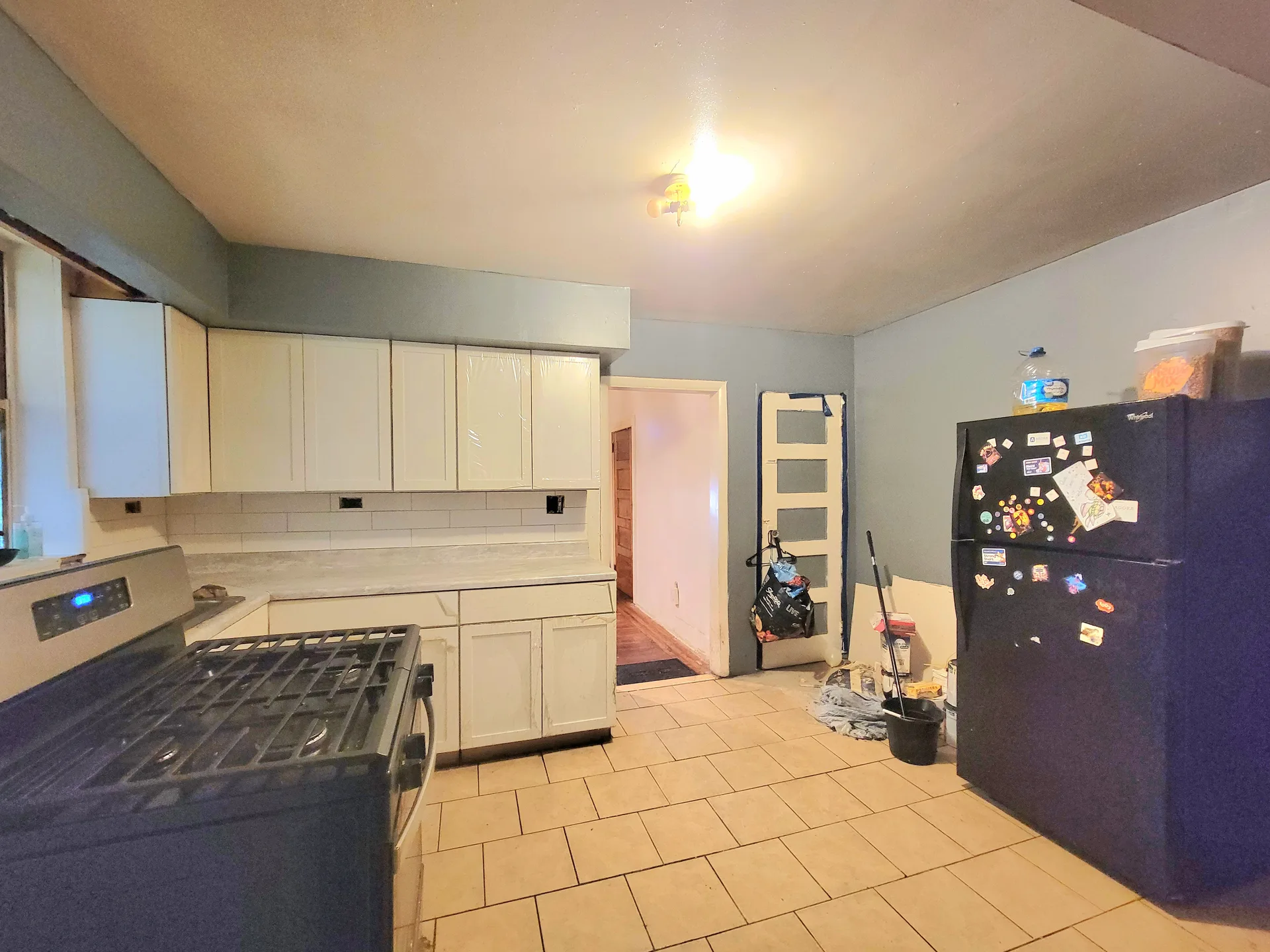
A traditional Philadelphia kitchen with white cabinets, tile flooring, and a blue accent wall
Expired Listings

Should I Price My Chestnut Hill Home Below Market to Create a Bidding War After My Listing Expired?

Yes, in the right conditions. A small, deliberate price gap below what recent Chestnut Hill sales support can pull multiple offers and sometimes push the final number back above your old asking price, but only when the rest of the relaunch is done right. Underpricing is a tactic, not a plan: it creates urgency, and urgency turns into a bidding war only when buyers want the house enough to race for it.

Your Chestnut Hill listing just expired, and the advice coming from every direction is the same: price it lower this time. The real question is how much lower, and whether dropping below market on purpose is the smart play or just a discount. Buyers in this neighborhood arrive prepared. They know the schist stone houses in the historic district, they value the walkable blocks around Germantown Avenue, and they watch the sales data for 19118. Recent market data puts the median sale price around $975,000, and the buyers comparing your house against the stone twins and detached homes that actually closed nearby are not moved by a number alone.

How does a below-market price create a bidding war in Chestnut Hill?

A fresh listing that comes in under the current comp set reads as an event, not a retry. Buyers who already saw your home at the old price, and the agents who showed it, see a number that looks like a deal against what has closed since. When two or three of them want the same house, they bid against each other, and that is where the strategy earns its keep. A home that starts below market can draw offers above the starting number, sometimes at or above what the old listing was asking.

How far below market should you go?

Modest wins the race here. A gap of a few percentage points under what the comps support is enough to register as an opportunity without looking like distress. A deep cut reads as panic, invites lowball offers, and hands a single buyer the room to anchor the negotiation at the bottom. Price to the data: pull the closed sales of comparable stone homes in 19118 from the last several months, find a credible floor, and set the listing just under where the market expects it. The full reset for that conversation is on my expired listing help page for Philadelphia sellers.

When does underpricing backfire?

It backfires when the price is the only thing that changed. If the photos, the staging, and the marketing are the same ones that produced zero offers, a lower number just gives the same buyers the same home at a discount. It also fails when the relaunch lands in a thin stretch of the market, or when the gap is so wide that buyers start wondering what is wrong. And it fails in the quietest way when the starting number sits far below your floor: even a solid bidding war can end with a contract you cannot accept.

What else has to change before you relist?

The relaunch has to look like news. Fresh photography that shows the period detail and the light, a presentation that lets buyers see themselves actually living in the house, and marketing aimed at the people already saving Chestnut Hill searches: commuters riding the Chestnut Hill East or West line into Center City in about half an hour, families weighing the walk to the shops on Germantown Avenue, and the buyers who already have this district on their saved searches. The below-market start is one element of that reset, not a shortcut past it. My guide to cutting the price versus a fresh relist covers when a price change alone is the right move.

What if you only get one offer at the lower number?

That is data, not defeat. You are never required to accept it, and you can counter toward the comps with a read of the showing feedback behind you. One offer at the new price usually means the number is close to right. Silence after a relaunch means the market is still telling you no for another reason, and that reason has to be found.

If your Chestnut Hill home expired and you are deciding how to price the relaunch, tell me your situation. I will pull the closes on your side of the Hill, show you what a below-market start would do to the buyer pool, and give you an honest recommendation before you commit to a number. Call 267-977-0304 or book a free consult.
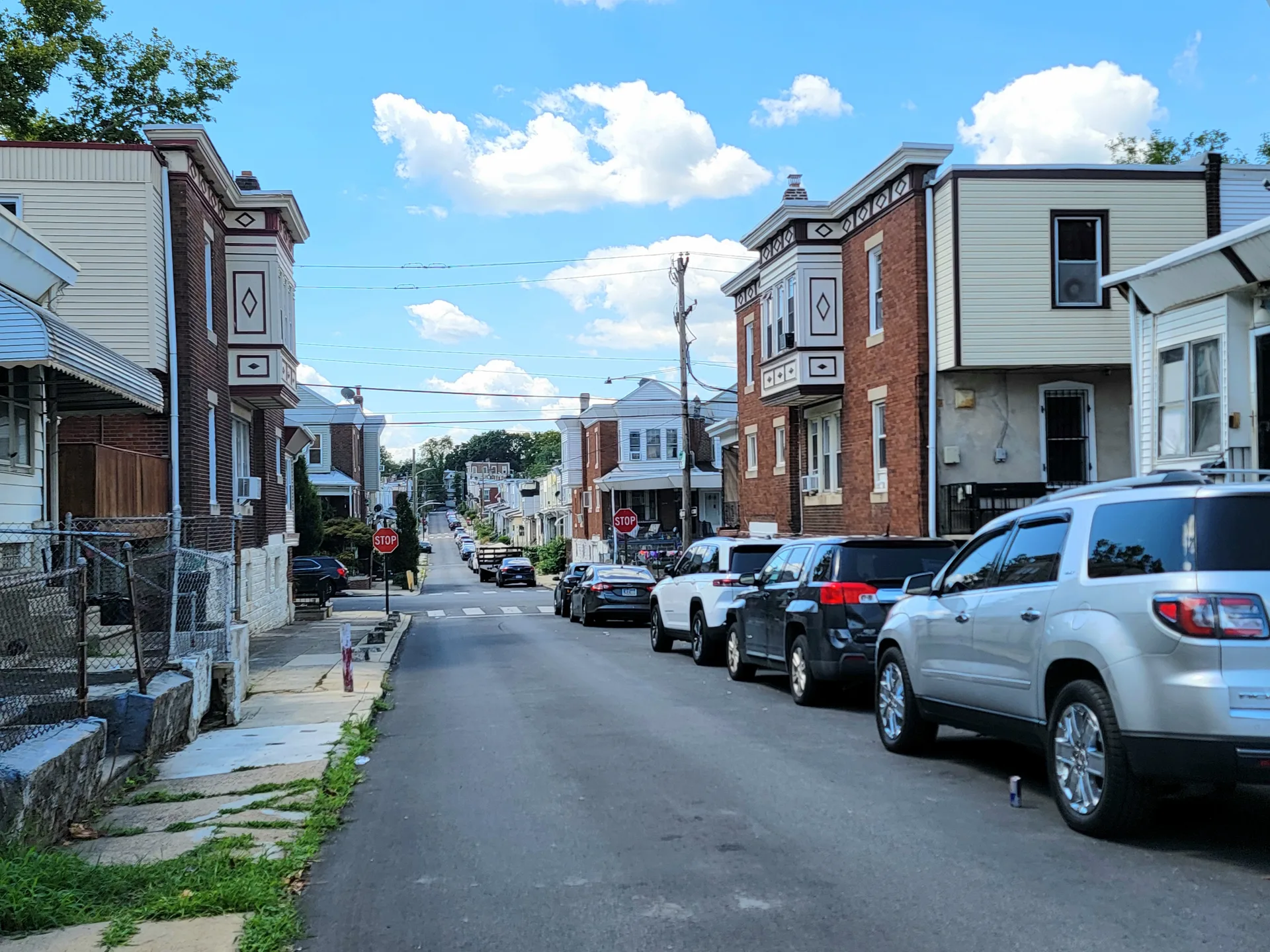
A sunny residential street in Philadelphia lined with brick and siding rowhouses
Expired Listings

Do I Need a Resale Certificate to Sell My Chestnut Hill Home in Philadelphia?

Yes. Pennsylvania law requires every seller in Philadelphia to give the buyer a Property Sales Certification, commonly called the resale certificate, at settlement, so if your Chestnut Hill home is going back on the market after an expired listing, you will need one before you close. It costs $100 and takes a few business days, but it is exactly the kind of detail that stalls a closing when nobody orders it early.

Your Chestnut Hill listing expired and you are planning the relaunch, whether it is a stone twin off Gravers Lane or a detached house near the top of the Hill where Germantown Avenue meets Bethlehem Pike. Before anyone talks price, photos, or open houses, there is a behind-the-scenes item worth starting this week: the Philadelphia resale certificate. It rarely comes up during the first listing, and that is precisely why it becomes a problem on the second one.

What exactly is the resale certificate?

The official name is the Property Sales Certification, issued by the city's Department of Licenses and Inspections. State law says a seller must obtain it and hand it to the buyer at settlement on every property sale in Philadelphia. The certificate shows three things: the zoning classification for the property, its last registered use, and any open violations on file with the city. For an older stone house in the 19118 ZIP code, that last line matters most. L&I records can carry decades of history, and an open violation you never knew about is better discovered the week you order the certificate than the week before closing.

What does it cost, and how long does it take?

The fee is $100 through L&I's online Property Sales Certification application. Processing is usually quick for a standard single-family home, but the city notes that non-single-family certifications can take five to ten business days, so order it the day you decide to relist rather than the week of settlement. One more layer for some sellers: if your Chestnut Hill home is a condo or sits in a planned community, Pennsylvania's condo and planned-community laws require a separate resale disclosure package from the association on top of the city certificate.

What happens if I don't have it at closing?

The settlement does not close cleanly, because the law requires the seller to deliver the certificate to the buyer. A delayed closing in Chestnut Hill is not a small thing. Buyers here are often moving on a school calendar, a job start in Center City, or the sale of their own house, and every week of slippage gives them a reason to walk. A $100 certificate that takes days can prevent a closing delay that costs weeks and, in the worst case, the buyer.

What else should be on my list before the relaunch?

The resale certificate is one item on a longer checklist. Because the last attempt already failed, the next one should start with a price built from the stone homes that have actually closed in Chestnut Hill, not from the old list price, and fresh photography that shows the period detail buyers in this district are paying for. One Chestnut Hill extra: if your house sits on the Philadelphia Register of Historic Places, exterior work tied to the relaunch can require review by the city's Historical Commission, so give the timeline room for that too. The full reset is spelled out on my expired listing help page for Philadelphia sellers, and the decision list in 12 questions to ask before relisting your expired Philadelphia home covers the rest of what to settle before you go back on the market.

If your Chestnut Hill home just came off the market and you want a plan that carries it all the way to closing, tell me your situation. I will walk the checklist with you, from the resale certificate to the marketing, and give you an honest read on where the first listing stalled. Call 267-977-0304 or book a free consult.

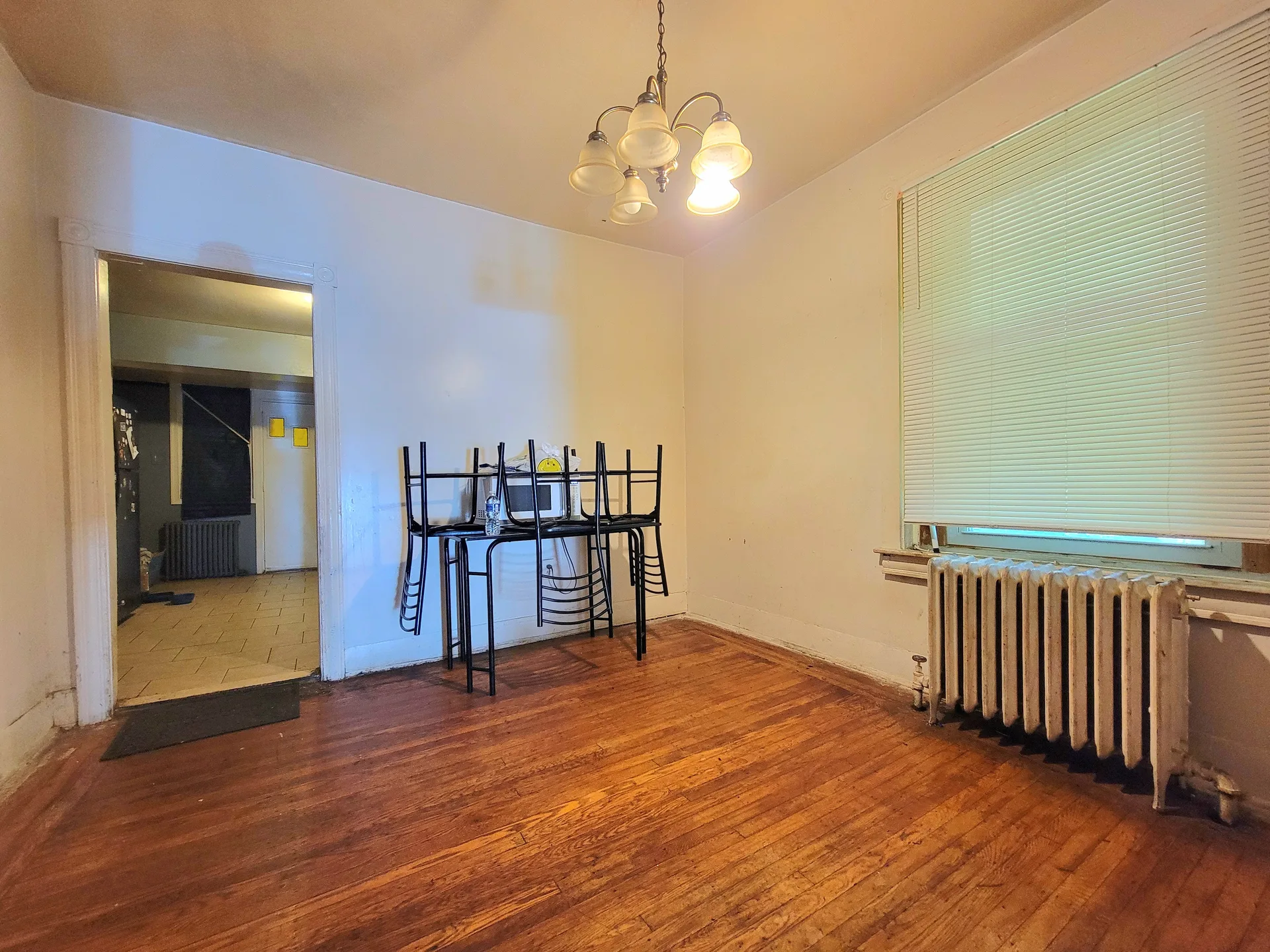
A traditional Philadelphia dining room with hardwood floors, white walls, and a cast iron radiator
Expired Listings

Should I Accept a Lower Offer After My Chestnut Hill Listing Expired?

An offer below your expired asking price is worth taking seriously, and often worth accepting, once you compare it against what has actually closed in Chestnut Hill rather than what you hoped to get. The number that matters is not your old list price; it is what buyers in 19118 are paying right now.

Your Chestnut Hill listing expired. Weeks went by without an offer, and now a buyer has finally come forward with a number that sits below what you listed the house for. Before you say no out of pride, or yes out of exhaustion, let's look at what that offer is really telling you.

Why did the offer come in below my asking price?

Most of the time it is the market catching up to the price. Chestnut Hill is a stone-and-schist neighborhood where buyers arrive educated: they know the historic district, they know the Wissahickon Valley at the edge of the neighborhood, and they have watched your listing sit. The buyer pool here is specific, too: professionals riding the Chestnut Hill East or West line into Center City in about half an hour, and families drawn to Jenks and the walkable blocks around Germantown Avenue. Both groups watch the market closely. Every week a home stays on the market gives them more leverage, and recent market data for 19118 has homes averaging around three to four weeks on the market, faster than they did a year ago. An offer below asking is often the market's honest read on where the price and the condition meet.

How do I know if the offer is actually low?

Compare it to closed sales, not to your old list price. The right comparison in Chestnut Hill is the stone twin or detached house a few blocks away that actually went under contract, not the citywide average and not a Zillow estimate. Recent data for 19118 puts the median sale price around $975,000, but medians do not price your house. If the offer lands within the range of what comparable stone homes on your side of the Hill have closed for, it is a market offer, not a lowball.

What should I check before I say yes?

The price is only part of the offer. Look at the buyer's financing, the deposit, the inspection and appraisal contingencies, and the closing date. A slightly lower offer with a strong pre-approval and a clean inspection can net you more than a higher offer that falls apart in week five. Add up the net proceeds, what you walk away with after closing costs, and compare that with what another two months on the market would cost you in carrying costs and momentum.

What happens if I turn it down?

You can counter, and you should if the gap is small. But if you reject the offer and the home goes back on the market, you are starting over with the same buyer pool, the same season, and a listing that now carries even more days behind it. Buyers who were watching your address have moved on to other saved searches, and the ones who remain will be looking at your home with the same market data you just saw.

So what should I do with the offer?

Take it seriously and read it with someone who knows what Chestnut Hill stone homes actually trade for, then decide from the net number, not the sticker. If you want the full sequence for relaunching after an expiration, my expired listing help page for Philadelphia sellers walks through the whole reset, and my comparison of cutting the price versus a fresh relist covers when a price change is the right move.

If you have an offer on the table and you are not sure whether it is fair, tell me your situation. I will read the offer with you, compare it against what has actually closed in Chestnut Hill, and give you an honest recommendation. Call 267-977-0304 or book a free consult.

Your Chestnut Hill home
deserves a real shot.

Let's get it sold.

Want to know what your home is worth? Get a real valuation of your home's value.

Licensed. Local. Legit.

Pennsylvania License RS349905 · New Jersey License 1969348
HomeSmart Realty Advisors

Experience. Strategy. Results.

267-977-0304

Selling in a nearby neighborhood? See Expired Listing Help in Manayunk or Expired Listing Help in Roxborough. Looking for citywide help? Visit the expired listing help in Philadelphia page, or contact Andre directly.