Is Living in the Flood Zone Why My Manayunk Home Didn't Sell?
Flood risk can be a real reason, but on its own it usually narrows the buyer pool rather than ends the sale. Manayunk carries the highest flood risk of any Philadelphia neighborhood, so the canal, the river, and storm season will come up with buyers before any offer, and a relist that answers those questions head-on wins the ones that stay quiet.
Your listing just expired and you keep wondering if the flood zone scared everyone off. It is a fair question in Manayunk, where the canal and the Schuylkill run right through the neighborhood and the flat blocks near the water have flooded badly in recent memory. It deserves a straight answer, because the answer changes what you disclose and how you price the relist.
Is Manayunk really a high flood-risk neighborhood?
Yes. By the numbers that flood-risk analysts track, Manayunk has more of its housing stock sitting inside a flood zone than any other Philadelphia neighborhood, with a large share of properties at severe flood risk over a 30-year window and hundreds of homes inside the mapped floodplain. The vulnerable ground is the level land by the canal, Main Street at its low points, and the streets leading down toward Venice Island. A buyer who does ten minutes of research on 19127 will find this before their first showing, so you cannot pretend it does not exist.
Do buyers and lenders actually care about the flood zone?
Yes, and not just the cautious ones. On a federally backed mortgage, a home inside a FEMA Special Flood Hazard Area, often mapped as Zone AE, requires flood insurance, so the cost is on the settlement sheet before anyone signs. Buyers who read about Hurricane Ida, which flooded Main Street and the towpath in September 2021, will ask where the water reached and how the home handled it. You want those questions answered in the listing, not discovered at the door, because a surprised buyer walks away and a prepared one stays to consider the offer.
Do I have to disclose past flooding or water in the basement?
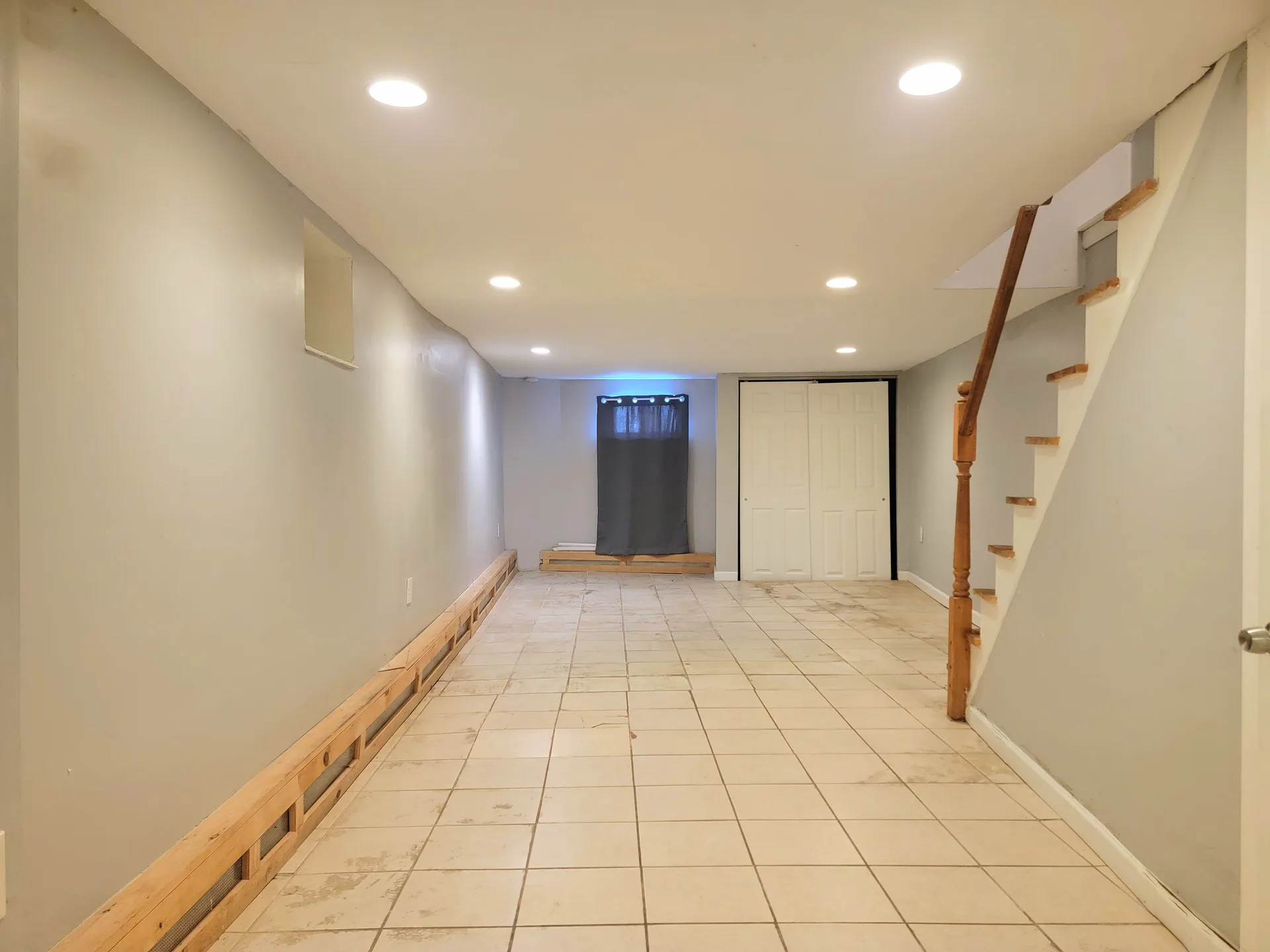
Pennsylvania's Real Estate Seller Disclosure Law, Act 49 of 1996, requires a completed Seller's Property Disclosure Statement before the agreement of sale is signed, and the form asks directly about water leakage, accumulation, and dampness in the basement or crawl space. If your basement has taken water, say so and pair it with what you did about it. A disclosed, remediated history sells better than a surprise discovery during inspection, because it takes the fear out of the buyer's biggest unknown.
What should I actually do before I relaunch?
Three moves, in order. First, get your own facts straight: the flood zone your home actually sits in, your insurance reality, and your full history of any water intrusion. Second, say it plainly in the listing and price against the Manayunk homes that actually sold, including the ones that answered the flood question well. Third, turn the flood math into honest framing: the canal and towpath lifestyle that draws buyers is the same ground that floods, and buyers accept the trade-off when the relist leads with the walk, the trail, and the rail commute instead of hiding the water.
The full step-by-step for relaunching an expired listing lives on my expired listing help page for Philadelphia sellers, and my guide to why your neighborhood shapes how a listing expires explains why the same attached home behaves completely differently just blocks away.
If your Manayunk home just expired and you are not sure whether the flood zone is spooking buyers, tell me your situation: call 267-977-0304 or book a free consult. I will help you read your flood facts, answer the disclosure questions honestly, and relaunch the home priced against the comps that actually sold on this side of 19127.