

Short sale help in Fox Chase, Philadelphia with Andre Richardson, Realtor — the go-to agent for short sale guidance in Fox Chase
Short Sale Guidance

Short Sale Guidance
in Fox Chase

You have more options than you think.

Fox Chase is a quiet, family-friendly pocket of the Northeast, where 1950s brick twins line calm streets just minutes from Pennypack Park, and many homeowners have been in the same house for decades. When the mortgage has grown heavier than the home can carry, a short sale can be the clearest way forward, and it works best when you act now. I'm Andre Richardson, and for 26 years I've been involved with Philadelphia real estate. There is no judgment here, only solutions, and the sooner we talk, the more options you have.

26 Years
Real Estate Experience
5.0
Rating from 27 Reviews
AI
Powered Marketing
PA & NJ
Licensed
01

What exactly is a short sale?

In plain terms, a short sale is when your lender agrees to accept less than the full amount you owe on the mortgage, usually because the home is worth less than the loan balance or because you genuinely cannot keep up with the payments. With the bank's approval, you sell the home to a real buyer at the market price and move on without a foreclosure on your record. It is a decision you make on purpose, with your lender on board, rather than something that simply happens to you.

Why It Matters

Why Acting Now Matters
in Fox Chase

A short sale is not a failure and it is not an ending the process decides for you. It is a decision you make on purpose, with your lender's approval, at a moment when you still control how the story goes. In Fox Chase, where calm streets near Pennypack Park hold steady appeal for buyers, that control is worth protecting: a market-driven sale can place a fair price on a home even when the loan it carries is worth more.

Not with confusion. Not with shame. But with a plan.

  • A short sale is borrower-initiated: you choose it and you drive it, rather than waiting for the process to decide for you
  • The price is set by the market and approved by your lender, and the home is handled through a real buyer, not a sheriff's auction
  • Because it is a sale and not a foreclosure, your credit takes a smaller hit and you can qualify for a new mortgage sooner
  • Your lender has a reason to say yes: a negotiated sale costs them less than completing a foreclosure, so acting now works in your favor

Compared with doing nothing, a short sale keeps the outcome in your hands. You choose the buyer, you see the price before it is final, and you move forward with a foreclosure kept off your record. The homeowners who reach out early hold the most control over how their Fox Chase story ends.


02
How It Works

How a Short Sale
Actually Works

A short sale is a sale first and foremost. Your Fox Chase home goes on the market, a real buyer makes a genuine offer, and your lender reviews and approves that price before the sale can close. Because it moves through the normal buying and selling process, it looks very different from a foreclosure auction, and far more of the outcome stays in your hands.

Start with your lender

If speaking with the lender is the best route, he guides you to coordinate with your lender.

Your lender approves the price

Once an offer comes in, your lender decides whether to accept less than the amount you owe. That approval is the heart of a short sale: the bank agrees to the shortfall because a negotiated sale costs them less than completing a foreclosure. Andre manages the conversation with the loss mitigation department and the paperwork so the offer has the best chance of being approved.

A real sale to a real buyer

Unlike a sheriff's auction, where the outcome is decided for you, a short sale is a normal market sale. The home is marketed to buyers, an offer is negotiated, and you see the price before it is final. In Fox Chase, where calm streets near the park keep a committed pool of buyers, that market-driven approach can work in your favor.

Selling with aggressive marketing

A short sale still has to sell, and a strong offer is what gives your lender a reason to say yes. Your Fox Chase home gets the same treatment as any of Andre's listings, with Andre's aggressive AI-infused marketing working towards getting your home sold, so the right buyers see it and the offer comes in strong.

If you want to understand what happens during the foreclosure process if nothing is done, including the court timeline, the sheriff sale, and the credit consequences, the stop foreclosure help in Fox Chase page covers all of it in detail. The foreclosure and short sale guidance for Philadelphia ties the timelines and lender negotiations together step by step. You do not have to choose a path alone.


03
The Agent

Why Sellers Trust Andre

By the time Fox Chase homeowners considering a short sale find me, many have been carrying the weight of the situation alone for months. I bring 26 years of Philadelphia and South Jersey experience, active PA and New Jersey licenses, and a targeted marketing plan that gets homes sold. Every conversation is confidential, and there is no judgment, only solutions.

“Andre was very professional and knowledgeable, a definite credit to the profession. I would not hesitate to refer him to any of my friends or family for his real estate services. Andre did not hesitate to go above and beyond to make things happen. Job well done for me thank you Andre!”

— Stella Thompson, 5-star review

See how the sell my house process works or read the client reviews from sellers who started right where you are.


04
Answers

Questions Fox Chase Homeowners
Considering a Short Sale Ask

What is a short sale?

A short sale is when the lender agrees to accept less than what is owed on the mortgage, typically because the home is now worth less than the loan balance or the seller genuinely cannot keep up with the payments. The bank approves the sale, the home is sold to a real buyer at the market price, and the homeowner gets to move on without a foreclosure on their record. It lets you close the chapter on your own terms.

What happens if I do nothing?

Choosing to do nothing leaves the decision entirely to the process. Without a sale, the situation can move toward foreclosure, where the home is sold at auction and you lose control of both the price and the timing. A short sale keeps that control in your hands: you choose when to sell, you see the offer, and your lender approves the price before it is final. Acting now is what keeps your options open.

Will a short sale protect me from the lender coming after the difference?

Pennsylvania is a recourse state, so a deficiency judgment is possible after a short sale or a foreclosure unless it is waived. That is why a good short sale agreement includes a deficiency waiver, a written promise that the lender will not pursue you for the remaining balance. Andre works to secure that protection in the short sales he manages, and because a short sale is a negotiated settlement rather than a completed foreclosure, it also leaves a lighter mark on your credit.

My Fox Chase home is worth less than I owe. Can I still sell it?

Yes, and that is exactly the situation a short sale is built for. Fox Chase's 1950s brick twins sit on quiet, family-friendly streets near Pennypack Park, and that setting holds steady appeal for buyers, but if the mortgage balance sits above what the market will pay today, a short sale lets you sell with the lender's approval and close this chapter with your head held high. The lender agrees because a negotiated sale costs them less than a completed foreclosure. The sooner we start, the more room we have to get it done.

How does a short sale in Fox Chase actually work?

A short sale happens when a homeowner sells for less than the outstanding mortgage balance with the lender's approval. If speaking with the lender is the best route, he guides you to coordinate with your lender. Every conversation is confidential, with no judgment and only solutions. A professionally guided short sale can help you avoid foreclosure and minimize the credit damage. In Fox Chase, where neighbors have watched each other's families grow for decades, a confidential, well-run short sale respects the community you have built.

Will a short sale hurt my credit less than a foreclosure?

Yes. A short sale typically reduces your credit score far less than a completed foreclosure, and you can often qualify for a new mortgage years sooner after a short sale. It is not a step anyone plans to take, but when the mortgage is heavier than the home can carry, a short sale is a far gentler landing than letting foreclosure run its course. It lets you move forward on your own terms.

Do 1950s Fox Chase brick twins sell well as short sales?

Yes. Postwar brick twins remain one of the most in-demand home types in the Northeast, and Fox Chase's setting near Pennypack Park only adds to the appeal. That demand translates into offers, and a strong offer is what a lender needs in order to approve a short sale. The sooner we start, the more of that demand we can reach.

I've owned my Fox Chase home for decades. Does that matter to the lender in a short sale?

The lender's decision is driven by the numbers: what the home will sell for against what is owed. Your history in the home matters to you and to the neighborhood, which is exactly why protecting the outcome matters so much. A short sale lets you close this chapter on your own terms rather than leaving the ending to the foreclosure process.

What is the professionally guided short sale with Andre?

A professionally guided short sale means you are not navigating the process alone. Andre works to secure a deficiency waiver so the lender does not come after you for the difference, and he uses aggressive, AI-infused marketing to get your home sold. He listens to your situation with care and builds a plan around your lender and your timeline. No confusion. No judgment. Just results.

05
From the Blog

Fox Chase Short
Sale Advice

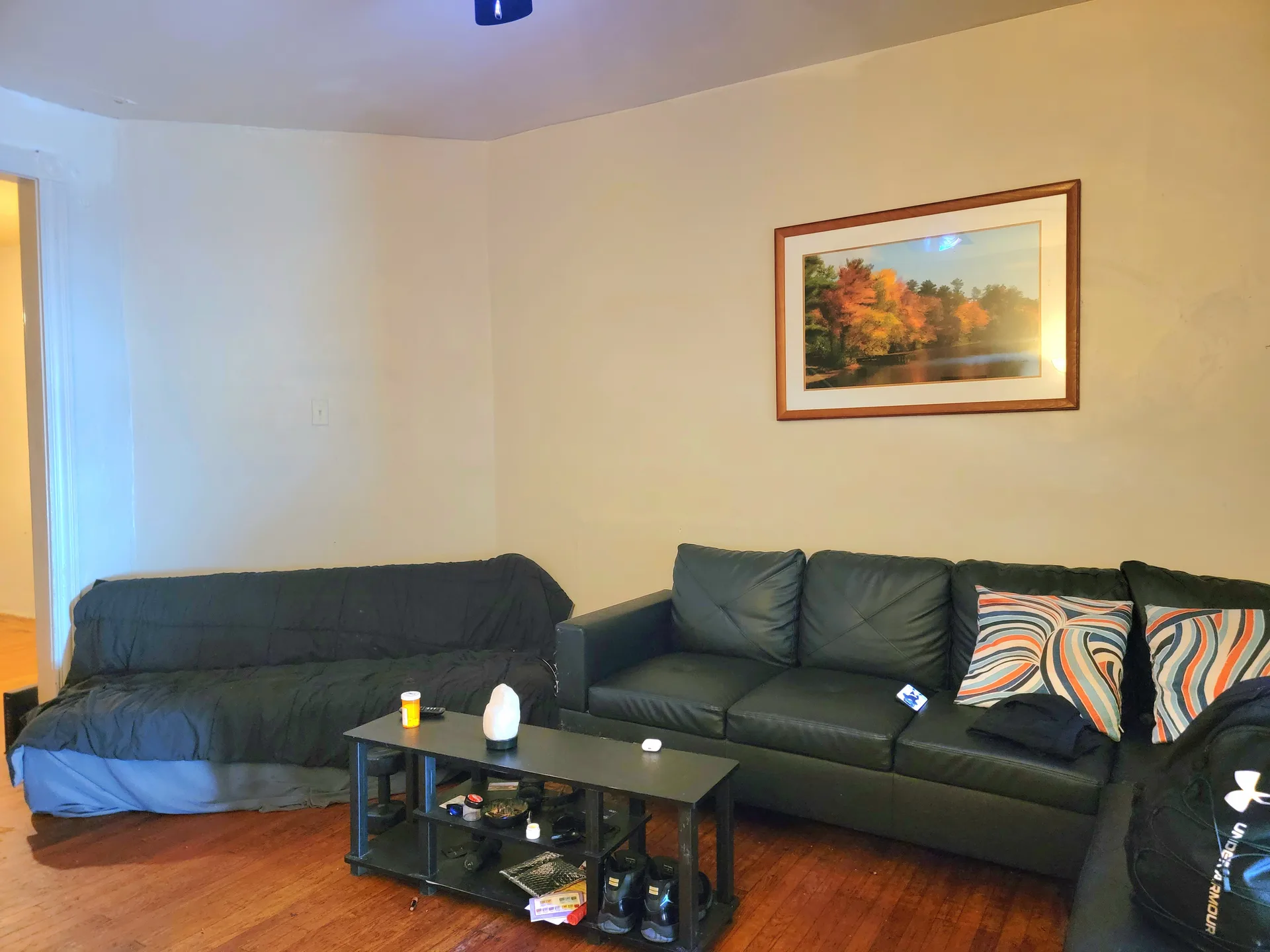
A furnished living room with hardwood floors in a Philadelphia home, the family space at the center of a Fox Chase short sale or bankruptcy decision
Short Sales

Should I File Bankruptcy or Do a Short Sale on My Fox Chase Home in Philadelphia?

For most Fox Chase homeowners, a short sale is the more direct path: it settles the mortgage with the lender's written approval and keeps a bankruptcy filing off your credit record. Bankruptcy is the right call in specific situations, mainly when a sheriff's sale is close or your debts reach well beyond the mortgage, because it stops the foreclosure clock through the automatic stay but leaves a much heavier, longer mark on your credit.

Fox Chase sits in the far northeast corner of Philadelphia, ZIP code 19111, near Pennypack Park and the SEPTA Fox Chase Line terminus on Rhawn Street, which takes you through the city and into Center City. It is a neighborhood of postwar brick twins, rowhomes, and single-family houses, many owned by the same family for decades. When the mortgage on one of those homes sits above what the market will pay today, homeowners start weighing two very different ways out: bankruptcy and a short sale. They are not interchangeable, and knowing how each one actually works changes the decision.

What does bankruptcy actually do when a foreclosure is pending?

Filing any bankruptcy petition triggers the automatic stay, a court order that immediately pauses most collection activity, including the foreclosure case and the sheriff's sale, while the case is open. In Pennsylvania, where foreclosure runs through the court system, that pause is the main reason homeowners file: it stops the clock on a scheduled sheriff's sale. The pause is not permanent. A lender can ask the court for relief from the stay, so bankruptcy buys time, it does not fix the underlying problem on its own.

Does bankruptcy make the mortgage go away?

No. A discharge eliminates your personal liability on the mortgage, the promise to pay, but the lien, the bank's claim on the house, survives the bankruptcy. If you want to keep the home, you keep paying on the loan through the plan. If you surrender the home, the lender can still take it through foreclosure, but after a completed discharge it generally cannot come after you personally for the difference. That protection is the big difference from a short sale in Pennsylvania, a recourse state where the lender can otherwise pursue a deficiency judgment for the shortfall.

How do the credit marks compare?

A Chapter 7 bankruptcy stays on your credit report for up to 10 years from the filing date, and a Chapter 13 for up to 7 years, under federal credit-reporting rules. A foreclosure stays on the report up to 7 years. A short sale does not show up as a short sale: the mortgage account is typically reported as settled for less than the full balance, a negative mark that is generally lighter than a foreclosure and falls under the same roughly 7-year window for delinquent accounts. The practical effect is that a short sale usually leaves you in a stronger position to buy again sooner than either a foreclosure or a bankruptcy filing.

What happens to the money you still owe?

After a short sale, Pennsylvania law allows the lender to pursue a deficiency judgment for the gap between what you owed and what the sale brought, unless the lender agrees in writing to waive it. Andre works to try and secure a deficiency waiver so the lender does not come after you for that difference. Bankruptcy approaches the same problem from the other side: the discharge removes your personal liability on the debt, though the lien on the home still stands. A bankruptcy attorney and a tax professional are the right people to confirm how each route applies to your exact numbers.

Which one fits a Fox Chase homeowner?

Start with the timeline and the size of the debt. If a sheriff's sale is weeks away and you owe on many other bills, a bankruptcy attorney can explain whether the automatic stay and a repayment plan make sense for you. If the problem is mostly the house, the mortgage, and the sale price, a short sale usually moves faster, keeps the filing off your record, and lets you close the chapter with a real buyer and the lender's written approval. The two are not always either-or: some homeowners use a Chapter 13 to hold off the sheriff's sale while a short sale closes, then have the case dismissed once the sale is done. Andre reviews your situation and gives you an honest read on which path deserves your energy. His short-sale specialists handle the lender negotiations and the short-payoff approval. If speaking with the lender is the best route, he guides you to coordinate with your lender.

The full step-by-step for selling a Fox Chase home for less than you owe, with your lender's approval, is on the short sale help page for Fox Chase. If the foreclosure clock is also moving, the stop foreclosure help in Fox Chase page shows how the court dates and the sheriff's sale line up against a short sale, and the foreclosure and short sale guidance for Philadelphia ties the timelines and lender negotiations together. If the home was already listed and did not sell, the expired listing help in Fox Chase page shows how a relaunch fits with a short payoff. For the legal side of what homeowners can do when foreclosure looms, start with the legal protections Philadelphia homeowners have when facing foreclosure.

If you are weighing bankruptcy against a short sale for your Fox Chase home, tell Andre your situation and he will give you a straight read on the road ahead. Call 267-977-0304 or book a free consult. Every conversation is confidential, and there is no judgment, only solutions.
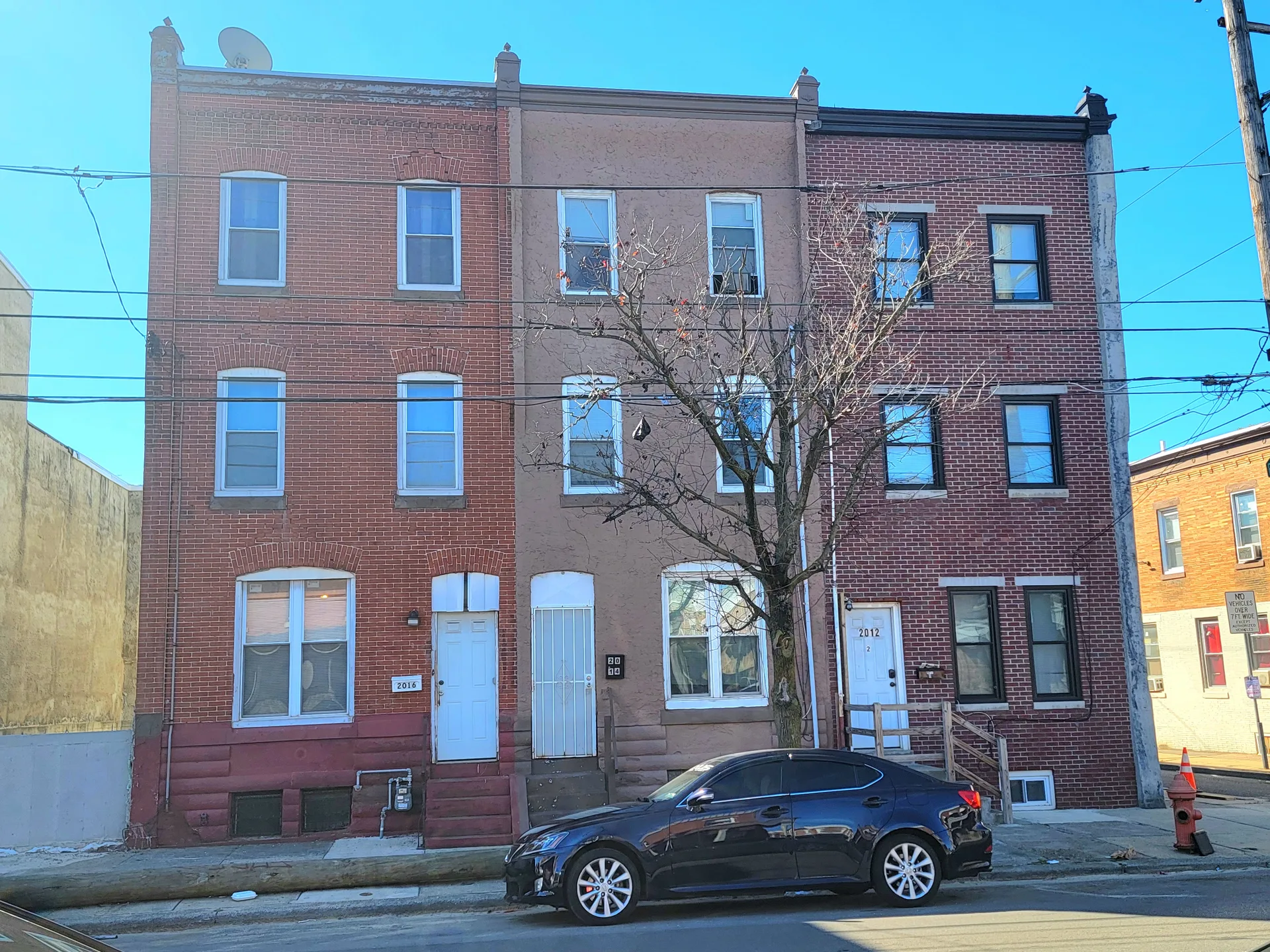
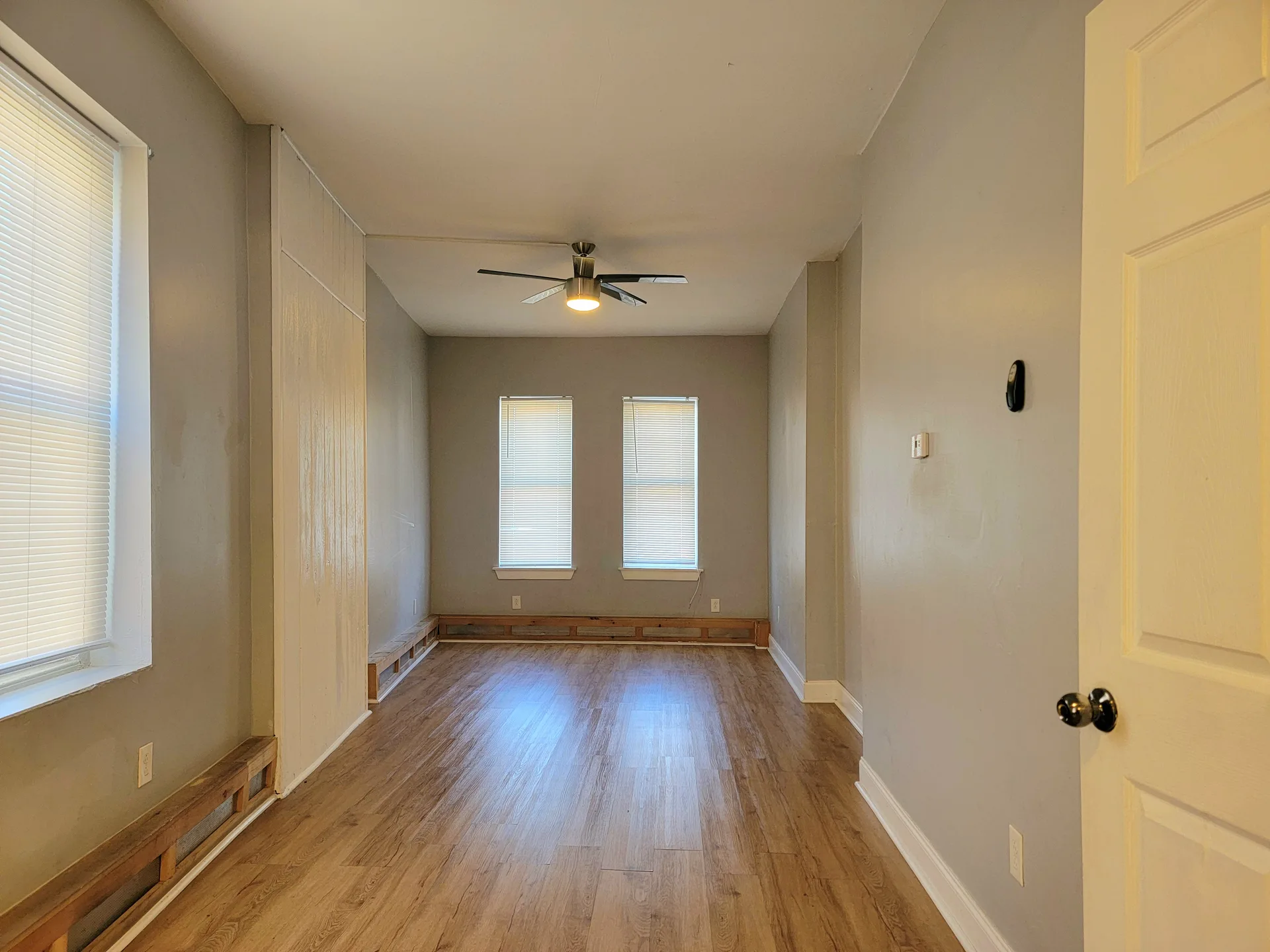
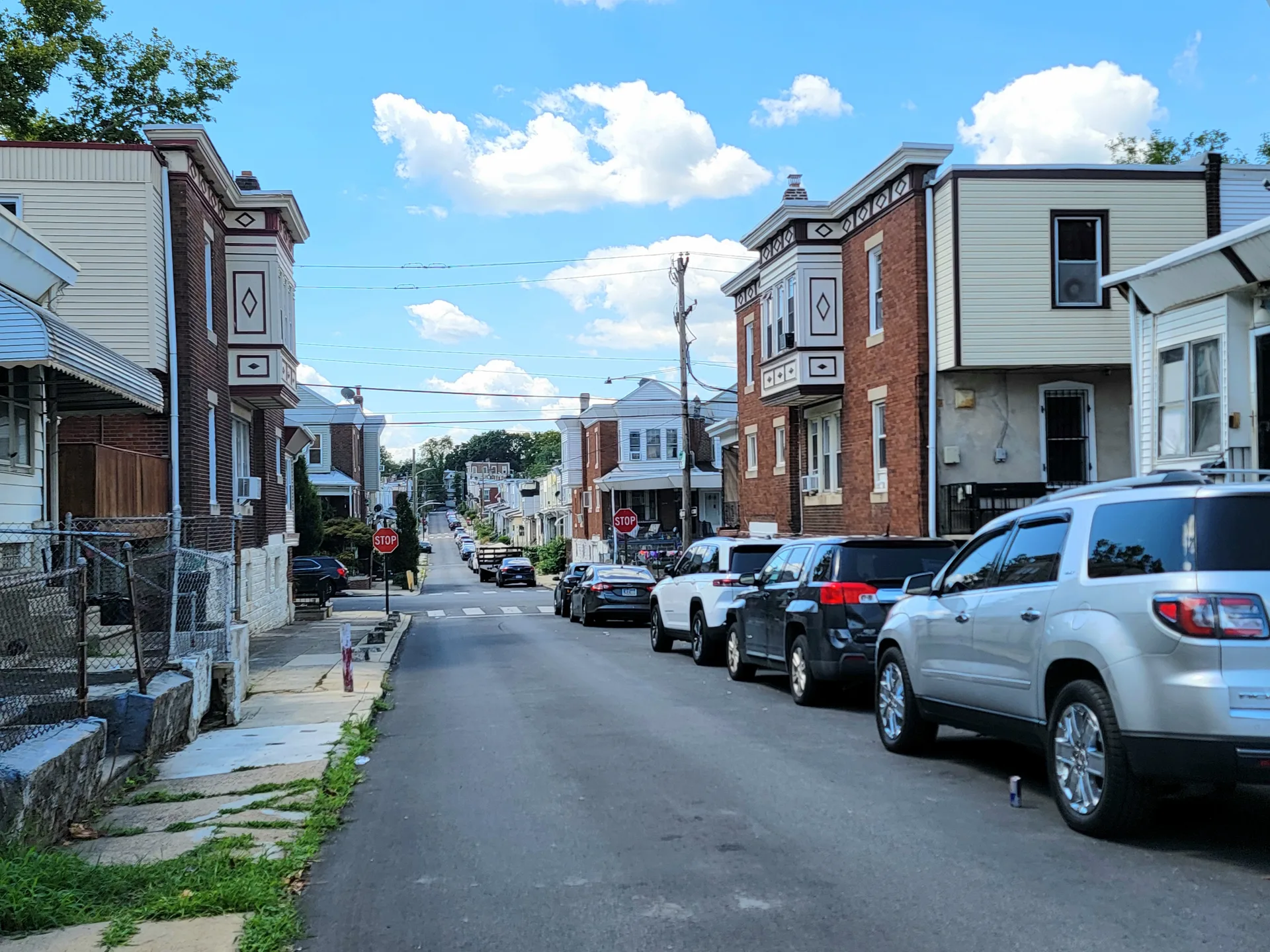
A street of brick townhouses in Northeast Philadelphia, the kind of nearby block a Fox Chase owner walks while deciding what to do after an Act 91 notice
Short Sales

Can I Do a Short Sale on My Fox Chase Home Right After Getting an Act 91 Notice in Philadelphia?

Yes. Receiving an Act 91 notice does not bar a short sale on your Fox Chase home, and the notice is actually Pennsylvania's way of giving you time to avoid foreclosure, with selling the property listed among your options. It is a required letter your lender must send before filing foreclosure, not a verdict, and a short sale stays open to you as long as it closes before any sheriff's sale moves forward.

Fox Chase sits in the far northeast corner of Philadelphia, ZIP code 19111, near Pennypack Park and the SEPTA Fox Chase Line terminus on Rhawn Street, which takes you through the city and into Center City. It is a neighborhood of postwar brick twins, rowhomes, and single-family houses, many owned by the same family for decades. An Act 91 notice can arrive at any of those front doors once a mortgage falls a couple of months behind, and it is easy to read it as proof that the ending is already settled. It is not. The letter is a starting line, and the weeks after it arrives are exactly when a short sale helps you keep control.

What is an Act 91 notice, and when do I get one?

Under Pennsylvania Act 91, the state's Homeowner's Emergency Mortgage Assistance Act, your lender must send you an Act 91 notice, sometimes called a Notice of Intention to Foreclose, before it can file a foreclosure against your home. It cannot be sent before you are roughly two months behind, and it must reach you at least 30 days before any foreclosure action is filed. The letter explains your right to catch up on the payments, tells you about HEMAP help through the Pennsylvania Housing Finance Agency, and lists ways to avoid foreclosure, including selling or transferring the property.

Does an Act 91 notice mean foreclosure is already happening?

No. The notice is a required warning that comes before the courtroom, not the foreclosure itself. Pennsylvania requires it so you get a window to act while the outcome is still in your hands. Homeowners across Philadelphia use that window to sell rather than face a sheriff's sale, and a sale can be a deliberate part of avoiding foreclosure rather than a last-minute scramble. Getting the notice is a prompt to decide, not a signal that the decision has already been made.

Can a short sale still work after an Act 91 notice?

Yes, as long as the short sale closes before the lender moves the case forward. A short sale is a normal market sale in which your lender approves letting you sell for less than what you owe, and it needs time to run, often a few months of marketing, offers, and lender review. That timing is why early action matters so much. Short-sale specialists handle the lender negotiations and the short-payoff approval on the team Andre guides. Andre reviews your situation and helps you get from the notice to a plan. If speaking with the lender is the best route, he guides you to coordinate with your lender.

What should I do first after the Act 91 notice arrives?

Read the letter for the date and the exact amount you would need to cure, then decide early whether you are fixing the payments or selling, because that choice drives everything after it. If selling is the direction, gather the hardship paperwork the lender will expect and get the home moving before the timeline tightens. A short sale only keeps you in control if it actually closes first. Andre also works to try and secure a deficiency waiver so the lender does not pursue you for the gap after the sale; a waiver is not guaranteed, and Pennsylvania is a recourse state, so have a tax professional and your own advisors confirm your full position before you sign.

The full step-by-step for selling a Fox Chase home for less than you owe, with your lender's approval, is on the short sale help page for Fox Chase. If the foreclosure clock is also moving, the stop foreclosure help in Fox Chase page shows how the court dates and the sheriff's sale line up against a short sale, and the foreclosure and short sale guidance for Philadelphia ties the timelines together. If the home was already listed and did not sell, the expired listing help in Fox Chase page shows how a relaunch fits with a short payoff. For an earlier look at all your options before any filing, start with thinking about a short sale for your Philadelphia home.

If an Act 91 notice is sitting on your counter and you are deciding what comes next for your Fox Chase home, tell Andre your situation and he will give you a straight read on the road ahead. Call 267-977-0304 or book a free consult. Every conversation is confidential, and there is no judgment, only solutions.
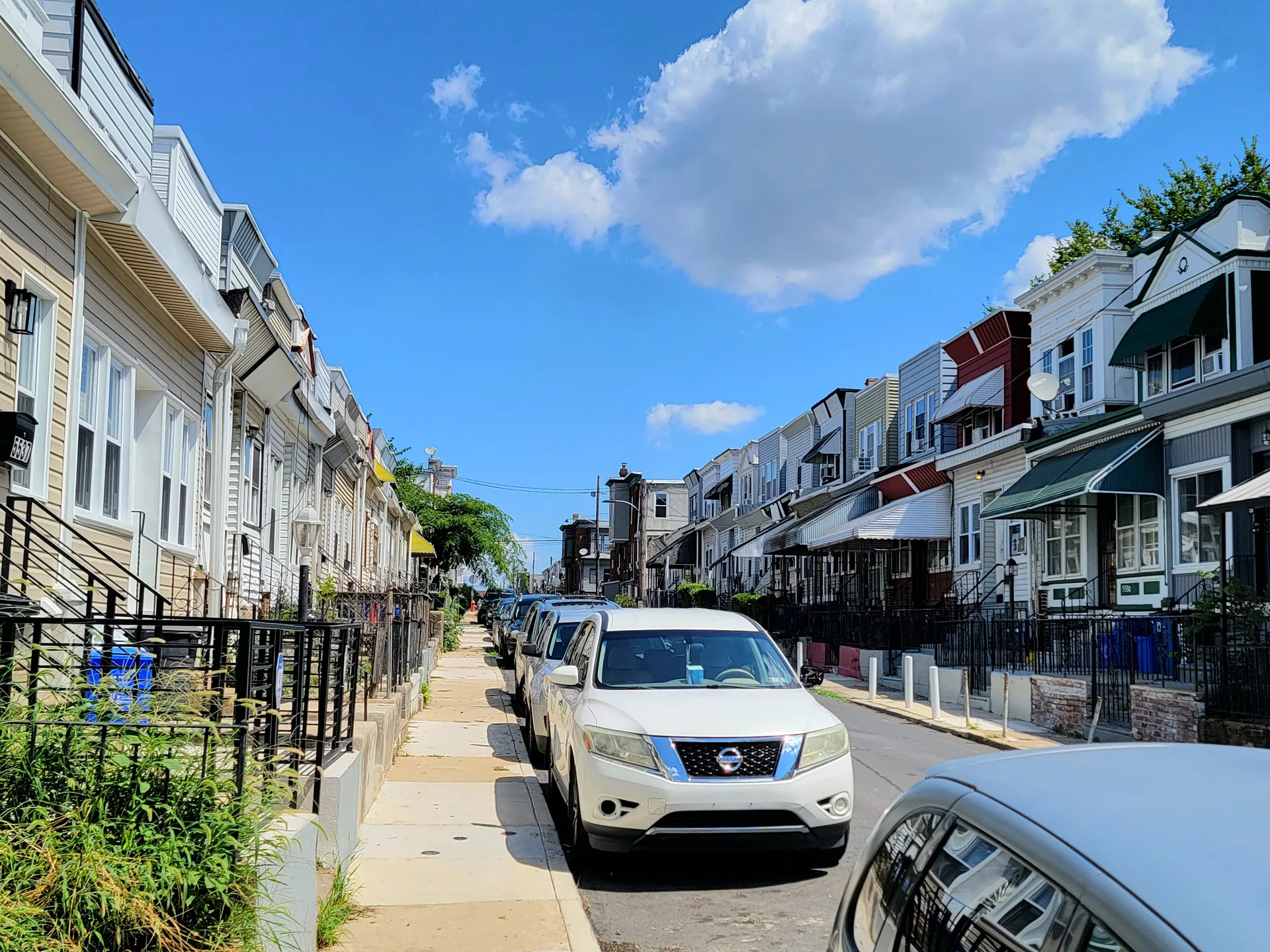
A clean, sunlit empty bedroom in a Northeast Philadelphia home, the kind of interior a Fox Chase owner might prepare as they work through a short sale
Short Sales

Will I Owe Taxes on the Forgiven Debt from a Short Sale in Fox Chase, Philadelphia?

In most cases, yes. When your lender agrees to a short sale on your Fox Chase home and forgives part of what you owe, the IRS can treat that forgiven amount as taxable income, reported to you on Form 1099-C. Whether you actually owe depends on your situation, because the special home-mortgage exclusion that once protected forgiven debt on a primary residence has expired for 2026 discharges, so exceptions like insolvency matter more than ever.

Fox Chase sits in the far northeast corner of Philadelphia, ZIP code 19111, near Pennypack Park and the SEPTA Fox Chase Line terminus on Rhawn Street, which takes you through the city and into Center City in about thirty minutes. It is a neighborhood of postwar brick twins, rowhomes, and single-family houses, many owned by the same family for decades. When the value of a Fox Chase home dips below what remains on the mortgage, a short sale lets you sell for today's market value with your lender's written approval. It can protect your credit and give you a clean close, and knowing your tax picture before you sign helps you plan without surprises.

How does forgiven debt become taxable income?

When the lender accepts less than the full balance and writes off the rest, that written-off portion is called canceled debt. The IRS generally treats canceled debt as income for the year it is discharged, the same way a paycheck is income. You usually receive a Form 1099-C that shows the amount, and that number can flow into your Pennsylvania state return as well as your federal one, because Pennsylvania largely follows the federal treatment of canceled debt.

Did the home-mortgage debt exclusion really expire?

Yes. The special home-mortgage exclusion created by the Mortgage Forgiveness Debt Relief Act let homeowners set aside forgiven mortgage debt on a primary residence, up to a limit. That exclusion has expired for discharges in 2026 and has not been renewed, so for a short sale that closes this year the forgiven amount is generally not protected by that old rule. That is exactly why it pays to run your numbers before you file instead of assuming the old tax break still covers you.

What if my debts are more than my assets?

If you are insolvent, meaning your total debts exceed your total assets right before the debt is forgiven, the canceled debt can be excluded from taxable income up to the amount you are insolvent. This exception is common for owners who owe more than the house is worth and carry other debt. It does not apply on its own; you typically document it with IRS Form 982. A tax professional can confirm whether it fits your Fox Chase situation.

When should I get tax help for a short sale?

Ask early, before the short sale closes if you can. Save the final settlement statement, any lender forgiveness letter, and the 1099-C when it arrives. Your short-sale team handles the lender negotiations and the short-payoff approval, and Andre reviews your situation and guides you from the first call through closing. If speaking with the lender is the best route, he guides you to coordinate with your lender. Andre also works to try and secure a deficiency waiver so the lender does not pursue you for the gap after the sale. A waiver is not guaranteed, and even with one the forgiven amount can remain a tax topic, so have a CPA or tax preparer review the year-end picture.

The full step-by-step for selling a Fox Chase home for less than you owe, with your lender's approval, is on the short sale help page for Fox Chase. If a foreclosure case is also moving, the stop foreclosure help in Fox Chase page shows how the court dates and the sheriff sale line up against a short sale, and the foreclosure and short sale guidance for Philadelphia ties the timelines and lender negotiations together. If the home was already listed and did not sell, the expired listing help in Fox Chase page shows how a relaunch fits with a short payoff. For the bigger question of whether a sale can stop the process at all, read about whether a short sale can stop foreclosure in Philadelphia.

If you are weighing a short sale on a Fox Chase home and you want to understand the financial path before you decide, tell Andre your situation and he will give you a straight read on the road ahead. Call 267-977-0304 or book a free consult. Every conversation is confidential, and there is no judgment, only solutions.
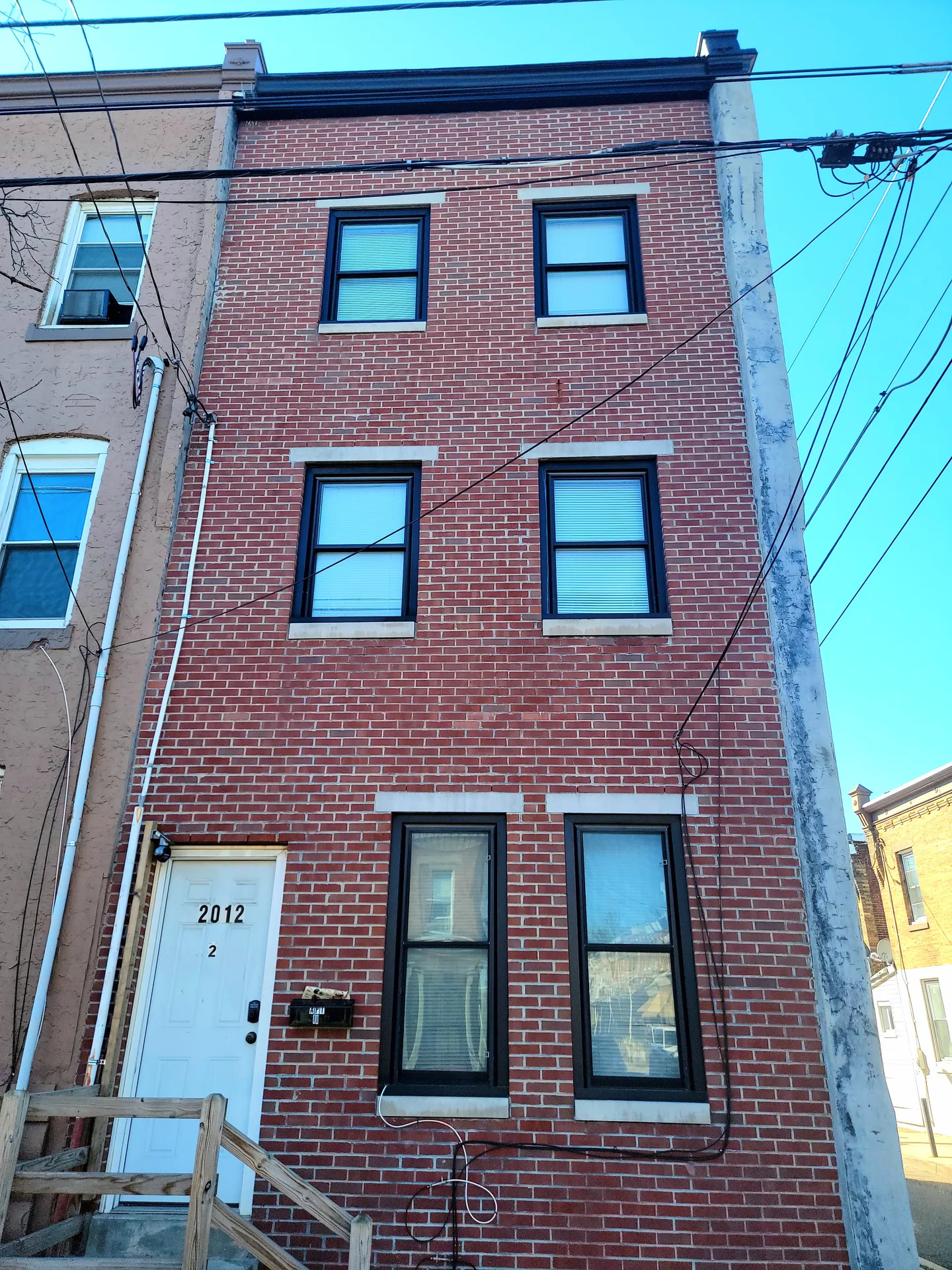
A tree-lined residential street of rowhouses in Fox Chase Philadelphia, the kind of postwar neighborhood shown in a short sale guide for owners relocating for work
Short Sales

Can I Do a Short Sale on My Fox Chase Home If I'm Relocating for Work?

Yes, relocating for a new job is an accepted hardship reason for a short sale on your Fox Chase home, as long as you document the move honestly and you cannot realistically keep carrying the mortgage after it. The process works the same as any Philadelphia short sale, and you can move ahead with the sale even if you have already left for the new job.

Fox Chase sits in the far northeast corner of Philadelphia, ZIP code 19111, near Pennypack Park and the SEPTA Fox Chase Line terminus on Rhawn Street, which takes you through the city and into Center City in about thirty minutes. It is a neighborhood of postwar brick twins, rowhomes, and single-family houses, many owned by the same family for decades. When a job pulls you out of the area and you owe more than the house is worth today, a short sale lets you sell for the current market value with your lender's written approval. That way the move does not add the weight of a foreclosure to an already big change.

Does relocating for work count as a hardship for a short sale in Fox Chase?

Yes. Relocation, including a job transfer or an out-of-state move for a new position, is an accepted hardship reason that lenders consider. What matters is honesty and proof. You will be asked for a hardship letter that explains the move, plus documents that support it, such as a job offer, a relocation letter from your employer, recent paystubs, and bank statements. The lender wants to see that the move is real and that paying a mortgage on a Fox Chase home from a distance is more than the budget can carry.

Can I sell my Fox Chase home short if I have already moved?

Yes. You do not have to be living in the house to pursue a short sale, and sellers who have relocated go through it every day. The home can be sold while it is vacant, and you can sign the listing agreement, the buyer's offer, and the closing documents from wherever the new job takes you. Moving out of the area does not close the door. It is often exactly what a relocating owner wants: get the home sold and off your hands while you settle somewhere new.

Who handles the lender and the paperwork while I am in another state?

Short-sale specialists handle the lender negotiations and the short-payoff approval. They prepare the hardship package, present the sale to the lender's loss mitigation team, and keep the file moving while you focus on the new job. Andre reviews your situation and guides you from the first call through closing. If speaking with the lender is the best route, he guides you to coordinate with your lender. From a distance you might confirm a detail or sign a form, but you are not expected to run the negotiation yourself.

What about the money I still owe after the sale?

When the lender approves a short sale, it agrees to accept the sale price as payment and releases its mortgage on the home. Whether it also forgives the difference between what you owe and what the home sells for is a separate decision, so it is worth asking about before you commit to the move. Andre works to try and secure a deficiency waiver so the lender does not come after you for the gap after you have relocated. Nothing about a waiver is guaranteed, but raising it early means you will know where you stand instead of wondering later.

The full step-by-step for selling a Fox Chase home for less than you owe, with your lender's approval, is on the short sale help page for Fox Chase. If a foreclosure case is also moving, the stop foreclosure help in Fox Chase page shows how the court dates and the sheriff sale line up against a short sale, and the foreclosure and short sale guidance for Philadelphia ties the timelines and lender negotiations together. If the home was already listed and did not sell, the expired listing help in Fox Chase page shows how a relaunch fits with a short payoff. For a plain-terms overview of the whole process, start with thinking about a short sale for your Philadelphia home.

If you need to move for work and you owe more than your Fox Chase home is worth, tell Andre your situation and he will give you a straight read on the path ahead. Call 267-977-0304 or book a free consult. Every conversation is confidential, and there is no judgment, only solutions.
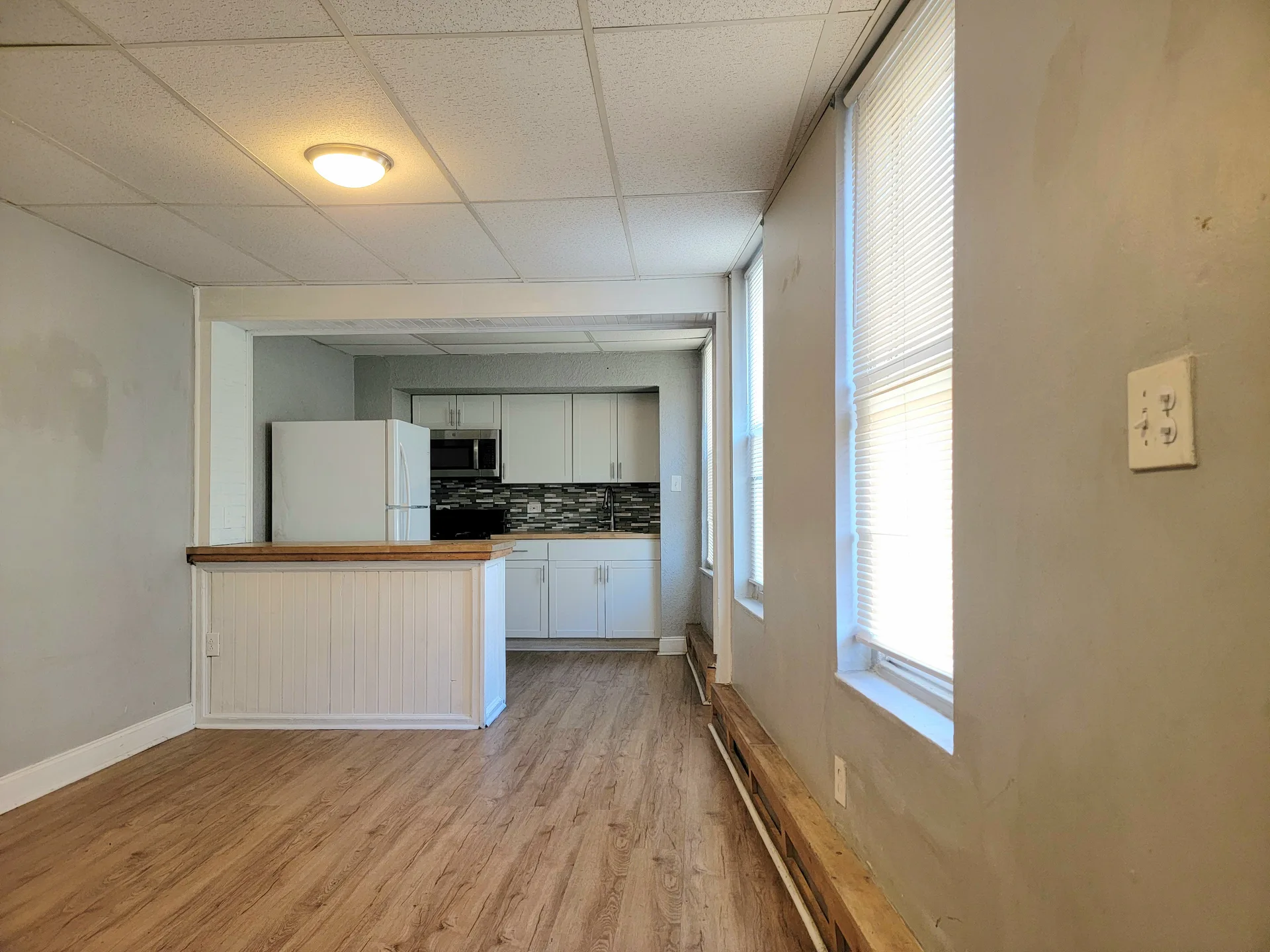
A red brick townhome facade in Northeast Philadelphia under a clear blue sky, the kind of housing found across Fox Chase, shown with a guide on what to look for in a short sale agent
Short Sales

What Should I Look for in a Short Sale Agent in Fox Chase, Philadelphia?

Look for a short sale agent who understands how short sales actually move in Fox Chase: how a lender reviews the hardship package, how the sale price gets approved, and how the whole process lines up against a foreclosure case. The right team brings short-sale specialists who handle the lender negotiations, and Andre reviews your situation and guides you through every step along the way.

Fox Chase sits in the far northeast corner of Philadelphia, ZIP code 19111, with Pennypack Park along its northeast edge and the SEPTA Fox Chase Line terminus on Rhawn Street taking you to Center City in about thirty minutes. The neighborhood's tree-lined blocks are a mix of single-family houses, twins, duplexes, and rowhomes, many of them owned by the same family for decades. When the mortgage on a home like that weighs more than the house can carry, the agent you choose matters as much as the choice to pursue a short sale at all. You are not just hiring someone to list a home. You are hiring someone to run a negotiation with your lender while you keep your life moving.

Who actually negotiates with the lender in a short sale?

Short-sale specialists handle the lender negotiations and the short-payoff approval. They prepare the hardship package, present the sale to the lender's loss mitigation team, and ask the lender to formally approve selling the home for less than what is owed. That is the part that decides whether the short sale closes, so it belongs in experienced hands. Andre reviews your situation, lays out the path, and keeps you informed. If speaking with the lender is the best route, he guides you to coordinate with your lender.

What should an agent know about Fox Chase homes?

The housing stock matters more than it sounds. Fox Chase is a neighborhood of postwar brick twins, rowhomes, and single-family houses near Pennypack Park, Burholme Park, and the Fox Chase Regional Rail station. An agent who knows the area knows how these homes price, what buyers in the neighborhood respond to, and how to present a short sale so the lender can approve the numbers. Local knowledge is what keeps a short sale from stalling on a price that never gets approved.

How should the agent handle a foreclosure timeline?

Ask directly how the agent's process works when a sheriff's sale is already scheduled. A short sale has to move ahead of the foreclosure calendar, not behind it. The agent should be able to show you how the hardship package, the buyer's offer, and the court dates line up, and should keep you updated at every turn so you are never guessing about where things stand.

What should you ask before you hire anyone?

Before you sign anything, ask a few plain questions. Who negotiates with the lender? What paperwork will you need from me? How often will you update me, and through what channel? What does the timeline look like from here? What happens if the buyer's financing falls through? Ask about the unpaid balance too. When the lender approves a short sale, it agrees to accept the sale price as payment, but whether it forgives the gap between what you owe and what the home sells for is a separate decision. Andre works to try and secure a deficiency waiver so the lender does not come after you for the difference. Nothing about a waiver is guaranteed, but if the agent raises it from the start, you will know where you stand instead of wondering later.

What if your home was already listed and did not sell?

A past listing that expired does not close the door on a short sale. It often explains a lot about why the price never worked the first time. The expired listing help in Fox Chase page shows how a relaunch fits with a short payoff, and it is worth reading before you talk to anyone.

The full step-by-step for selling a Fox Chase home for less than you owe, with your lender's approval, is on the short sale help page for Fox Chase. If a foreclosure case is also moving, the stop foreclosure help in Fox Chase page shows how the court dates and the sheriff sale line up against a short sale, and the foreclosure and short sale guidance for Philadelphia ties the timelines and lender negotiations together. For a plain-terms overview of the whole process, start with thinking about a short sale for your Philadelphia home.

If you are weighing a short sale on a Fox Chase home, tell Andre your situation and he will give you a straight read on the path ahead. Call 267-977-0304 or book a free consult. Every conversation is confidential, and there is no judgment, only solutions.
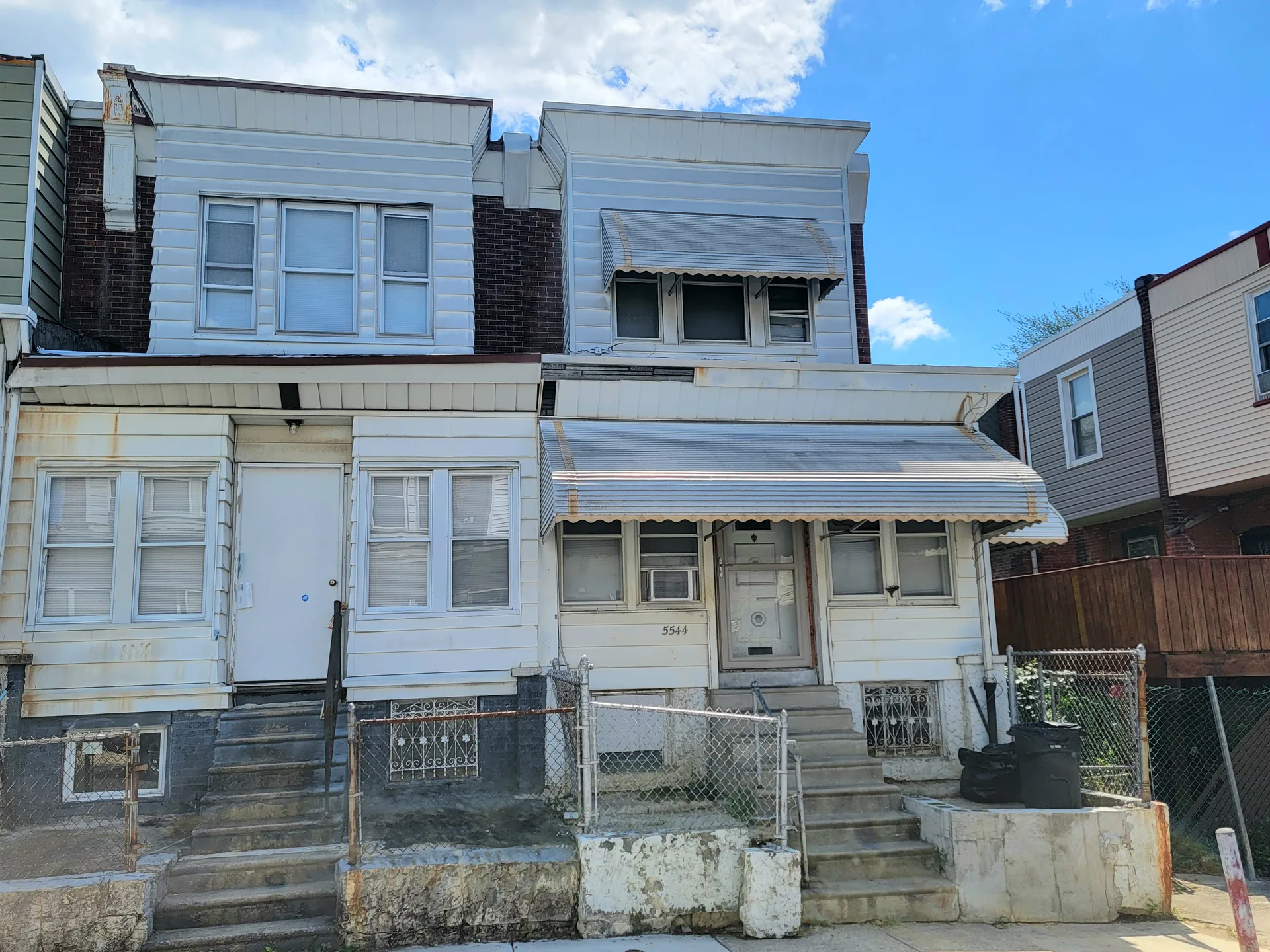
A bright, neutral master bedroom in a Fox Chase Philadelphia home, natural daylight through the windows, shown with a short sale guide on whether the owner has to negotiate with the lender
Short Sales

Do I Have to Negotiate With My Lender Myself During a Short Sale in Fox Chase, Philadelphia?

No, you do not have to face the lender alone. In a short sale on your Fox Chase home, the negotiation with the bank is handled for you by short-sale specialists, and Andre reviews your situation and guides you from the first call through closing. The owner's real job is gathering documents and making informed decisions, not arguing the case with the lender.

Fox Chase sits in the far northeast corner of Philadelphia, ZIP code 19111, with Pennypack Park along its northeast edge and the SEPTA Fox Chase Line terminus on Rhawn Street taking you to Center City in about thirty minutes. The neighborhood's tree-lined blocks are a mix of single-family houses, twins, duplexes, and rowhomes, many of them owned by the same family for decades. When the mortgage is larger than the current value of a house like that, a short sale lets you sell for what the market will pay today, with the lender's written approval, instead of leaving the outcome to a foreclosure timeline. And the piece that worries most owners, dealing with the bank directly, is exactly the piece handled by specialists.

Who negotiates with the lender in a short sale?

Short-sale specialists handle lender negotiations and the short-payoff approval. They are the people who prepare the hardship package, present the sale to the lender's loss mitigation team, answer the follow-up questions about the file, and ask the lender to formally approve selling the home for less than what is owed. The lender works through the same professionals it works with on every short sale, so the back-and-forth stays organized and stays on track. You provide the facts about your situation, and the specialists carry the negotiation.

So what exactly is my job as the Fox Chase homeowner?

Your job is centered on your own information, not on the bank. You verify the facts of your hardship, gather the financial paperwork, and answer questions about your situation honestly. You review the offer a buyer makes, you decide whether to accept the approved price, and you sign the documents at closing. Meanwhile Andre works with you to understand your goal, lays out the path, and keeps you informed. If speaking with the lender is the best route, he guides you to coordinate with your lender.

Will I still have to talk to the bank at all?

You might be asked to confirm a detail or sign a form, but you are not expected to become the negotiator. Lenders often want to hear from the homeowner that the hardship is real and the intent is serious, and a short, honest call can help the file move more smoothly. You are never left guessing what to say. Your guidance comes from Andre, and the formal negotiation belongs to the short-sale specialists working on your file.

What happens to the money I still owe after the sale?

This is where a deficiency waiver matters, and it is worth asking about early. When the lender approves a short sale, it agrees to accept the sale price as payment and releases its mortgage on the home. Whether the lender also forgives the unpaid balance is a separate decision, and that decision does not happen by itself. Andre works to try and secure a deficiency waiver so the lender does not come after you for the gap between what is owed and what the home sells for. Nothing about a waiver is guaranteed, but if it is part of the conversation from the start, you will know where you stand instead of wondering later.

How do I start a short sale in Fox Chase?

You start by checking the facts the lenders will ask about: your mortgage balance, your hardship, and what homes like yours are selling for in Fox Chase today. Then you get those facts in front of someone who has run short sales before. Andre reviews your situation and gives you an honest read on the best path forward. The full step-by-step for selling a Fox Chase home for less than you owe, with your lender's approval, is on the short sale help page for Fox Chase.

If a foreclosure case is also moving, the stop foreclosure help in Fox Chase page shows how the court process lines up against a short sale, and the foreclosure and short sale guidance for Philadelphia ties the timelines together. If your home was already listed and did not sell, the expired listing help in Fox Chase page shows how a relaunch fits with a short payoff. For a plain-terms overview of the whole process, start with thinking about a short sale for your Philadelphia home.

If you are wondering whether a short sale is the right step for your Fox Chase home, tell Andre your situation and he will give you a straight read. Call 267-977-0304 or book a free consult. Every conversation is confidential, and there is no judgment, only solutions.
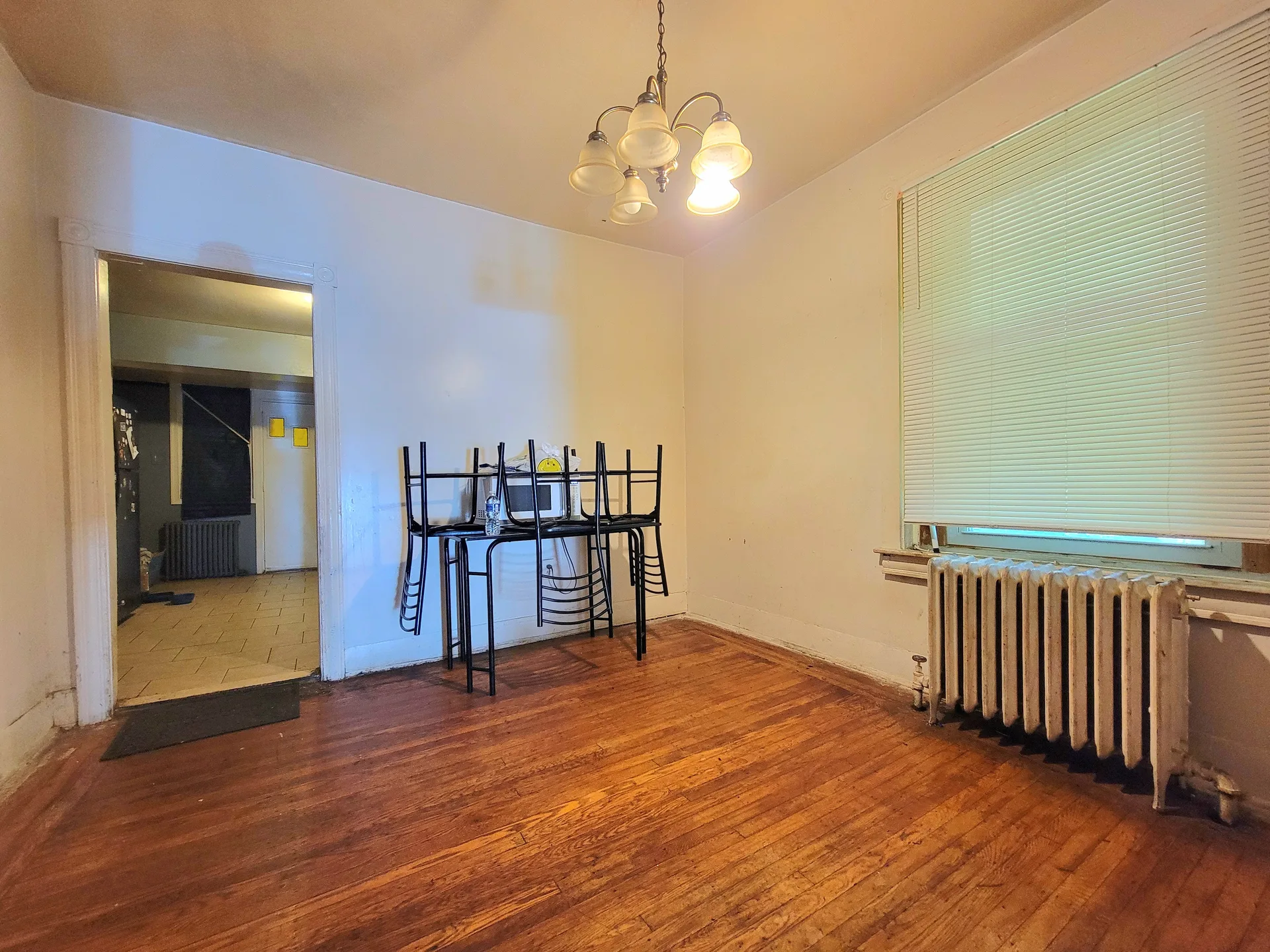
A row of brick and stucco townhouses on a sunny Northeast Philadelphia street, the kind of housing found across Fox Chase, with a short sale guide on why an appraiser visits
Short Sales

Why Is an Appraiser Visiting My Fox Chase Home During a Short Sale?

That visit is almost always the lender checking what your Fox Chase home is worth today, not a foreclosure inspection. Most short sale lenders order a broker price opinion (BPO) completed by a local real estate agent, and some order a full appraisal. The lender needs a current value before it will decide whether the offer on your house is reasonable.

Fox Chase sits in the far northeast corner of Philadelphia, ZIP code 19111, with Pennypack Park along its northern edge, Cottman Avenue to the south, and the Fox Chase Line train station at the end of the line. Much of the housing here went up in the middle of the last century, twins and brick rowhomes with a median year built of 1957. When you are selling a home like that short, the lender wants its own read on the value rather than relying on your word or the buyer's. That is what the appointment on your phone is about.

What is a BPO and why does the lender want one?

A broker price opinion is a value estimate prepared by a licensed real estate agent or broker, and it is faster and less expensive than a formal appraisal. The lender uses it to weigh two outcomes: what it would collect by approving your short sale against what it might recover by pushing the home through foreclosure. Because the BPO drives that math, the condition notes and photos in it matter as much as the final number. Loans backed by FHA or VA are often handled with a full appraisal instead, since those programs have their own valuation rules.

Was that just a foreclosure inspection?

Probably not, though the two visits can look alike from the sidewalk. Mortgage servicers also order routine property and occupancy inspections once a loan falls behind, and those are usually drive-bys where someone photographs the exterior and confirms the home is occupied and maintained. Neither visit is a sheriff sale notice, and neither means your house is being taken. Both are normal paperwork in a default, and both can happen in the same month.

Do I have to let the agent inside?

You are not legally required to open the door for a BPO agent, and if you decline, the agent will usually complete an exterior-only report. Many mortgage documents do give the lender a right to inspect the property, so a refusal can be read as a lack of cooperation. The bigger risk is the number. An outside-only look cannot see a newer roof, a renovated kitchen, or a finished basement, so the value can land lower than the home deserves, and a low value can stall or sink an approval. Scheduling the appointment and letting the agent walk the house is the safer path.

Will a low value kill my short sale?

Not automatically, and this is where the process stops being yours to carry alone. Andre reviews your situation and guides you from the first call through closing. His short-sale specialists handle the lender negotiations and the short-payoff approval. If speaking with the lender is the best route, he guides you to coordinate with your lender. When the sale closes, he works to try and secure a deficiency waiver so the lender does not come after you for the gap between the payoff and the sale price. The full sequence, start to finish, is on the short sale help page for Fox Chase.

How should I get a 1950s Fox Chase twin ready for the visit?

Skip the projects and keep the house plain and presentable. Clear the clutter, fix the dripping faucet, replace burned-out bulbs, and make sure the agent can reach the heater, the electrical panel, and the basement. Then write down what has been replaced and when: roof, windows, water heater, HVAC, kitchen, bathrooms. A short list on the counter gives the agent real facts to put in the report, and those facts are what push the value toward reality instead of a guess based on age.

If the house has a known issue, such as an old roof or a damp basement, do not hide it. Short sales are generally sold as-is, and the buyer will have their own inspection later. Hiding a problem only creates a second negotiation at the worst possible moment, and the honest version of the repair list is easier to defend.

What should I do when the call comes?

Answer or call back the same day, confirm the appointment in writing, and let Andre know the date so it can be tracked against your timeline. If a foreclosure case is also moving, time on the calendar matters even more, and the stop foreclosure help in Fox Chase page explains how the court dates and the sheriff sale line up against a short sale. The foreclosure and short sale guidance for Philadelphia ties the timelines together, and if your home was already listed and did not sell, the expired listing help in Fox Chase page shows how a relaunch fits with a short payoff. For a plain-terms overview of the whole process, start with thinking about a short sale for your Philadelphia home.

If a valuation appointment just showed up on your calendar and you are not sure what it means for your Fox Chase home, tell Andre your situation and he will give you a straight read. Call 267-977-0304 or book a free consult. Every conversation is confidential, and there is no judgment, only solutions.
A bright kitchen and living space with white cabinetry and natural light in a Fox Chase home, shown with a short sale guide on whether both spouses have to sign
Short Sales

Do Both Spouses Have to Sign a Short Sale on a Fox Chase Home in Philadelphia?

Yes. If both spouses are on the mortgage and the deed, both have to sign the short sale on a Fox Chase home, the same as any sale in Philadelphia. One spouse cannot sign for the other, and the deal cannot close until every name on the loan and the title agrees to the sale.

Fox Chase sits in the far northeast corner of Philadelphia, a neighborhood of postwar brick twins, rowhomes, and single-family houses near Pennypack Park, Burholme Park, and the Fox Chase Regional Rail station on Rhawn Street. Many of those homes have been owned by the same family for decades, and when a mortgage starts to outweigh the value of the house, a short sale can be the way forward. For couples, the question that comes up early is whether both spouses have to sign, because the answer shapes who you talk to and what you gather first.

Who has to sign the short sale paperwork?

Every person whose name is on the mortgage and on the deed. A short sale transfers title to a new buyer with the lender's approval, and title only moves when every owner signs the deed. At the same time, the lender will not release the mortgage until every borrower signs the short sale agreement and the payoff documents. When the same two names are on both the loan and the deed, both spouses sign everything. If the names differ, each person signs the parts that carry their name.

What if one spouse refuses to sign?

That is where many short sales stall, so it helps to understand why. No one can sign for a spouse who will not sign, and the lender will not approve a short sale without full cooperation from the homeowners, because the approval depends on a clean transfer to the buyer. The paths forward are a conversation at home, a power of attorney signed willingly, or, in a divorce, a court order that the marital home be sold. None of those are quick, which is why getting to the answer early matters so much. Andre reviews the situation with you and builds a plan around your lender and your timeline. His short-sale specialists handle the lender negotiations and the short-payoff approval. If speaking with the lender is the best route, he guides you to coordinate with your lender. When the sale does go through, he works to try and secure a deficiency waiver so the lender does not come after either spouse for the difference.

What if we are separated or heading toward divorce?

A divorce changes the timing, not the signature rule. In Pennsylvania, the court handling a divorce can order the sale of the marital home, and it can even appoint someone to sign the deed if a spouse still refuses, but that process takes months and adds its own costs. A short sale can still protect both spouses from the weight of a foreclosure, and it can be done while the divorce is pending as long as both parties agree to the sale and the lender approves the price.

What do both spouses have to provide to the lender?

Lenders usually ask for hardship paperwork from every borrower on the loan: a hardship letter, recent pay stubs, bank statements, and tax returns from both spouses, because both are responsible for the debt. The answers do not have to match line for line, but the lender needs the full picture before it will look at an offer. The smoother that paperwork is, the sooner a real offer can go to the lender. The short sale help page for Fox Chase walks through the whole process step by step.

What should a Fox Chase couple do first?

Start by confirming whose names are on the mortgage and whose names are on the deed. That one fact decides every signature you need, and it only takes a few minutes to check. Then gather the hardship paperwork and talk openly, because a short sale only works when every owner is on the same page. If a second mortgage or a judgment is also in the mix, the lender will want to know that too. If you are watching a foreclosure timeline as well, the stop foreclosure help in Fox Chase page shows how the court process and the sheriff sale fit around a short sale, and the foreclosure and short sale guidance for Philadelphia ties the timelines and lender negotiations together. If your home was already listed and did not sell, the expired listing help in Fox Chase page shows how a relaunch gets it sold. For a plain-terms overview of the short sale itself, start with thinking about a short sale for your Philadelphia home.

If you and your spouse are considering a short sale on your Fox Chase home, tell Andre your situation and he will give you an honest read on how to get every signature in place. Call 267-977-0304 or book a free consult. Every conversation is confidential, and there is no judgment, only solutions.

Front facade of attached brick row homes in Northeast Philadelphia, the housing style common across Fox Chase, featured with a short sale guide on what happens if a short sale falls through
Short Sales

What Happens If My Short Sale Falls Through in Fox Chase, Philadelphia?

A short sale can fall through when the buyer walks away, the lender approval expires, or the closing stalls, and when it does, the full mortgage and any arrears come back into view. That is not the end of your options: the same Fox Chase home can go back on the market, a new offer can go to the lender, and most collapses have a cause you can fix.

Fox Chase sits in the far northeast corner of Philadelphia, a neighborhood of brick twins, rowhomes, and single-family houses built between the 1920s and the 1970s, with Pennypack Park and Burholme Park close by and the Fox Chase Regional Rail station at the end of the line on Rhawn Street. When the mortgage outweighs the home, a short sale is how many homeowners try to close the chapter in Pennsylvania, and most of those sales do close. But not all of them. Buyers walk, approvals lapse, and closings stall, so the question homeowners ask when it happens is what comes next.

Why do short sales fall through?

A short sale is slower than a normal sale, so more can go wrong along the way. The most common cause is the buyer: financing falls apart, an inspection turns up something they cannot accept, or they simply lose interest during the months the lender takes to approve the price. The appraisal can also come in below the agreed price, which gives the lender a reason to say no. The lender's approval letter itself carries conditions and deadlines, and a closing that drags past them can let the approval lapse. Title problems can surface late, and sometimes the seller's own situation changes mid-process. Knowing which one stopped the sale is the first step, because most of these causes are fixable.

Will the foreclosure case keep moving while the short sale was pending?

A pending short sale does not automatically stop a foreclosure case in Pennsylvania. Whether the servicer holds the sheriff sale while short-sale loss mitigation is in progress depends on the lender and on how far the case has already moved, so it is worth knowing exactly where your case stands before you assume anything. If the sale collapses, any foreclosure timeline that was running can resume. The stop foreclosure help in Fox Chase page shows how the court process and the sheriff sale fit around a short sale, and the foreclosure and short sale guidance for Philadelphia ties the timelines and lender negotiations together.

Do I still owe the full mortgage if the sale falls through?

Yes, until a short sale actually closes with the lender's approval, the full mortgage balance and any arrears stay in place. A fallen-through sale does not erase anything, and it may not stop late fees or collection activity from stacking up. That is why the follow-up matters as much as the sale itself. Andre reviews the situation with you and builds a plan around your lender and your timeline, and when the sale does go through he works to try and secure a deficiency waiver so the lender does not come after you for the difference. His short-sale specialists handle the lender negotiations and the short-payoff approval. If speaking with the lender is the best route, he guides you to coordinate with your lender.

Can I try a short sale again after it falls through?

Yes. The same home can go back on the market, and a new buyer's offer can go to the lender for a fresh approval. The second attempt is not a rerun: it starts from everything the first one taught you. The denial or the collapsed deal usually points at what to fix, whether that is the asking price, the condition of the home, the type of buyer, or the pace of the paperwork. Relisting does not wipe the clock on the underlying mortgage, so the goal is to put the next offer in front of the lender as quickly and cleanly as possible. The short sale help page for Fox Chase walks through the full process step by step.

How do I keep the next attempt from falling through?

No short sale can be guaranteed, but the ones that close are the ones where the buyer, the price, and the paperwork line up. Work with a buyer who is genuinely ready to close rather than one who is still shopping. Price the home where the market will support the appraisal, keep the utilities on and the home maintained so nothing stalls the inspection, and answer lender requests quickly because approvals have deadlines. Every week the deal idles is a week the buyer can walk.

If your home was already listed before and that listing did not sell, the expired listing help in Fox Chase page shows how a relaunch gets it sold. For the bigger question of selling while the foreclosure clock is running, start with how to sell your home before foreclosure in Philadelphia and South Jersey.

If your Fox Chase short sale has fallen through, tell Andre what happened and he will give you an honest read on why, and on what to do next. Call 267-977-0304 or book a free consult. Every conversation is confidential, and there is no judgment, only solutions.

A bright dining room with hardwood floors and natural daylight in a Fox Chase twin, shown with a short sale guide comparing a deed in lieu of foreclosure to a short sale
Short Sales

Should I Do a Deed in Lieu Instead of a Short Sale on My Fox Chase Home in Philadelphia?

In most cases, no. A deed in lieu of foreclosure is usually a later-stage option, not a first choice, and most lenders expect a genuine short sale effort before they will consider one. For Fox Chase homeowners, a short sale keeps more control in your hands: your home goes on the market, real buyers make offers, and you see the price before your lender approves it.

If you own a home in Fox Chase and the mortgage has begun to weigh more than the house can carry, you have probably heard about two ways out: a short sale, where you sell for less than you owe with the lender's approval, and a deed in lieu of foreclosure, where you hand the home back to the lender by agreement. Fox Chase's brick twins, rowhomes, and single-family houses, most built between the 1920s and the 1970s near Pennypack Park and Burholme Park, hold steady appeal for buyers, and that appeal matters for only one of those paths. The question homeowners ask most often is which one to choose.

What is a deed in lieu of foreclosure?

A deed in lieu of foreclosure is a voluntary arrangement. You sign a deed transferring ownership of the home back to the lender, and the lender agrees to accept the property in satisfaction of the mortgage and to discontinue the foreclosure. The deed is notarized and recorded in the public records before the lender takes title. In Pennsylvania, where foreclosures run through the Court of Common Pleas, a deed in lieu can avoid the court process and the sheriff sale.

Why do most lenders expect a short sale attempt first?

Here is the part that often surprises homeowners. Lenders are not required to accept a deed in lieu, and many treat it as a last resort. Because a short sale moves through the open market, it usually recovers more for the lender than taking title to the property and reselling it later. That is why most lenders want to see a good-faith effort first, usually a loan modification attempt or a genuine short sale listing, before they will accept one. A short sale keeps the outcome market-driven: buyers, offers, and a price you can see before it is final.

What does a lender require before accepting a deed in lieu?

The terms must be in writing before you sign. Lenders typically want the title as clear as possible, because a second mortgage, a tax lien, or a judgment can make them refuse. They also want to see a good-faith effort, not an abandonment of a home you could still sell. If a deed in lieu is the route you and the lender end up on, every condition, including the move-out date and whether the remaining balance is released, belongs in the agreement before you sign.

Does a deed in lieu release me from the remaining balance?

Pennsylvania is a recourse state, which means the lender can pursue the shortfall after the property is gone unless the written agreement releases you. In a deed in lieu, that release is not automatic: it only exists if the lender agrees to it in writing. A short sale works the same way. Andre works to try and secure a deficiency waiver so the lender does not come after you for the difference. His short-sale specialists handle the lender negotiations and the short-payoff approval. If speaking with the lender is the best route, he guides you to coordinate with your lender.

Which path fits a Fox Chase home best?

Fox Chase sits in the far northeast corner of Philadelphia, served by the SEPTA Regional Rail station at the end of the Fox Chase line on Rhawn Street, with Pennypack Park and Burholme Park close by. Homes here carry real buyer demand, and a short sale is built to capture it: buyers make offers, and the lender reviews a number the market produced. A deed in lieu skips the market entirely, and with no sale price there is less to weigh and less room to negotiate a release you can live with. For most Fox Chase homeowners, the market-based path is the natural first step, and a deed in lieu stays in view as a backup only if the sale does not come together.

The full step-by-step for selling a Fox Chase home for less than you owe, with your lender's approval, is on the short sale help page for Fox Chase. If you are also watching a foreclosure timeline, the stop foreclosure help in Fox Chase page shows how the court process and the sheriff sale fit around a short sale, and the foreclosure and short sale guidance for Philadelphia ties the timelines and lender negotiations together. If your home was already listed and did not sell, the expired listing help in Fox Chase page shows how a relaunch gets it sold. For a plain-terms overview of the short sale itself, start with thinking about a short sale for your Philadelphia home.

If you own a home in Fox Chase and you are weighing a short sale against a deed in lieu, tell Andre your situation and he will give you an honest read on your options. Call 267-977-0304 or book a free consult. Every conversation is confidential, and there is no judgment, only solutions.

A residential street of attached brick homes in Northeast Philadelphia, the housing style common across Fox Chase, photographed for a short sale guide on when to move out
Short Sales

When Should I Move Out of My Fox Chase Home During a Short Sale in Philadelphia?

Stay in your Fox Chase home until the short sale closes. Moving out early is the exception, not the rule, and for most homeowners in Philadelphia the safer, simpler path is to keep living in the home until the sale is final.

Fox Chase sits in the far northeast corner of Philadelphia, a neighborhood of 1920s and 1950s brick twins, rowhomes, and split-levels on quiet, tree-lined streets near Burholme Park and the Fox Chase Regional Rail line. Many of those homes have been owned for decades, and when the mortgage starts to outweigh the value of the house, a short sale can be the way forward. If you are considering one, the question that comes up often is when you have to leave. The honest answer is that you do not have to leave yet.

Why is it usually safer to stay in your Fox Chase home until closing?

A vacant house invites trouble. An empty home is more likely to be broken into, vandalized, or damaged by weather and pests, and leaving it vacant can also void your homeowners insurance coverage. If the utilities get shut off and the house sits empty, it can put the whole sale at risk. Staying put keeps the home protected and keeps the sale moving. It can also matter to the lender: a home that looks abandoned can make the lender think the seller has moved on, which can complicate the approval.

When does moving out before closing actually make sense?

There are real exceptions. Moving out early makes sense if the home is already vacant, if there is major damage or a safety hazard, if the buyer asks for early occupancy, or if the lender's approval letter includes a move-out date as a condition of the deal. Relocation money, when it is part of the approval, can also come with an occupancy requirement. The point is that those cases come from the terms of the deal, not from pressure you put on yourself. There is no rule that you must leave the house before the short sale is approved, and leaving early usually adds risk instead of removing it.

What about relocation money to help me move?

Relocation assistance is not automatic, and it is not paid upfront. It is negotiated or offered through lender programs, and it is paid at or after closing, usually through the settlement statement, so you may still need funds to cover the move itself. When it is available, amounts commonly run from about $1,000 to $3,000 from many national lenders, with some programs providing more, and it usually requires the seller to be an owner-occupant who cooperates with the sale. If relocation money is a realistic part of your situation, it is handled as part of the approval rather than left to chance.

What happens if I stop making my mortgage payments during the short sale?

This is the decision that carries the most weight. Missing payments is usually the biggest single hit to your credit: at 30 days past due the loan is reported to the credit bureaus, and the lates, fees, and collection activity stack up from there. The servicer can also move the file toward foreclosure while the short sale is still pending, and if the short sale falls through and the arrears cannot be made up, the home can be lost anyway. A completed short sale typically leaves you in a position to buy again in about two to four years, while a foreclosure can push that much further out. Whether it makes sense to keep paying depends on your exact situation, which is exactly what a confidential conversation with Andre is for.

How do I know what the lender expects from me?

The short sale approval letter sets the terms: the accepted price, the closing date, who pays what, whether the lender releases you from the difference, and any occupancy or move-out conditions. Andre reviews the situation with you and builds a plan around your lender and your timeline. His short-sale specialists handle the lender negotiations and the short-payoff approval. If speaking with the lender is the best route, he guides you to coordinate with your lender. He also works to try and secure a deficiency waiver so the lender does not come after you for the difference, and he keeps you informed at every step.

The full step-by-step for selling a Fox Chase home for less than you owe, with your lender's approval, is on the short sale help page for Fox Chase. If you are also watching a foreclosure timeline, the stop foreclosure help in Fox Chase page shows how the court process and the sheriff sale fit around a short sale, and the foreclosure and short sale guidance for Philadelphia ties the timelines and lender negotiations together. If your home was already listed and did not sell, the expired listing help in Fox Chase page shows how a relaunch gets it sold. For a broader read on whether a short sale is the right call at all, start with thinking about a short sale for your Philadelphia home.

If you own a home in Fox Chase and you are wondering when you need to move out, tell Andre your situation and he will give you an honest read on your options and what to expect. Call 267-977-0304 or book a free consult. Every conversation is confidential, and there is no judgment, only solutions.

Your Fox Chase home
is worth protecting.

Let's talk about your options, today.

Want to know what your home is worth? Get a real valuation of your home's value.

Licensed. Local. Legit.

Pennsylvania License RS349905 · New Jersey License 1969348
HomeSmart Realty Advisors

Experience. Strategy. Results.

267-977-0304

Want the full picture of what happens during a foreclosure if nothing is done, including the court timeline and the sheriff sale? The stop foreclosure help in Fox Chase page walks through it step by step, while the foreclosure and short sale guidance for Philadelphia ties the timelines, credit impacts, and lender negotiations together. If your home has already been through a listing that did not sell, the expired listing help in Fox Chase page shows how a relaunch gets it sold, or contact Andre directly.