
Andre Richardson, the go-to agent for expired listings in Parkwood
Expired Listing Help

Expired Listing Help
in Parkwood

A smarter relist. A better result.

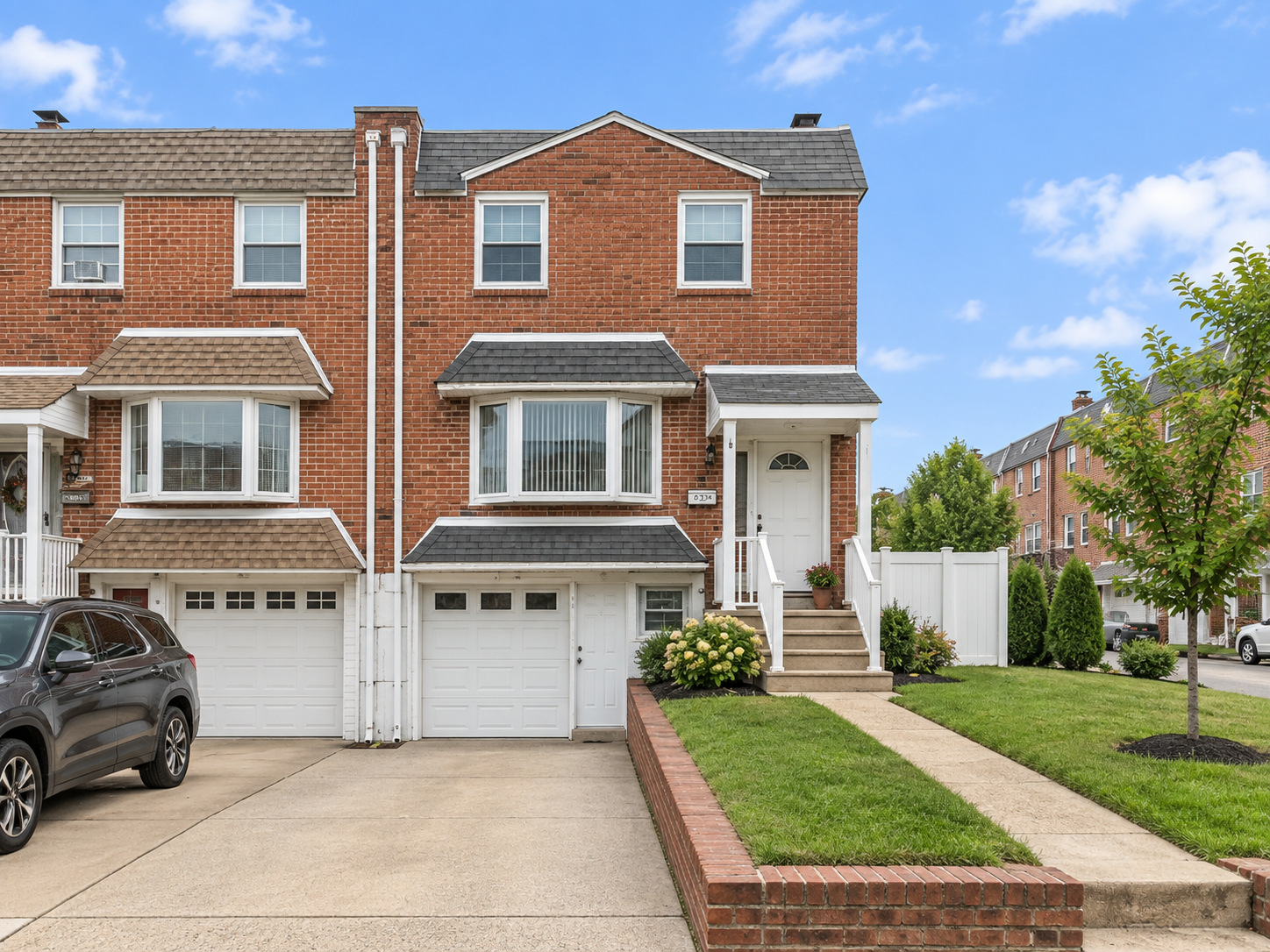
Parkwood, also known as Parkwood Manor, is the 1960s planned community at the heart of the 19154 corner of Far Northeast Philadelphia, built east of Roosevelt Boulevard with red-brick rowhomes, twins, and townhomes on low-density blocks, many with front-facing garages. It sits in one of the quietest, most settled corners of the city, with the Philadelphia Mills shopping district at the Bucks County line, Poquessing Creek and its valley park to the north, and bus and rail routes that still reach Center City. Yours is one of those solid homes, and it didn't sell, which tells me the listing, not the neighborhood, missed the mark. I'm Andre Richardson, and for 26 years I've been involved with Philadelphia real estate. The homes other agents couldn't sell are exactly what I do. Let's find the Parkwood specifics that stalled your home and fix them one by one.

26 Years
Real Estate Experience
5.0
Rating from 27 Reviews
AI
Powered Marketing
PA & NJ
Licensed
01
Why It Happened

Why Your Parkwood
Home Didn't Sell

Parkwood sells on a promise of space, quiet, and a truly suburban feel inside the city: 1960s red-brick rowhomes and townhomes with front-facing garages on low-density blocks, Philadelphia Mills and the Red Lion Road shopping centers a short drive away, and bus and rail routes that still reach Center City. Some buyers search the corner as Parkwood, some as Parkwood Manor, the name the neighborhood started with, and either way they are comparing your home against the same settled, family-oriented market. That is exactly why a listing that doesn't speak its language sits. The usual reasons a Parkwood home expires:

  • A price that floated above the rowhomes and townhomes that actually traded on your block, while buyers measured your house against the strongest listings in the wider 19154 corner
  • Photography that never showed the garage, the yard, or the finished basement, the spaces that make a Parkwood home feel complete
  • Marketing written for the city as a whole, when the buyers who want your block are already searching the Far Northeast and comparing you to Millbrook and Byberry next door
  • Showings scheduled around weekday hours, when the buyers who commute into Center City can only come evenings and weekends

Every one of those is a marketing problem, and every one of them is fixable on a relist.


02
The Relaunch

A Relaunch, Not a Repeat

Relisting in Parkwood works when Andre Richardson reintroduces the house to its true buyer: the Far Northeast family who wants the low-density blocks and the big yards, the buyer who grew up on these streets and wants to stay close, or the first-time buyer who discovered Parkwood's prices while shopping the 19154 corner. I reset the price against the rowhomes and townhomes that actually sold on your block and the streets buyers cross-shop, rebuild the photography so the garage, the yard, and the finished space lead, and run AI-infused campaigns aimed at the exact searches Parkwood buyers are saving. A clean MLS reset and a fresh story, and the expired listing becomes the chapter nobody brings up again. For the step-by-step, read the full expired seller's guide.


03
The Agent

Why Sellers Trust Andre

By the time Parkwood sellers find me, they have usually watched a season of open houses come and go without an offer. I bring 26 years of Philadelphia and South Jersey experience, active PA & NJ licenses, and an aggressive, AI-infused marketing plan to launch your listing, and my specialty is the house other agents couldn't sell. Parkwood is a strong, steady market, which means a home that expires here is almost always a case of the plan, not the property.

“A true problem solver. I will get your home sold, period.”

See how the Sell My House process works, or read the client reviews from sellers who started right where you are.


04
Answers

Questions Expired Sellers in
Parkwood Ask

My Parkwood home sat for months and expired. What actually went wrong?

Parkwood is a settled, steady corner of the Far Northeast, so when a house here expires it is almost always the plan, not the property. The usual culprits are a price that floated above what actually traded on your block, photos that never showed the garage, the yard, or the finished space, or marketing that never reached the 19154 buyers already shopping for exactly your kind of home. In a free consult I'll show you which one it was and what I'd do differently.

Does the planned-community history of Parkwood help or hurt when I sell?

It helps. Parkwood, originally known as Parkwood Manor, was built by the Korman Corporation between 1960 and 1962 as a planned community of red-brick rowhomes, twins, and townhomes, many with front-facing garages, on low-density blocks east of Roosevelt Boulevard. That planned design is why the neighborhood feels calm and consistent, and buyers recognize it. I present the neighborhood's deliberate layout as the asset it is, which gives your listing a story most city streets can't match.

Parkwood, Millbrook, and Byberry share the 19154 ZIP. How do I pick the right comps?

You price to the block, not the ZIP. Parkwood, Millbrook, and Byberry are distinct sections with different housing stock: Parkwood leans on red-brick rowhomes and townhomes, Millbrook on detached single-family homes, and Byberry on the older side streets. I build your comp list from your street and the streets buyers genuinely cross-shop, so the price matches the reality of your section of 19154.

My home is a 1960s brick rowhome or townhome with a garage. How do I market that honestly?

That is exactly what Parkwood buyers are looking for, so lead with it. The garage, the low-density block, and the finished basement are the features that make these homes feel like a suburb inside the city, and the photos should show each one. I price your home against the rowhomes and townhomes that traded in your section, market the garage and the yard as the conveniences they are, and the honesty becomes the trust that wins the offer.

Is being close to Philadelphia Mills a selling point or background noise for buyers?

It's a real selling point when it's positioned right. Philadelphia Mills, with its anchors, theaters, and dining, plus the Red Lion Road and Grant Avenue shopping centers, means the 19154 corner rarely has to leave itself for errands or family outings. I mention the convenience honestly and tie it to the lifestyle buyers picture, without letting the mall crowd out the block and the yard that actually close the sale.

Do buyer families really care about the local K-8 schools and the rebuilt playground?

They care a lot. Much of the area feeds into neighborhood K-8 schools like Decatur on Academy Road and Fitzpatrick on Knights Road, with Northeast High serving the corner, and families check the assignment before they bid. The rebuilt Eileen Fitzpatrick Playground is the kind of everyday amenity that reinforces why families choose 19154. I confirm the exact catchment for your address and present it accurately, which removes a hesitation instead of letting it stall a contract.

How do I market a home near Poquessing Creek and the Delaware riverfront?

The green space is one of the strongest stories in 19154. Poquessing Creek runs along the corner's edge through Poquessing Valley Park, Benjamin Rush State Park sits on the Delaware just north, and Glen Foerd on the Delaware preserves the old riverside estate character at the creek's mouth. I confirm what your house can honestly claim, whether it's a short walk to the creek or a quick drive to the river views, and feature that access in the listing and the photos.

My commute into Center City runs 35 to 45 minutes by car. Will that scare off buyers?

It shouldn't, because it is the norm across the Far Northeast, and the buyers who choose Parkwood have already accepted that trade for the space, the yards, and the quiet. Many households use the Roosevelt Boulevard and I-95 corridors daily, and transit buyers have SEPTA bus routes to Frankford Transportation Center plus nearby Torresdale Station on the Trenton Line for rail access. I market the commute honestly and let the neighborhood's real strengths carry the sale.

05
From the Blog

Parkwood Expired
Listing Advice

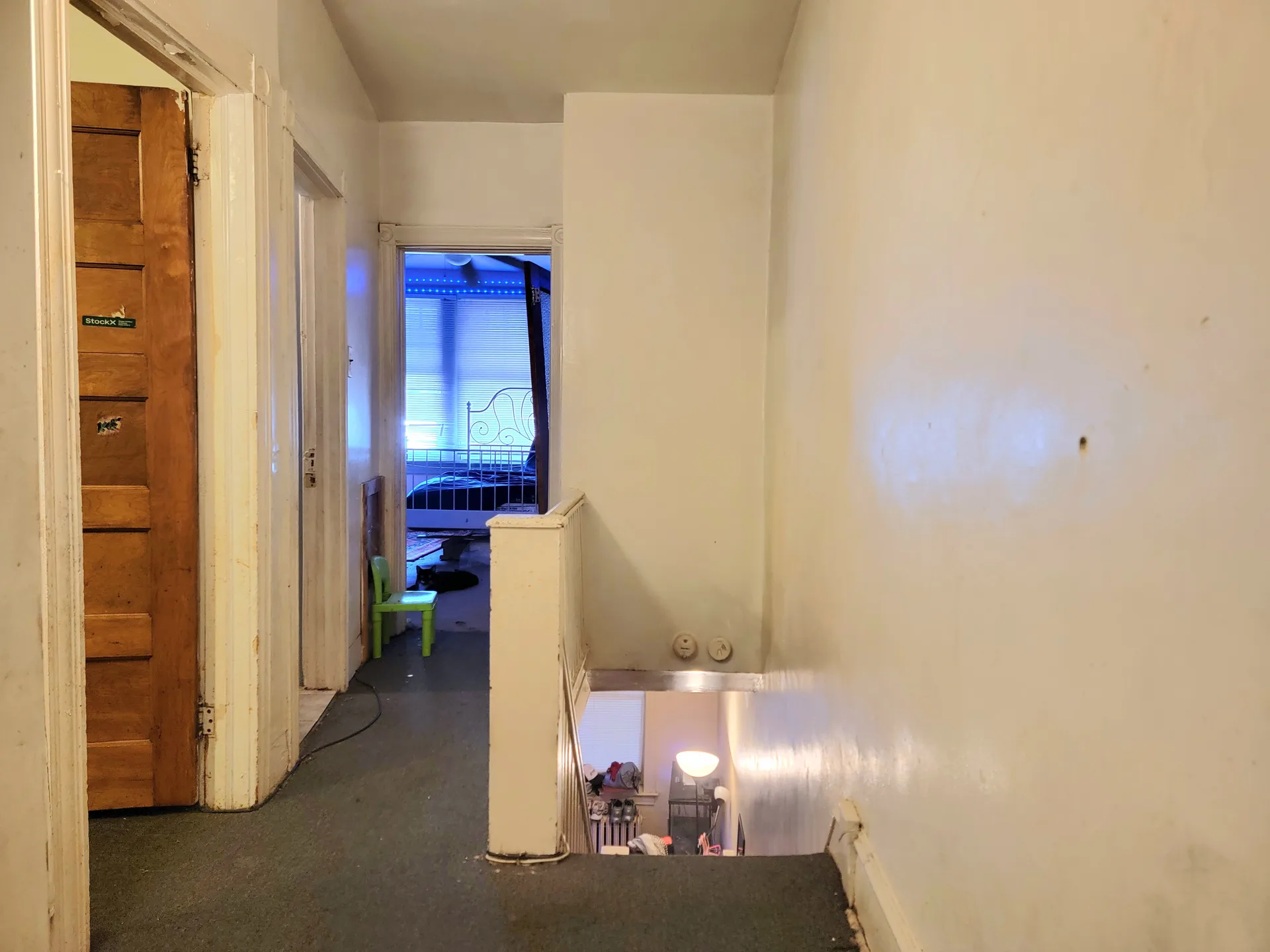
Interior stairwell in a Philadelphia rowhome leading down to the lower level
Expired Listings

Is My Unfinished Basement Why My Parkwood Home Didn't Sell?

An unfinished basement is rarely the reason a Parkwood home fails to sell, but a wet or musty one can be. Buyers in the 19154 corner of Far Northeast Philadelphia will happily buy a clean, dry, unfinished lower level with room to grow; what they walk away from is a basement that smells damp or shows water stains.

Your Parkwood listing expired, and now you are deciding what has to change before the home goes back on the market. If your lower level is unfinished, it is natural to wonder whether that is what held buyers back. Here is the honest answer for the 19154 corner, and the checklist that actually matters before you relist.

Do Parkwood buyers expect a finished basement?

No. Parkwood is a planned community built by the Korman Corporation in the early 1960s, and its red-brick rowhomes and townhomes almost all have a full basement. Over the decades, many owners finished theirs, so finished basements show up in a lot of 19154 listings, often with a half bath, laundry, or a bonus room. But plenty of homes sell here with an unfinished basement. Buyers read an unfinished lower level as potential, a place to add the family room or the extra bath they want, as long as the space is dry, clean, and easy to picture.

Why does the basement matter so much on a Parkwood rowhome?

Because these homes are compact. A typical Parkwood rowhome runs about 1,200 to 1,400 square feet with three bedrooms and a bath and a half, so the basement is the room that makes the house feel bigger. When buyers walk the main floor and then step down into a bright, dry lower level, they see the extra space their family needs. When they step down into a damp, dark, cluttered one, they start adding up what it would take to fix it, and that math rarely ends in an offer.

What turns buyers off in a Parkwood basement?

Moisture is the big one. On Philadelphia rowhomes, inspection guidance is blunt about this: basement moisture matters more to a deal than almost anything visible at a showing. A musty smell, water stains on the walls or floor, a damp slab, or an aging sewer lateral all get flagged, and they all cost you offers. Buyers also notice clutter, weak lighting, and a lower level that reads as a storage cave instead of a room. None of that is about whether the basement is finished.

Should I finish my basement before relisting?

Usually not. A full finish costs thousands of dollars, adds weeks to your timeline, and rarely pays for itself in the sale price. What pays is making the basement dry, clean, bright, and empty. Fix any water issue first, because that is the one thing that can sink a contract after you relist. Then declutter, add lighting, and let buyers see the space for what it could be. If you do decide to finish, do it properly, with permits and a real plan, because a half-done basement reads worse than an honest unfinished one.

How do I know if my basement is the problem?

Go back to the feedback from your expired listing. If buyers toured and passed, and the comments kept circling back to the lower level, damp smell, water stains, "needs work downstairs," you have your answer. If showings were scarce from the first week, the problem was more likely the price or the marketing, not the basement. When you are not sure, order a pre-listing inspection before you relist. It tells you exactly what a buyer's inspector will find, so you can fix the real issues and price the rest in.

Parkwood homes typically go under contract in about a month when they are priced and presented right, so an unfinished basement is not the hurdle sellers fear it is. The full reset an expired listing needs is laid out on my expired listing help page for Philadelphia sellers, and the same honest-read approach applies to what repairs and staging actually matter before you relist.

If your Parkwood home expired and you are not sure whether the basement or something else held buyers back, tell me your situation. I will give you an honest read and a plan to get it sold. Call 267-977-0304 or book a free consult.
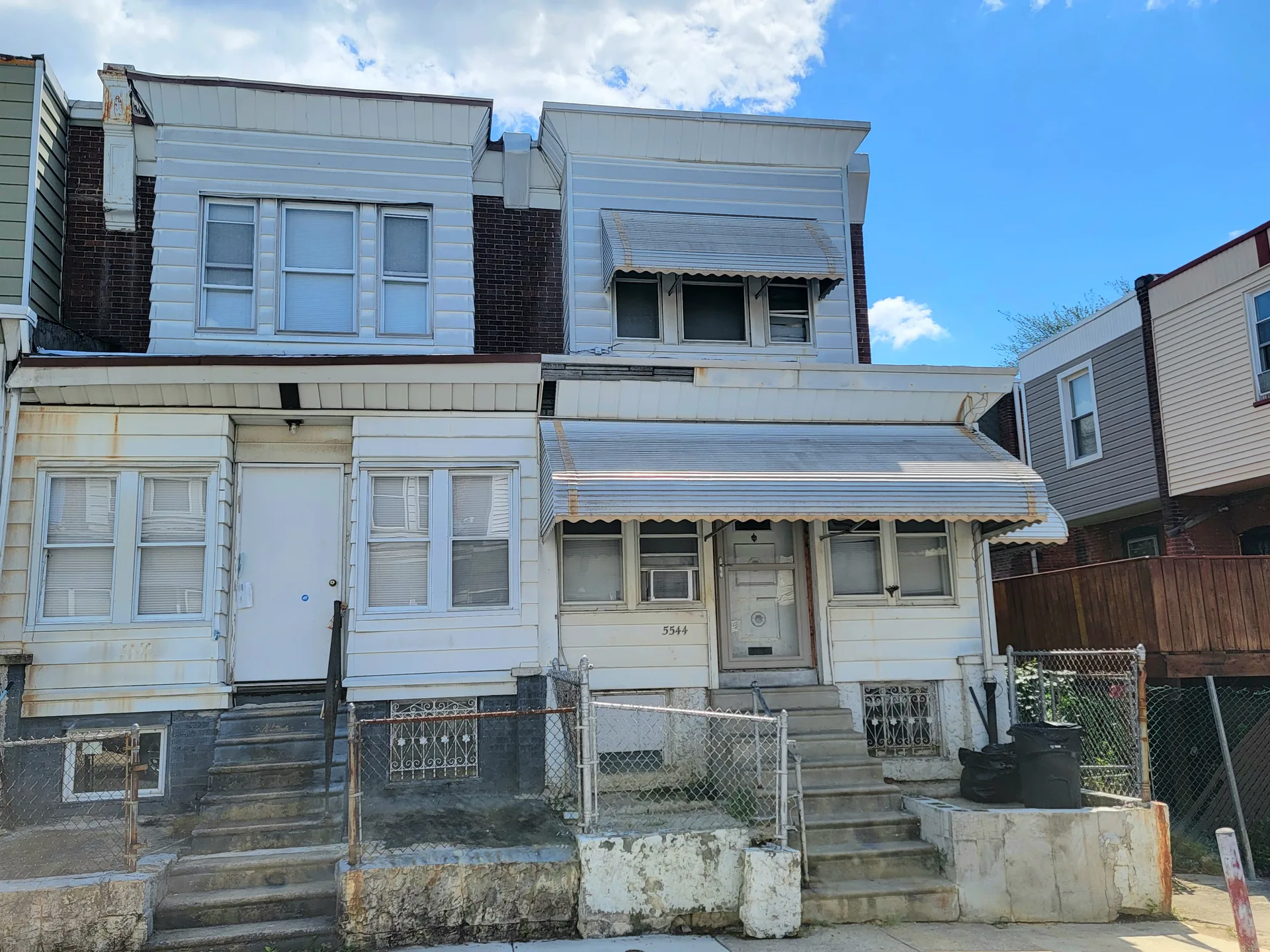
Two attached Philadelphia row homes with siding, stone foundations, and metal awnings under a bright blue sky
Expired Listings

Which Repairs Actually Matter Before I Relist My Parkwood Home?

You do not have to renovate your Parkwood home before you relist, but you do have to fix the things that make buyers and inspectors hesitate. On a 1960s brick rowhome or townhome in the 19154 corner of Far Northeast Philadelphia, that usually comes down to the roof, the basement, the electrical panel, and the plumbing, plus the curb appeal that gets buyers through the door.

Your Parkwood listing expired, and now you are deciding what has to change before the home goes back on the market. The question I hear most from sellers in the 19154 corner is how much work the house needs first. Here is the honest answer: Parkwood buyers are not expecting a renovated showpiece. They are expecting a home that will pass an inspection without surprises, on a block that already feels settled and quiet.

Do I have to fix everything before relisting in Parkwood?

No. Parkwood homes sell fast when they are priced right and presented honestly. Recent market data shows homes in this neighborhood selling in about a month, so buyers here are not shopping for perfection. They are shopping for a home they can picture themselves in, with no deal-breakers hiding behind the walls. Fix the deal-breakers, clean up the rest, and let the price do the work.

What do 1960s Parkwood brick homes most often need?

The homes built as Parkwood Manor in the early 1960s are solidly constructed, but they are sixty years old, and some systems are simply at the end of their life. The items that come up again and again on a Parkwood relist:

  • Roof. Many of the rowhomes and townhomes here have flat or low-slope roofs, and the membrane has a real lifespan. A roof that is original or patched repeatedly will get flagged by a buyer's inspector.
  • Basement moisture. The finished basement is one of the strongest selling points in Parkwood, but only when it is dry. Water stains, a musty smell, or a damp slab will cost you offers.
  • Electrical panel. An older panel from the 1960s makes inspectors and lenders nervous, and it is a common finding on a home of this age.
  • Plumbing. Galvanized steel supply pipes were standard in homes built from the 1940s through the 1960s, and they corrode from the inside. Weak pressure or original pipes will come up.
  • Brick pointing. The mortar on a sixty-year-old brick facade eventually needs repointing, and crumbling mortar at the front of the house is noticed before almost anything else.

Will a dated kitchen or bathroom kill my Parkwood relist?

No. A dated kitchen or bathroom is not a deal-breaker in Parkwood; a dirty one is. Buyers in this corner of the Far Northeast price in the age of the finishes and move on. Deep-clean, declutter, paint worn cabinets, and let the rooms read as clean and cared for. A full renovation before a relist rarely pays for itself.

What is the highest-value fix for a Parkwood relist?

The front of the house. Parkwood's low-density blocks of brick rowhomes and townhomes with front-facing garages sell on curb appeal, and the exterior is the first thing buyers and their agents see, online and in person. Wash the facade, repoint crumbling mortar, paint the front door, make sure the garage door opens cleanly, and clear the yard. For the money, nothing else moves the needle like a front of the house that looks ready.

How do I know what my Parkwood home actually needs?

Get a pre-listing inspection before you relist. It costs a few hundred dollars and tells you exactly what a buyer's inspector will find, so you can fix the real issues and price the rest in. Sellers who skip it tend to discover the same findings three weeks later, in the middle of a contract, when the buyer is asking for a credit instead of writing an offer.

The full reset an expired listing needs is laid out on my expired listing help page for Philadelphia sellers, and the same honest-read approach applies to whether a pre-listing inspection is worth it before you relist.

If your Parkwood home expired and you are not sure what has to be fixed before the relist, tell me your situation. I will take a look at your block, tell you what buyers will flag, and give you a plan to get the home sold. Call 267-977-0304 or book a free consult.


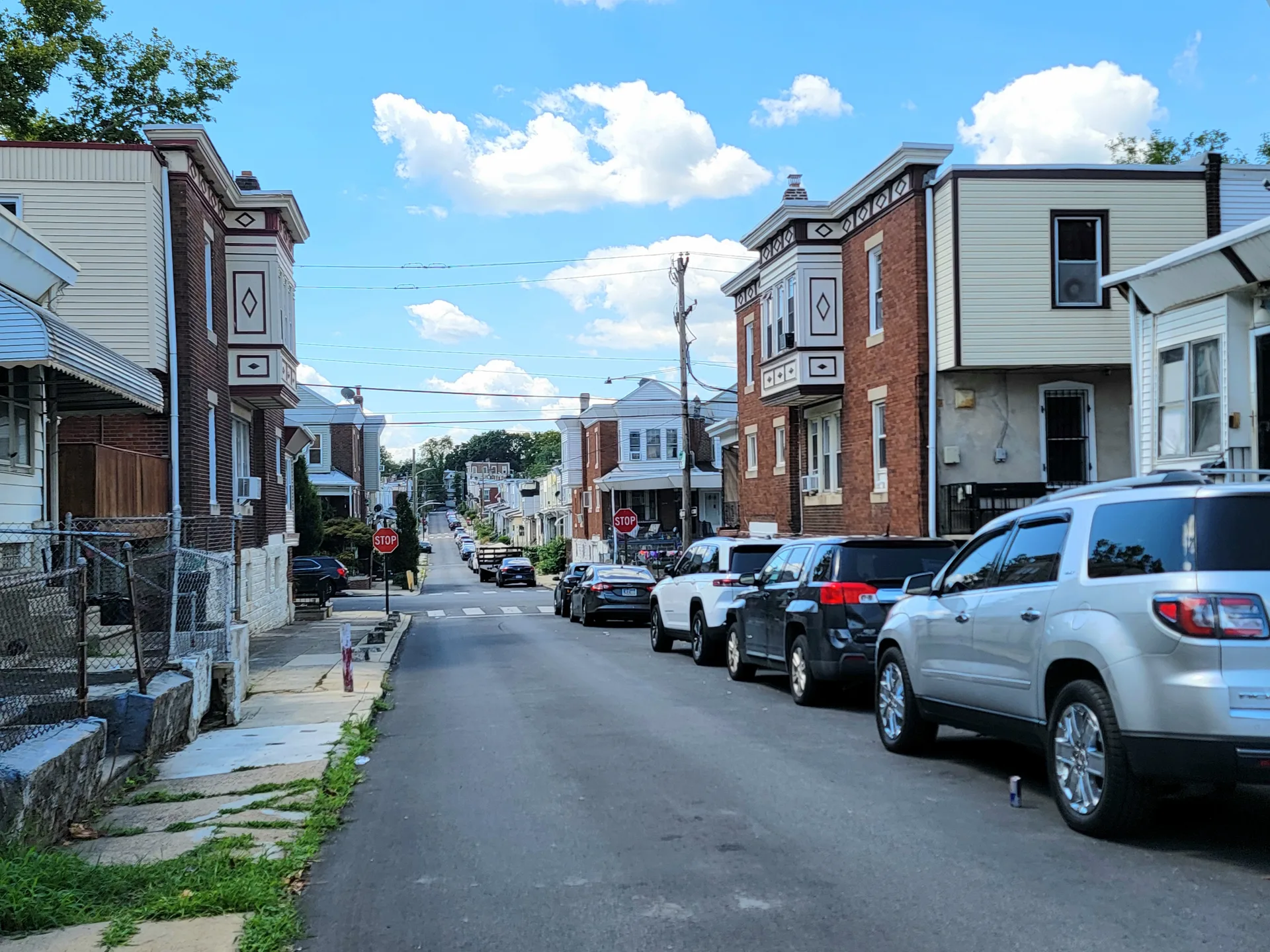
A residential street in Far Northeast Philadelphia lined with brick and siding rowhouses under a clear blue sky
Expired Listings

Is My Parkwood Home in a Flood Zone?

For most Parkwood homes, no. Parkwood sits on higher ground in the 19154 corner of Far Northeast Philadelphia, away from the creek corridors, and the mapped flood zones follow Poquessing Creek and Byberry Creek instead. The exceptions are the homes set right along the creek edges, especially near Poquessing Valley Park, so before you relist you want your exact address checked against the official flood map.

Your Parkwood listing expired, and now you are working through everything that has to line up before the home goes back on the market. One question that comes up more than people expect is flooding. Buyers and their lenders check flood maps before they commit, and a home in a mapped flood zone carries insurance requirements that catch sellers off guard. Here is the straight answer for Parkwood, 19154.

Which Parkwood Homes Are in a Flood Zone?

Mapped flood risk in the 19154 corner concentrates along the creeks. Poquessing Creek runs along the edge of the neighborhood and forms the border with Bensalem on its way to the Delaware, and Byberry Creek drains the southern side of the area. Philadelphia's zoning code marks both as Special Flood Hazard Areas, which is the city's way of flagging the FEMA high-risk corridors. Parkwood itself sits between Poquessing Creek and the Woodhaven Expressway, on higher ground east of Roosevelt Boulevard, and that is why the neighborhood's brick rowhomes and townhomes mostly fall outside the mapped floodplain. If your house is close to the creek or to Poquessing Valley Park, your parcel deserves a close look.

Why Does Flood Risk Matter When My Parkwood Home Relists?

When a home sits inside a FEMA high-risk zone, lenders usually require flood insurance before they fund a loan, and that premium becomes part of what a buyer weighs against your price. Buyers' agents pull flood maps during their due diligence, so a relist that ignores the issue gets discovered anyway, just later and with less trust on the table. The Pennsylvania seller disclosure form that accompanies most listings asks about flooding and water problems, so the answers you sign and the map need to tell the same story.

How Do I Check the Flood Map for My Exact Parkwood Address?

Two official sources settle it. FEMA's Flood Map Service Center shows the mapped Special Flood Hazard Areas for the 19154 ZIP, and the City of Philadelphia's flood management maps put the same zones onto your exact parcel. Pull your address, look at your block, and you will know within a few minutes whether your Parkwood home sits inside a mapped zone or outside it. Do this before the relist, not after a buyer's inspection report raises it.

What If My Parkwood Home Sits Close to Poquessing Creek?

Context first: Philadelphia Water notes the urbanized watershed makes Poquessing Creek prone to fast, high flows during heavy rain, and basement and street flooding is a known issue along these corridors. That makes the creek edge the part of Parkwood where buyers and lenders look hardest. If your home is in the mapped zone, present it honestly and know what flood insurance runs at your address before a buyer quotes it back to you. If your home is outside the zone, keep a dry, clean basement story ready, because storm drainage is a talking point across the Far Northeast either way.

Flood maps are one item on the pre-relist checklist, and knowing your answer first keeps your marketing honest and your showings on track. I walk through the full reset an expired listing needs on my expired listing help page for Philadelphia sellers, and the same honest-read approach applies to a home inspection before you relist.

If your Parkwood home expired and you want a straight read on everything that has to line up before the relist, tell me your situation. Call 267-977-0304 or book a free consult.


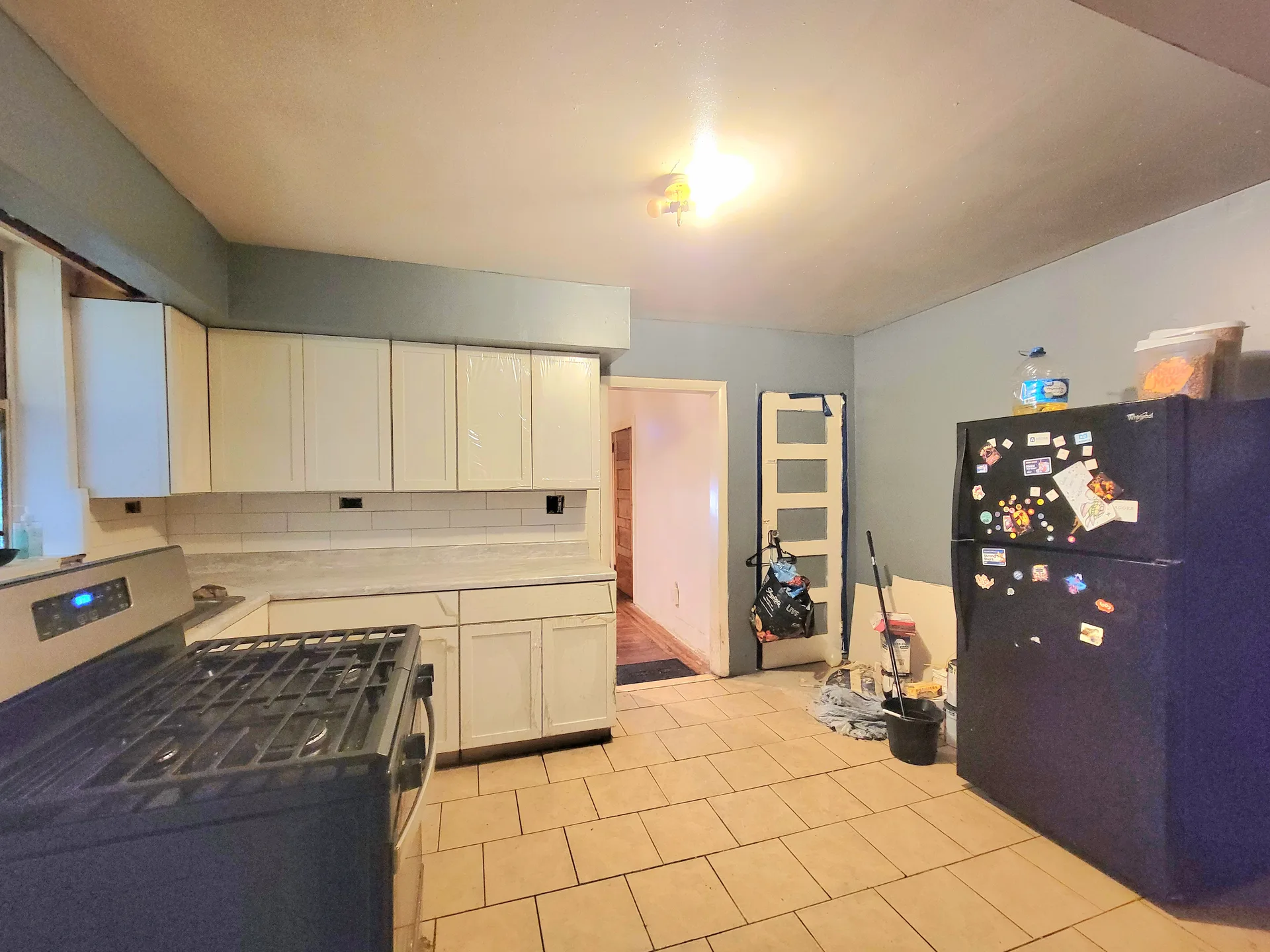
A bright kitchen with white cabinets and tile flooring in a Philadelphia rowhome
Expired Listings

Was My Parkwood Asking Price Too High?

If your Parkwood home sat on the market and the listing expired, the asking price was very likely part of the problem. In the 19154 corner of Far Northeast Philadelphia, buyers measure a brick rowhome or townhome against the sales that actually closed on your block, and when the price floats above those trades, showings dry up and the listing runs out of time.

Your Parkwood listing expired, and now you are deciding what has to change before the home goes back on the market. The first question sellers ask me is whether the price was the problem. Here is how to tell, and how to set a number that works for a Parkwood rowhome or townhome.

How Do I Know If the Price Was the Problem?

Look at the pattern the listing left behind. If buyers came through but nobody wrote an offer, or the feedback kept coming back with "overpriced" and "we will wait for a price change," the number was doing the talking. If showings were scarce from the first week, the price was likely scaring buyers off before they ever booked a visit. Recent market data shows Parkwood homes selling in about a month on average, so a listing that sat for months was running against the neighborhood's own rhythm.

What Did Similar Parkwood Homes Actually Sell For?

The answer is on your block, not in the ZIP. Parkwood, Millbrook, and Byberry all share 19154, but they are different markets: Parkwood leans on the 1960s brick rowhomes and townhomes that Korman built as Parkwood Manor, many with front-facing garages, while Millbrook skews toward detached homes and Byberry toward the older side streets. Recent Parkwood sales put the neighborhood median around $335,000. If your asking price sat meaningfully above that number, you were competing against your own block.

Should I Relist at the Same Price or Cut It?

Relisting at the same number with the same plan rarely changes the outcome. Buyers who saw the first listing remember the price, and the market has already told you what it thinks. The smarter move is a fresh comparative market analysis dated to today, priced against the rowhomes and townhomes that actually closed on your street and the streets buyers cross-shop. If you want the full breakdown of when a price cut beats a relist and when a relist beats a cut, read my take on expired listing vs. price reduction.

What Else Could Have Kept Buyers Away?

Price is the most common reason a Parkwood listing expires, but it is not the only one. Photos that never showed the garage, the yard, or the finished basement, marketing that never reached the 19154 buyers already shopping the Far Northeast, and showings scheduled only during weekday hours can all stall a solid home. The honest test is feedback: buyers who saw the house and passed on the price, versus buyers who never came because the listing never reached them. Each one points to a different fix.

How Do I Set the Right Price for My Parkwood Relist?

Set the relist price where the market is, not where you hoped it would be. That means a CMA built from your block, a price that sits inside the range of recent Parkwood sales, and a plan to read the first two weeks of showing activity and adjust if buyers are still hesitating. The full step-by-step for relaunching an expired listing lives on my expired listing help page for Philadelphia sellers.

If your Parkwood home expired and you are not sure whether the price was the problem, tell me your situation. I will give you an honest read on the price and a plan to get it sold. Call 267-977-0304 or book a free consult.

Your Parkwood home
deserves a real shot.

Let's get it sold.

Want to know what your home is worth? Get a real valuation of your home's value.

Licensed. Local. Legit.

Pennsylvania License RS349905 · New Jersey License 1969348
HomeSmart Realty Advisors

Experience. Strategy. Results.

267-977-0304