
Short sale help in Chestnut Hill, Philadelphia with Andre Richardson, Realtor — the go-to agent for short sale guidance in Chestnut Hill
Short Sale Guidance

Short Sale Guidance
in Chestnut Hill

You have more options than you think.

Chestnut Hill is a historic community in Northwest Philadelphia, where stone homes line winding, wooded streets and generations of families have put down deep roots. When the mortgage has grown heavier than the home can carry, a short sale can be the clearest way forward, and it works best when you act now. I'm Andre Richardson, and for 26 years I've been involved with Philadelphia real estate. There is no judgment here, only solutions, and the sooner we talk, the more options you have.

26 Years
Real Estate Experience
5.0
Rating from 27 Reviews
AI
Powered Marketing
PA & NJ
Licensed
01

What exactly is a short sale?

In plain terms, a short sale is when your lender agrees to accept less than the full amount you owe on the mortgage, usually because the home is worth less than the loan balance or because you genuinely cannot keep up with the payments. With the bank's approval, you sell the home to a real buyer at the market price and move on without a foreclosure on your record. It is a decision you make on purpose, with your lender on board, rather than something that simply happens to you.

Why It Matters

Why Acting Now Matters
in Chestnut Hill

A short sale is not a failure and it is not an ending the process decides for you. It is a decision you make on purpose, with your lender's approval, at a moment when you still control how the story goes. In Chestnut Hill, where stone homes on wooded streets carry lasting appeal for buyers, that control is worth protecting: a market-driven sale can place a fair price on a home even when the loan it carries is worth more.

Not with confusion. Not with shame. But with a plan.

  • A short sale is borrower-initiated: you choose it and you drive it, rather than waiting for the process to decide for you
  • The price is set by the market and approved by your lender, and the home is handled through a real buyer, not a sheriff's auction
  • Because it is a sale and not a foreclosure, your credit takes a smaller hit and you can qualify for a new mortgage sooner
  • Your lender has a reason to say yes: a negotiated sale costs them less than completing a foreclosure, so acting now works in your favor

Compared with doing nothing, a short sale keeps the outcome in your hands. You choose the buyer, you see the price before it is final, and you move forward with a foreclosure kept off your record. The homeowners who reach out early hold the most control over how their Chestnut Hill story ends.


02
How It Works

How a Short Sale
Actually Works

A short sale is a sale first and foremost. Your Chestnut Hill home goes on the market, a real buyer makes a genuine offer, and your lender reviews and approves that price before the sale can close. Because it moves through the normal buying and selling process, it looks very different from a foreclosure auction, and far more of the outcome stays in your hands.

Start with your lender

If speaking with the lender is the best route, he guides you to coordinate with your lender.

Your lender approves the price

Once an offer comes in, your lender decides whether to accept less than the amount you owe. That approval is the heart of a short sale: the bank agrees to the shortfall because a negotiated sale costs them less than completing a foreclosure. Andre manages the conversation with the loss mitigation department and the paperwork so the offer has the best chance of being approved.

A real sale to a real buyer

Unlike a sheriff's auction, where the outcome is decided for you, a short sale is a normal market sale. The home is marketed to buyers, an offer is negotiated, and you see the price before it is final. In Chestnut Hill, where stone homes and wooded streets keep a committed pool of buyers who understand the neighborhood's character, that market-driven approach can work in your favor.

Selling with aggressive marketing

A short sale still has to sell, and a strong offer is what gives your lender a reason to say yes. Your Chestnut Hill home gets the same treatment as any of Andre's listings, with Andre's aggressive AI-infused marketing working towards getting your home sold, so the right buyers see it and the offer comes in strong.

If you want to understand what happens during the foreclosure process if nothing is done, including the court timeline, the sheriff sale, and the credit consequences, the stop foreclosure help in Chestnut Hill page covers all of it in detail. The foreclosure and short sale guidance for Philadelphia ties the timelines and lender negotiations together step by step. You do not have to choose a path alone.


03
The Agent

Why Sellers Trust Andre

By the time Chestnut Hill homeowners considering a short sale find me, many have been carrying the weight of the situation alone for months. I bring 26 years of Philadelphia and South Jersey experience, active PA and New Jersey licenses, and a targeted marketing plan that gets homes sold. Every conversation is confidential, and there is no judgment, only solutions.

“Andre was very professional and knowledgeable, a definite credit to the profession. I would not hesitate to refer him to any of my friends or family for his real estate services. Andre did not hesitate to go above and beyond to make things happen. Job well done for me thank you Andre!”

— Stella Thompson, 5-star review

See how the sell my house process works or read the client reviews from sellers who started right where you are.


04
Answers

Questions Chestnut Hill Homeowners
Considering a Short Sale Ask

What is a short sale?

A short sale is when the lender agrees to accept less than what is owed on the mortgage, typically because the home is now worth less than the loan balance or the seller genuinely cannot keep up with the payments. The bank approves the sale, the home is sold to a real buyer at the market price, and the homeowner gets to move on without a foreclosure on their record. It lets you close the chapter on your own terms.

What happens if I do nothing?

Choosing to do nothing leaves the decision entirely to the process. Without a sale, the situation can move toward foreclosure, where the home is sold at auction and you lose control of both the price and the timing. A short sale keeps that control in your hands: you choose when to sell, you see the offer, and your lender approves the price before it is final. Acting now is what keeps your options open.

Will a short sale protect me from the lender coming after the difference?

Pennsylvania is a recourse state, so a deficiency judgment is possible after a short sale or a foreclosure unless it is waived. That is why a good short sale agreement includes a deficiency waiver, a written promise that the lender will not pursue you for the remaining balance. Andre works to secure that protection in the short sales he manages, and because a short sale is a negotiated settlement rather than a completed foreclosure, it also leaves a lighter mark on your credit.

My Chestnut Hill home is worth less than I owe. Can I still sell it?

Yes, and that is exactly the situation a short sale is built for. Chestnut Hill's stone homes along wooded streets hold real value for buyers who are drawn to the neighborhood's history and character, but if the mortgage balance sits above what the market will pay today, a short sale lets you sell with the lender's approval and close this chapter with your head held high. The lender agrees because a negotiated sale costs them less than a completed foreclosure. The sooner we start, the more room we have to get it done.

How does a short sale in Chestnut Hill actually work?

A short sale happens when a homeowner sells for less than the outstanding mortgage balance with the lender's approval. If speaking with the lender is the best route, he guides you to coordinate with your lender. Every conversation is confidential, with no judgment and only solutions. A professionally guided short sale can help you avoid foreclosure and minimize the credit damage. In Chestnut Hill, where buyers travel from across the region for the tree-lined streets and stone architecture, strong marketing can bring the right offer at the right time.

Will a short sale hurt my credit less than a foreclosure?

Yes. A short sale typically reduces your credit score far less than a completed foreclosure, and you can often qualify for a new mortgage years sooner after a short sale. It is not a step anyone plans to take, but when the mortgage is heavier than the home can carry, a short sale is a far gentler landing than letting foreclosure run its course. It lets you move forward on your own terms.

Can a historic Chestnut Hill stone home be sold as a short sale?

Yes. A short sale is about the numbers, not the architecture, and Chestnut Hill's stone homes have exactly the kind of lasting appeal that keeps buyers interested. The lender reviews the market value against the loan balance just as it would for any home. A well-presented stone home, marketed to the right buyers, gives the lender a real reason to approve the sale.

Will the lender require my Chestnut Hill home to sell as-is in a short sale?

Lenders are generally focused on the price and the payoff, not on polishing the home, which is one reason short sales are often sold as-is. What matters is presenting the home to buyers as well as possible so the offer comes in strong. Andre's marketing shows the home at its best, and the offer the lender approves is the one that clears the process fastest.

What is the professionally guided short sale with Andre?

A professionally guided short sale means you are not navigating the process alone. Andre works to secure a deficiency waiver so the lender does not come after you for the difference, and he uses aggressive, AI-infused marketing to get your home sold. He listens to your situation with care and builds a plan around your lender and your timeline. No confusion. No judgment. Just results.

05
From the Blog

Chestnut Hill Short
Sale Advice

The sunlit facade of a Philadelphia row house, the character-filled housing style found throughout Chestnut Hill's historic district
Short Sales

Can I Do a Short Sale on a Home in the Chestnut Hill Historic District in Philadelphia?

Yes. You can do a short sale on a home in the Chestnut Hill Historic District. Historic designation does not govern a short sale: the lender's approval decision rests on the documented hardship and how the home's value compares to what you owe, not on the neighborhood's place on any register.

Chestnut Hill is a historic corner of Northwest Philadelphia where stone and brick homes line wooded streets around Germantown Avenue, with Morris Arboretum and Wissahickon Valley Park along the edges. Much of the neighborhood sits within the Chestnut Hill Historic District, added to the National Register of Historic Places in 1985. If your home is in that district and the mortgage has grown heavier than the home can carry, you might wonder whether the historic status keeps a short sale off the table. It does not. A short sale is a financial transaction, and the district has no seat at that table.

What does the historic designation actually control?

The Chestnut Hill Historic District's place on the National Register is honorary at the federal level. It does not restrict what a homeowner may do or who may buy the house. Local design review is a separate matter: properties individually listed on the Philadelphia Register of Historic Places need approval from the Philadelphia Historical Commission before exterior work such as window, roof, or facade changes can be permitted. Most Chestnut Hill homes are not individually listed, even though the neighborhood carries a National Register district. If yours is one of the individually listed properties, that requirement affects renovation, not the lender's decision on your mortgage.

Can the historic district slow down my short sale?

Only in small ways. If the sale calls for exterior repairs and your home is individually listed on the Philadelphia Register, the permit review can add a step and a little time. The district itself cannot approve or veto the short sale. The lender weighs the hardship and the numbers, and the home's condition matters to them through the valuation, not through any historic review. Chestnut Hill's character is a selling point, and presenting the home well is what keeps buyer interest strong.

Will buyers still want a historic Chestnut Hill home?

Yes. Many buyers come to Chestnut Hill for the very things the district protects: stone and brick architecture, mature trees, and the walkable stretch of shops and restaurants along Germantown Avenue. Historic character is an asset in the market, and a short sale still has to sell to a real buyer at a market price the lender will approve. Marketing that highlights the neighborhood's appeal is what brings the offer that clears the payoff.

Who handles the lender and the paperwork?

Andre's short-sale specialists handle the lender negotiations and the short-payoff approval, so that conversation is not on your shoulders alone. Andre reviews your situation and guides you through the path that fits your timeline. If speaking with the lender is the best route, he guides you to coordinate with your lender. He also works to try and secure a deficiency waiver, so the lender does not come after you for the unpaid difference after the sale. Every conversation is confidential, and there is no judgment, only solutions.

The step-by-step for selling for less than you owe with your lender's approval is on the short sale help page for Chestnut Hill. If a foreclosure timeline is part of the picture, the stop foreclosure help in Chestnut Hill page shows how the court process and the sheriff sale fit around a short sale, and the foreclosure and short sale guidance for Philadelphia ties the timelines and lender negotiations together. If your Chestnut Hill home was listed before and did not sell, the expired listing help for Chestnut Hill page shows how a relaunch gets it sold.

Historic designation does not stand between you and a fresh start. Tell Andre your situation and he will give you an honest read on whether a short sale is the right path for your Chestnut Hill home. Call 267-977-0304 or book a free consult. Every conversation is confidential, and there is no judgment, only solutions.
A warm Philadelphia kitchen interior, the kind of home a Chestnut Hill seller can move through a short sale even before missing a mortgage payment
Short Sales

Do I Have to Be Behind on My Mortgage to Do a Short Sale in Chestnut Hill, Philadelphia?

No. You do not have to be behind on your mortgage payments to do a short sale in Chestnut Hill. A short sale is approved based on a documented financial hardship and how your home's value compares to what you owe, not on how many payments you have missed. If a genuine hardship is making it hard to keep up, you can start the conversation now, while you still have room to act.

Chestnut Hill is a historic corner of Northwest Philadelphia where stone homes line wooded streets around Germantown Avenue, with Morris Arboretum and Wissahickon Valley Park along the edges. If you live there and your mortgage has started to feel heavier than you can carry, you might believe a short sale is only open to homeowners who have already fallen behind. It is not. You can explore a short sale while you are still making payments, and starting earlier often gives you more control over the price, the timing, and how you move forward.

What actually makes the lender approve a short sale?

The lender weighs a short sale on two main things: the hardship and the numbers. On the hardship side, it wants to see that you cannot realistically keep paying, whether from a lost job, reduced income, illness, divorce, a large expense, or another financial hit. On the numbers side, it compares the home's market value against the loan balance. Your payment history is not the deciding factor. Falling behind can signal hardship, but a documented hardship and a home worth less than the mortgage are what carry the file.

Can I qualify while I am still current on my payments?

You can qualify while you are still current if your servicer sees an imminent default, meaning a hardship that is expected to cause a missed payment soon. Fannie Mae, a government-backed mortgage giant, will evaluate a borrower who is current or less than sixty days late when the servicer believes a default is coming. The point is that hardship, not delinquency, is what opens the door. Waiting until you are far behind does not strengthen your position; it narrows your options.

Does waiting to fall behind help or hurt my position?

Starting while you are current usually buys you more room. You can market the Chestnut Hill home, review an offer, and work through the approval before stress has piled up, and a current borrower tends to carry less damage to their credit than someone who has gone months without paying. A short sale still ends ownership, so it is a serious decision, but handling it on your own terms, before the situation spirals, is almost always the gentler path. Andre's short-sale specialists handle the lender negotiations and the short-payoff approval, so that conversation is not on your shoulders alone. If speaking with the lender is the best route, he guides you to coordinate with your lender.

Will I still owe money or owe taxes after the short sale?

Pennsylvania is a recourse state, so the lender can pursue the unpaid difference after a short sale unless that right is released in writing. That is why Andre works to try and secure a deficiency waiver as part of the short sale approval, a written agreement that the lender will not come after you for the shortfall. On the tax side, the IRS generally treats forgiven debt as taxable income and reports it on a Form 1099-C. The federal exclusion that once let many homeowners skip tax on forgiven principal-residence debt expired at the end of 2025, and other exclusions, such as insolvency, may or may not apply to your situation. Have a tax professional look at your specifics before you assume either outcome.

The step-by-step for selling for less than you owe with your lender's approval, without waiting to fall behind, is on the short sale help page for Chestnut Hill. If a foreclosure timeline is part of the picture, the stop foreclosure help in Chestnut Hill page shows how the court process and the sheriff sale fit around a short sale, and the foreclosure and short sale guidance for Philadelphia ties the timelines and lender negotiations together. If your Chestnut Hill home was listed before and did not sell, the expired listing help for Chestnut Hill page shows how a relaunch gets it sold, and the sell my house page walks through the normal selling process.

A short sale is not reserved for homeowners who have already fallen behind, and you do not have to figure it out alone. Tell Andre your situation and he will give you an honest read on whether a short sale is the right path for your Chestnut Hill home and what qualifies you. Call 267-977-0304 or book a free consult. Every conversation is confidential, and there is no judgment, only solutions.
A sunny street of attached Philadelphia homes, the kind of property a Chestnut Hill seller can move through a short sale even when the title is held in a trust
Short Sales

Can I Do a Short Sale on a Home in a Trust in Chestnut Hill, Philadelphia?

Yes. You can do a short sale on a Chestnut Hill home that is titled in a trust, and the trust is the legal seller just as it would be in any other sale. The process works the same way it does for any homeowner: the lender agrees to accept less than the balance you owe, the home sells to a real buyer, and the sale closes with the lender's written approval. The main difference is who signs, and in Pennsylvania that person is the trustee, not the beneficiary.

Chestnut Hill sits at the highest point in Philadelphia, a National Register Historic District where stone homes line wooded streets around Germantown Avenue, with Morris Arboretum and Wissahickon Valley Park along the edges. It is also a neighborhood where many homes have been in the same family for generations, and a good share of those titles sit inside a living trust. If you live here, the mortgage has grown heavier than the home can carry, and the house is held in a trust, you might be asking whether a short sale is even possible. It is, and understanding who signs is the piece that keeps the paperwork moving.

Who signs the short sale paperwork when the home is in a trust?

The trustee signs, in a trustee capacity. In Pennsylvania the trustee, not the beneficiary, holds the authority to sign the listing agreement, the agreement of sale, the deed, and the closing documents for property held in the trust. With a revocable living trust, the person who created the trust usually serves as trustee and signs. If that person has passed away, the successor trustee named in the trust document takes over and signs instead.

Does the beneficiary have to sign too?

Usually not. Because the trustee is the one with authority over the property, the beneficiary generally does not sign the sale paperwork unless the trust terms or the lender ask for their consent. What the lender often does want is the borrower's hardship information and authorization, and it may ask to confirm who is authorized to sign for the trust. Those are routine requests, and a well-prepared short sale package answers them up front so the file does not stall.

Does holding the home in a trust change what the lender will accept?

No. The lender weighs the same things it weighs in any short sale: the home's market value against the payoff, the hardship, and the strength of the buyer's offer. In Chestnut Hill, where stone architecture and the village character around Germantown Avenue keep buyers interested, a strong offer gives the lender a real reason to approve the short payoff. The trust holding title does not change that math. Andre's short-sale specialists handle the lender negotiations and the short-payoff approval, so that conversation is not on your shoulders alone, while Andre reviews your situation and guides you through your options. If speaking with the lender is the best route, he guides you to coordinate with your lender.

Will I still owe money after a short sale on a trust-owned Chestnut Hill home?

Pennsylvania is a recourse state, so the lender can pursue the unpaid difference after a short sale unless that right is released in writing. That is why the approval terms matter. Andre works to try and secure a deficiency waiver as part of the short sale approval, a written agreement that the lender will not come after you for the shortfall, and it should be written into the approval before you sign anything.

The step-by-step for selling for less than you owe with your lender's approval is on the short sale help page for Chestnut Hill. If a foreclosure timeline is part of the picture, the stop foreclosure help in Chestnut Hill page shows how the court process and the sheriff sale fit around a short sale, and the foreclosure and short sale guidance for Philadelphia ties the timelines and lender negotiations together. If your Chestnut Hill home was listed before and did not sell, the expired listing help for Chestnut Hill page shows how a relaunch gets it sold, and the sell my house page walks through the normal selling process.

A trust can make a short sale feel like more paperwork, but it does not have to slow you down. Tell Andre your situation and he will give you an honest read on whether a short sale is the right path for your Chestnut Hill home and what signing correctly looks like for your trust. Call 267-977-0304 or book a free consult. Every conversation is confidential, and there is no judgment, only solutions.
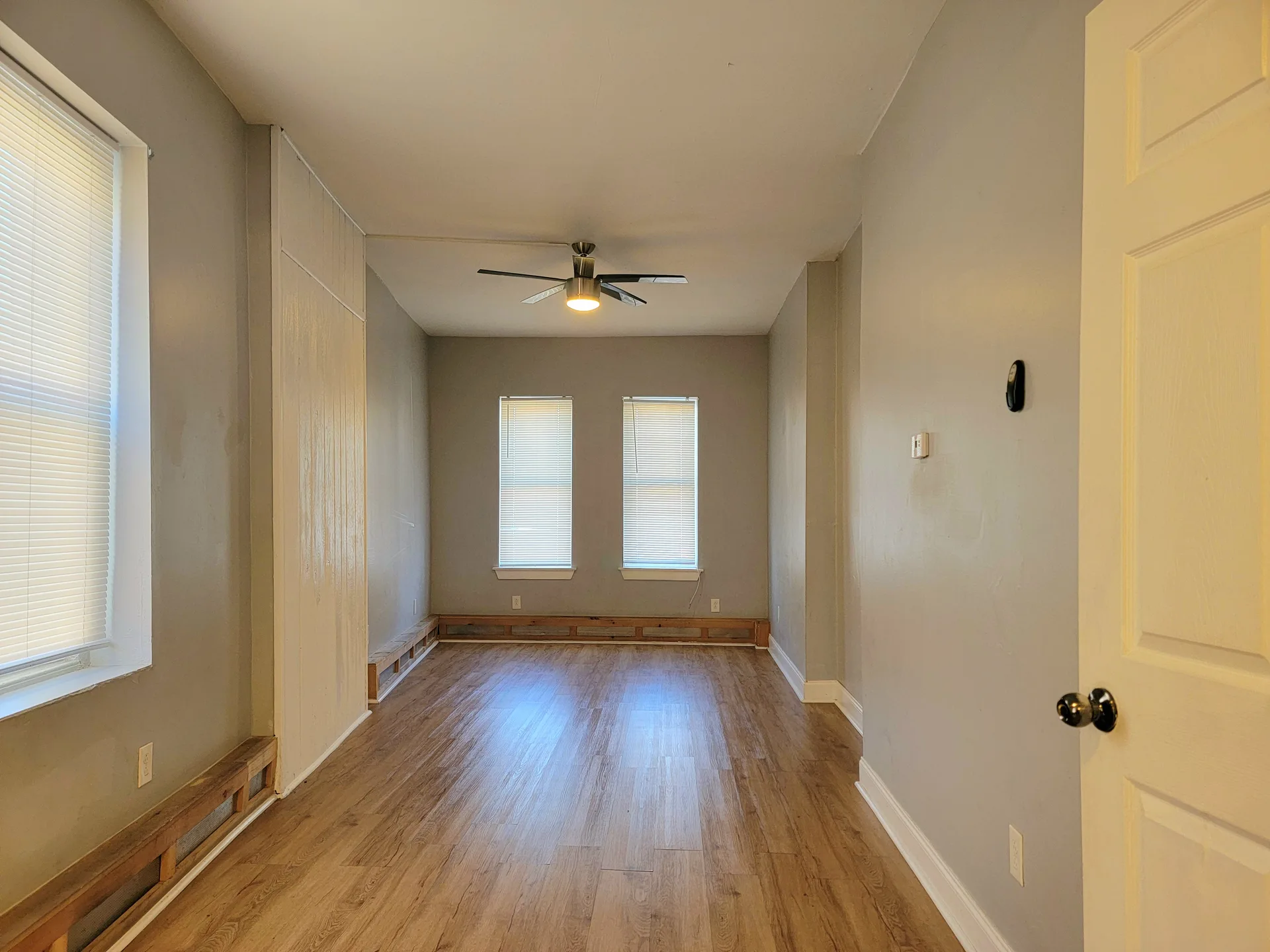
A clean, empty bedroom in a Philadelphia home, the kind of interior a lender's broker weighs when valuing a Chestnut Hill short sale
Short Sales

Why Is My Lender Ordering a Broker Price Opinion (BPO) for My Chestnut Hill Short Sale in Philadelphia?

A broker price opinion, usually called a BPO, is a quick, low-cost estimate of your Chestnut Hill home's market value prepared by a real estate broker or agent and ordered by your lender during a short sale. It is one of the main tools the lender uses to decide how much it will accept for your mortgage, so it can carry a lot of weight in whether your short sale is approved.

Chestnut Hill is a historic neighborhood in far Northwest Philadelphia, where stone homes faced with locally quarried Wissahickon schist line winding, wooded streets around Germantown Avenue, with Wissahickon Valley Park along the western edge. If you live there and are working toward a short sale, a notice may have arrived that the lender ordered a broker price opinion, and you could be wondering what it is and why it suddenly matters. The direct answer is that the lender wants its own read on what your house is worth before it agrees to take less than you owe. Knowing how a BPO works puts you back in the picture instead of watching it happen to you.

What exactly is a broker price opinion (BPO)?

A broker price opinion is a fast, affordable estimate of a property's value prepared by a licensed real estate broker or agent, not a certified appraiser. The broker reviews recent comparable sales and often looks at your home in person, sometimes only from the street in a drive-by BPO and other times with a fuller look at the exterior and condition. In most short sales the lender orders and pays for it, so you are not writing a check, and the number becomes part of how the lender judges your proposed sale price.

How is a BPO different from an appraisal?

An appraisal is a formal valuation by a state-licensed appraiser with a full interior inspection, and it costs more and takes longer, which is why it is used for things like approving a new mortgage. A broker price opinion is lighter and faster: a broker works from nearby sales and a more limited look at the home, and it is not meant for mortgage financing. For a short sale, where the lender needs to know whether your offer is close to fair market value, a BPO answers that question in days rather than weeks.

Why does the lender order a BPO instead of just approving my offer?

The lender compares the offer on the table against its own view of the home's value, and that view often comes from a broker price opinion. It also weighs the alternative: if it turns down the short sale, what would a foreclosure likely recover? Because a negotiated short payoff usually costs the bank less than finishing a foreclosure, the BPO helps the lender see that your home's value and your buyer's offer line up well enough to say yes.

Does the BPO decide the price the lender will accept?

Not by itself, but it is a big part of the picture. The BPO closes in on the ceiling for what the lender may approve, and if the broker's number comes in far above the buyer's offer, the lender may push back or reject the deal. That is why it matters that the broker sees your home and the neighborhood fairly, and why a strong offer from a real buyer, within a BPO that reflects Chestnut Hill's appeal, gives the lender a clear reason to approve the short payoff. Andre's short-sale specialists handle the lender negotiations and the short-payoff approval, so that conversation is not on your shoulders alone. If speaking with the lender is the best route, he guides you to coordinate with your lender.

What if I believe the BPO is too high or too low?

You have options on the number, and you do not have to accept the first result quietly. If the broker price opinion looks too high and is blocking your offer, or too low and is leaving money on the table, you can rebut it by sharing recent comparable sales, clear details about your home's condition, and photos that show its true state. Lenders can order a revised or second BPO, and a well-supported rebuttal is far easier to act on than you might expect. And the bigger picture matters too: Pennsylvania is a recourse state, so whether the lender keeps the right to pursue the unpaid balance after the sale is decided by the approval terms. That is why Andre works to try and secure a deficiency waiver as part of the short sale approval, a written agreement that the lender will not come after you for the shortfall.

The step-by-step for what to expect in a professionally guided short sale is on the short sale help page for Chestnut Hill. If a foreclosure timeline is part of the picture, the stop foreclosure help in Chestnut Hill page shows how the court process and the sheriff sale fit around a short sale, and the foreclosure and short sale guidance for Philadelphia ties the timelines and lender negotiations together. If your Chestnut Hill home was listed before and did not sell, the expired listing help for Chestnut Hill page shows how a relaunch gets it sold, and the sell my house page walks through the normal selling process.

A broker price opinion is not a verdict on you or your home, and you do not have to navigate it alone. Tell Andre your situation and he will give you an honest read on what the number means and what to expect next. Call 267-977-0304 or book a free consult. Every conversation is confidential, and there is no judgment, only solutions.
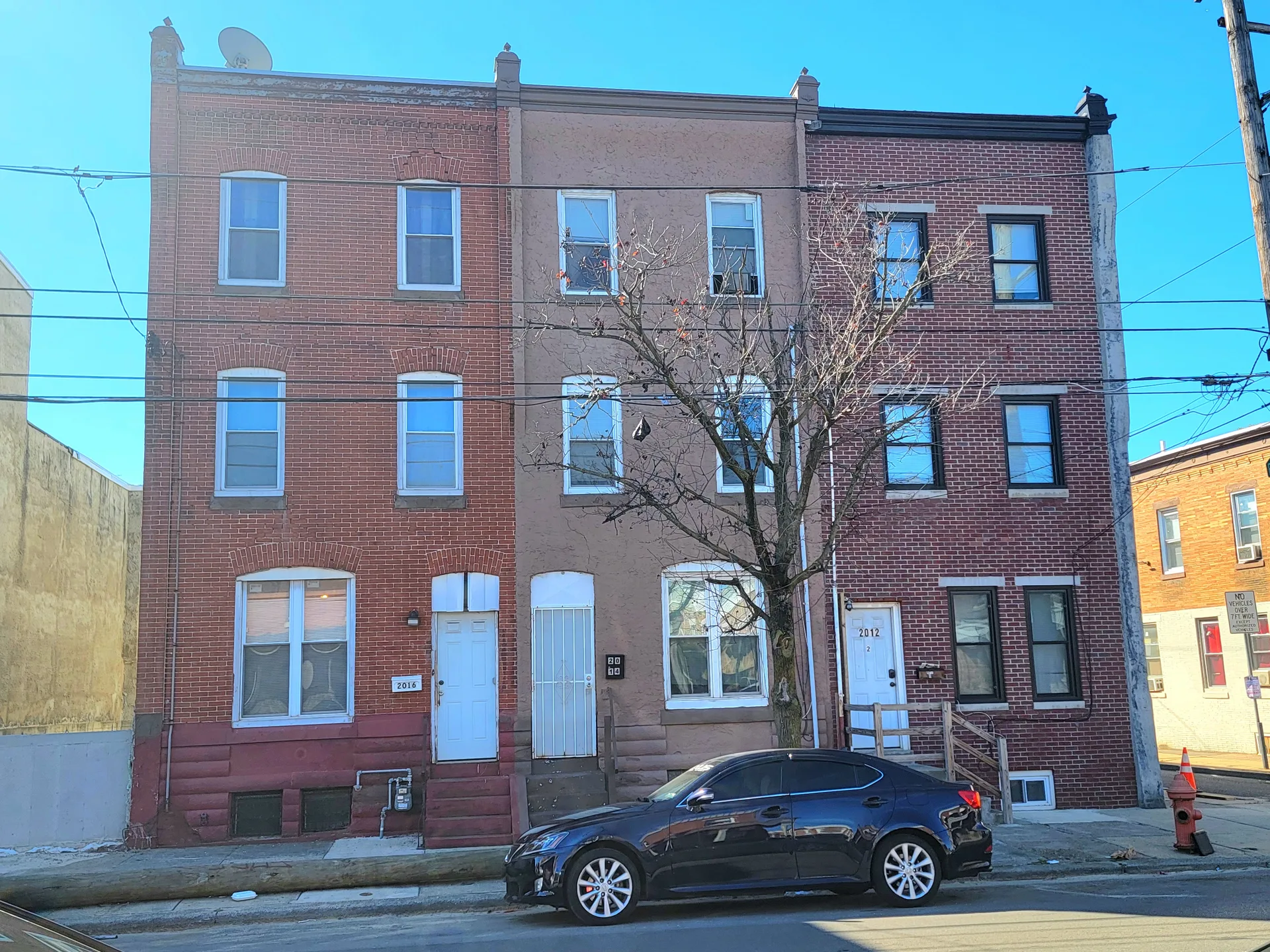
A row of brick Philadelphia townhouses on a sunny day, the kind of home a Chestnut Hill seller can still move through a short sale once a buyer's offer is approved
Short Sales

Can I Do a Short Sale If I Already Have a Buyer for My Chestnut Hill Home in Philadelphia?

Yes. You can do a short sale on your Chestnut Hill home even if you already have a buyer lined up, and a real, ready buyer can actually be an asset. The buyer's offer goes to your lender for approval, and when the price and terms are accepted in writing, the sale can close for less than the full mortgage balance, just like any other short sale.

Chestnut Hill is a historic district in far Northwest Philadelphia, where stone houses built from locally quarried Wissahickon schist line winding, wooded streets around Germantown Avenue, with Wissahickon Valley Park along the western edge. If you live there and you have already found a buyer for your home but owe more than the sale would bring, you may be wondering whether a short sale is still possible with that buyer in place. It is. You do not have to start over, and you do not have to lose the buyer you already have.

Does having a buyer already change how a short sale works?

A short sale follows the same path whether the buyer comes from the open market, an agent, or a connection of your own. The home sells to a real buyer, an offer is made, and the lender approves the price and terms in writing before closing. What already having a buyer changes is the order of events and the pace. Instead of waiting for the home to draw interest, you can move toward the lender's review with an offer in hand.

Do I have to relist my Chestnut Hill home to do a short sale?

Not necessarily. If your buyer is ready and their offer is realistic, the short sale can move forward toward lender approval. Every lender reviews the offer against its own valuation of the property, so the home still has to be presented and priced in a way the lender can support. In Chestnut Hill, where stone architecture and village character keep buyers interested, an offer backed by the neighborhood's appeal gives the lender a good reason to approve the short payoff. Your agent typically confirms the buyer is qualified and the offer is binding before it goes to the lender.

What if my buyer's offer is below what I owe?

A lower-than-balance offer is exactly what a short sale is built for. The lender weighs the buyer's price against its own position and will only approve a short payoff when doing so costs less than completing a foreclosure. A market-driven offer from a genuine, pre-qualified buyer reads stronger to a lender than a speculative one, because it shortens the road to a sold home. Andre's short-sale specialists handle the lender negotiations and the short-payoff approval, so that conversation is not on your shoulders alone. If speaking with the lender is the best route, he guides you to coordinate with your lender. The lender has to see the full picture, including the proposed closing costs, before it signs off.

Will I owe the difference after my buyer's offer closes?

Pennsylvania is a recourse state, so the lender can pursue the unpaid difference after a short sale unless that right is released in writing. That is why the terms matter. Andre works to try and secure a deficiency waiver as part of the short sale approval, a written agreement that the lender will not come after you for the shortfall, and it must be written into the approval before you sign anything.

The step-by-step for selling for less than you owe with your lender's approval is on the short sale help page for Chestnut Hill. If a foreclosure timeline is part of the picture, the stop foreclosure help in Chestnut Hill page shows how the court process and the sheriff sale fit around a short sale, and the foreclosure and short sale guidance for Philadelphia ties the timelines and lender negotiations together. If your Chestnut Hill home was listed before and did not sell, the expired listing help for Chestnut Hill page shows how a relaunch gets it sold.

If you already have a buyer and owe more than your Chestnut Hill home is worth, you do not have to figure this out alone, and you do not have to lose the buyer you found. Tell Andre your situation and he will give you an honest read on your options and what to expect with the buyer you have. Call 267-977-0304 or book a free consult. Every conversation is confidential, and there is no judgment, only solutions.
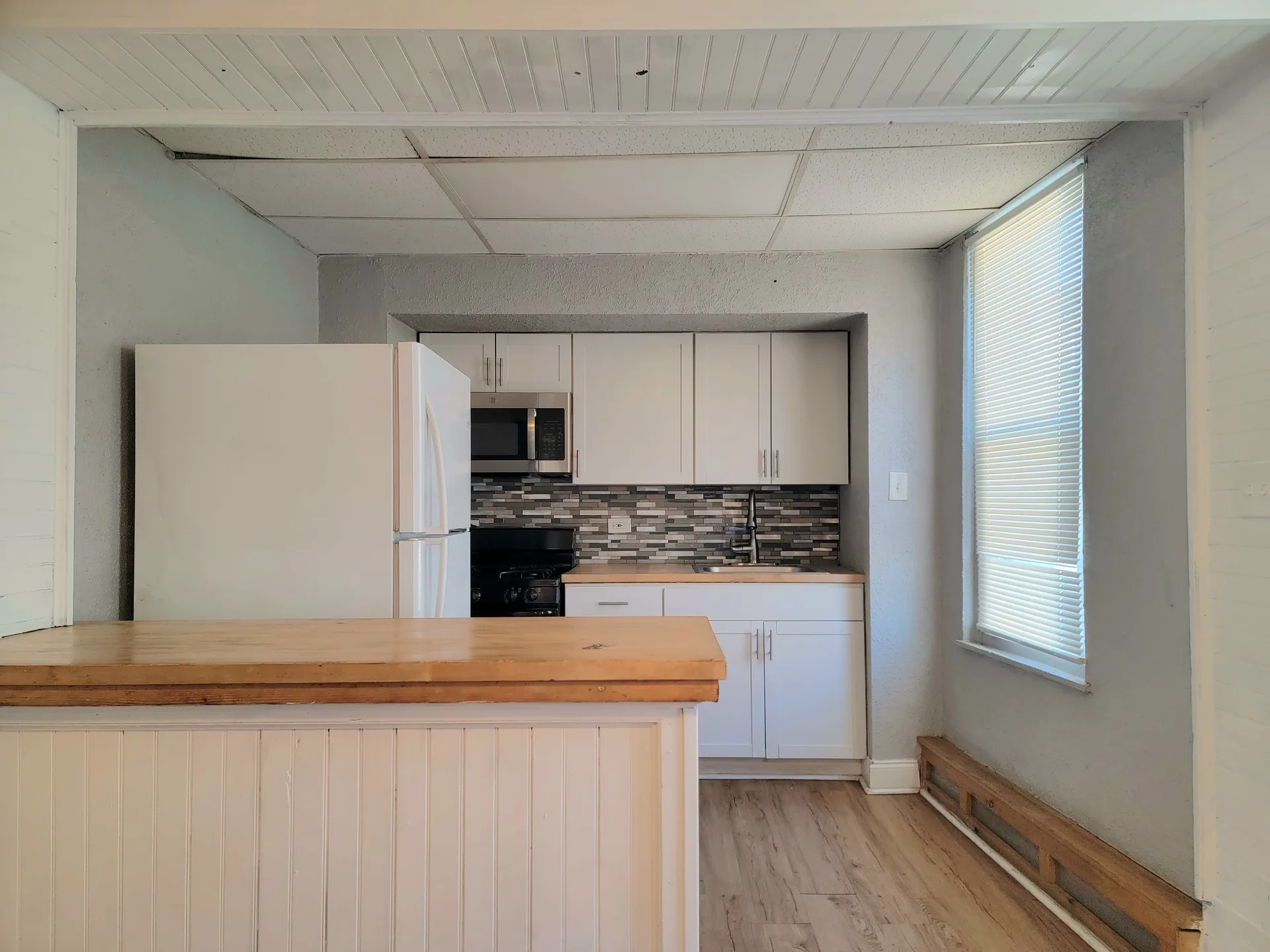
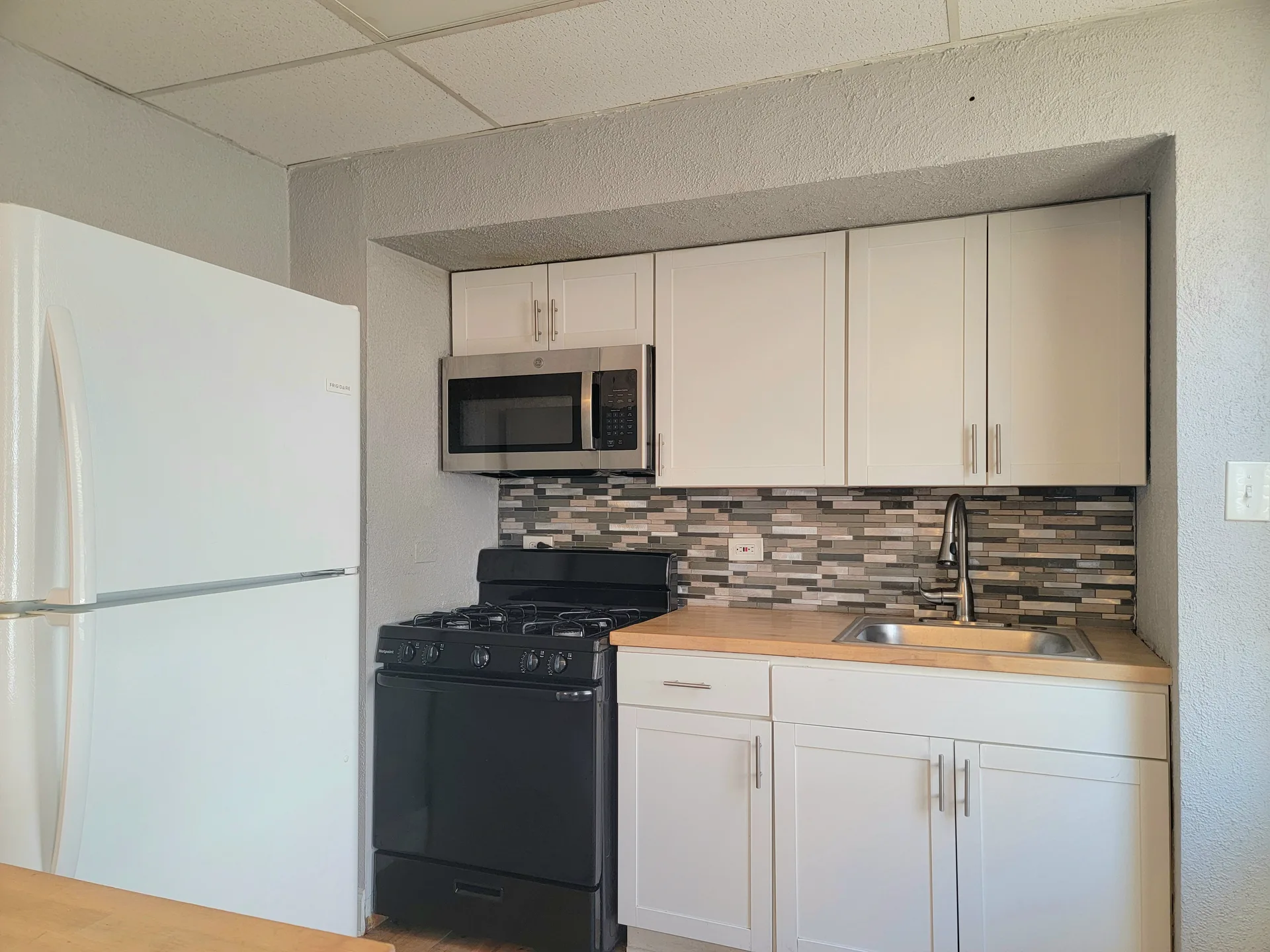
A white kitchen with a black gas range in a Philadelphia home, the home a Chestnut Hill seller keeps control of through the short sale process
Short Sales

Can the Bank Force Me to Do a Short Sale on My Chestnut Hill Home in Philadelphia?

No. A bank cannot force you to do a short sale on your Chestnut Hill home, and no lender can order one anywhere in Pennsylvania. A short sale is voluntary and borrower-initiated: you decide to list your home for less than what you owe, and the lender's only power is to approve the price or decline it.

Chestnut Hill is a historic neighborhood in far Northwest Philadelphia, where stone homes faced with locally quarried Wissahickon schist line quiet streets around Germantown Avenue, with Wissahickon Valley Park along the western edge. If you live here and the mortgage has grown heavier than the house can carry, a short sale may have come up as one of your options, and with it a real worry: can the bank force you into one? The answer is no. The decision to pursue a short sale is yours, and knowing that changes how you approach every conversation that follows.

What can the lender actually do if I stop paying?

When mortgage payments stop, the lender does not take over the home or order a short sale. What changes is the process: the account moves toward collection and, if nothing is resolved, toward a foreclosure filing and a sheriff sale in Philadelphia. At every step, the lender never gains the power to make you sell at a price it chooses. Its role is to review the payoff you request and approve it or decline it.

Can the bank make me sell the home short?

No. A short sale exists only because a homeowner starts it. You list the home, a real buyer makes an offer, and you ask the lender to accept less than the full balance. The lender can say yes or no to that request, but it cannot name a selling price, take over the marketing, or order the sale itself. If the lender approves, the home still sells through the normal market process, with you as the seller.

Who decides whether a short sale happens?

You decide whether to pursue a short sale, and the lender decides whether to approve the short payoff. Andre's short-sale specialists handle the lender negotiations and the short-payoff approval, so that conversation is not on your shoulders alone, while Andre reviews your situation and guides you through your options. If speaking with the lender is the best route, he guides you to coordinate with your lender. The lender weighs the offer against its own position, and in Chestnut Hill, where stone houses and village character keep a committed pool of buyers, a strong offer gives the lender a real reason to approve.

What if my lender says no to a short sale?

If the lender declines a short payoff, you are not forced into anything. You still hold the choices: keep working to catch up, pursue a loan modification, sell at market price if the numbers allow, or let the foreclosure timeline run its course. A decline changes the timing, not the fact that the decision about how to move forward stays with you.

Will I still owe money after a short sale?

Pennsylvania is a recourse state, so a lender can pursue the unpaid difference after a short sale unless that right is released in writing. That is why the approval letter matters. Andre works to try and secure a deficiency waiver as part of the short sale approval, a written agreement that the lender will not pursue the shortfall, and it must be written into the approval before you sign anything.

The step-by-step for selling for less than you owe with your lender's approval is on the short sale help page for Chestnut Hill. If a foreclosure timeline is also part of the picture, the stop foreclosure help in Chestnut Hill page shows how the court process and the sheriff sale fit around a short sale, and the foreclosure and short sale guidance for Philadelphia ties the timelines and lender negotiations together. If your Chestnut Hill home was listed before and did not sell, the expired listing help for Chestnut Hill page shows how a relaunch gets it sold, and the sell my house page walks through the normal selling process.

If you owe more than your Chestnut Hill home is worth, no one can force a short sale on you, and no one should make you carry the worry alone. Tell Andre your situation and he will give you an honest read on your options and what to expect. Call 267-977-0304 or book a free consult. Every conversation is confidential, and there is no judgment, only solutions.
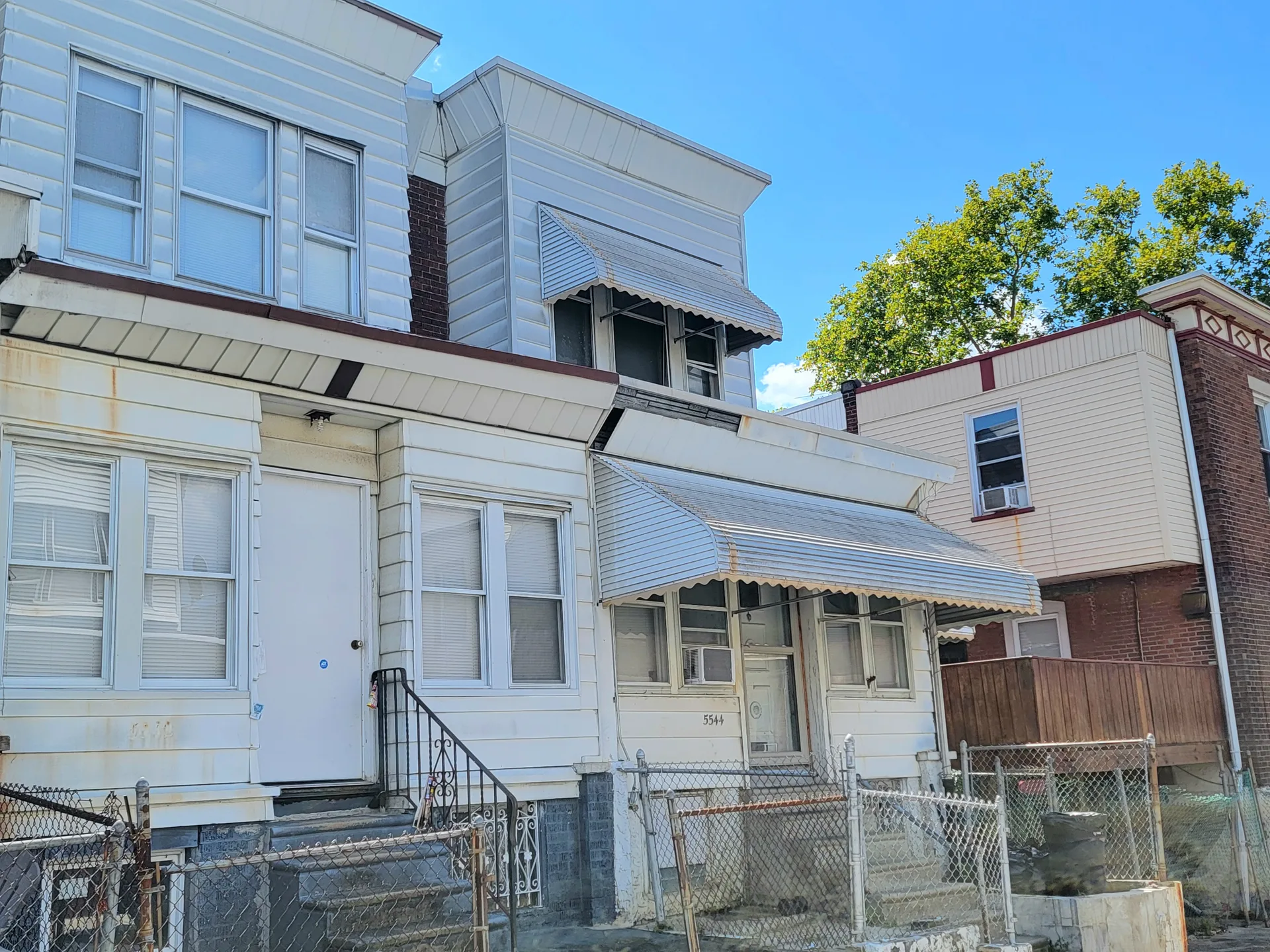
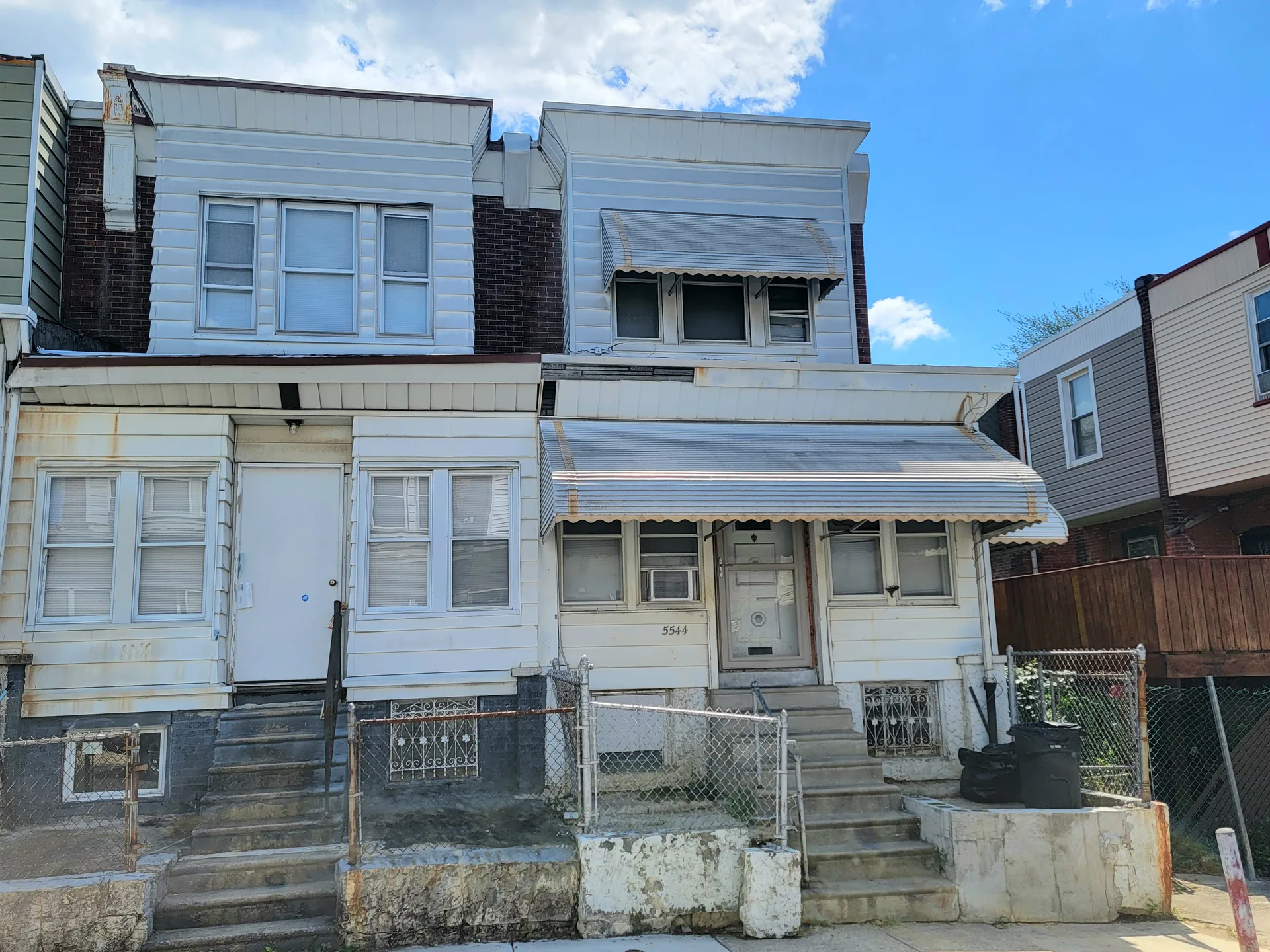
Two attached Philadelphia homes with awnings and stone foundations, the kind of property a homeowner may sell short with their lender's approval
Short Sales

Do I Need Equity in My Home to Do a Short Sale in Chestnut Hill, Philadelphia?

No. You do not need equity in your Chestnut Hill home to do a short sale, and no lender asks you to bring cash to the table. A short sale exists for the opposite situation: when you owe more on the mortgage than the home is worth, and the lender agrees to accept less than the full payoff so you can sell and move on.

Chestnut Hill is a historic district in far Northwest Philadelphia, where stone houses built from locally quarried Wissahickon schist line winding, wooded streets near Germantown Avenue. Many of those homes have been held by the same families for decades, and over time the mortgage can sit above what today's market will pay. When that happens, homeowners often ask whether they need equity in the home before a short sale is even possible. The straight answer is no.

What is a short sale, exactly?

A short sale is when your lender agrees to accept less than the full amount you owe on the mortgage. The home is listed for sale to real buyers, an offer comes in, and the lender approves the price and terms in writing before closing. By definition, that can only happen when the payoff is bigger than the home is worth, which is the same thing as having no equity to draw on. If you had equity, the sale proceeds would cover the loan and you would not need the lender's approval for a short payoff at all.

Why does having no equity help, not hurt, my chances?

Equity is the difference between what a home is worth and what you owe on it. You have positive equity when the value tops the balance. You have little or none when the balance tops the value. A short sale is built for the second situation. The lender is not looking for you to cover the gap from savings, and nothing about the process asks you to inject cash. The approval is what closes the gap: the lender agrees to take the sale proceeds as settlement of the loan, even though they come up short of the balance.

What does the lender look at instead of equity?

When there is no equity, the lender focuses on two things: the home's true market value and your financial situation. Mortgage servicers typically ask for a hardship letter and documentation of your income, assets, and expenses, and they compare the buyer's offer against their own valuation of the property. In Chestnut Hill, where stone architecture, period details, and the neighborhood's village feel draw buyers from across the region, presenting the home well matters, because a strong offer gives the lender a real reason to approve the short payoff.

Will I owe the difference after the short sale?

Pennsylvania is a recourse state, which means a lender can pursue the unpaid difference after a short sale unless that right is released in writing. That is why the approval letter matters. Andre works to try and secure a deficiency waiver as part of the short sale approval, a written agreement that the lender will not come after you for the shortfall, and his short-sale specialists handle the lender negotiations and the short-payoff approval. If speaking with the lender is the best route, he guides you to coordinate with your lender. Before you sign anything, make sure the approval letter spells out what happens to the unpaid balance.

How do I start a short sale on my Chestnut Hill home?

The first step is an honest look at your numbers: what you owe, what the home is realistically worth, and what your lender will ask for. From there, the process moves through the lender's review, a real offer from a real buyer, and written approval before closing. The step-by-step for selling for less than you owe with your lender's approval is on the short sale help page for Chestnut Hill. If foreclosure is already part of the picture, the stop foreclosure help in Chestnut Hill page shows how the court process and the sheriff sale fit around a short sale, and the foreclosure and short sale guidance for Philadelphia ties the timelines together. If your home was listed before and did not sell, the expired listing help for Chestnut Hill page shows how a relaunch gets it sold.

If your Chestnut Hill home is worth less than the mortgage, you do not need equity to move forward, and you do not need to carry this alone. Tell Andre your situation and he will give you an honest read on your options and what to expect. Call 267-977-0304 or book a free consult. Every conversation is confidential, and there is no judgment, only solutions.
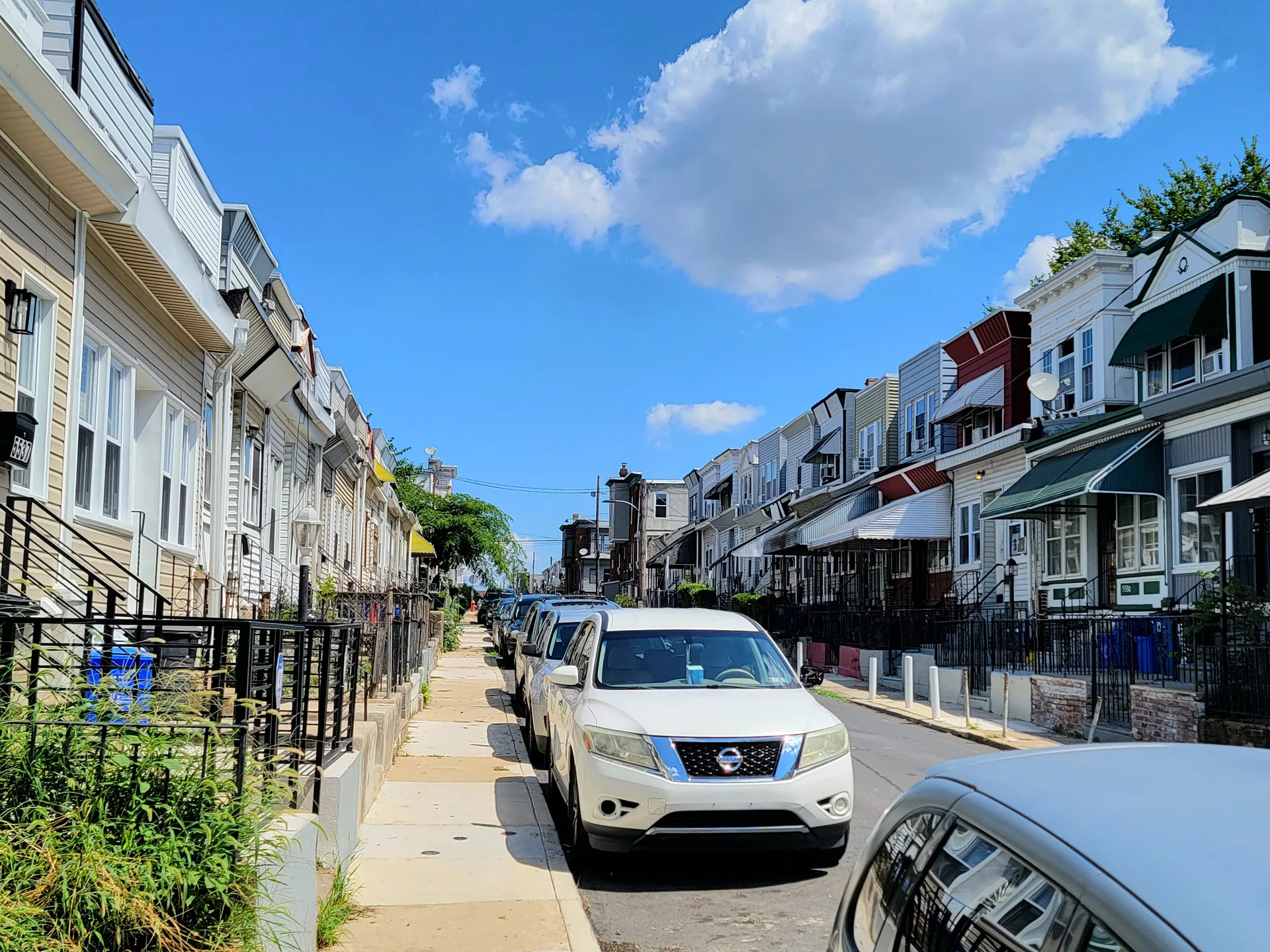
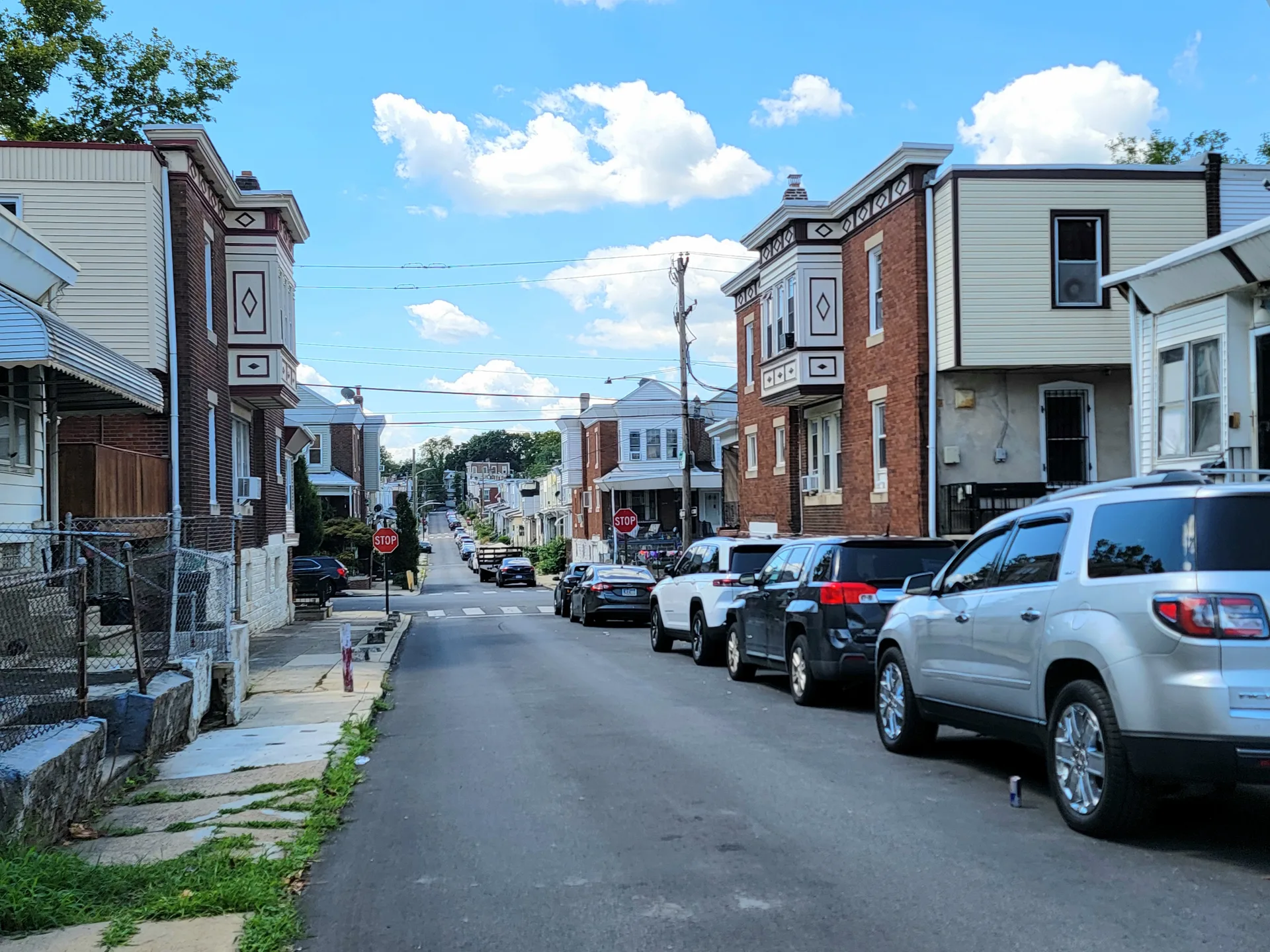
A residential street in Philadelphia lined with brick and siding row homes, where a home moves through the short sale process
Short Sales

Who Pays the Real Estate Commission in a Chestnut Hill Short Sale in Philadelphia?

In almost every case, you do not pay the real estate commission out of pocket in a Chestnut Hill short sale. The lender pays the real estate commissions and the seller's closing costs out of the short-payoff proceeds, because the home sells for less than what is owed and there are no proceeds left for you.

Chestnut Hill is a historic community in Northwest Philadelphia, where stone homes line winding, wooded streets and buyers travel from across the region for the neighborhood's character. When a short sale is on the table, one of the first questions Chestnut Hill homeowners ask is whether they will have to pay the real estate agent's commission themselves. It is a fair worry, because a short sale sells the home for less than the mortgage balance. Here is the straight answer: the seller does not normally write a check for the commission.

Who actually pays the real estate commission in a short sale?

The lender pays it, out of the sale proceeds. In a short sale the home sells for less than what is owed on the mortgage, so there are no proceeds left over to hand the seller. Instead, the lender accepts the real estate commissions as part of the approved sale. Both the listing agent's commission and the buyer's agent's commission are typically paid from the short-payoff funds the lender releases at closing, not from your pocket.

Will I have to pay anything out of pocket?

For most short sellers, the answer is no. The commission and the seller's closing costs, including transfer taxes, title, and settlement fees, are negotiated and approved as part of the short sale approval. Because those costs come out of what the lender accepts in the payoff, the seller usually has no out-of-pocket expenses to sell the home. Every lender and every file is different, so the exact amounts have to be approved before the sale can close.

How do the commissions get approved?

Every expense in a short sale, including the real estate commissions, is part of the short-payoff approval. The lender reviews the purchase price and the proposed expenses together, and it has to accept both before the sale can close. That is why the home has to be marketed well enough to bring a strong offer: a price that leaves room for the commissions and closing costs gives the lender a reason to approve the payoff. Andre's short-sale specialists handle the lender negotiations and the short-payoff approval, so you are not carrying that conversation on your own.

What if I still owe money after the sale?

A short sale sells the home for less than the mortgage balance, which is why the lender has to approve it. Pennsylvania is a recourse state, so a lender can pursue the unpaid difference after a short sale unless that right is waived. That is why Andre works to try and secure a deficiency waiver as part of the approval, a written agreement that the lender will not come after you for the shortfall. If speaking with the lender is the best route, he guides you to coordinate with your lender.

The step-by-step for selling for less than you owe with your lender's approval is on the short sale help page for Chestnut Hill. If a foreclosure timeline is also in play, the stop foreclosure help in Chestnut Hill page shows how the court process and the sheriff sale fit around a short sale, and the foreclosure and short sale guidance for Philadelphia ties the timelines and lender negotiations together. If your Chestnut Hill home was already listed and did not sell, the expired listing help for Chestnut Hill page shows how a relaunch gets it sold.

If you live in Chestnut Hill and want a straight answer about what a short sale means for your wallet and your family, tell Andre your situation and he will give you an honest read on your options and what to expect. Call 267-977-0304 or book a free consult. Every conversation is confidential, and there is no judgment, only solutions.

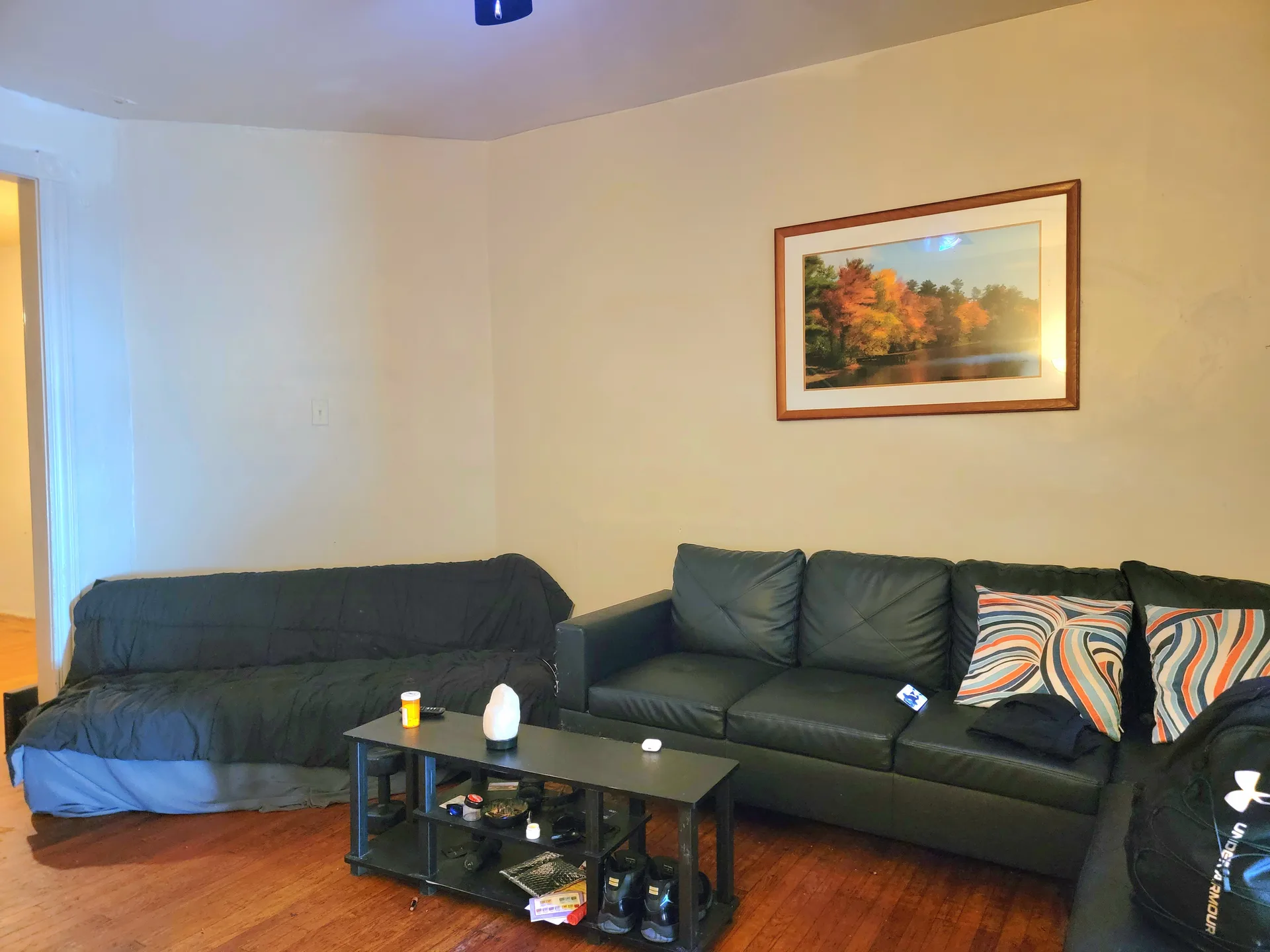
A lived-in living room in a Philadelphia home with hardwood floors, the kind of home a Chestnut Hill seller stays in through a short sale
Short Sales

Can I Stay in My Chestnut Hill Home During a Short Sale in Philadelphia?

Yes. In most cases you can keep living in your Chestnut Hill home through the entire short sale process, right up to the day of closing. A short sale is still your home, and you remain the owner until the sale is final. You are not pushed out early, and staying put is usually exactly what your lender wants you to do.

Chestnut Hill is a historic community in Northwest Philadelphia, where stone homes sit along winding, wooded streets and buyers travel from across the region for the neighborhood's character. If you live in one of those homes and a short sale is on the table, the question that comes up most often is where you will live while it happens. The short answer is that you do not have to leave. The short sale process is built around a home that is still occupied, and you get to keep living in yours until closing day.

Do I have to move out before the short sale closes?

No. There is no requirement to move out before closing, and there is no reason to rush. You stay the owner of the home until the sale closes, and the buyer takes possession on closing day, the same as in any normal home sale in Pennsylvania. Moving out early is not a step the lender asks you to take, and doing so does not make the process go any faster.

Why do lenders actually want you to stay?

A vacant home is a problem for everyone. An empty house is easier to break into, more exposed to damage, and much harder to sell, because it shows poorly. An occupied, maintained home presents better, and that helps the offer come in stronger. A stronger offer is what gives your lender a reason to approve the short payoff. So staying in the home is not just allowed, it usually works in your favor.

What happens on closing day?

On closing day the sale becomes final. Ownership passes to the buyer, the short payoff is settled, and that is when you hand over the keys and move on. Until that day, the home is still yours to live in. If you need extra time after closing, that has to be arranged separately in writing with the buyer, because once closing is done the home belongs to them.

What if I still owe money after the sale?

A short sale sells the home for less than the mortgage balance, which is why the lender has to approve it. Pennsylvania is a recourse state, so a lender can pursue the unpaid difference after a short sale unless that right is waived. That is why Andre works to try and secure a deficiency waiver as part of the approval, a written agreement that the lender will not come after you for the shortfall. Andre's short-sale specialists handle the lender negotiations and the short-payoff approval, so you can focus on your home and your next step. If speaking with the lender is the best route, he guides you to coordinate with your lender.

The full step-by-step for selling for less than you owe with your lender's approval is on the short sale help page for Chestnut Hill. If a foreclosure timeline is also in play, the stop foreclosure help in Chestnut Hill page shows how the court process and the sheriff sale fit around a short sale, and the foreclosure and short sale guidance for Philadelphia ties the timelines and lender negotiations together. If your Chestnut Hill home was already listed and did not sell, the expired listing help for Chestnut Hill page shows how a relaunch gets it sold.

If you live in Chestnut Hill and want a straight answer about what a short sale means for your home and your family, tell Andre your situation and he will give you an honest read on your options and what to expect. Call 267-977-0304 or book a free consult. Every conversation is confidential, and there is no judgment, only solutions.

Your Chestnut Hill home
is worth protecting.

Let's talk about your options, today.

Want to know what your home is worth? Get a real valuation of your home's value.

Licensed. Local. Legit.

Pennsylvania License RS349905 · New Jersey License 1969348
HomeSmart Realty Advisors

Experience. Strategy. Results.

267-977-0304

Want the full picture of what happens during a foreclosure if nothing is done, including the court timeline and the sheriff sale? The stop foreclosure help in Chestnut Hill page walks through it step by step, while the foreclosure and short sale guidance for Philadelphia ties the timelines, credit impacts, and lender negotiations together. If your home has already been through a listing that did not sell, the expired listing help in Chestnut Hill page shows how a relaunch gets it sold, or contact Andre directly.