

Stop foreclosure help in Chestnut Hill, Philadelphia with Andre Richardson, Realtor — the go-to agent for foreclosure help in Chestnut Hill
Stop Foreclosure

Foreclosure Help
in Chestnut Hill

You have more options than you think.

Chestnut Hill is one of Philadelphia's most prestigious and historic communities, where stone homes line winding, wooded streets and families have put down roots that span generations. For homeowners with deep roots here, the house is often the largest asset they own, with significant equity built up quietly over decades. I'm Andre Richardson, and for 26 years I've been involved with Philadelphia real estate. Facing foreclosure doesn't mean your story is over. It means it's time to look at your options, and the earlier you do, the more choices you have.

26 Years
Real Estate Experience
5.0
Rating from 27 Reviews
AI
Powered Marketing
PA & NJ
Licensed
01
Why It Matters

Why Acting Early Matters
in Chestnut Hill

One of Philadelphia's most prestigious and historic communities, Chestnut Hill is a place of stone homes along winding, wooded streets, where generations of families have built deep roots and significant equity. For most Chestnut Hill homeowners, the house is the largest asset they own, and that equity has been growing quietly for decades. When a mortgage becomes hard to keep up with, that equity is exactly what makes acting early matter.

  • The earlier you act, the more options you have: a repayment plan, forbearance, a loan modification, a short sale, or a sale at full market value
  • Chestnut Hill's prestige, history, and tree-lined streets keep a steady pool of committed buyers, which works in your favor when you need to sell on a timeline
  • Time protects equity: every month spent waiting narrows the gap between what you owe and what your home is worth
  • Solutions like a loan modification are far easier to secure before the process moves deep into the courts

Foreclosure in Pennsylvania is a judicial process, which means it moves in stages and there is a path forward at every stage. The mistake homeowners make is waiting to find it. The homeowners who call early keep control of the outcome, and in Chestnut Hill, where homes hold deep and lasting equity, early action is how that equity gets protected.


02
Your Options

Options Beyond Foreclosure,
with Someone on Your Side

You have more options than you think. Each path below is a real, workable route, and every one of them goes better with Andre Richardson leading the way. He listens to your situation first, then builds the plan around your lender and your timeline.

Working with your lender

Before anything else, there may be room to work directly with your mortgage servicer: a repayment plan to catch up on missed payments, a forbearance that pauses payments for a set period, or a reinstatement agreement. Andre reviews your specific situation, and if speaking with your lender is the best route, he guides you to coordinate with your lender.

A loan modification

A loan modification rewrites the terms of your mortgage so the payment fits your current income, through a lower rate, a longer term, or added arrears. Modifications are far more attainable early in the process, and Andre will point you to talk with your lender.

A professionally guided short sale

If you owe more than the home can sell for, a short sale lets you sell with the lender's approval and walk away from the threat of foreclosure. Andre manages the entire negotiation for you, from the loss mitigation department to the paperwork, and works to try and secure a deficiency waiver so the lender does not come after you for the difference.

Selling before foreclosure

If your Chestnut Hill home holds equity, selling on the open market before the sheriff sale is often the strongest path. You capture the value your home has built, pay off the mortgage, protect your credit, and close the chapter on your terms, with Andre's aggressive AI-infused marketing working towards getting your home sold.

These paths are explained step by step in the full foreclosure and short sale guidance for Philadelphia, covering timelines, credit impacts, and lender negotiations. If the mortgage weighs more than the home can carry, the short sale guidance in Chestnut Hill page walks through selling for less than you owe with the lender's approval. And if your home has already been through a listing that did not sell, the expired listing help in Chestnut Hill page shows how a relaunch gets it sold. You do not have to choose a path alone.


03
The Agent

Why Sellers Trust Andre

By the time Chestnut Hill homeowners facing foreclosure find me, many have been carrying the weight of the situation alone for months, and some have watched a previous listing fail. I bring 26 years of Philadelphia and South Jersey experience, active PA and New Jersey licenses, and a targeted marketing plan that gets homes sold. Every conversation is confidential, and there is no judgment, only solutions.

“Andre was very professional and knowledgeable, a definite credit to the profession. I would not hesitate to refer him to any of my friends or family for his real estate services. Andre did not hesitate to go above and beyond to make things happen. Job well done for me thank you Andre!”

— Stella Thompson, 5-star review

See how the sell my house process works or read the client reviews from sellers who started right where you are.


04
Answers

Questions Chestnut Hill Homeowners
Facing Foreclosure Ask

Can I sell my Chestnut Hill home after receiving a foreclosure notice?

Yes. You can sell at any point before the sheriff sale, and in Chestnut Hill, where stone homes on wooded streets hold decades of equity and an established base of buyers, selling before foreclosure is often the strongest path. A sale at or near market value lets you pay off the mortgage, keep what equity remains, and protect your credit. The key is starting now, because the timeline moves faster than most homeowners expect.

How long do I have to act before a sheriff sale in Pennsylvania?

The foreclosure process in Pennsylvania typically runs six to twelve months from the first missed payment to the sheriff sale, and federal law requires a 120-day waiting period before a lender can even begin formal proceedings. Philadelphia's Mortgage Foreclosure Diversion Program, which requires a conciliation conference, can extend that window. In Chestnut Hill, where the equity is substantial, even a few extra weeks of planning can mean the difference between a sale and the loss of that equity.

I owe far less than my Chestnut Hill home is worth. Should I still be worried?

Strong equity is a position of strength, not a reason to wait. Chestnut Hill's lasting prestige has protected home values through decades of market changes, and that equity can cover the mortgage, closing costs, and still leave you with a meaningful financial reset. Selling on the open market before the sheriff sale turns that equity into a new beginning. The earlier you list, the more time you have to capture the full value Chestnut Hill buyers are willing to pay.

Will a short sale protect me from the lender coming after the difference?

Pennsylvania is a recourse state, which means a deficiency judgment is possible after a foreclosure or a short sale unless it is waived. That is why the short sale agreement should include a deficiency waiver, a written provision that the lender will not pursue you for the remaining balance. Andre negotiates for that protection in every short sale he manages. A short sale also impacts credit far less than a completed foreclosure, and you can qualify for a new mortgage years sooner.

What happens if I do nothing?

If nothing changes, the process continues through the courts to a sheriff sale, where the property is sold at auction either to a private buyer or to the lender. You lose the equity in the home, your credit takes its hardest hit, and a deficiency judgment remains possible in Pennsylvania. That outcome is almost always avoidable, and the homeowners who call early keep the most control over how their story ends.

05
From the Blog

Chestnut Hill Foreclosure
Advice

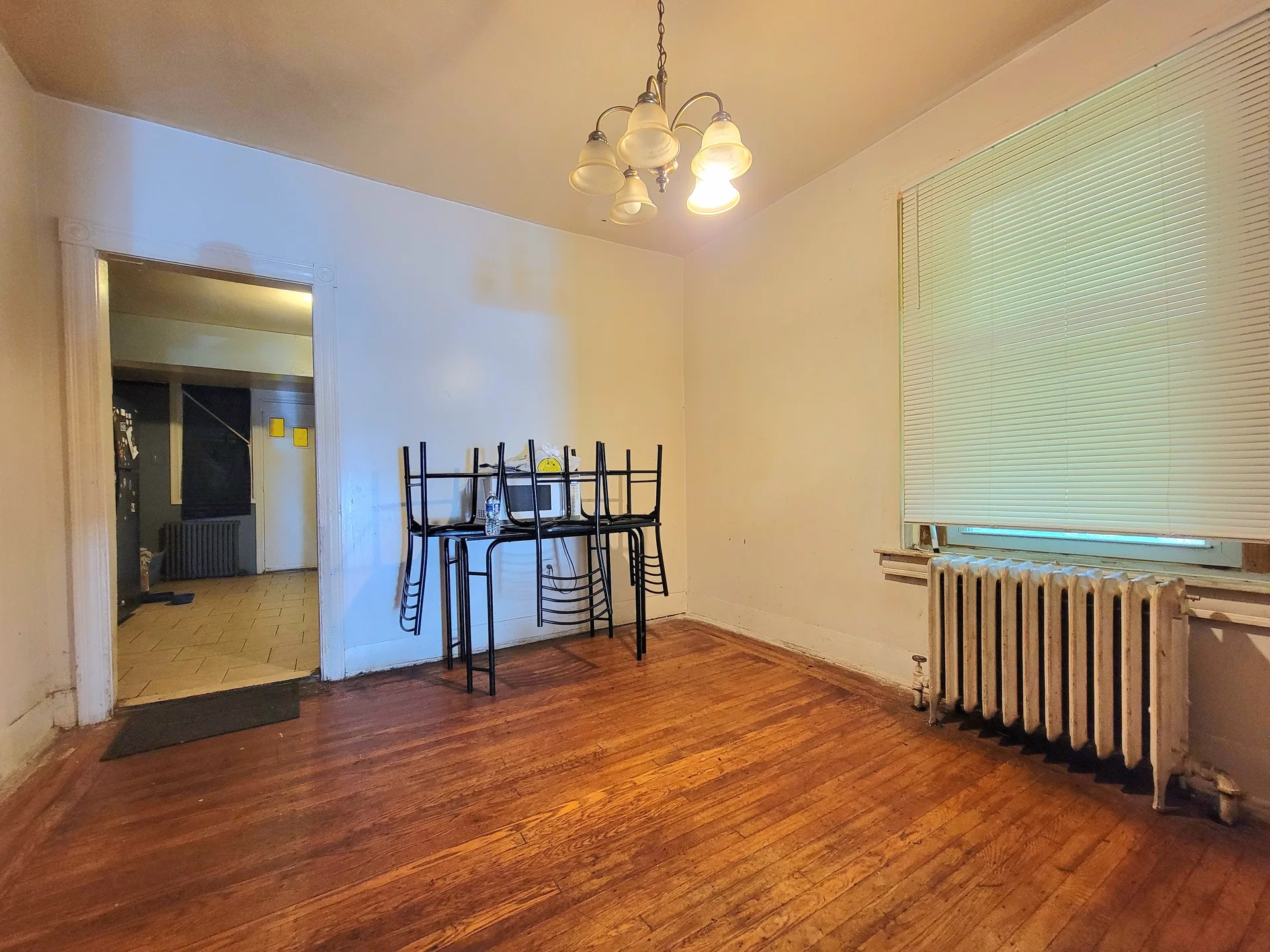
Interior dining room with hardwood floors, white walls, and a cast iron radiator in a traditional Philadelphia home in natural daylight
Stop Foreclosure

Can the Bank Foreclose on My Chestnut Hill Home While I'm on Active Military Duty in Philadelphia?

No. Under the Servicemembers Civil Relief Act (SCRA), the bank cannot validly foreclose on your Chestnut Hill home while you are on active military duty, as long as the mortgage was taken out before you entered service. The SCRA caps your mortgage interest at 6 percent, and a Philadelphia sheriff sale held in violation of the law is not valid and can be set aside. If your service materially affects your ability to handle the case, the court can pause the foreclosure altogether.

If you own a home in Chestnut Hill and you have been called to active duty, the worry that the bank could take the house while you are away is one of the heaviest things you can carry. The SCRA is a federal law that protects servicemembers from foreclosure on mortgages they signed before entering active duty. Chestnut Hill is a National Register historic district of stone houses built from locally quarried Wissahickon schist, with the shops of Germantown Avenue below and some of the highest ground in Philadelphia above. For a homeowner with decades of equity built into one of those houses, the SCRA is the shield that keeps that equity safe while you serve.

What does the SCRA do for a mortgage on a Chestnut Hill home?

The SCRA caps the interest rate on a pre-service mortgage at 6 percent during active duty and for one year after service ends, and the excess interest is forgiven, not deferred. The cap covers most fees and charges connected to the loan, so the balance stops growing while you serve. The law also forbids a sale, foreclosure, or seizure for breach of a pre-service mortgage obligation during that same window unless it happens under a court order that complies with the SCRA or under a written agreement you signed. That protection is what makes a sheriff sale on a protected servicemember's home invalid.

Can a Philadelphia sheriff sale happen while I'm deployed?

Not validly. In Pennsylvania, foreclosure moves through the courts, and the lender's sheriff sale package must include an affidavit of non-military service, filed under Pennsylvania Rule of Civil Procedure 3129.1, verifying that the borrower is not entitled to SCRA protection. If you are a protected servicemember, that affidavit cannot truthfully be filed, and the sale cannot validly proceed without a court order obtained in compliance with the SCRA. A sale that happens anyway is voidable, meaning you can challenge it, have it set aside, and pursue damages.

What should I do if I'm on active duty and facing foreclosure?

Tell your lender or servicer in writing that you are on active duty, and send a copy of your orders. Ask for the 6 percent interest adjustment in the same letter. Contact the legal assistance office on your installation, which helps servicemembers with SCRA issues at no cost. If a foreclosure case is already filed, ask the court for a stay, and the judge can pause the case for as long as justice and equity require when your service affects your ability to defend. Do not ignore the notices. If speaking with the lender is the best route, he guides you to coordinate with your lender.

Does the SCRA cover a mortgage I took out after enlisting?

The SCRA's foreclosure protections apply to obligations you incurred before entering active duty. A loan you signed while already serving is not covered the same way, so it matters when the mortgage was created. If you are unsure whether your loan qualifies, the legal assistance office can review the dates with you.

Can I sell my Chestnut Hill home while on active duty?

Yes, and for many servicemembers a sale before the sheriff sale is the cleanest way to protect the equity in the house. You can sell while deployed with a power of attorney, and the proceeds pay off the mortgage and give you a financial reset when you return. A Chestnut Hill stone home on a wooded street draws committed buyers, which works in your favor when you need to sell on a timeline you cannot control.

The full plan for acting before the sheriff sale is laid out on the stop foreclosure help page for Chestnut Hill. If the mortgage weighs more than the home can carry, a short sale in Chestnut Hill with the lender's approval can end the threat of foreclosure, and Andre works to try and secure a deficiency waiver so the lender does not come after you for the difference. If your home has already been through a listing that did not sell, the expired listing help page for Chestnut Hill shows how a relaunch gets it sold. The complete court process and lender negotiations are covered on the foreclosure and short sale guidance for Philadelphia, and your legal protections in a Pennsylvania foreclosure are worth reviewing before you talk to anyone who asks for money.

If you are on active duty and worried about your Chestnut Hill home, you do not have to sort it out alone. Call Andre at 267-977-0304 or book a free consult for a straight answer about your options, and you can reach Andre through the contact page. Every conversation is confidential, and there is no judgment, only solutions.
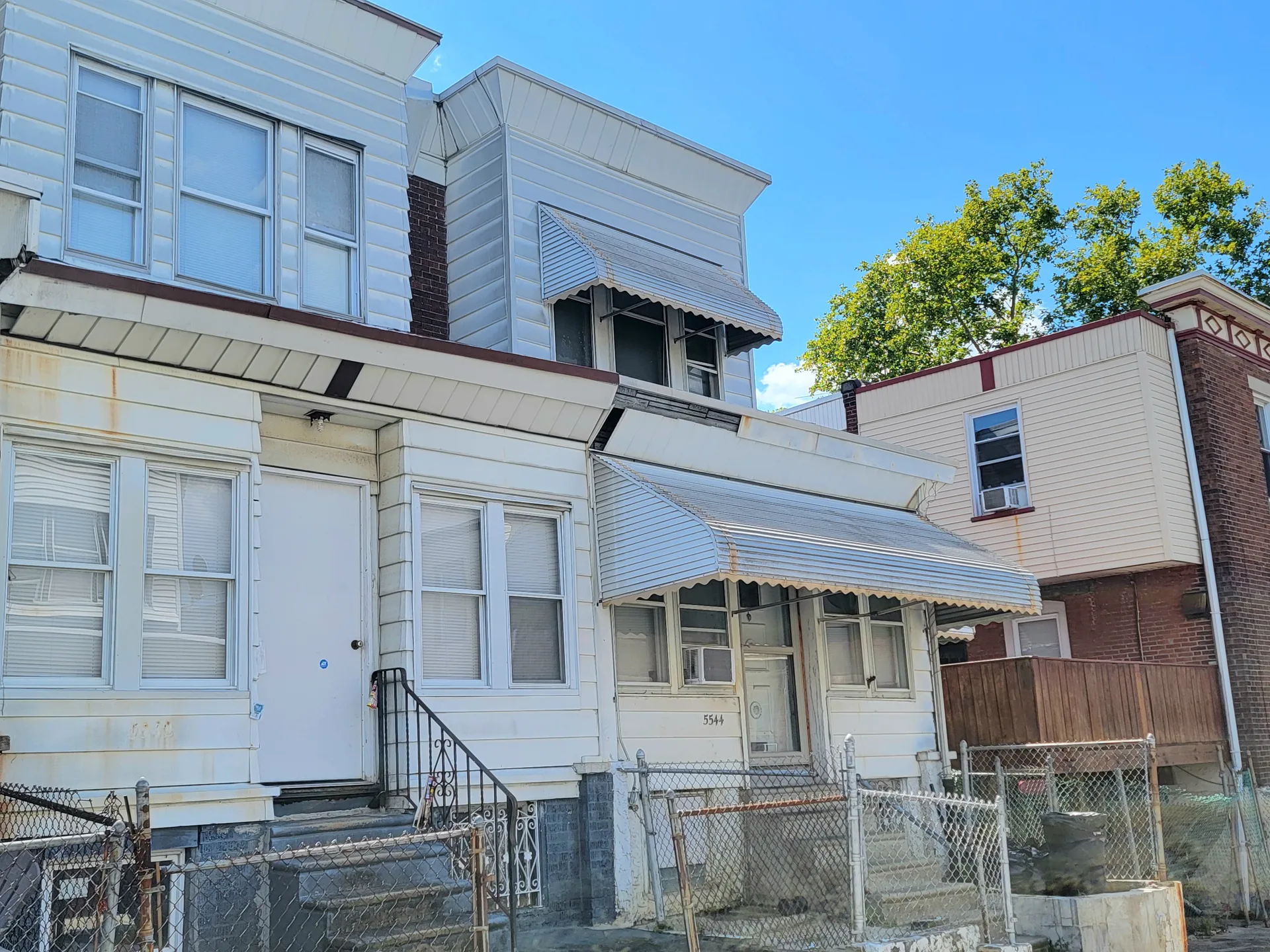
Front facade of a traditional Philadelphia row house with siding, brick foundation, and window awnings in sunny daylight
Stop Foreclosure

Can the Bank Change My Locks or Force Me Out of My Chestnut Hill Home Before the Philadelphia Sheriff Sale?

No. In Pennsylvania, the bank cannot change your locks or force you out of your Chestnut Hill home before the Philadelphia sheriff sale is completed and the deed has transferred to a new owner. You keep the right to possession throughout the foreclosure case, and even after the sale, a new owner must complete a court eviction process before anyone can lawfully remove you. A lender that changes the locks on an occupied home during foreclosure is committing an illegal lockout.

If your Chestnut Hill home is in foreclosure, one of the most frightening questions is whether the bank can simply show up, change the locks, and put your belongings on the street. The answer is no, and Pennsylvania's foreclosure rules protect you from exactly that. Chestnut Hill is a National Register historic district of stone houses built from locally quarried Wissahickon schist, with the shops along Germantown Avenue and streets that climb to one of the highest points in Philadelphia. It is also a place where homeowners have deep roots, and the law gives you time and control while you decide what comes next.

Can a lender change the locks during a Pennsylvania foreclosure?

This is where the confusion starts. Foreclosure in Pennsylvania is a judicial process, and you remain the legal owner of your home with the right to possession until the sheriff sale is actually completed, meaning the full purchase price has been paid and the deed has been delivered to the buyer. Before that point, a lender that changes the locks on a home where someone still lives is committing an illegal lockout, and the homeowner can treat it as an unlawful eviction. A lock change is only considered proper when a home is genuinely vacant or abandoned, not when you are still living there.

How long can I stay in my Chestnut Hill home after the sheriff sale?

You do not have to leave on sale day. In Philadelphia, the deed cannot be transferred until 21 days after the sheriff sale, so nothing is final at the auction. If you believe the sale was flawed, you can ask the court to set it aside, and you are allowed to stay in your home while that request is pending. After the deed does transfer, the new owner still cannot remove you without going through the court system.

What is the eviction process after a Philadelphia sheriff sale?

After a Philadelphia sheriff sale, the new owner has to use the ejectment process. That means a written 30-day notice to vacate, then a Complaint in Ejectment filed in the Court of Common Pleas, and you get 20 days to respond. Only after the new owner obtains a judgment and a court-issued Writ of Possession can the sheriff carry out an eviction. Pennsylvania does not allow self-help evictions, so nobody can simply change the locks or remove your belongings on their own. One thing to know: Pennsylvania has no redemption period for mortgage foreclosure sheriff sales, so the way to protect the equity in your Chestnut Hill home is a sale before the auction, not a buyback after it.

What should I do if a lender or new owner tries to force me out?

Do not pack up and leave based on a phone call or a single letter. Keep every notice you receive, take photos with dates, and do not sign anything you do not fully understand. Before you respond to anyone, get advice from a housing counselor or an attorney who works with Philadelphia homeowners, and if the situation can be resolved directly, reach your lender's loss mitigation department. If speaking with the lender is the best route, he guides you to coordinate with your lender. Understanding your legal position early is what keeps you in control of your home and your timeline.

Acting early is what keeps the most options open. The full plan for acting before the sheriff sale is laid out on the stop foreclosure help page for Chestnut Hill. If the mortgage weighs more than the home can carry, a short sale in Chestnut Hill with the lender's approval can end the threat of foreclosure, and Andre works to try and secure a deficiency waiver so the lender does not come after you for the difference. If your home has already been through a listing that did not sell, the expired listing help page for Chestnut Hill shows how a relaunch gets it sold. The complete court process and lender negotiations are covered on the foreclosure and short sale guidance for Philadelphia, and your legal protections in a Pennsylvania foreclosure are worth reviewing before you talk to anyone who asks for money.

If you are not sure how much time you really have or what your Chestnut Hill home would bring on today's market, call Andre at 267-977-0304 or book a free consult for a straight answer about what happens next. You can also reach Andre through the contact page. Every conversation is confidential, and there is no judgment, only solutions.
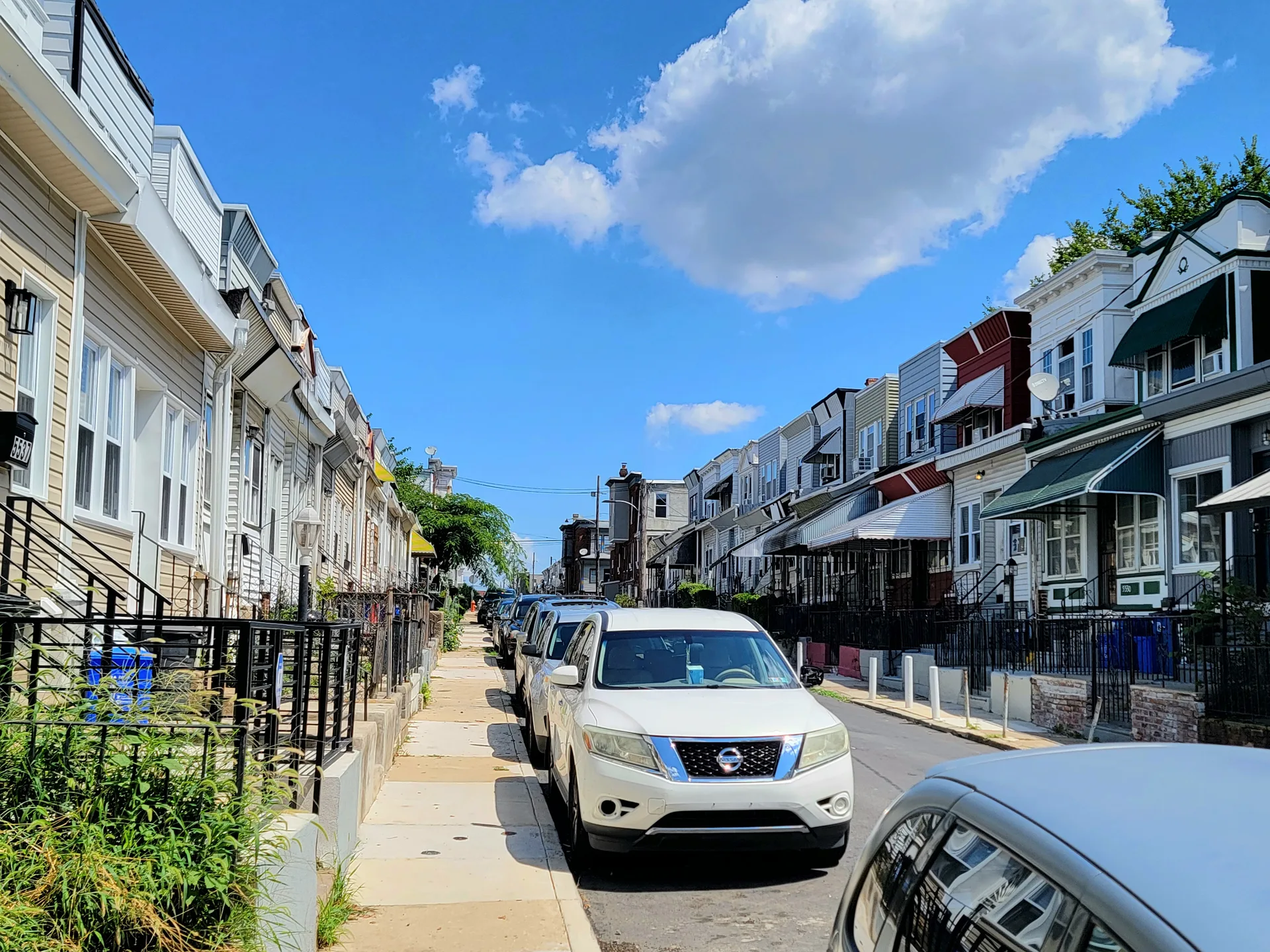
A residential Philadelphia street lined with traditional row homes with porches and awnings under a clear sky
Stop Foreclosure

How Can Chestnut Hill Homeowners in Philadelphia Spot a Foreclosure Rescue Scam?

You can spot a foreclosure rescue scam by watching for three things: an upfront fee, a guaranteed promise to stop the foreclosure, or a request to sign over the deed. A company that does any of those in Philadelphia is almost certainly operating outside the law, and legitimate help is free. If someone is charging you to “save” your home, that is the warning sign that matters most.

Chestnut Hill homeowners are exactly who these companies go after. This is a National Register historic district of stone houses on wooded streets, where decades of equity sit quietly in some of Philadelphia's most desirable homes. The sheriff sale schedule and the court foreclosure dockets are public records, which means anyone can see which properties are heading to auction. If your Chestnut Hill address appears on one of those lists, companies that profit from other people's distress may already have your name.

How do foreclosure rescue scams work?

The playbook rarely changes. A company calls, mails, or knocks, offering to “stop your foreclosure,” “save your home,” or “negotiate with your lender” for a fee. It may demand that fee upfront, ask for payment by wire transfer or cashier's check, tell you to stop making mortgage payments, or ask you to send payments to it instead of your actual lender or servicer. Some ask you to sign a quitclaim deed or “temporarily” transfer the title, promising you can rent the home back or buy it again later. The Federal Trade Commission and the Consumer Financial Protection Bureau list the same core warning signs: an upfront fee, a guaranteed outcome, and a request to sign over the deed. Real help never works that way. Your lender's loss mitigation department and HUD-approved housing counselors do not charge you to negotiate.

Why are Chestnut Hill homeowners targeted?

The short answer is that the list is public. Philadelphia's foreclosure dockets and the Sheriff's Office list of scheduled properties are open records, and scammers scan them the way buyers scan listings. A Chestnut Hill property carries equity built up over decades, so a company that tricks a homeowner into signing over the deed or selling far below value stands to gain a stone home in one of the city's most sought-after neighborhoods for a fraction of what it is worth. That equity is exactly what a legitimate sale before the sheriff sale is built to protect.

What should I do if I've been contacted by a foreclosure rescue company?

Do not pay a fee, do not sign a deed, do not stop making your mortgage payments, and do not send a payment to anyone other than your lender or servicer. Contact your mortgage company directly and ask about loss mitigation, then get free guidance before you respond to anyone. If speaking with the lender is the best route, he guides you to coordinate with your lender. Andre helps Chestnut Hill homeowners make that call and every decision after it, and the conversation costs nothing.

Where can I get free, legitimate foreclosure help in Philadelphia?

Philadelphia's Save Your Home Philly Hotline, 215-334-HOME (215-334-4663), is backed by Philadelphia Legal Assistance and staffed by lawyers and paralegals who answer foreclosure questions at no cost. HUD-approved housing counselors, including Clarifi in Philadelphia at 215-563-5665, provide free foreclosure counseling. The Pennsylvania Housing Finance Agency offers free homeowner counseling and the HEMAP program. And Philadelphia's Mortgage Foreclosure Diversion Program requires a free conciliation conference before a mortgage foreclosure can move ahead, which gives you court-ordered time to work out a plan.

Every week you wait costs you options. The full plan for acting before the sheriff sale is laid out on the stop foreclosure help page for Chestnut Hill. If the mortgage weighs more than the home can carry, a short sale in Chestnut Hill with the lender's approval can end the threat of foreclosure, and Andre works to try and secure a deficiency waiver so the lender does not come after you for the difference. If your home has already been through a listing that did not sell, the expired listing help page for Chestnut Hill shows how a relaunch gets it sold. The complete court process and lender negotiations are covered on the foreclosure and short sale guidance for Philadelphia, and your legal protections in a Pennsylvania foreclosure are worth reviewing before you talk to anyone who asks for money.

If a company has contacted you about your Chestnut Hill home, get a second opinion before you respond. Call Andre at 267-977-0304 or book a free consult for a straight read on whether an offer is real or a fast exit from your equity. Every conversation is confidential, and there is no judgment, only solutions.

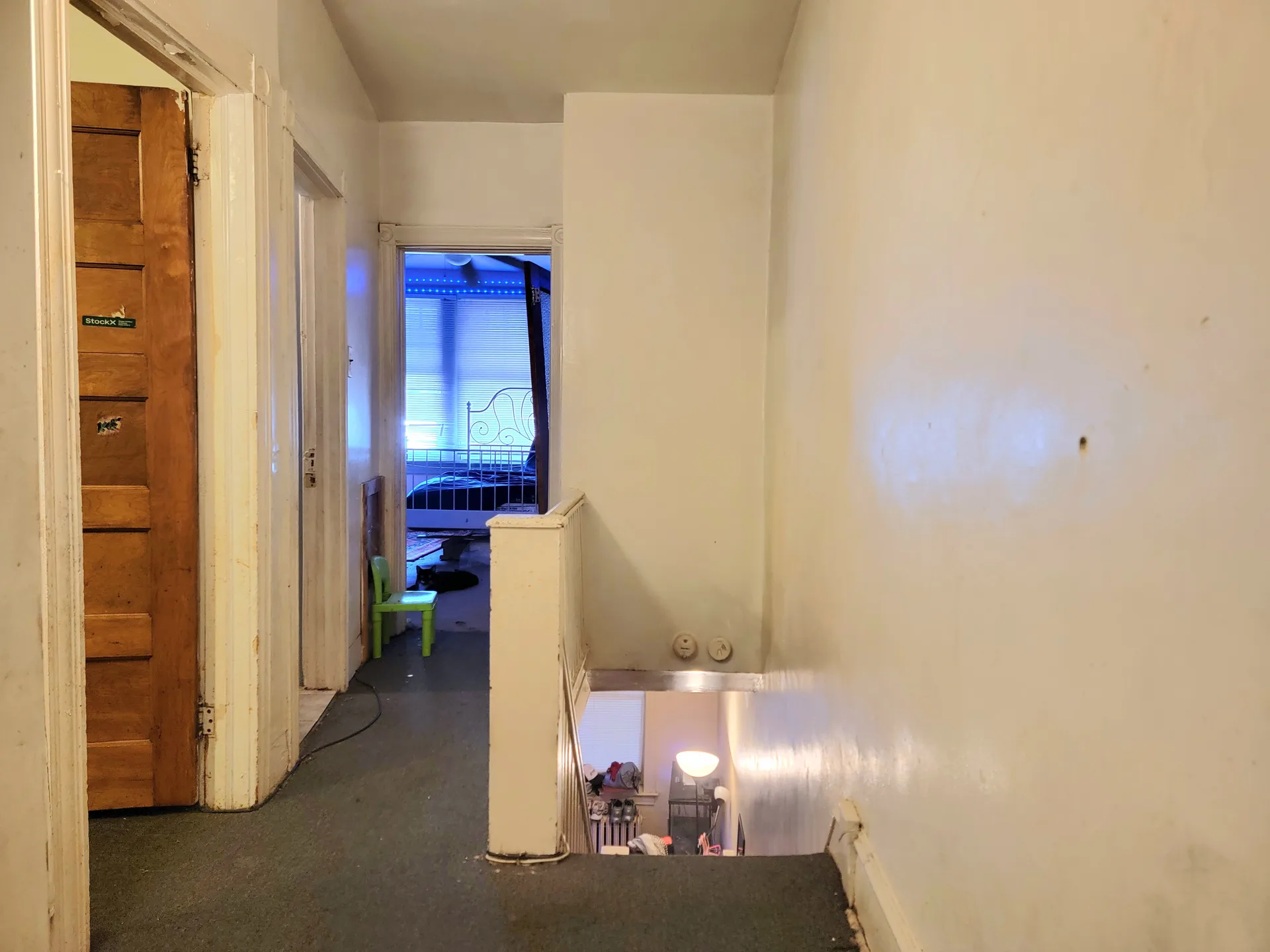
Interior hallway and stairwell with white walls and wood trim in a traditional Philadelphia home
Stop Foreclosure

What Happens to My Equity If My Chestnut Hill Home Sells at a Philadelphia Sheriff Sale?

If your Chestnut Hill home sells at a Philadelphia sheriff sale, the proceeds are paid out in order of priority: the mortgage balance, delinquent taxes, sheriff's fees, and any other liens. Only if the sale price exceeds all of those debts does the leftover, called excess proceeds or surplus, come back to you, and you can claim it at no cost through the Philadelphia Sheriff's Office's Homeowner Asset Recovery Team (HART). In practice, the foreclosing lender usually bids the full judgment amount, so most sheriff sales produce little or no surplus.

Chestnut Hill sits at the highest point in Philadelphia, a National Register historic district of stone houses, tree-lined streets, and the shops and galleries along Germantown Avenue. For homeowners here, the house is often the largest asset they own, with equity built up over decades. If you are facing foreclosure, the question of what happens to that equity if the home goes to sheriff sale is one of the most urgent you can ask. Here is the straight answer, and what it means for your timeline.

How Does a Philadelphia Sheriff Sale Divide the Money?

When a Philadelphia property sells at a sheriff sale, the proceeds are distributed according to a Schedule of Distribution that the Sheriff's Office files with the court, typically 30 days after the sale. The money goes first to the debts attached to the property in order of priority: the mortgage balance, delinquent property taxes, sheriff's fees and costs, and any other liens. Only what remains after every debt is satisfied belongs to the former owner.

Will There Be Any Surplus for Me?

A surplus exists only when a third-party bidder pays more than the total debt on the property. In most Philadelphia sheriff sales, the foreclosing lender makes a credit bid up to the full amount of the judgment and ends up as the winning bidder, taking the property back. That means most sales produce little or no surplus for the homeowner. It is the reason the equity you have built in a Chestnut Hill home is safest when it is captured through a sale before the auction, not after it.

How Do I Claim Excess Proceeds in Philadelphia?

If a surplus does exist, Pennsylvania Rule of Civil Procedure 3136 requires the sheriff to distribute the excess proceeds to the former owner. You can file a claim directly with the Philadelphia Sheriff's Office's Homeowner Asset Recovery Team (HART) at no cost. The Sheriff's Office holds the funds as trustee for three years, and money that goes unclaimed can eventually be turned over to the state as unclaimed property. Be cautious of companies that offer to locate surplus funds for a fee; the claim is free to file yourself or through an attorney you trust.

What Happens to My Equity If the Lender Wins the Bid?

If the lender's credit bid covers the judgment, the equity is absorbed by the debt and the home is gone. Pennsylvania also has no redemption period after a mortgage foreclosure sheriff sale, so there is no window to buy the home back later. And because Pennsylvania is a recourse state, the lender can pursue a deficiency judgment if the sale does not cover the full balance. Every one of those outcomes is avoidable with a sale before the sheriff sale date.

Can I Sell My Chestnut Hill Home Before the Sheriff Sale Instead?

Yes. Pennsylvania law does not prevent you from selling your home at any point during foreclosure, right up until the sheriff sale is completed and title transfers. You remain the legal owner until the auction, so you can list and close before the sale date, as long as the proceeds cover the mortgage payoff, taxes, liens, and closing costs. In Chestnut Hill, where stone homes on wooded streets hold lasting value and buyers are drawn to the historic district, a pre-foreclosure sale is often the strongest way to protect the equity you have built.

The full plan for keeping your options open is laid out on the stop foreclosure help page for Chestnut Hill. If the mortgage weighs more than the home can carry, a short sale in Chestnut Hill with the lender's approval can end the threat of foreclosure, and Andre works to try and secure a deficiency waiver so the lender does not come after you for the difference. If speaking with the lender is the best route, he guides you to coordinate with your lender. And if your home has already been through a listing that did not sell, the expired listing help in Chestnut Hill page shows how a relaunch gets it sold. The full timeline, credit impacts, and lender negotiations are covered in the foreclosure and short sale guidance for Philadelphia, and the step-by-step guide to how long you have before foreclosure in Pennsylvania maps your calendar.

If your Chestnut Hill home is in foreclosure and you want to know what the equity is worth on today's market, call Andre at 267-977-0304 or book a free consult, and get a straight answer about your options before the sheriff sale date. You can also reach Andre through the contact page. Every conversation is confidential, and there is no judgment, only solutions.

Your Chestnut Hill home
is worth protecting.

Let's talk about your options, on your timeline.

Want to know what your home is worth? Get a real valuation of your home's value.

Licensed. Local. Legit.

Pennsylvania License RS349905 · New Jersey License 1969348
HomeSmart Realty Advisors

Experience. Strategy. Results.

267-977-0304

Need more room to move? Read the full foreclosure and short sale guidance for Philadelphia, see expired listing help in Chestnut Hill if your home has already been through a listing that didn't sell, or contact Andre directly.