

Short sale help in Manayunk, Philadelphia with Andre Richardson, Realtor — the go-to agent for short sale guidance in Manayunk
Short Sale Guidance

Short Sale Guidance
in Manayunk

You have more options than you think.

Manayunk is Philadelphia's historic mill town on the Schuylkill, its hillside rowhomes stacked along steep streets that have watched the neighborhood reinvent itself, from textile mills to today's young families and first-time buyers. When the mortgage has grown heavier than the home can carry, a short sale can be the clearest way forward, and it works best when you act now. I'm Andre Richardson, and for 26 years I've been involved with Philadelphia real estate. There is no judgment here, only solutions, and the sooner we talk, the more options you have.

26 Years
Real Estate Experience
5.0
Rating from 27 Reviews
AI
Powered Marketing
PA & NJ
Licensed
01

What exactly is a short sale?

In plain terms, a short sale is when your lender agrees to accept less than the full amount you owe on the mortgage, usually because the home is worth less than the loan balance or because you genuinely cannot keep up with the payments. With the bank's approval, you sell the home to a real buyer at the market price and move on without a foreclosure on your record. It is a decision you make on purpose, with your lender on board, rather than something that simply happens to you.

Why It Matters

Why Acting Now Matters
in Manayunk

A short sale is not a failure and it is not an ending the process decides for you. It is a decision you make on purpose, with your lender's approval, at a moment when you still control how the story goes. In Manayunk, where hillside rowhomes near the river and Main Street draw a steady stream of buyers, that control is worth protecting: a market-driven sale can place a fair price on a home even when the loan it carries is worth more.

Not with confusion. Not with shame. But with a plan.

  • A short sale is borrower-initiated: you choose it and you drive it, rather than waiting for the process to decide for you
  • The price is set by the market and approved by your lender, and the home is handled through a real buyer, not a sheriff's auction
  • Because it is a sale and not a foreclosure, your credit takes a smaller hit and you can qualify for a new mortgage sooner
  • Your lender has a reason to say yes: a negotiated sale costs them less than completing a foreclosure, so acting now works in your favor

Compared with doing nothing, a short sale keeps the outcome in your hands. You choose the buyer, you see the price before it is final, and you move forward with a foreclosure kept off your record. The homeowners who reach out early hold the most control over how their Manayunk story ends.


02
How It Works

How a Short Sale
Actually Works

A short sale is a sale first and foremost. Your Manayunk home goes on the market, a real buyer makes a genuine offer, and your lender reviews and approves that price before the sale can close. Because it moves through the normal buying and selling process, it looks very different from a foreclosure auction, and far more of the outcome stays in your hands.

Start with your lender

If speaking with the lender is the best route, he guides you to coordinate with your lender.

Your lender approves the price

Once an offer comes in, your lender decides whether to accept less than the amount you owe. That approval is the heart of a short sale: the bank agrees to the shortfall because a negotiated sale costs them less than completing a foreclosure. Andre manages the conversation with the loss mitigation department and the paperwork so the offer has the best chance of being approved.

A real sale to a real buyer

Unlike a sheriff's auction, where the outcome is decided for you, a short sale is a normal market sale. The home is marketed to buyers, an offer is negotiated, and you see the price before it is final. In Manayunk, where the river, Main Street, and the neighborhood's energy keep a committed pool of buyers, that market-driven approach can work in your favor.

Selling with aggressive marketing

A short sale still has to sell, and a strong offer is what gives your lender a reason to say yes. Your Manayunk home gets the same treatment as any of Andre's listings, with Andre's aggressive AI-infused marketing working towards getting your home sold, so the right buyers see it and the offer comes in strong.

If you want to understand what happens during the foreclosure process if nothing is done, including the court timeline, the sheriff sale, and the credit consequences, the stop foreclosure help in Manayunk page covers all of it in detail. The foreclosure and short sale guidance for Philadelphia ties the timelines and lender negotiations together step by step. You do not have to choose a path alone.


03
The Agent

Why Sellers Trust Andre

By the time Manayunk homeowners considering a short sale find me, many have been carrying the weight of the situation alone for months. I bring 26 years of Philadelphia and South Jersey experience, active PA and New Jersey licenses, and a targeted marketing plan that gets homes sold. Every conversation is confidential, and there is no judgment, only solutions.

“Andre was very professional and knowledgeable, a definite credit to the profession. I would not hesitate to refer him to any of my friends or family for his real estate services. Andre did not hesitate to go above and beyond to make things happen. Job well done for me thank you Andre!”

— Stella Thompson, 5-star review

See how the sell my house process works or read the client reviews from sellers who started right where you are.


04
Answers

Questions Manayunk Homeowners
Considering a Short Sale Ask

What is a short sale?

A short sale is when the lender agrees to accept less than what is owed on the mortgage, typically because the home is now worth less than the loan balance or the seller genuinely cannot keep up with the payments. The bank approves the sale, the home is sold to a real buyer at the market price, and the homeowner gets to move on without a foreclosure on their record. It lets you close the chapter on your own terms.

What happens if I do nothing?

Choosing to do nothing leaves the decision entirely to the process. Without a sale, the situation can move toward foreclosure, where the home is sold at auction and you lose control of both the price and the timing. A short sale keeps that control in your hands: you choose when to sell, you see the offer, and your lender approves the price before it is final. Acting now is what keeps your options open.

Will a short sale protect me from the lender coming after the difference?

Pennsylvania is a recourse state, so a deficiency judgment is possible after a short sale or a foreclosure unless it is waived. That is why a good short sale agreement includes a deficiency waiver, a written promise that the lender will not pursue you for the remaining balance. Andre works to secure that protection in the short sales he manages, and because a short sale is a negotiated settlement rather than a completed foreclosure, it also leaves a lighter mark on your credit.

My Manayunk home is worth less than I owe. Can I still sell it?

Yes, and that is exactly the situation a short sale is built for. Manayunk's hillside rowhomes sit minutes from Main Street and the river, a setting that draws young families and first-time buyers season after season, but if the mortgage balance sits above what the market will pay today, a short sale lets you sell with the lender's approval and close this chapter with your head held high. The lender agrees because a negotiated sale costs them less than a completed foreclosure. The sooner we start, the more room we have to get it done.

How does a short sale in Manayunk actually work?

A short sale happens when a homeowner sells for less than the outstanding mortgage balance with the lender's approval. If speaking with the lender is the best route, he guides you to coordinate with your lender. Every conversation is confidential, with no judgment and only solutions. A professionally guided short sale can help you avoid foreclosure and minimize the credit damage. In Manayunk, where the market moves with the rhythm of Main Street, strong marketing can generate buyer traffic quickly and keep the process on track.

Will a short sale hurt my credit less than a foreclosure?

Yes. A short sale typically reduces your credit score far less than a completed foreclosure, and you can often qualify for a new mortgage years sooner after a short sale. It is not a step anyone plans to take, but when the mortgage is heavier than the home can carry, a short sale is a far gentler landing than letting foreclosure run its course. It lets you move forward on your own terms.

I bought my Manayunk rowhome recently and already owe more than it's worth. Is a short sale an option?

Yes, and you are not alone in that situation. Buyers who purchased near the top of the market can find themselves underwater before they have built any equity. A short sale lets you sell with the lender's approval and move on, instead of watching the situation grow heavier. The conversation starts with a confidential look at your numbers, no judgment attached.

Do Manayunk's hillside rowhomes sell as short sales?

Yes. Manayunk rowhomes are some of the most visible, in-demand homes in the city, with buyers drawn by Main Street and the river. When a lender sees a market-driven price on a home with real buyer demand, they have every reason to approve the sale. The earlier you start, the more buyer traffic your home gets.

What is the professionally guided short sale with Andre?

A professionally guided short sale means you are not navigating the process alone. Andre works to secure a deficiency waiver so the lender does not come after you for the difference, and he uses aggressive, AI-infused marketing to get your home sold. He listens to your situation with care and builds a plan around your lender and your timeline. No confusion. No judgment. Just results.

05
From the Blog

Manayunk Short
Sale Advice

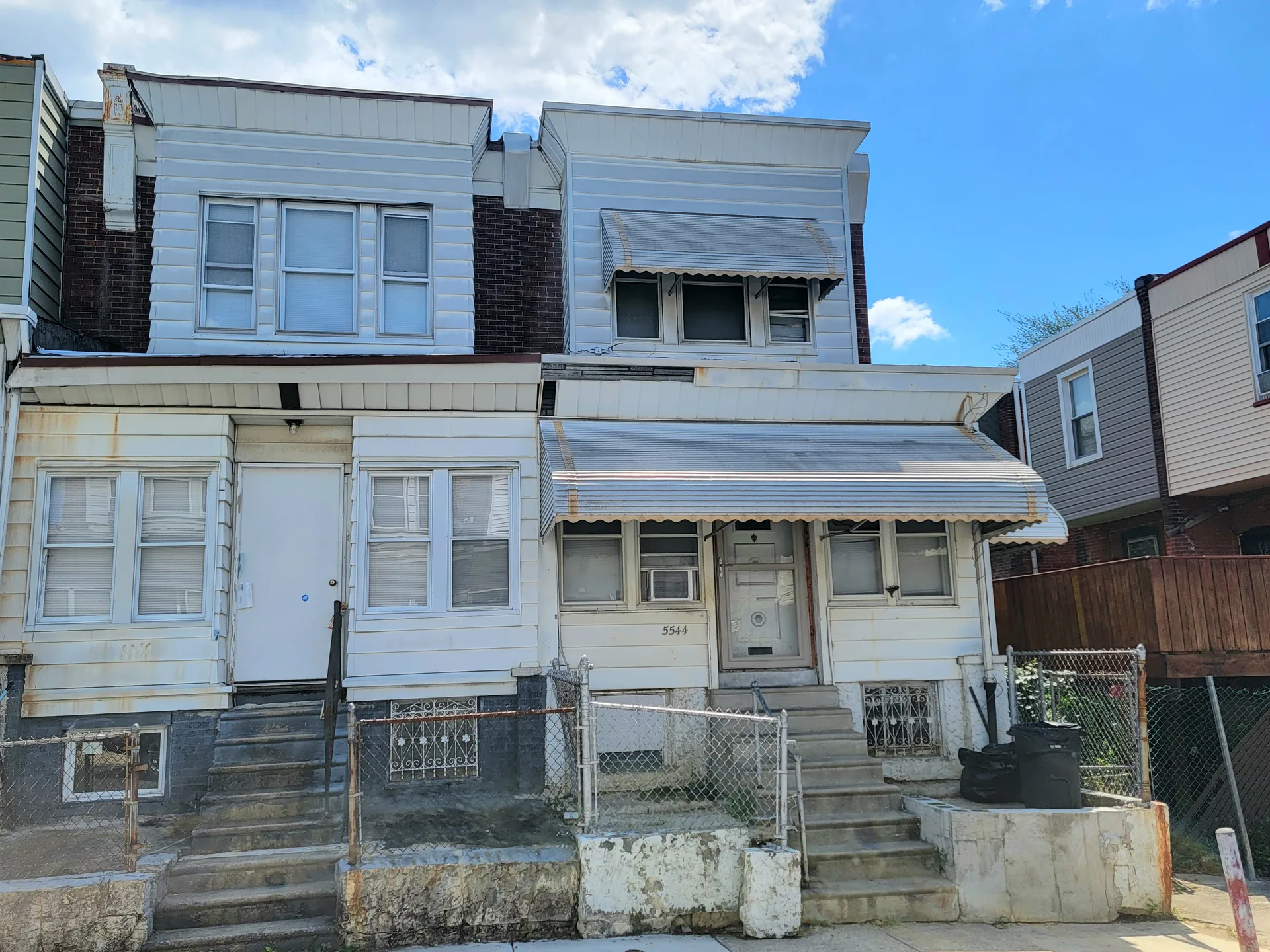
The facade of two attached brick and siding row homes in a Philadelphia neighborhood, the classic first-time buyer home in Manayunk where a short sale still has to clear a recorded down payment assistance lien before closing
Short Sales

What Happens to Down Payment Assistance If I Short Sale My Manayunk Home in Philadelphia?

Your down payment assistance does not go away on its own, but it rarely blocks a short sale either. If you bought your Manayunk home with a program like Philly First Home or a PHFA down payment loan, that assistance is usually recorded as a second lien or a forgivable grant, and the title cannot transfer to the buyer until the program agrees to release it. In a short sale, that release is negotiated as part of the lender's short-payoff approval, and the program typically accepts less than the full balance so the sale can close.

Manayunk draws more than its share of first-time buyers. The hillside rowhomes and condos above Main Street and the Canal offer the walkable, train-friendly address buyers want, and down payment assistance is how many of them got in. If you are now weighing a short sale because the mortgage has grown heavier than the home can carry, that assistance is still sitting in the background, and it has to be handled before the deed can move.

The neighborhood sits on the east bank of the Schuylkill River in the 19127 ZIP code of Northwest Philadelphia, and its mix of rowhomes and condos near Main Street makes it one of the most common entry points in the city for first-time buyers. For homeowners in that position, the down payment help that got the door open years ago can feel like a second mortgage now, because in many ways it is.

How is down payment assistance recorded on my Manayunk home?

Most programs record their help as a second lien at settlement, which means the assistance is a recorded claim against the property, not just a gift. Philadelphia's Philly First Home grant, for example, runs on a 15-year forgivable timeline, and PHFA's down payment loans are recorded second liens that require repayment when the home is sold or transferred. Either way, the program's claim is on record, and a short sale does not erase a recorded lien the way some homeowners assume.

Why does the lender approving the short sale care about the assistance lien?

The lender deciding whether to accept less than you owe is looking at the payoff, and the buyer's title has to be clean before closing. A recorded down payment assistance lien stands between the buyer and that clean title, so the lender needs the program to release it, usually for a partial payment out of the approved proceeds. That release is part of the short-payoff approval, and it is negotiated alongside everything else.

Could I be asked to repay the assistance after a short sale?

Forgivable grants forgive in stages over time, and if you sell before the full forgiveness period, the un-forgiven portion is technically due. In a short sale there are rarely proceeds left to repay it, so what actually happens comes down to the release the program agrees to. You want that release in writing, and you want to read your original program terms, so there are no surprises after closing.

What should I do first?

Dig out the paperwork from your purchase: the grant agreement or second mortgage note, and the recorded lien index for your property. That tells you the exact terms, the forgiveness timeline, and who holds the lien. Share it with the team early, before the short payoff is written, so the release can be negotiated into the approval instead of discovered at the title search.

This is where a guided process makes the difference. Andre reviews your situation and guides you through the short sale, while his team's short-sale specialists handle the lender negotiations and the short-payoff approval, including the release of a down payment assistance lien, and Andre works to try and secure a deficiency waiver so the unpaid balance is less likely to follow you after closing. If speaking with the lender is the best route, he guides you to coordinate with your lender.

The step-by-step for selling your Manayunk home for less than you owe with the lender's approval is on the short sale help page for Manayunk. If a foreclosure timeline is already moving, the stop foreclosure help in Manayunk shows how the court process and the sheriff sale fit around a short sale, and the foreclosure and short sale guidance for Philadelphia ties the timelines and lender negotiations together. For a plain-terms read on how the process starts, the short sale explainer for Philadelphia homeowners covers the basics, and if your Manayunk home was already listed and did not sell, the expired listing help in Manayunk shows how a relaunch gets it sold.

If you bought your Manayunk home with down payment assistance and you are weighing a short sale, you do not have to sort out the lien release side of it alone. Tell Andre your situation and he will give you a straight answer on your options, including how the assistance gets handled at closing, with no judgment and full confidentiality. Call 267-977-0304 or book a free consult.
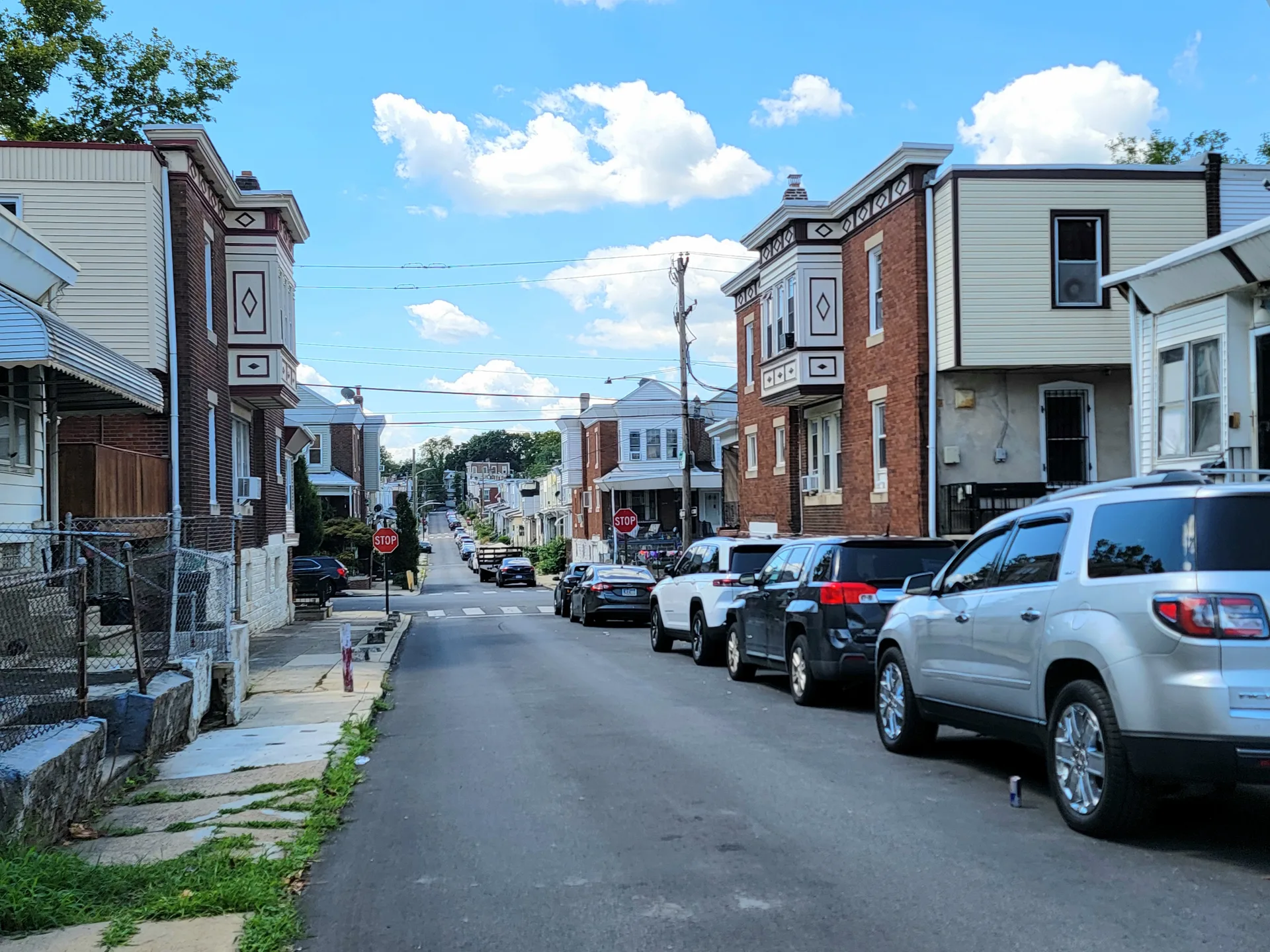
A residential Manayunk street of brick row houses, the kind of home on the lower blocks near the Schuylkill where a lender-approved short sale still has to account for flood risk
Short Sales

Can I Do a Short Sale on a Manayunk Home in a Flood Zone in Philadelphia?

Yes, a flood zone does not stop you from doing a short sale on your Manayunk home. Manayunk sits on the east bank of the Schuylkill River in the 19127 ZIP code of Northwest Philadelphia, and some of the lower blocks near the river and the Manayunk Canal fall inside FEMA-designated flood zones, where flood insurance is required on a federally backed mortgage. What the flood zone changes is not whether you can sell short, but how the lender reviews the price, how buyers get financed, and how the closing is structured.

If you own one of the older rowhomes or twins that climb the Manayunk hillside or line the lower ground near the water, a flood zone on your address may have been in the background for years, quietly showing up at every settlement. Now that you are weighing a short sale, it can feel like one more obstacle. The honest answer is that it is one more consideration, not a wall. A short sale still moves through the same lender-approved sale, and a flood zone is handled the same way it is in any other Philadelphia home sale.

Manayunk's identity is tied to the Schuylkill, and buyers who come for Main Street and the canal know the neighborhood sits beside the river. That setting is part of its appeal, and it is also why some lower blocks carry flood-zone designation. The lender who holds your mortgage is deciding whether to accept less than you owe, and its review of your property is the same property the buyer is about to finance. Flood risk is part of that math on both sides.

Why does flood insurance matter to the lender's approval?

When a home sits in a FEMA-designated flood zone, lenders that originate federally backed mortgages require flood insurance as a condition of the loan. In a short sale, the buyer's financing has to be able to close, and the lender who owns your existing mortgage is reviewing the net proceeds of the sale against the short payoff. Flood insurance appears in that settlement the same way property taxes and the transfer tax do, as a cost that has to be accounted for. It does not shape whether the bank approves the short sale; it shapes what the closing includes.

Do flood zones make a Manayunk short sale hard to sell?

No. A short sale still has to sell to a real buyer at a market-driven price, and buyers and appraisers factor flood risk into what they will pay, just as they do anywhere else in Philadelphia. In Manayunk, the older rowhomes and twins that line the hillside and the lower river blocks are priced against comparable homes that carry the same consideration. A home that needs flood insurance is not unsellable. It is simply presented honestly so the buyers who can close are the ones who come through the door.

What should I do first if my Manayunk home is in a flood zone?

Start with the facts about your exact parcel. Look up whether your address sits in a FEMA-designated flood zone, note whether you already carry flood insurance, and gather your mortgage statement and any past appraisal. That tells the team whether flood coverage is already in place, whether it has to be transferred to the buyer, and how the lender will generally approach your numbers.

This is where a guided process makes the difference. Andre reviews your situation and guides you through the short sale, while his team's short-sale specialists handle the lender negotiations and the short-payoff approval, and Andre works to try and secure a deficiency waiver so the forgiven balance is less likely to follow you after closing. If speaking with the lender is the best route, he guides you to coordinate with your lender.

The step-by-step for selling a Manayunk home for less than you owe with the lender's approval is on the short sale help page for Manayunk. If a foreclosure timeline is already moving, the stop foreclosure help in Manayunk shows how the court process and the sheriff sale fit around a short sale, and the foreclosure and short sale guidance for Philadelphia ties the timelines and lender requirements together. For a plain-terms read on how the process starts, the short sale explainer for Philadelphia homeowners covers the basics, and if your Manayunk home was already listed and did not sell, the expired listing help in Manayunk shows how a relaunch gets it sold.

If your home sits near the river and you are weighing a short sale, you do not have to sort out the flood insurance and lender side of it alone. Tell Andre your situation and he will give you a straight answer on your options, with no judgment and full confidentiality. Call 267-977-0304 or book a free consult.

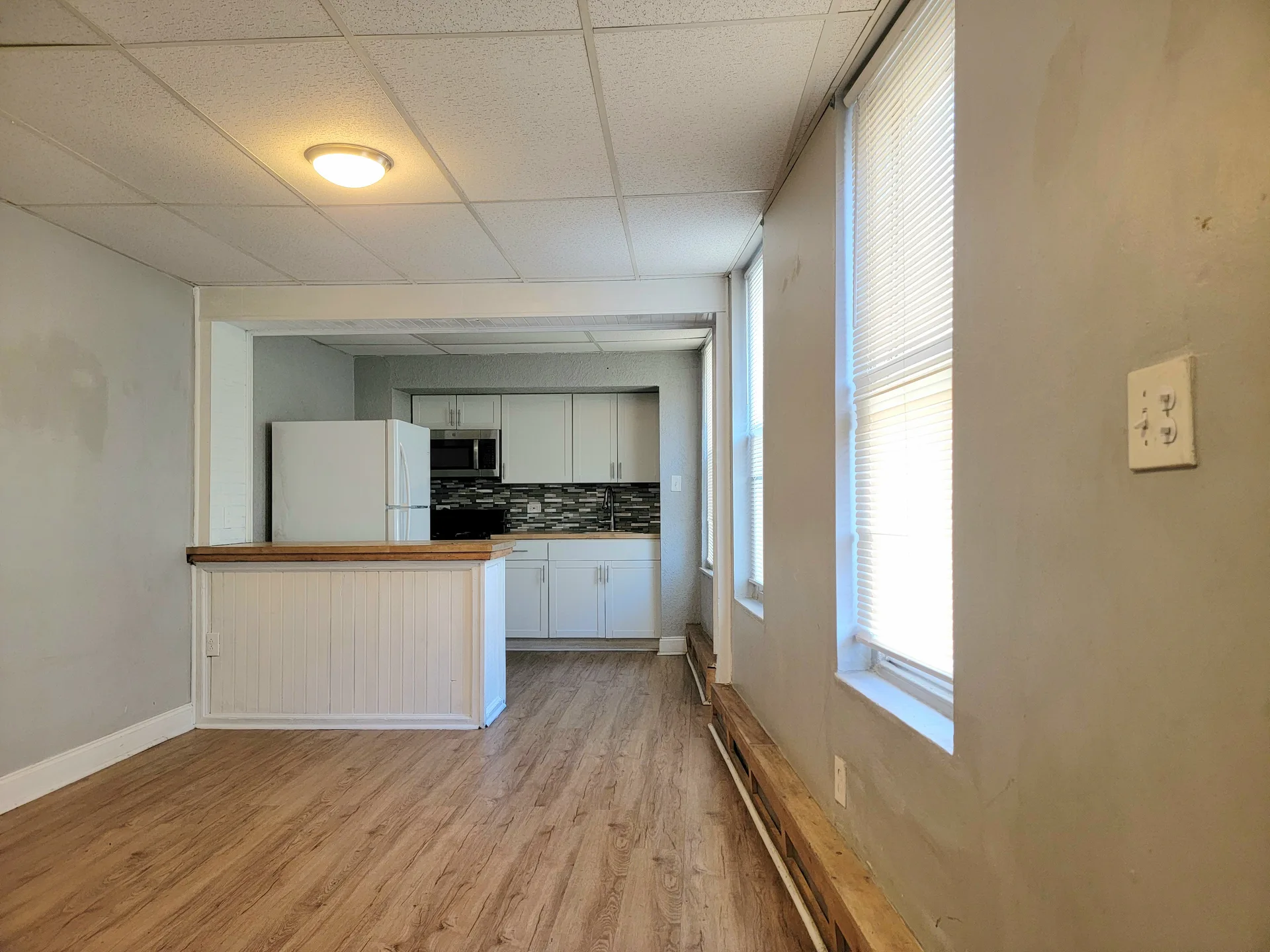
The open-concept kitchen and living area of a Philadelphia condo with natural light from side windows, the look of an association-managed unit where a Manayunk short sale keeps carrying HOA dues until closing
Short Sales

Do I Still Have to Pay Condo or HOA Fees During a Short Sale in Manayunk, Philadelphia?

Yes. You stay the legal owner of your Manayunk home until the deed transfers at closing, so condominium association and HOA fees that come due remain your responsibility during a short sale. The unpaid balance does not vanish when the sale closes; it becomes part of the closing math that has to be settled before title can move to the buyer.

If you own a condo or a home managed by a homeowners association in Manayunk, the monthly fee is easy to set aside when money is tight. Yet the honest answer is that the fee stays yours while you are still on the deed, and whatever is owed still has to be accounted for before a buyer can take clean title.

Manayunk sits on the east bank of the Schuylkill River in the 19127 ZIP code of Northwest Philadelphia, a hillside neighborhood of rowhomes and condos that climb from Main Street and the Manayunk Canal. Some homes here are governed by a condominium association or a homeowners association that collects monthly dues for shared maintenance and common areas. Those dues do not pause just because you are selling short.

Who owns the home while a short sale is pending?

Until closing, you are still the recorded owner, and assessments that come due are billed to you. A short sale does not transfer ownership until settlement, so the association has every right to expect current dues to be paid while the process runs. It does not cancel the obligations that come with still owning the property.

What happens to unpaid association fees when a short sale closes?

Pennsylvania's condominium and planned community laws let an association record a lien against a unit for unpaid assessments, and that lien has to be cleared before the deed can transfer. The association issues a statement showing exactly what is owed, and the title company uses that figure to work the balance into the closing, usually out of the proceeds the lender approves. That is why the exact amount owed needs to be in the file early, before the short-payoff approval is written.

Can an unpaid association balance delay the closing?

Yes, if it is not accounted for. The short sale approval is written around a specific closing date and payoff. If an unpaid association balance surfaces at the last minute, the title company cannot order the clean deed the buyer and lender require, and the closing can slip or stop. The fix is simple: put the true number in front of the team early.

What should I do first with my association?

Ask your condo association or HOA manager for the current payoff statement as soon as you decide to pursue a short sale. That document shows what is owed to date, and it is what lets the title company and the lender build the balance into the closing.

This is where a guided process makes the difference. Andre reviews your situation and guides you through the short sale, while his team's short-sale specialists handle the lender negotiations and the short-payoff approval, and Andre works to try and secure a deficiency waiver so the unpaid balance on the mortgage is less likely to follow you after closing. If speaking with the lender is the best route, he guides you to coordinate with your lender.

The step-by-step for selling your Manayunk home for less than you owe with the lender's approval is on the short sale help page for Manayunk. If a foreclosure timeline is already moving, the stop foreclosure help in Manayunk shows how the court process and the sheriff sale fit around a short sale, and the foreclosure and short sale guidance for Philadelphia ties the timelines and lender negotiations together. For a plain-terms read on how the process starts, the short sale explainer for Philadelphia homeowners covers the basics, and if your Manayunk home was already listed and did not sell, the expired listing help in Manayunk shows how a relaunch gets it sold.

If you own a condo or an HOA-managed home in Manayunk and you are weighing a short sale, you do not have to sort out the association side of it alone. Tell Andre your situation and he will give you a straight answer on your options, including what you still owe during the process and how the association balance gets handled at closing, with no judgment and full confidentiality. Call 267-977-0304 or book a free consult.
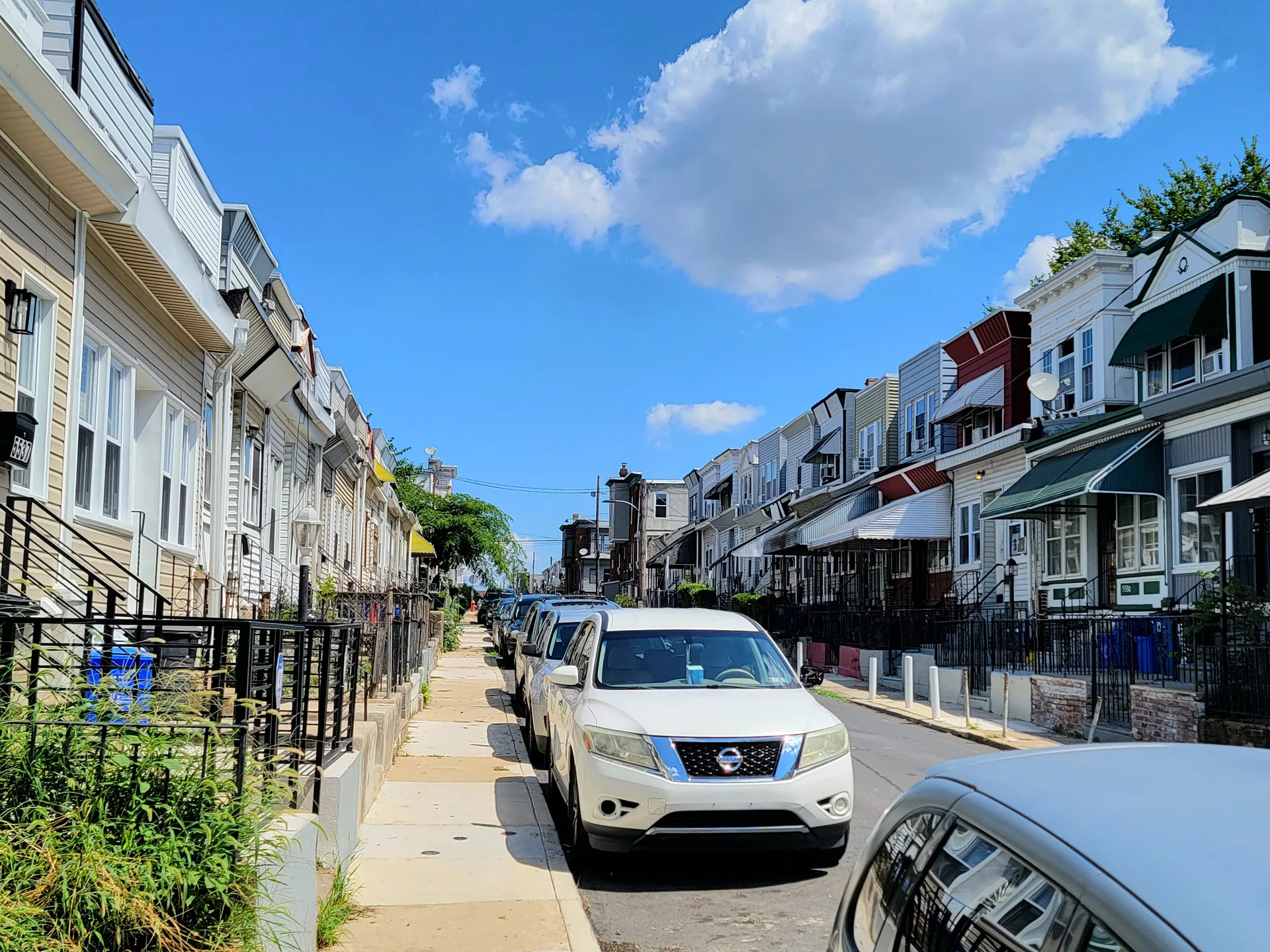
A sunny Philadelphia residential street lined with traditional row houses with porches and window awnings, the look of a Manayunk block where a short sale can close with the transfer tax handled
Short Sales

Do I Still Have to Pay the Philadelphia Realty Transfer Tax on a Short Sale in Manayunk?

Yes. The Philadelphia Realty Transfer Tax is still due on a short sale, and it is calculated on the actual sale price, not on the mortgage balance you owe. The total rate is 4.578% (3.578% city share plus 1% state share), paid when the deed is recorded at closing. A short sale does not cancel the tax; what changes is who pays it, because the seller typically walks away with no proceeds.

If you own a home in Manayunk and you are working toward a short sale, the transfer tax can feel like a surprise at the very end of the road. You are selling for less than you owe, so it is natural to wonder whether the tax simply goes away. It does not. A short sale is still a sale, and the City of Philadelphia still collects its Realty Transfer Tax when the deed changes hands. The real question is how that tax gets paid out of a closing where there are barely any seller proceeds.

Manayunk sits on the banks of the Schuylkill River in the 19127 ZIP code of northwest Philadelphia, a hillside neighborhood of steep blocks, small brick row homes and twins, and the shops and restaurants that line Main Street and the Manayunk Canal. The first-time buyers who keep the neighborhood's market moving are part of why a short sale here can still find a buyer. The closing itself works the same way it does anywhere in the city, and the transfer tax is part of that math.

What is the Philadelphia Realty Transfer Tax?

The Realty Transfer Tax is a tax on the price paid when real estate changes hands in Philadelphia. It totals 4.578% of the sale price: a 3.578% city portion plus a 1% state portion. It is paid at closing, and the deed is not recorded until the tax has been settled through the title company's settlement statement.

Is a short sale exempt from the transfer tax?

No. The tax is calculated on the actual consideration, the price the buyer pays for the Manayunk home, not on the mortgage balance you owe. The portion of the debt the lender forgives is the lender's claim, not part of the sale price. The seller's lack of proceeds does not erase the tax; the short sale simply means the money has to come from somewhere else inside the transaction.

Who pays the transfer tax in a Manayunk short sale?

There is no law that fixes who pays. Philadelphia custom is a 50/50 split between buyer and seller, but the city can collect 100% of the tax from either party when the deed is recorded. In a short sale the seller usually nets no proceeds, so the buyer and seller commonly negotiate who covers the tax, or it is budgeted as a closing cost inside the lender's approved short sale settlement. Whatever the arrangement, the lender has to approve it as part of the short payoff, which is why the tax appears in the approval letter along with the sale price and the closing deadline.

When do I find out how the transfer tax will be handled?

At the closing table, through the title company's settlement statement, the same place every other cost of the sale shows up. The approval letter states how the proceeds are applied, and the tax is paid out of the transaction in the order the settlement requires. If the tax or any related cost is going to be a problem, the time to surface it is early, before the approval is written, so the numbers can be worked in.

This is where having a guided process matters. Andre reviews your situation and guides you through the short sale, while his team's short-sale specialists handle the lender negotiations and the short-payoff approval, and Andre works to try and secure a deficiency waiver so the unpaid balance is less likely to follow you after closing. If speaking with the lender is the best route, he guides you to coordinate with your lender.

The step-by-step for selling your Manayunk home for less than you owe with the lender's approval is on the short sale help page for Manayunk. If a foreclosure timeline is already moving, the stop foreclosure help in Manayunk shows how the court process and the sheriff sale fit around a short sale, and the foreclosure and short sale guidance for Philadelphia ties the timelines and lender negotiations together. For a plain-terms read on how the process starts, the short sale explainer for Philadelphia homeowners covers the basics, and if your Manayunk home was already listed and did not sell, the expired listing help in Manayunk shows how a relaunch gets it sold.

If you own a home in Manayunk and you want to know exactly what the closing will cost before you agree to anything, you do not have to sort it out alone. Tell Andre your situation and he will give you a straight answer on your options, including how the transfer tax and the other closing costs fit into a short sale, with no judgment and full confidentiality. Call 267-977-0304 or book a free consult.
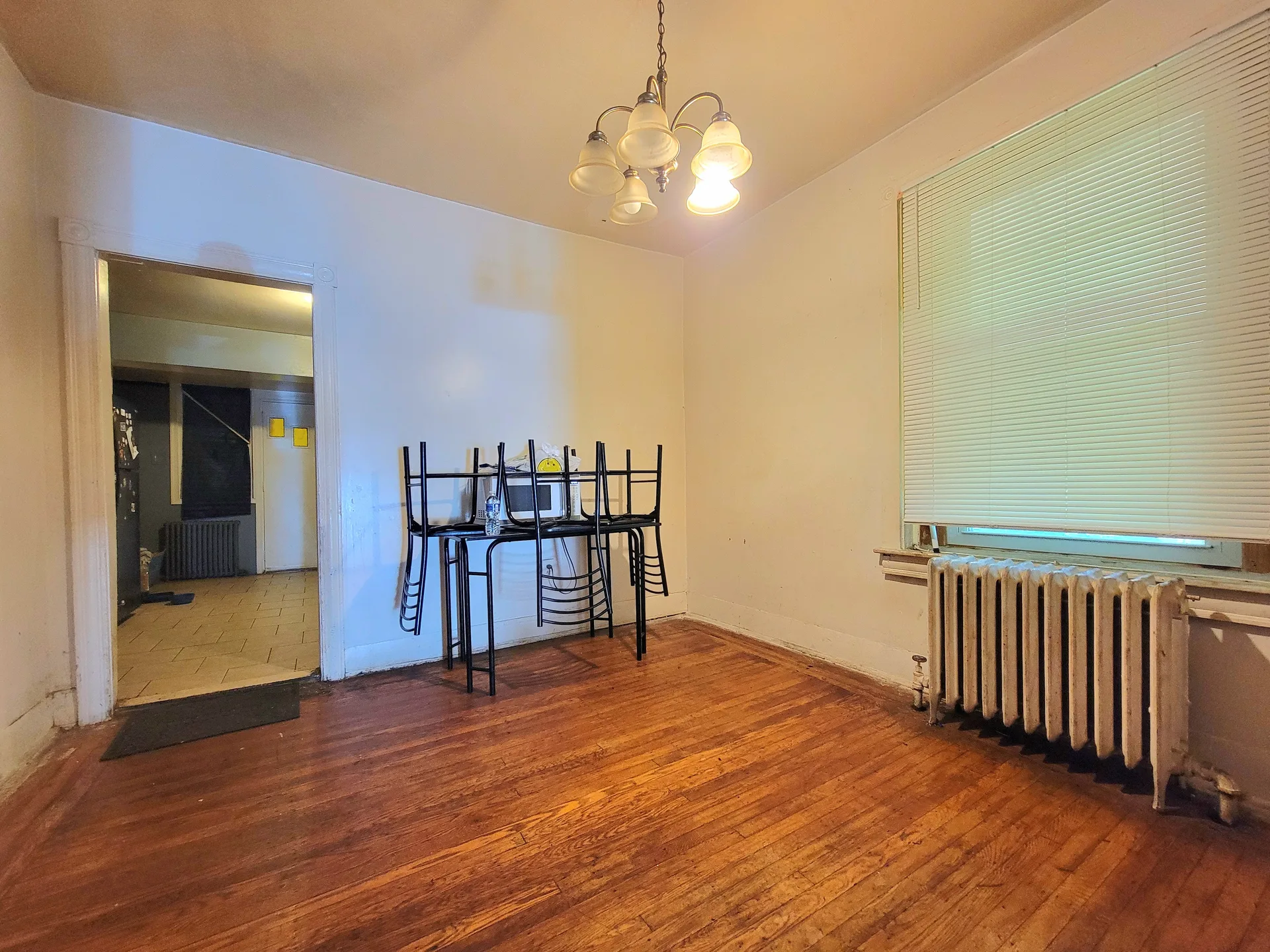
A dining room in a Philadelphia rowhome with hardwood floors and white blinds in natural daylight, the kind of Manayunk interior that stays heated and powered through a short sale
Short Sales

Do I Have to Keep My Utilities On During a Short Sale in Manayunk, Philadelphia?

Keep your utilities on during a short sale in Manayunk. The lender's approval depends on an appraisal or a broker price opinion, and no one can value a home with the power off, the heat off, and the water shut down. The standard Pennsylvania sales contract also requires the seller to keep heating and utilities on through settlement, so shutting them off stalls the process and can leave unpaid bills that have to be resolved before title can transfer.

If you own a hillside rowhome in Manayunk and you are working toward a short sale, keeping the power and heat on can feel like one more expense at a moment when every dollar counts. It is an understandable instinct to cut the bills you control. Here is the honest answer on why the utilities stay on and what happens when they do not.

Manayunk sits on the east bank of the Schuylkill River in the 19127 ZIP code of Northwest Philadelphia, a neighborhood of steep blocks and narrow brick rowhomes that climb from Main Street and the Manayunk Canal up the hillside. Much of the housing stock here is older, and Philadelphia winters are hard on old houses. In a short sale, that makes the utility question more than a formality: the home has to be inspected, appraised, shown, and kept in one piece until the closing, and none of that happens in a cold, dark house.

Why does the lender need the utilities on?

When the lender reviews a short sale, it orders a valuation of the home, usually an appraisal or a broker price opinion. That valuation is done in person, with the lights on, the heat running, and the water working, so the appraiser can see the condition of the property and its systems. Buyer inspections and showings need the same conditions. Lenders commonly require active utilities exactly so that valuation work can happen, and when the appraiser cannot properly inspect the home, the file stalls.

What does the Pennsylvania contract require?

The standard Pennsylvania agreement for the sale of real estate requires the seller to keep heating and all utilities on through the closing so that inspections, the appraiser, and the final walkthrough can take place. That obligation does not change in a short sale. The sale is still an ordinary contract; what changes is how the lender's payoff is handled at settlement. Shutting off gas, power, or water can put you in breach of the agreement and create a problem the deal did not need.

What happens if the bills are already behind?

If the utility bills have fallen behind, that is not a reason to shut anything off. Unpaid utility balances can attach to the property as a lien that has to be cleared before title can transfer, and in a short sale the proceeds are already spoken for by the lender's short payoff. Tell your agent exactly what is unpaid so the amounts can be worked into the short sale approval instead of surfacing at the closing table. The sooner the number appears in the file, the more ways there are to handle it.

What about a Manayunk winter?

Manayunk hillside homes often lean on older heating systems, and a house that sits cold through a Philadelphia winter can end up with frozen pipes and water damage, damage the seller owns until title transfers. Keeping the heat at a safe level protects the home, keeps the appraisal moving, and costs far less than a burst pipe at the end of winter.

What should I do first?

Start by giving your agent the true picture: which bills you are carrying, what is paid, and what is behind. The short sale process works when the team has the full numbers in front of them. Andre reviews your situation and guides you through the process, and his team's short-sale specialists handle the lender negotiations and the short-payoff approval, while Andre works to try and secure a deficiency waiver so the shortfall is less likely to follow you after closing. If speaking with the lender is the best route, he guides you to coordinate with your lender.

The step-by-step for selling your Manayunk home for less than you owe with the lender's approval is on the short sale help page for Manayunk. If a foreclosure timeline is already moving, the stop foreclosure help in Manayunk shows how the court process and the sheriff sale fit around a short sale, and the foreclosure and short sale guidance for Philadelphia ties the timelines and lender negotiations together. For a plain-terms read on how the process starts, the short sale explainer for Philadelphia homeowners covers the basics, and if your Manayunk home was already listed and did not sell, the expired listing help in Manayunk shows how a relaunch gets it sold.

If you own a home in Manayunk and you are weighing a short sale, you do not have to carry the decisions alone. Tell Andre your situation and he will give you a straight answer on your options, including what you need to keep paying while the process runs, with no judgment and full confidentiality. Call 267-977-0304 or book a free consult.
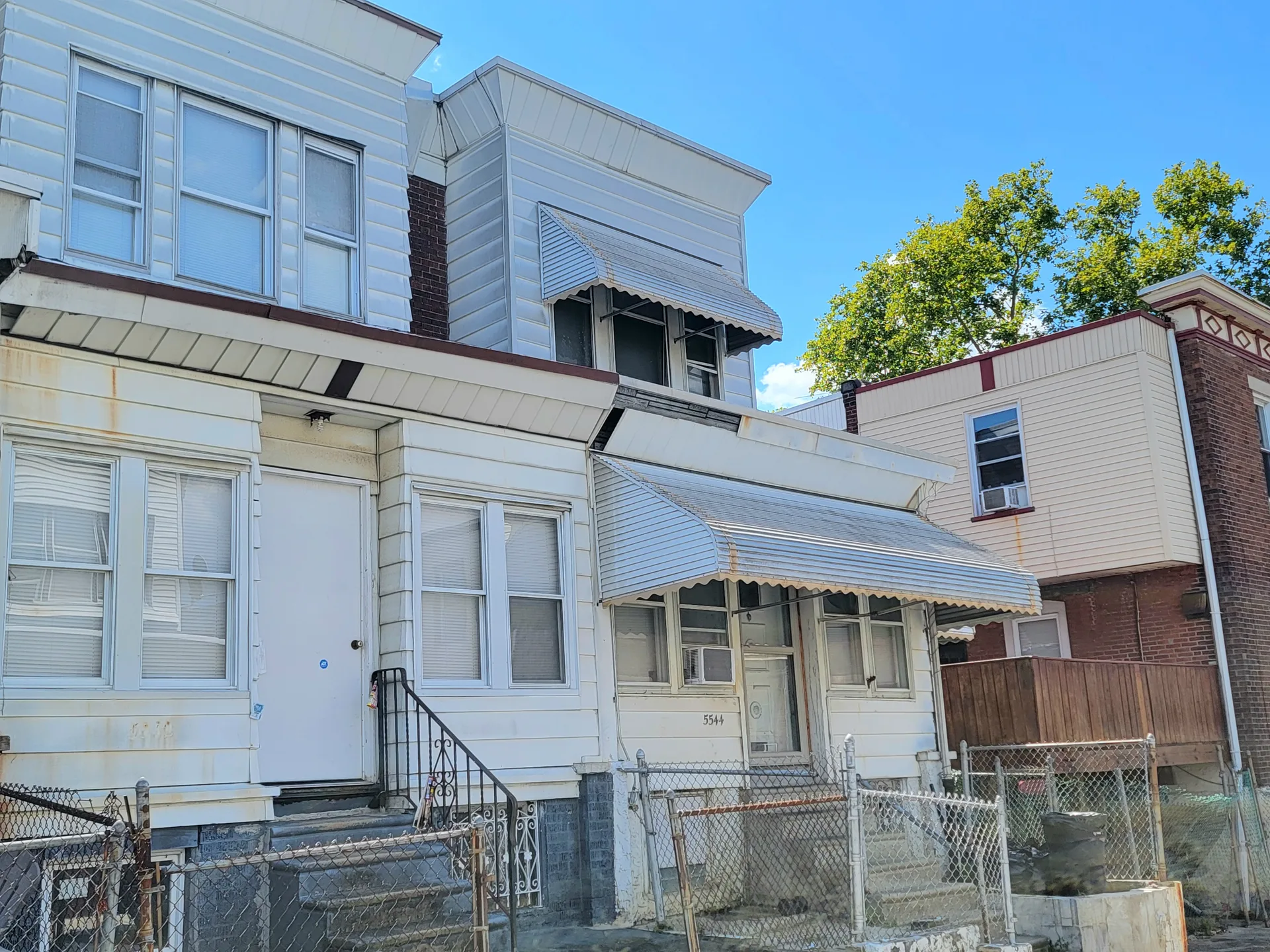
A Philadelphia rowhouse with a traditional facade in bright daylight, the single-family home style common on Manayunk's hillside blocks where a lender-approved short sale can close
Short Sales

Why Would a Lender Agree to a Short Sale in Manayunk, Philadelphia?

A lender agrees to a short sale in Manayunk because a negotiated sale typically costs the bank less and recovers more than a completed foreclosure. When you sell your home for less than you owe with the lender's written approval, the bank avoids the legal fees, property upkeep, and auction losses of foreclosing on a house it does not want to own.

If you own a hillside rowhome in Manayunk and the mortgage has grown heavier than the home can carry, you may wonder whether the lender will ever agree to let you sell for less than the balance. It is one of the first questions homeowners ask when they consider a short sale, and the answer lives in the lender's own math: a short sale is a negotiated loss, while a foreclosure is an expensive process. Manayunk sits on the east bank of the Schuylkill River in the 19127 ZIP code of Northwest Philadelphia, a hillside neighborhood of steep blocks, narrow brick rowhomes, and the Main Street shops and restaurants that line the Manayunk Canal. Knowing why a bank says yes helps you approach the process with confidence instead of dread.

What does the lender lose by foreclosing instead?

Foreclosure is not free for the bank. The lender pays attorney fees and court costs to move the case through Pennsylvania's judicial foreclosure process, then carries a vacant house it has to insure, secure, and maintain while the property sits on its books. On a Manayunk hillside, steep stairs, older systems, and hard winters keep a vacant home costly to protect. Each month the house sits empty, the lender carries taxes, insurance, and the risk of damage or vandalism, and the eventual sheriff's sale can bring far less than a marketed sale on the open market. A short sale gives the bank a closing date instead of an open-ended holding period, which is exactly why lenders regularly accept less than the balance to get one.

The lender's motivation is straightforward: it compares what a short sale recovers against what a foreclosure nets, and it chooses the better number. In most cases, the negotiated sale wins.

What does a lender need to see before approving a short sale?

Lenders approve short sales on three things: a documented hardship, a home worth less than the loan balance, and a reasonable offer at market value. The hardship can be a job loss, a medical situation, a divorce, a death in the family, or any change that makes the payments genuinely unaffordable. The valuation comes next: when a broker price opinion or an appraisal shows the Manayunk home's value below the amount owed, the shortfall is real and there is something for the bank to negotiate. Finally, the offer has to match what buyers in Manayunk are actually paying, and the hillside rowhomes near Main Street and the river draw steady buyer interest, so a market-priced offer carries weight.

Does the lender set the price, or does the market?

The lender does not invent a number. The approved price is set by the buyer's offer and tested against the valuation, then written into the approval letter. That letter states the price the lender accepts, the deadline to close, and how the proceeds get applied to pay off liens in order. The buyer's financing and the title work have to line up inside that window, which is why marketing the home to qualified buyers matters as much in a short sale as it does in a traditional one.

What is a deficiency waiver, and do I need one?

Pennsylvania is a recourse state, so the lender can pursue the unpaid difference after a short sale unless that right is released in writing. That written release is the deficiency waiver, and it has to sit inside the approval letter before you sign anything. Andre's short-sale specialists handle the lender negotiations and the short-payoff approval, and Andre works to try and secure a deficiency waiver so the bank releases you from the shortfall. If speaking with the lender is the best route, he guides you to coordinate with your lender.

The step-by-step for selling your Manayunk home for less than you owe with the lender's approval is on the short sale help page for Manayunk. If a foreclosure timeline is already moving, the stop foreclosure help in Manayunk shows how the court process and the sheriff sale fit around a short sale, and the foreclosure and short sale guidance for Philadelphia ties the timelines and lender negotiations together. For a plain-terms read on how the process starts, the short sale explainer for Philadelphia homeowners covers the basics, and if your Manayunk home was already listed and did not sell, the expired listing help in Manayunk shows how a relaunch gets it sold.

If you own a home in Manayunk and you want an honest read on what your lender is likely to approve, you do not have to figure it out alone. Tell Andre your situation and he will give you a straight answer on your options, with no judgment and full confidentiality. Call 267-977-0304 or book a free consult.
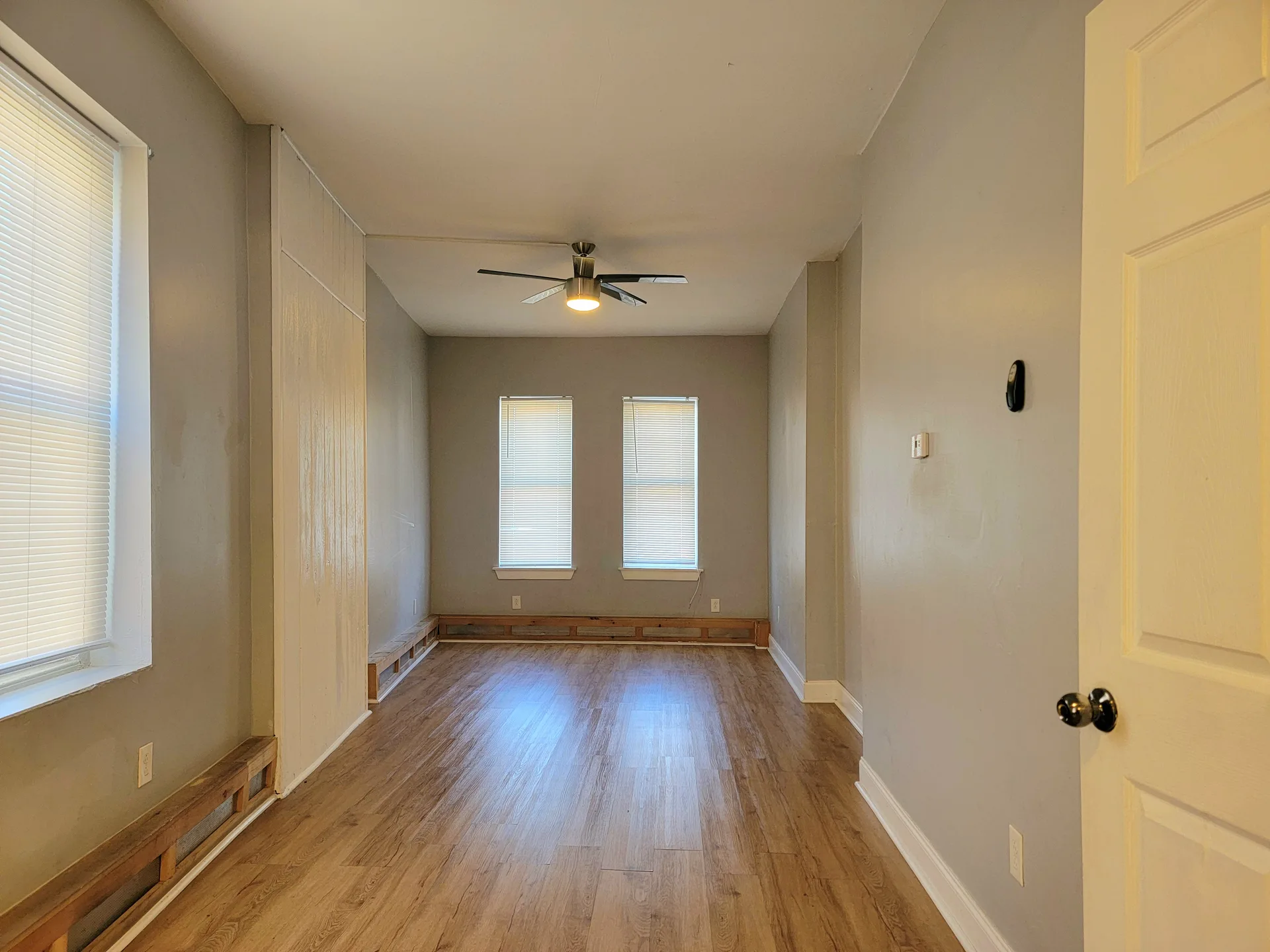
A calm, empty bedroom in a Philadelphia rowhome with natural daylight through three windows, the kind of Manayunk interior a homeowner passes through on the way to a short sale closing
Short Sales

What Happens at a Short Sale Closing in Manayunk, Philadelphia?

A short sale closing in Manayunk is a Pennsylvania settlement: you meet at a title company's office, sign the deed and the closing papers, and the buyer's funds go to your lender, not to you. The closing runs entirely on your lender's written short sale approval, and that approval letter is where the deficiency waiver, the written protection against the lender pursuing the remaining balance, is confirmed before you sign.

If you own a home in Manayunk and you are working toward a short sale, the closing may be the least familiar part of the road. It does not have to be. The settlement table is where the sale becomes final, and knowing who will be there, what you will sign, and where the money goes takes most of the worry out of the day.

Manayunk sits on the east bank of the Schuylkill River in the 19127 ZIP code of Northwest Philadelphia, a hillside neighborhood of steep blocks, narrow brick rowhomes, and the Main Street shops and restaurants that line the Manayunk Canal. A short sale here closes the same way any Philadelphia settlement does. The neighborhood's hillside character does not change the paperwork.

How is a short sale closing handled in Pennsylvania?

In Pennsylvania, closings are called settlements and take place at a title company's office, not a courthouse. The title company is the neutral settlement agent: it prepares the settlement statement, collects the buyer's funds, pays off the liens in the order the approval letter requires, and records the deed. A short sale has enough moving parts that homeowners, and sometimes buyers, commonly bring a real estate attorney, though Pennsylvania does not require one.

Who has to be at the closing?

The people at the table are the seller, the buyer, both agents, and the title company's settlement agent, plus any attorneys either side brings. The lender is usually not in the room; the bank authorizes the closing through its written approval letter. If there is a second mortgage, a judgment lien, or, in a Manayunk condo, an HOA lien, that lienholder also has to agree to the terms before the sale can close.

What does the lender's approval letter control?

The short sale approval letter is the backbone of the closing. It states the approved sale price, which must match the contract, the amount the lender accepts as full settlement, whether the lender is releasing you from the unpaid balance, and the closing deadline, commonly about 30 to 45 days. The buyer's financing and the title work have to line up inside that window.

When is the deficiency waiver handled?

A deficiency waiver has to be secured before the closing, not at it. Pennsylvania does not automatically cancel the unpaid balance after a short sale, so the approval letter must say, in writing, that the lender accepts the sale proceeds as full payment and will not pursue a deficiency judgment. Andre's short-sale specialists handle the lender negotiations and the short-payoff approval, and Andre works to try and secure a deficiency waiver in that approval. If the letter does not include the waiver, resolve it before you sign, not after.

Do I get any money out of a short sale closing?

No. The proceeds go to the lender, junior liens, the real estate commission, and the closing costs, in the order the approval letter sets out. The lender requires that no money go to the seller because it is already accepting less than the full balance. A lender will sometimes include a small moving or relocation allowance in the approval, but that is the lender's choice and it has to be in writing.

What do I actually sign?

You sign the deed that transfers the home, the settlement statement showing the final numbers, title affidavits, and the documents that accept the lender's short sale terms. If part of the shortfall is settled with a promissory note, that note is presented at closing and creates a payment obligation, so read it carefully. When the deficiency is fully waived, there is no note.

What if the closing slips past the lender's deadline?

The approval letter comes with a closing deadline, and the lender can extend it or let it expire. A buyer whose financing is solid, plus a title file with no surprises, keeps a Manayunk short sale on schedule.

The full step-by-step for selling a Manayunk home for less than you owe with your lender's approval is on the short sale help page for Manayunk. If a foreclosure timeline is in play, the stop foreclosure help in Manayunk page shows how the court process and the sheriff sale fit around a short sale, and the foreclosure and short sale guidance for Philadelphia ties the timelines together. The short sale explainer for Philadelphia homeowners covers the basics in plain terms, and if your Manayunk home was already listed and did not sell, the expired listing help in Manayunk page shows how a relaunch gets it sold.

If you own a home in Manayunk and want to know what the road to a short sale closing looks like, you do not have to carry the question alone. Tell Andre your situation and he will give you an honest read on your options, with no judgment and full confidentiality. If speaking with the lender is the best route, he guides you to coordinate with your lender. Call 267-977-0304 or book a free consult.
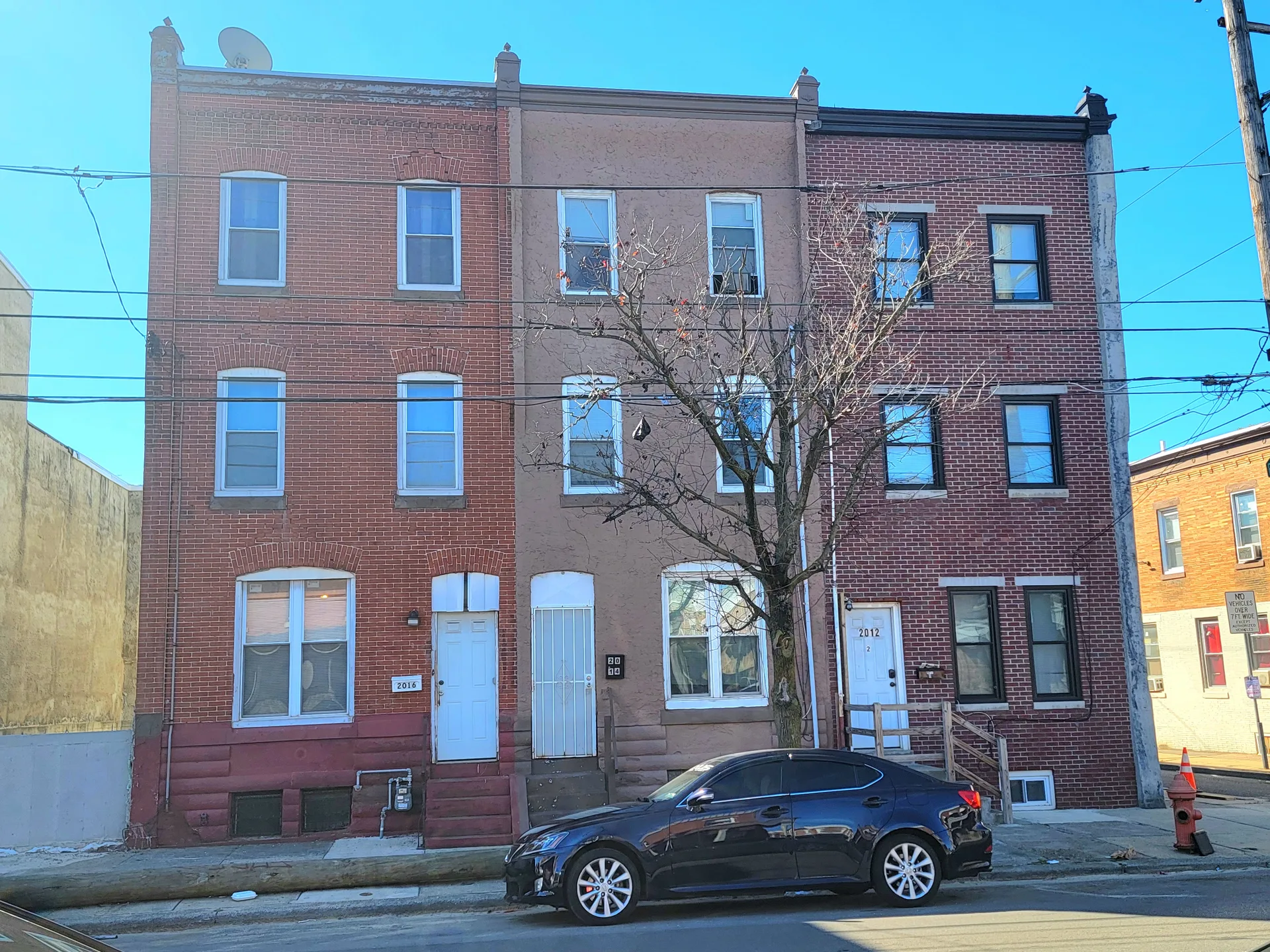
Philadelphia brick townhouses, the hillside rowhome style common in Manayunk where a seller can pursue a short sale without fixing the home up first
Short Sales

Do I Need to Make Repairs Before a Short Sale in Manayunk, Philadelphia?

No. You do not need to make repairs before a short sale in Manayunk, Philadelphia. Short sales are approved and sold as-is: the lender expects the home to sell in its current condition, at a price the market supports for that condition, and no money comes out of your pocket for fixes, improvements, or a lender fix-it list.

If you own a hillside rowhome in Manayunk and the mortgage has grown heavier than the home can carry, you may be holding off on your options because you cannot afford to fix the place up first. That worry is understandable, and I hear it all the time. Here is the straight answer: a short sale does not ask you to spend money you do not have on repairs.

Manayunk sits in Northwest Philadelphia in the 19127 ZIP code, a steep neighborhood on the east bank of the Schuylkill River that grew up around the textile mills of the 1800s. Many of the homes here are older rowhomes, narrow brick and stone houses packed tightly on streets that climb hard from the canal up the hillside, and buyers in Manayunk expect the character that comes with a neighborhood this old: tight rooms, steep steps, an original detail here and there. None of that blocks a short sale, because the sale runs on the home's current condition, not a renovated one.

Why doesn't the lender make you fix the home first?

In a short sale, the lender is already accepting less than the full loan balance, and it knows a homeowner in this position cannot fund renovations. Spending on repairs would cost the bank money it will not spend. So lenders approve short sales as-is and expect offers as-is, with no repair credits, no closing-cost credits, and no fix-it list for the seller. The home sells for what its present condition will bring, nothing more and nothing less.

What condition does the home actually need to be in?

The house still has to be valued, usually through a broker price opinion or an appraisal, and that valuation is based on the home exactly as it stands today. The sale price your lender approves has to be a reasonable match for that value. In practical terms, the condition at closing should match the condition that was valued, so the home needs to hold steady while the sale moves through: water running, heat working, doors closing, no new damage. Ongoing basic maintenance protects the approved price. Repainting and redoing kitchens are not part of it.

Do Pennsylvania seller disclosures still apply to a short sale?

Yes. A short sale is a real sale where you still hold title, so Pennsylvania's Real Estate Seller Disclosure Law applies the same way it does to any Philadelphia home sale. You still complete the Seller's Property Disclosure Statement for the buyer. Selling as-is does not mean hiding what you know: answer the disclosure honestly, and the sale moves forward without surprises down the line.

What if the buyer's loan program requires repairs?

The one place repairs can enter a short sale is on the buyer's side. FHA and VA loans enforce minimum property standards, and when those appraisals flag items like a broken window or a handrail, neither the seller nor the selling lender pays for them in a short sale. The buyer either covers the work, switches to a loan program without those requirements, or the deal can fall apart. That is one reason a realistic buyer with solid financing makes a short sale go smoothly, and why marketing the home well is part of getting the lender a clean approval.

What should you do first with your Manayunk home?

Start with an honest picture of the numbers: what your Manayunk rowhome would bring today in its current condition, against what you owe. That is where Andre comes in. He reviews your situation, gives you a straight read on whether a short sale makes sense, and maps the path forward. His short-sale specialists handle the lender negotiations and the short-payoff approval, and Andre works to try and secure a deficiency waiver so the lender does not pursue the shortfall after the sale. If speaking with the lender is the best route, he guides you to coordinate with your lender.

The step-by-step for selling a Manayunk home for less than you owe with your lender's approval is on the short sale help page for Manayunk. If a foreclosure timeline is already in play, the stop foreclosure help in Manayunk page shows how the court process and the sheriff sale fit around a short sale, and the foreclosure and short sale guidance for Philadelphia ties the timelines together. For a plain-terms read on what a short sale is before you decide, the short sale explainer for Philadelphia homeowners covers the basics, and if your Manayunk home was already listed and did not sell, the expired listing help in Manayunk page shows how a relaunch gets it sold.

If you own a home in Manayunk and you have been waiting because you cannot fix it up first, you do not have to keep waiting. A short sale sells as-is, and the sooner you start, the more options you have. Tell Andre your situation and he will give you an honest read on your options and what to expect, with no judgment and full confidentiality. Call 267-977-0304 or book a free consult.
A residential street of Philadelphia rowhouses, the neighborhood setting where a Manayunk condo owner weighs a short sale on their unit
Short Sales

Can I Do a Short Sale on My Manayunk Condo in Philadelphia?

Yes. You can do a short sale on a Manayunk condo in Philadelphia, and it works the same way it does for a house: your lender agrees to accept less than what you owe on the mortgage, and the unit sells to a real buyer with the lender's approval. The extra step with a condo is the HOA, because past-due association dues do not disappear and any HOA lien has to be resolved before the sale can close.

If you own a condo in Manayunk and the mortgage has grown heavier than the unit can carry, you can sell it as a short sale just like a hillside rowhome. Manayunk is Philadelphia's historic mill town on the Schuylkill, and many of the old mill buildings along the canal now hold condos that draw steady buyer interest. Lenders approve short sales on condos all the time. What catches owners off guard is the second bill: the HOA.

Can the lender approve a short sale on a condo?

Yes. A condo short sale follows the same path as one on a house. The lender reviews the market offer, decides whether to accept less than the full loan balance, and approves the short-payoff amount before closing. The difference is that the association also has a say: the buyer needs clear title and the condo association's consent, so the HOA payoff becomes part of the deal.

What happens to my unpaid HOA dues in a short sale?

Past-due HOA dues do not go away in a short sale. Unpaid assessments, late fees, interest, legal and collection costs, and a lien release fee all add up, and the full balance has to be accounted for before closing. Under the Pennsylvania Uniform Condominium Act, the association holds a lien on the unit for unpaid assessments and can enforce it. Because a short sale is a voluntary sale, that lien is not wiped out the way it can be at a court-run foreclosure sale, so it must be paid off or released for the sale to close.

Can the HOA block the short sale from closing?

Yes, an association can hold up a condo short sale by withholding its lien release, even after the lender has approved the deal. Title companies will not write clear title with an outstanding association lien. That is why the HOA balance and lien release are negotiated as part of a professionally guided Manayunk condo short sale, right alongside the lender's short-payoff approval, so the numbers line up before anyone heads to closing.

What if the sale leaves an HOA balance behind?

If the short sale closes with an unresolved association balance, that debt generally stays with the homeowner. The association can keep collecting, and if it recorded a lien it can enforce that lien, which is how an unpaid HOA bill can later threaten the unit. Knowing this up front matters because it shapes what you ask for during the negotiation. When the association agrees to accept a partial payoff and release its lien, that is usually the cleanest way to settle the difference and move on without a lingering bill.

What should I do first with my Manayunk condo?

Start with an honest look at the numbers: what the unit would bring in today's Manayunk market, what you owe on the mortgage, and what the association is owed. Andre reviews your situation and gives you a straight read on whether a condo short sale makes sense and what to expect from the HOA piece. His short-sale specialists handle the lender negotiations and the short-payoff approval, and Andre works to try and secure a deficiency waiver so the lender does not pursue the mortgage shortfall after the sale. If speaking with the lender is the best route, he guides you to coordinate with your lender.

The step-by-step for selling a Manayunk home for less than you owe with your lender's approval is on the short sale help page for Manayunk. If the association's lien is already moving toward foreclosure, the stop foreclosure help in Manayunk page explains how an HOA foreclosure works and how it fits around a short sale, and the foreclosure and short sale guidance for Philadelphia ties the timelines together. For a plain-terms read on what a short sale is before you decide, the short sale explainer for Philadelphia homeowners covers the basics, and if your Manayunk condo was already listed and did not sell, the expired listing help in Manayunk page shows how a relaunch gets it sold.

If you own a condo in Manayunk and the mortgage or the HOA bill has grown heavier than the unit can carry, you do not have to work through it alone. Tell Andre your situation and he will give you an honest read on your options and what to expect, with no judgment and full confidentiality. Call 267-977-0304 or book a free consult.

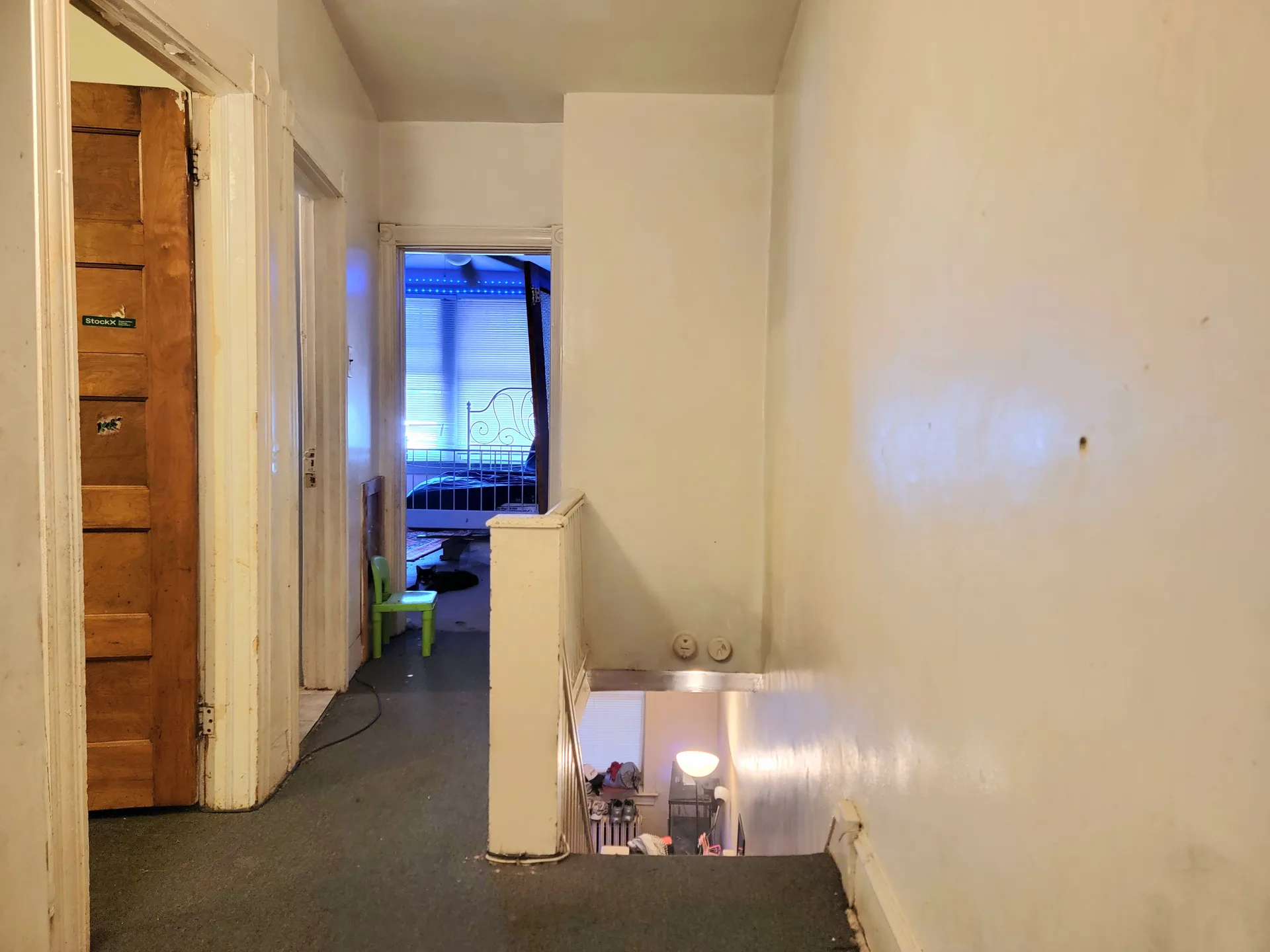
The stairwell inside a Philadelphia rowhome, the kind of hillside home a Manayunk seller weighs selling through a short sale against walking away
Short Sales

Is a Short Sale Better Than Walking Away From My Manayunk Home in Philadelphia?

Yes. For most Manayunk homeowners, a short sale is the stronger path than walking away. Walking away means the mortgage eventually moves through foreclosure and a sheriff sale, while a short sale is a real sale you start with your lender's approval, one that keeps a completed foreclosure off your record and leaves a lighter mark on your credit.

If you own a home in Manayunk and the mortgage has grown heavier than the home can carry, you may be weighing two roads: sell through a short sale, or walk away and let the process run its course. It is one of the most common questions homeowners in this situation ask, and it deserves a straight answer. Here is how the two paths really compare for a Manayunk homeowner in Philadelphia.

Manayunk sits in Northwest Philadelphia in the 19127 ZIP code, a neighborhood of historic hillside rowhomes climbing steep streets above the Schuylkill River. Main Street anchors the commercial heart below, and the old textile mills along the canal now hold shops, restaurants, and converted condos. When the mortgage on one of those rowhomes sits above what the market will pay today, the decision between a short sale and walking away becomes a very real one.

What does walking away actually mean?

Walking away from a mortgage in Pennsylvania does not make the debt disappear. The lender moves through the legal foreclosure process, and the home eventually sells at a sheriff's sale, the court-run auction where the price and the timing are set by the process rather than by you. Pennsylvania is a judicial foreclosure state, so that process plays out in court. You still carry the credit consequences of a completed foreclosure, and the lender can pursue the unpaid difference unless that right is released.

How do the credit impacts compare?

A short sale and a foreclosure both stay on your credit for up to about seven years, but they are not equal. A short sale typically costs a homeowner roughly 80 to 150 credit points, while a completed foreclosure typically costs 100 to 240 points. The gap carries forward: conventional mortgage guidelines generally expect about four years after a short sale before you can buy again, versus about seven years after a foreclosure. A short sale also reads as a settlement you negotiated, not a loss the process took from you, which many future lenders weigh differently.

What about the money you still owe?

Pennsylvania is a recourse state, so a lender can pursue the unpaid balance after a short sale or a foreclosure unless that right is waived in writing. That is why a short sale agreement should include a deficiency waiver, a written promise that the lender will not come after you for the shortfall. Andre works to try and secure a deficiency waiver as part of the approval, and his short-sale specialists handle the lender negotiations and the short-payoff approval. If speaking with the lender is the best route, he guides you to coordinate with your lender.

What about taxes on forgiven debt?

Forgiven debt can carry tax consequences. When a lender forgives part of what you owe, the canceled amount can be reported as income on a 1099-C form, and that can mean a tax bill unless an exclusion applies. Whether an exclusion helps depends on your situation, including whether the debt was on your primary residence and whether you were insolvent at the time, so it is worth confirming the specifics with a tax professional before you choose a path.

Which path keeps you in control?

A short sale is a sale you choose. You decide when the home goes on the market, a real buyer makes a genuine offer, and the lender reviews and approves the price before anything is final. Walking away hands that timeline to the foreclosure process and a sheriff's sale. In Manayunk, where the hillside rowhomes near Main Street and the river draw a steady stream of buyers, a market-driven sale can place a fair price on a home even when the loan it carries is worth more, and acting early is what keeps your options open.

The full step-by-step for selling for less than you owe with your lender's approval is on the short sale help page for Manayunk. If a foreclosure timeline is also in play, the stop foreclosure help in Manayunk page shows how the court process and the sheriff sale fit around a short sale, and the foreclosure and short sale guidance for Philadelphia ties the timelines and lender negotiations together. For a plain-terms read on what a short sale is before you decide, the short sale explainer for Philadelphia homeowners covers it. If your Manayunk home was already listed and did not sell, the expired listing help in Manayunk page shows how a relaunch gets it sold.

If you own a home in Manayunk and you are weighing a short sale against walking away, you do not have to sort through it alone. Tell Andre your situation and he will give you an honest read on your options and what to expect, with no judgment and full confidentiality. Call 267-977-0304 or book a free consult.

Your Manayunk home
is worth protecting.

Let's talk about your options, today.

Want to know what your home is worth? Get a real valuation of your home's value.

Licensed. Local. Legit.

Pennsylvania License RS349905 · New Jersey License 1969348
HomeSmart Realty Advisors

Experience. Strategy. Results.

267-977-0304

Want the full picture of what happens during a foreclosure if nothing is done, including the court timeline and the sheriff sale? The stop foreclosure help in Manayunk page walks through it step by step, while the foreclosure and short sale guidance for Philadelphia ties the timelines, credit impacts, and lender negotiations together. If your home has already been through a listing that did not sell, the expired listing help in Manayunk page shows how a relaunch gets it sold, or contact Andre directly.