Is My Somerton Home's Aluminum Wiring Why It Didn't Sell After My Listing Expired?
It can be, and it is one of the quieter causes of a stalled sale in a home from this era. Aluminum branch wiring was installed in homes built from the mid-1960s through the early 1970s, the same years much of Somerton's housing went up, and it is the connections, not the wire itself, that buyers, inspectors, and insurers worry about. The good news is the fix is documented, well understood, and far more affordable than most sellers expect.
Your Somerton listing just expired, and you have been through the price, the photos, and the marketing. Then you remembered what the buyer's inspector wrote about the wiring, or what an electrician mentioned when they were here for something else: aluminum. Somerton's 1960s brick twins, townhomes, and split-levels went up in the same years aluminum branch wiring was being installed across the country, so the question is not exotic here. Here is how to tell whether the wiring is what held your home back, and what a relist actually has to do about it.
Was aluminum wiring common in 1960s Somerton homes?
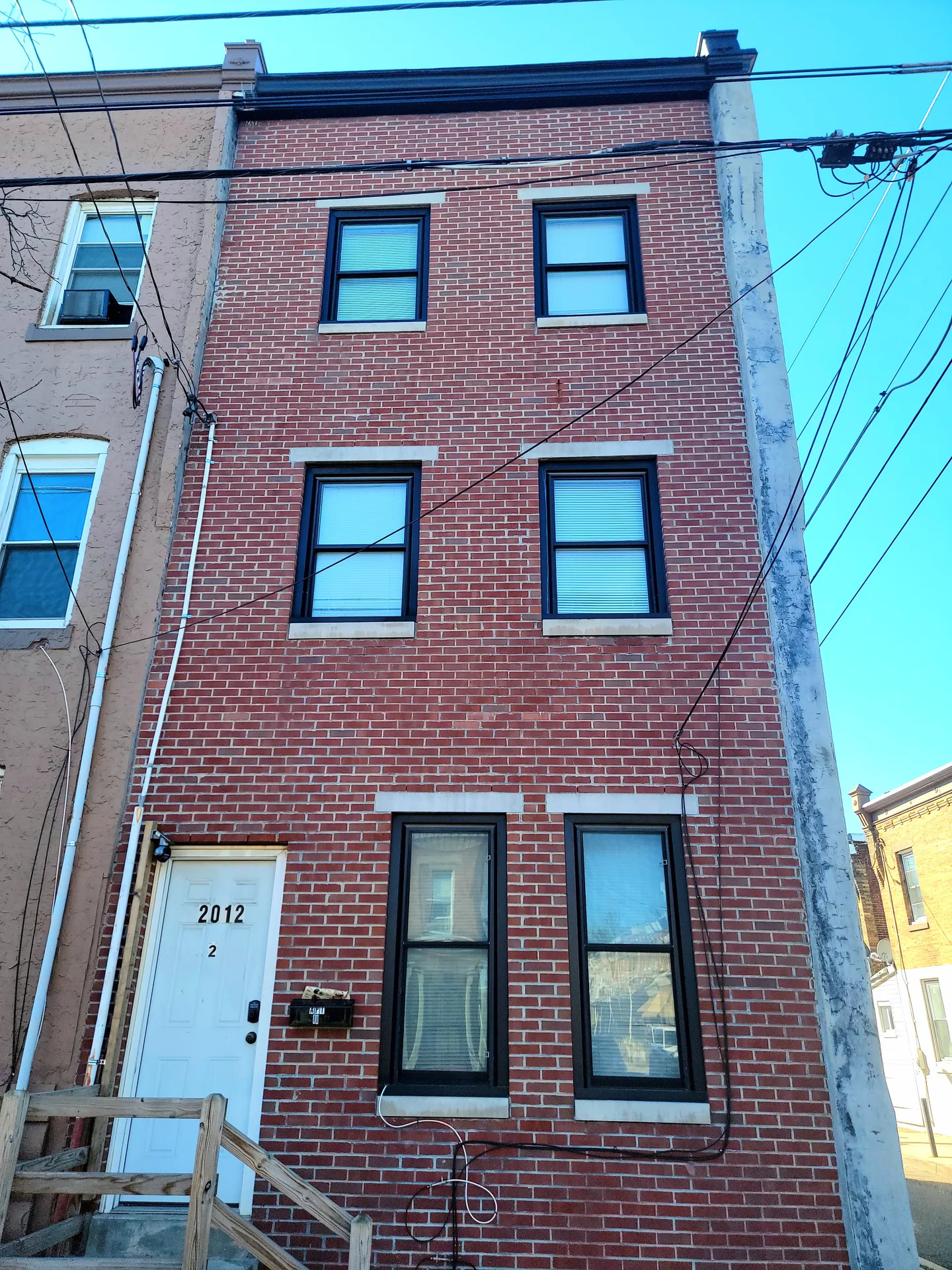
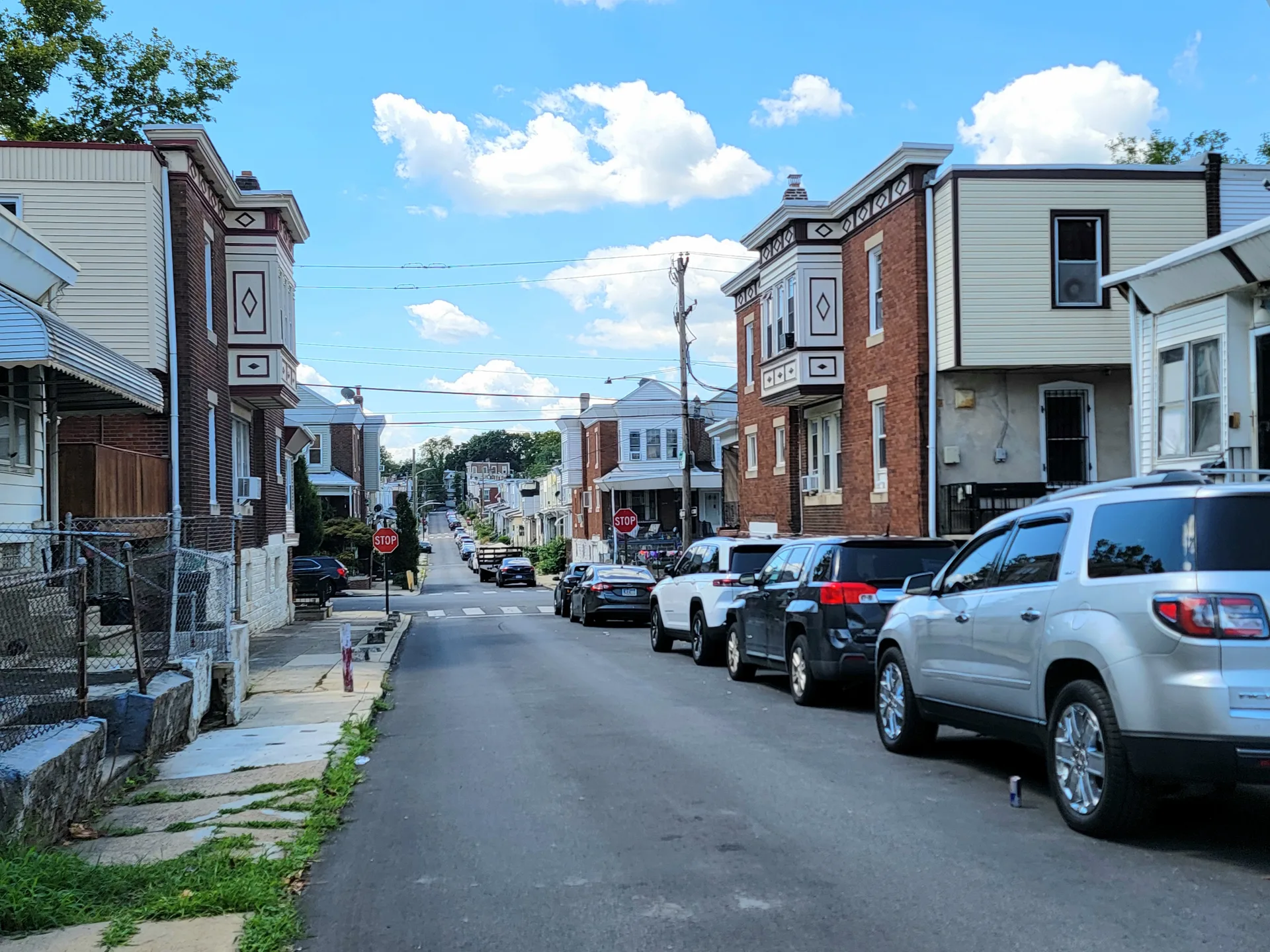
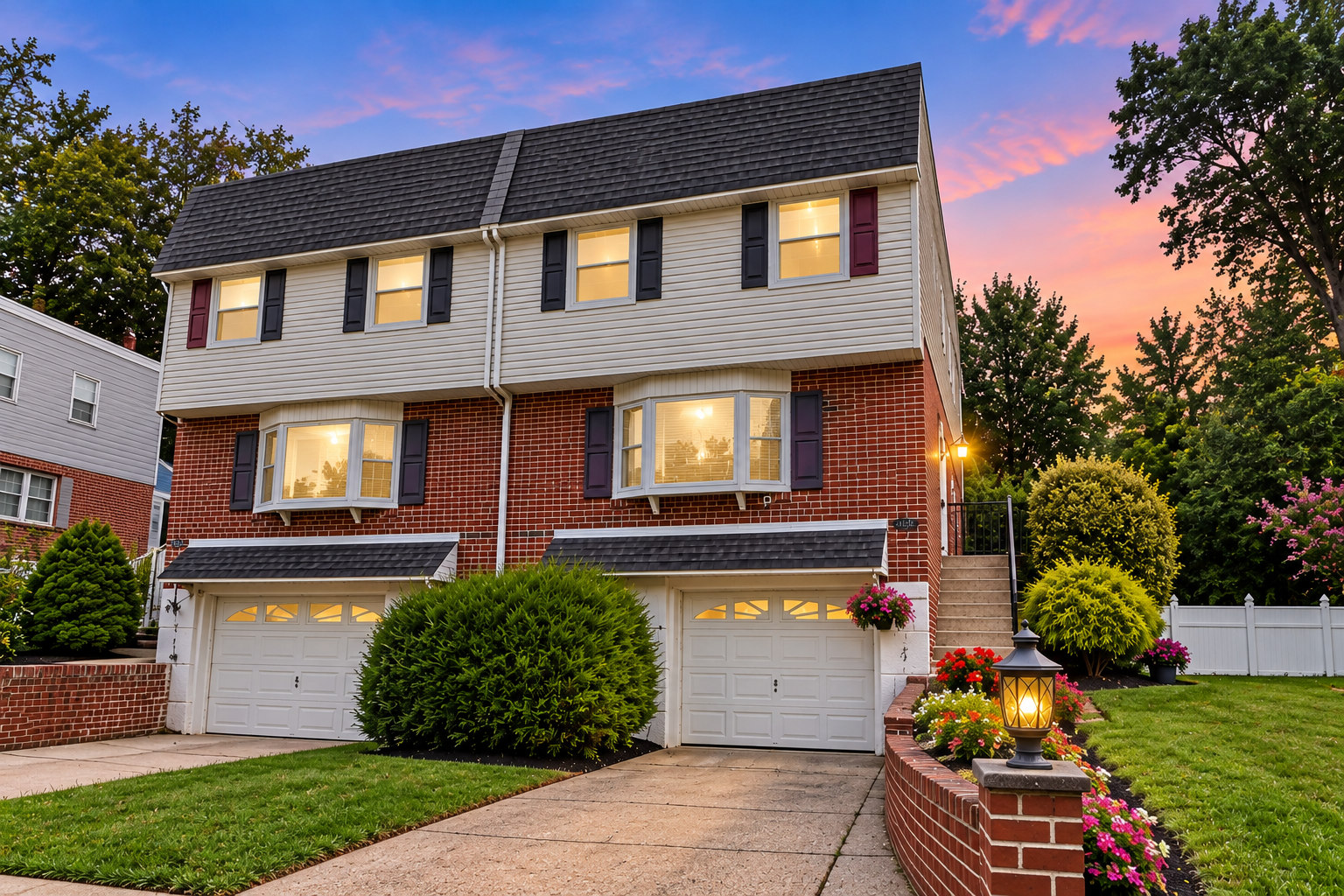
Common enough to matter. Solid aluminum branch-circuit wiring, the 15- and 20-amp circuits that feed outlets, switches, and lights, was widely installed in American homes built from roughly the mid-1960s to the early 1970s, a response to a copper shortage that drove up prices. Somerton's housing went up through that same window, including the late-1960s Georgetown twins and the planned-community streets built around then. Not every Somerton home has it, but a home built or renovated in those years plausibly does, and it is the kind of thing a buyer's inspector checks without being asked.
Why do buyers and inspectors treat aluminum wiring as a problem?
The wire itself is not the hazard; the connections are. Aluminum expands and contracts more than copper under heat cycling, so over decades the connections at outlets, switches, and splices loosen, corrode, arc, and overheat. The Consumer Product Safety Commission documented this in its own repair guidance, and a CPSC-sponsored survey found that homes built before 1972 with aluminum wiring were about 55 times more likely to have connections reach fire-hazard conditions at outlets than copper-wired homes. That statistic is why inspectors flag it, why many insurers ask about wiring on the application and decline, raise premiums, or require proof of repair, and why buyers negotiate hard over it.
Do I have to rewire the whole house before I relist?
No, and most sellers never do. The accepted permanent fixes are a full copper rewire, COPALUM crimp connections installed by specially trained electricians, or AlumiConn pigtail connectors at every aluminum termination. Cosmetic fixes, like swapping one receptacle, are not accepted remediation, and neither is a general assurance without documentation. What a buyer and an insurer actually want to see is a licensed electrician's inspection and a record of approved repairs, so the house becomes insurable and financeable again. A home with aluminum wiring sells all the time; it sells when the wiring question has an answer.
What does fixing aluminum wiring cost?
Less than most sellers fear, and the quote depends on how many connections the house has. AlumiConn pigtail connectors typically run roughly $45 to $85 per outlet or switch, and a whole-home AlumiConn job commonly lands around $2,000 to $4,000. COPALUM crimps run roughly $60 to $110 per connection, or about $3,000 to $5,000 for a house, and a combined retrofit across every termination is commonly quoted at $2,800 to $5,800. A full copper rewire is the expensive option, typically $8,000 to $30,000 depending on the size of the house. Compared with the discount a nervous buyer will demand with the wiring hanging over the negotiation, the documented fix is a small, known number.
How do I know if the wiring is why my Somerton listing expired?
Read the inspection and showing record the way you would for any hidden condition. If the inspector flagged aluminum connections, overheating at outlets, or arc-fault concerns, and buyers who walked mentioned electrical, you have your answer. Then compare with the 1960s homes on your street that sold: if they traded with documented repairs or copper wiring and yours carries an open question, the difference is right there. If the feedback never touched the wiring, it is probably not the reason, and the diagnosis goes back to price, photos, or marketing.
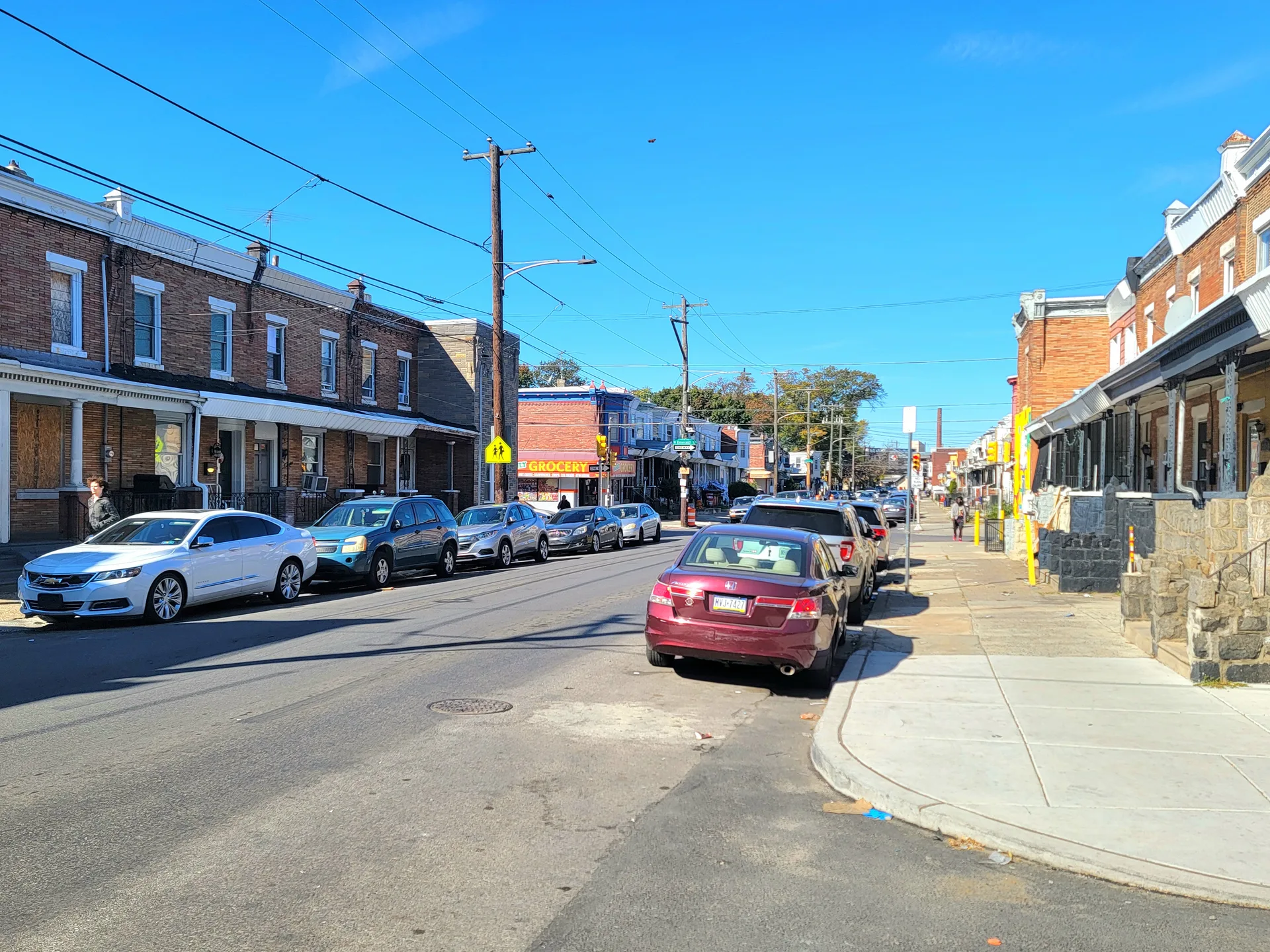
For the neighborhood context that matters on a relist, the brick stock, the garages, and the planned streets that define Somerton, the living in Somerton guide has the full picture, and the step-by-step plan for bringing an expired listing back to market is on my expired listing help page for Philadelphia sellers.
If your Somerton home just expired and you are not sure whether it was the wiring, the price, the photos, or the marketing, let's find out what it is. I'm Andre Richardson, and I have spent 26 years getting Philadelphia homes sold, including the ones other agents couldn't. Call me at 267-977-0304 or book a free consult, and I will pull your comps, read your showing data, and tell you exactly what the next listing has to fix, wiring included.