
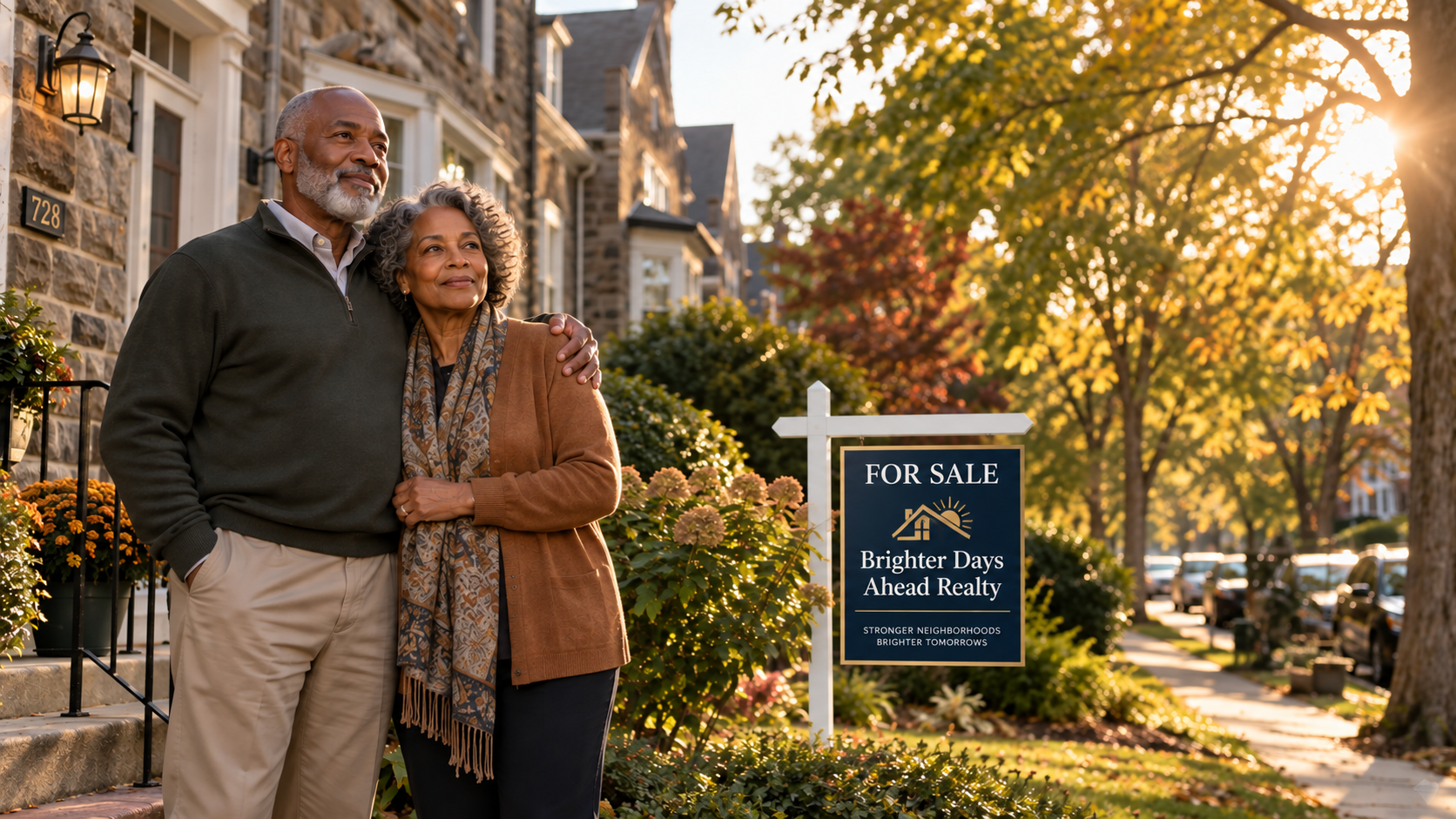
Short sale help in Parkwood, Philadelphia with Andre Richardson, Realtor — the go-to agent for short sale guidance in Parkwood
Short Sale Guidance

Short Sale Guidance
in Parkwood

You have more options than you think.

Parkwood, also known as Parkwood Manor, is a calm, residential corner of the far Northeast, where quiet brick twins and rowhomes sit close to the airport and away from the city's noise, and homeowners value the peace and the practical convenience. When the mortgage has grown heavier than the home can carry, a short sale can be the clearest way forward, and it works best when you act now. I'm Andre Richardson, and for 26 years I've been involved with Philadelphia real estate. There is no judgment here, only solutions, and the sooner we talk, the more options you have.

26 Years
Real Estate Experience
5.0
Rating from 27 Reviews
AI
Powered Marketing
PA & NJ
Licensed
01

What exactly is a short sale?

In plain terms, a short sale is when your lender agrees to accept less than the full amount you owe on the mortgage, usually because the home is worth less than the loan balance or because you genuinely cannot keep up with the payments. With the bank's approval, you sell the home to a real buyer at the market price and move on without a foreclosure on your record. It is a decision you make on purpose, with your lender on board, rather than something that simply happens to you.

Why It Matters

Why Acting Now Matters
in Parkwood

A short sale is not a failure and it is not an ending the process decides for you. It is a decision you make on purpose, with your lender's approval, at a moment when you still control how the story goes. In Parkwood, where the quiet, practical stability of Parkwood Manor keeps a steady pool of buyers, that control is worth protecting: a market-driven sale can place a fair price on a home even when the loan it carries is worth more.

Not with confusion. Not with shame. But with a plan.

  • A short sale is borrower-initiated: you choose it and you drive it, rather than waiting for the process to decide for you
  • The price is set by the market and approved by your lender, and the home is handled through a real buyer, not a sheriff's auction
  • Because it is a sale and not a foreclosure, your credit takes a smaller hit and you can qualify for a new mortgage sooner
  • Your lender has a reason to say yes: a negotiated sale costs them less than completing a foreclosure, so acting now works in your favor

Compared with doing nothing, a short sale keeps the outcome in your hands. You choose the buyer, you see the price before it is final, and you move forward with a foreclosure kept off your record. The homeowners who reach out early hold the most control over how their Parkwood story ends.


02
How It Works

How a Short Sale
Actually Works

A short sale is a sale first and foremost. Your Parkwood home goes on the market, a real buyer makes a genuine offer, and your lender reviews and approves that price before the sale can close. Because it moves through the normal buying and selling process, it looks very different from a foreclosure auction, and far more of the outcome stays in your hands.

Start with your lender

If speaking with the lender is the best route, he guides you to coordinate with your lender.

Your lender approves the price

Once an offer comes in, your lender decides whether to accept less than the amount you owe. That approval is the heart of a short sale: the bank agrees to the shortfall because a negotiated sale costs them less than completing a foreclosure. Andre manages the conversation with the loss mitigation department and the paperwork so the offer has the best chance of being approved.

A real sale to a real buyer

Unlike a sheriff's auction, where the outcome is decided for you, a short sale is a normal market sale. The home is marketed to buyers, an offer is negotiated, and you see the price before it is final. In Parkwood, where the peace and practical convenience of Parkwood Manor keep a committed pool of buyers, that market-driven approach can work in your favor.

Selling with aggressive marketing

A short sale still has to sell, and a strong offer is what gives your lender a reason to say yes. Your Parkwood home gets the same treatment as any of Andre's listings, with Andre's aggressive AI-infused marketing working towards getting your home sold, so the right buyers see it and the offer comes in strong.

If you want to understand what happens during the foreclosure process if nothing is done, including the court timeline, the sheriff sale, and the credit consequences, the stop foreclosure help in Parkwood page covers all of it in detail. The foreclosure and short sale guidance for Philadelphia ties the timelines and lender negotiations together step by step. You do not have to choose a path alone.


03
The Agent

Why Sellers Trust Andre

By the time Parkwood homeowners considering a short sale find me, many have been carrying the weight of the situation alone for months. I bring 26 years of Philadelphia and South Jersey experience, active PA and New Jersey licenses, and a targeted marketing plan that gets homes sold. Every conversation is confidential, and there is no judgment, only solutions.

“Andre was very professional and knowledgeable, a definite credit to the profession. I would not hesitate to refer him to any of my friends or family for his real estate services. Andre did not hesitate to go above and beyond to make things happen. Job well done for me thank you Andre!”

— Stella Thompson, 5-star review

See how the sell my house process works or read the client reviews from sellers who started right where you are.


04
Answers

Questions Parkwood Homeowners
Considering a Short Sale Ask

What is a short sale?

A short sale is when the lender agrees to accept less than what is owed on the mortgage, typically because the home is now worth less than the loan balance or the seller genuinely cannot keep up with the payments. The bank approves the sale, the home is sold to a real buyer at the market price, and the homeowner gets to move on without a foreclosure on their record. It lets you close the chapter on your own terms.

What happens if I do nothing?

Choosing to do nothing leaves the decision entirely to the process. Without a sale, the situation can move toward foreclosure, where the home is sold at auction and you lose control of both the price and the timing. A short sale keeps that control in your hands: you choose when to sell, you see the offer, and your lender approves the price before it is final. Acting now is what keeps your options open.

Will a short sale protect me from the lender coming after the difference?

Pennsylvania is a recourse state, so a deficiency judgment is possible after a short sale or a foreclosure unless it is waived. That is why a good short sale agreement includes a deficiency waiver, a written promise that the lender will not pursue you for the remaining balance. Andre works to secure that protection in the short sales he manages, and because a short sale is a negotiated settlement rather than a completed foreclosure, it also leaves a lighter mark on your credit.

My Parkwood home is worth less than I owe. Can I still sell it?

Yes, and that is exactly the situation a short sale is built for. Parkwood's quiet brick twins and rowhomes near the airport hold real value for buyers who want calm streets and easy access, but if the mortgage balance sits above what the market will pay today, a short sale lets you sell with the lender's approval and close this chapter with your head held high. The lender agrees because a negotiated sale costs them less than a completed foreclosure. The sooner we start, the more room we have to get it done.

How does a short sale in Parkwood actually work?

A short sale happens when a homeowner sells for less than the outstanding mortgage balance with the lender's approval. If speaking with the lender is the best route, he guides you to coordinate with your lender. Every conversation is confidential, with no judgment and only solutions. A professionally guided short sale can help you avoid foreclosure and minimize the credit damage. In Parkwood, a neighborhood still known to many by its original name, Parkwood Manor, a well-run short sale respects the stable, residential character you chose when you moved here.

Will a short sale hurt my credit less than a foreclosure?

Yes. A short sale typically reduces your credit score far less than a completed foreclosure, and you can often qualify for a new mortgage years sooner after a short sale. It is not a step anyone plans to take, but when the mortgage is heavier than the home can carry, a short sale is a far gentler landing than letting foreclosure run its course. It lets you move forward on your own terms.

Do Parkwood's quiet brick twins sell well in a short sale?

Yes. Parkwood, and Parkwood Manor as it is still known to longtime residents, is the kind of stable, residential community where buyers feel confident. Quiet brick twins and rowhomes near the airport draw steady interest from commuters and families. That interest is what generates the offer a lender needs to approve, so starting now puts your home in front of that buyer pool.

Does the Parkwood Manor name matter to short sale buyers?

It can. Buyers who recognize the neighborhood by either name, Parkwood or Parkwood Manor, understand what it offers: calm streets, practical homes, and easy access to the airport and major routes. A home with that kind of recognized appeal is easier to market, which helps the short sale produce the price your lender needs to say yes.

What is the professionally guided short sale with Andre?

A professionally guided short sale means you are not navigating the process alone. Andre works to secure a deficiency waiver so the lender does not come after you for the difference, and he uses aggressive, AI-infused marketing to get your home sold. He listens to your situation with care and builds a plan around your lender and your timeline. No confusion. No judgment. Just results.

05
From the Blog

Parkwood Short
Sale Advice

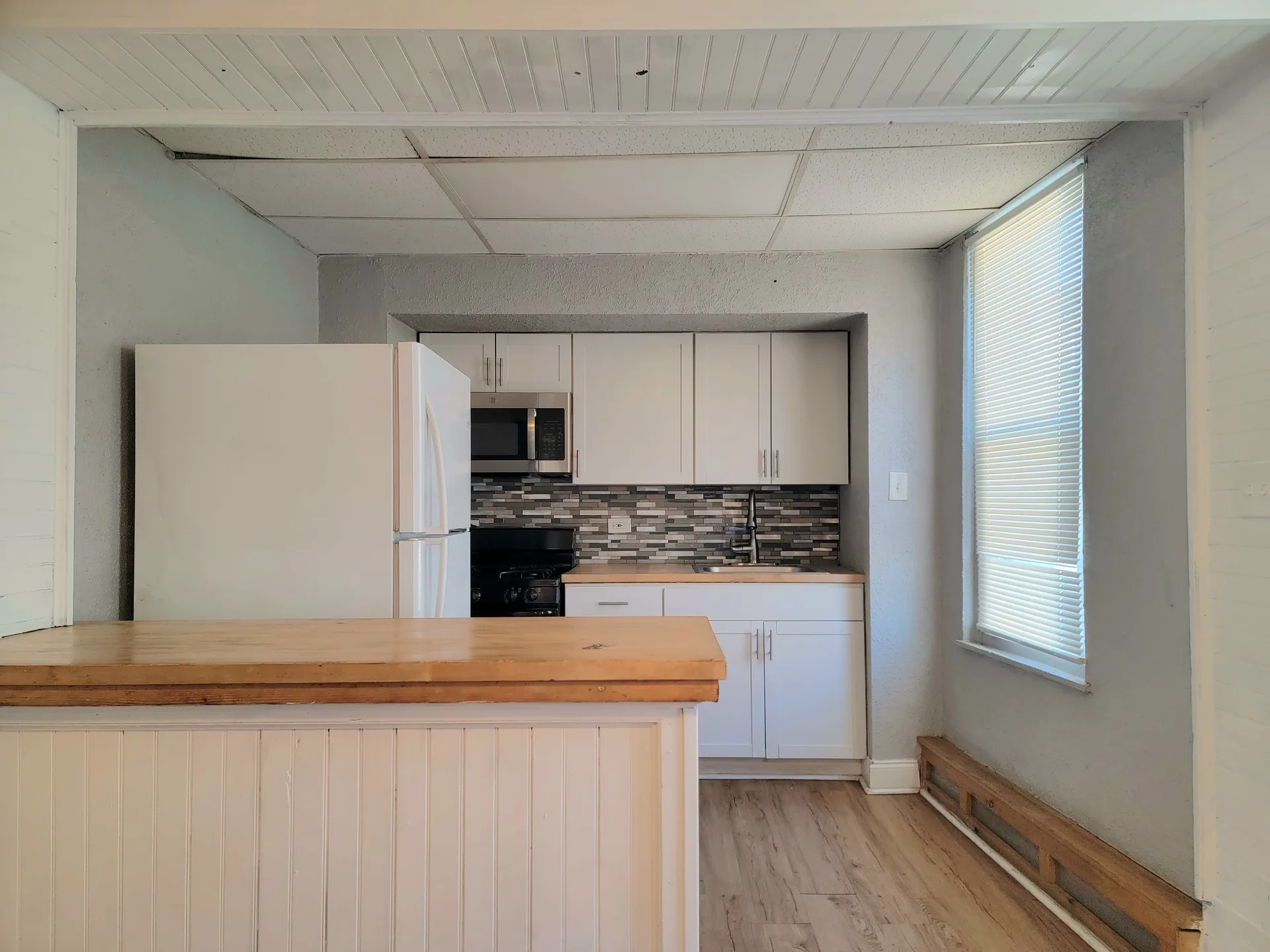
A light-filled kitchen inside a Philadelphia row home, the kind of Parkwood and Parkwood Manor house a homeowner can move through a short sale when they owe more than it is worth
Short Sales

Can I Do a Short Sale on My Parkwood Home If I Owe More Than It's Worth in Philadelphia?

Yes. Owing more than your Parkwood home is worth is exactly the situation a short sale is built for. In fact, you generally need to be underwater, meaning your mortgage balance is higher than the current market value of your home, for a lender to even consider approving a short sale. The lender agrees to accept less than the full balance because a short sale usually costs them less than letting the home go through foreclosure.

Parkwood, also known as Parkwood Manor, is the planned community of 1960s red-brick rowhomes, twins, and townhomes in the Far Northeast corner of Philadelphia, ZIP 19154, built by the Korman organization east of Roosevelt Boulevard. Poquessing Creek runs along its eastern edge and Northeast Philadelphia Airport sits a short drive away. Homeowners in Parkwood and Parkwood Manor bought at different times, some refinanced along the way, and some now carry a mortgage balance that sits above what the neighborhood would pay for the home today. If that sounds like your situation, you may wonder whether a short sale is even available to you. It is, and here is how it works.

What does it mean to owe more than your Parkwood home is worth?

Being underwater, sometimes called having negative equity, simply means your mortgage balance is greater than the home's current market value. It is not a reflection on you or on the house itself. Values shift, markets soften, and the balance on the mortgage can outpace what a buyer would pay today. For a short sale, being underwater is the starting point. If you owed less than the home was worth, you could just sell it the normal way and pay the mortgage off in full.

How do I know if I'm underwater on my Parkwood home?

The honest number comes from a current market valuation of your Parkwood or Parkwood Manor home, not from what you paid, what you refinanced, or what an online estimate says. A real look at recent sales of similar rowhomes, twins, and townhomes in your immediate area, plus the condition of your own home, tells you where the market stands. Compare that figure to your mortgage payoff amount. If the payoff is higher, you are underwater, and a short sale is on the table.

Can I still qualify if I'm not yet behind on my mortgage payments?

Being behind is not required. You can still be making on-time payments and qualify for a short sale, as long as you have a genuine hardship and you owe more than the home is worth. Many lenders only move forward when they see that a foreclosure is the realistic alternative if nothing changes, so the hardship, the shortfall, and your financial picture all matter together.

Will I still owe money if the short sale closes below my mortgage balance?

Pennsylvania is a recourse state, which means the lender could pursue a deficiency judgment for the unpaid balance after a short sale unless it is waived. That is why the short sale approval should include a deficiency waiver, a written agreement that the lender will not come after you for the difference. A short sale that closes below your mortgage balance is meant to resolve that shortfall, which is exactly why the waiver matters as part of the approval rather than left to chance.

What should a Parkwood homeowner do first?

Start with a straight answer on what your Parkwood or Parkwood Manor home is worth today, because that number decides whether you are underwater and which route makes sense. The step-by-step for selling a home for less than you owe with your lender's approval is on the short sale help page for Parkwood. If foreclosure is already moving, the stop foreclosure help for Parkwood page walks through the court timeline and the sheriff sale, and the foreclosure and short sale guidance for Philadelphia ties the timelines, credit impacts, and lender negotiations together. The longer read on thinking about a short sale for your Philadelphia home covers the full decision, and if a previous listing failed to sell, the expired listing help for Parkwood page shows how a relaunch gets it done.

Tell Andre your situation. He will give you an honest read on what your Parkwood or Parkwood Manor home is worth and whether a short sale fits. Andre reviews your situation and guides you through the choice, while his short-sale specialists handle the lender negotiations and the short-payoff approval. If speaking with the lender is the best route, he guides you to coordinate with your lender. He also works to try and secure a deficiency waiver as part of the approval, so the closing does not leave you facing a collection action for the unpaid balance. Call 267-977-0304 or book a free consult. Every conversation is confidential, and there is no judgment, only solutions.
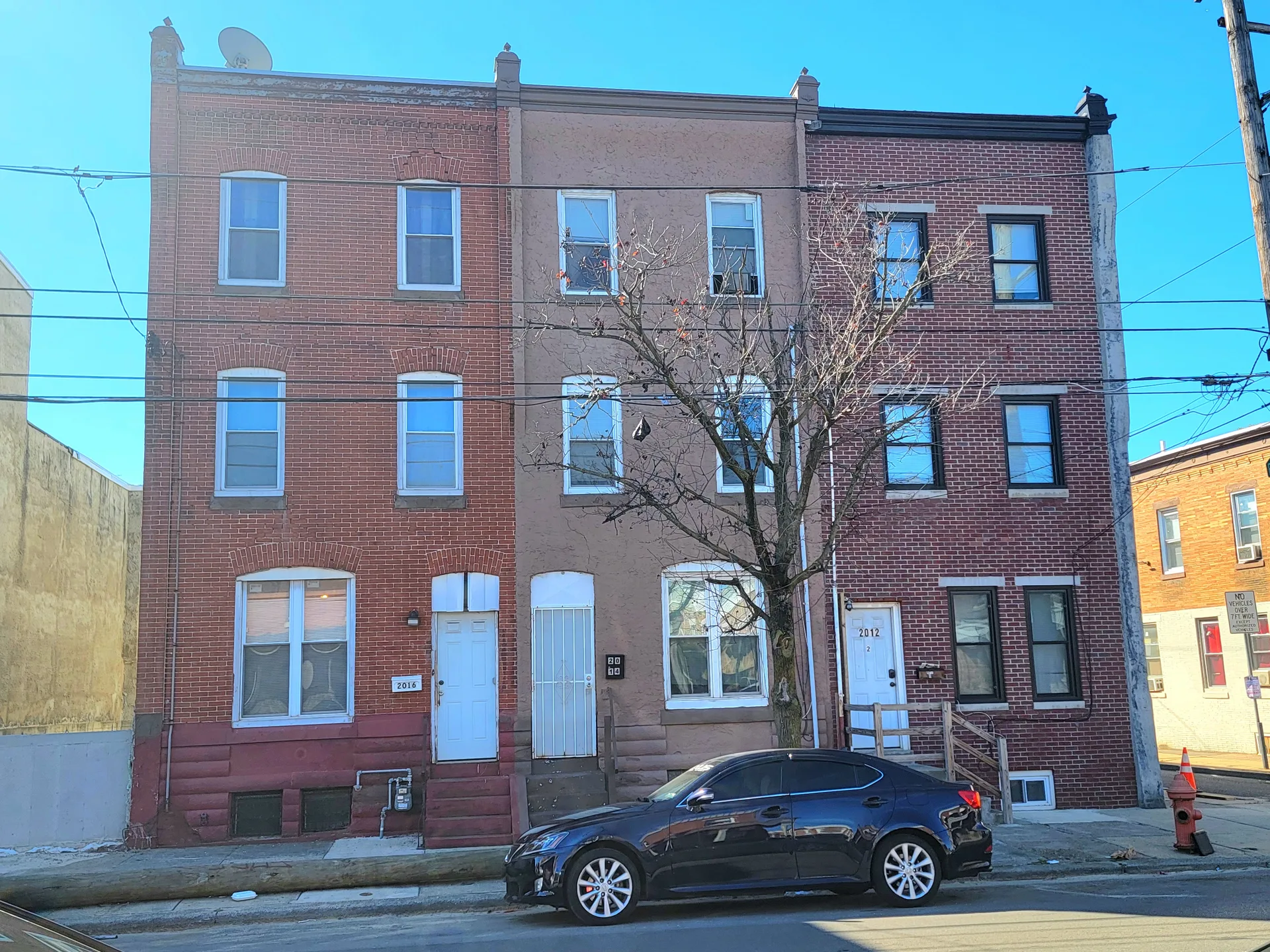
A row of brick and stucco townhouses on a sunny day in the Far Northeast of Philadelphia, the kind of Parkwood and Parkwood Manor home a still-employed homeowner can move through a short sale after an income drop
Short Sales

Can I Do a Short Sale on My Parkwood Home If I'm Still Employed But My Income Dropped in Philadelphia?

Yes. You can do a short sale on a Parkwood home while you are still employed, as long as your income has dropped enough to count as a genuine hardship. Lenders do not require unemployment to approve a short sale. They weigh the hardship, the shortfall between what you owe and what the home is worth, and whether the net proceeds support the short payoff, so a pay cut, reduced hours, or a drop in household income can absolutely be enough.

Parkwood, also known as Parkwood Manor, is the planned community of 1960s red-brick rowhomes, twins, and townhomes in the Far Northeast corner of Philadelphia, ZIP 19154, built by the Korman organization east of Roosevelt Boulevard. Poquessing Creek runs along its eastern edge and Northeast Philadelphia Airport sits a short drive away. Many homeowners here bought their house on a salary that covered the payment comfortably, and when overtime dried up, a spouse's income changed, or a shift got cut, the gap between the paycheck and the mortgage started to grow. If you are weighing a short sale on your Parkwood or Parkwood Manor home but you still go to work every day, you may wonder whether the option is even on the table. Here is the straight answer and what it means for your home.

Does my being employed keep me from qualifying for a short sale?

Not at all. Being employed is not a barrier, and in many cases it helps your file, because lenders look for a documented hardship and an honest picture of your finances, not for a gap where a job used to be. What matters is that your income has dropped to the point where keeping up with the mortgage is no longer realistic, and that a foreclosure is the real alternative if nothing changes. A reduction in income is an explicitly recognized hardship for a short sale, whether it comes from a pay cut, fewer hours, a medical situation, or a change in your household finances.

What does the lender want to see to prove the income drop?

The lender needs to see the hardship in writing and in the numbers. That means a dated hardship letter that explains the income drop, plus the paperwork that backs it up: recent pay stubs, a letter from your employer noting the pay cut or reduced hours, and bank statements. If you are self-employed, a profit and loss statement helps tell the same story. Getting these together and in order before the review starts gives your file the strongest chance of a clear yes, and it is a step you can handle before the short sale even gets under way.

What happens if I find a new or higher-paying job while the short sale is pending?

Nothing automatically cancels the short sale. If your income changes during the review, the servicer may ask you to update the information they are looking at, and the hardship and the shortfall are still weighed against your current situation. The honest move is to tell your short-sale team about the change right away so the paperwork reflects reality. A change in income does not by itself end a short sale that is already moving, but staying current with the facts keeps the process smooth.

Will I still owe money after a short sale if my income recovers?

Pennsylvania is a recourse state, which means the lender could pursue a deficiency judgment for the unpaid balance after a short sale unless it is waived. That is why a short sale approval should include a deficiency waiver, a written agreement that the lender will not come after you for the difference. A recovery in your income down the road does not erase that protection if it is in place, which is exactly why it matters that it is negotiated as part of the approval rather than left to chance.

What should a Parkwood homeowner do first?

Start with a straight answer on what your Parkwood or Parkwood Manor home is worth today and how your income drop looks on paper, because that picture shapes every choice ahead of you. The step-by-step for selling a home for less than you owe with your lender's approval is on the short sale help page for Parkwood. If foreclosure is already moving, the stop foreclosure help for Parkwood page walks through the court timeline and the sheriff sale, and the foreclosure and short sale guidance for Philadelphia ties the timelines and lender negotiations together. The longer read on thinking about a short sale for your Philadelphia home covers the full decision, and if a previous listing failed to sell, the expired listing help for Parkwood page shows how a relaunch gets it done.

Tell Andre your situation, even if you are still working. He will give you an honest read on whether a short sale fits your Parkwood or Parkwood Manor home and what an income drop means for your options. Andre reviews your situation and guides you through the choice, while his short-sale specialists handle the lender negotiations and the short-payoff approval. If speaking with the lender is the best route, he guides you to coordinate with your lender. He also works to try and secure a deficiency waiver as part of the approval, so the closing does not leave you facing a collection action for the unpaid balance. Call 267-977-0304 or book a free consult. Every conversation is confidential, and there is no judgment, only solutions.
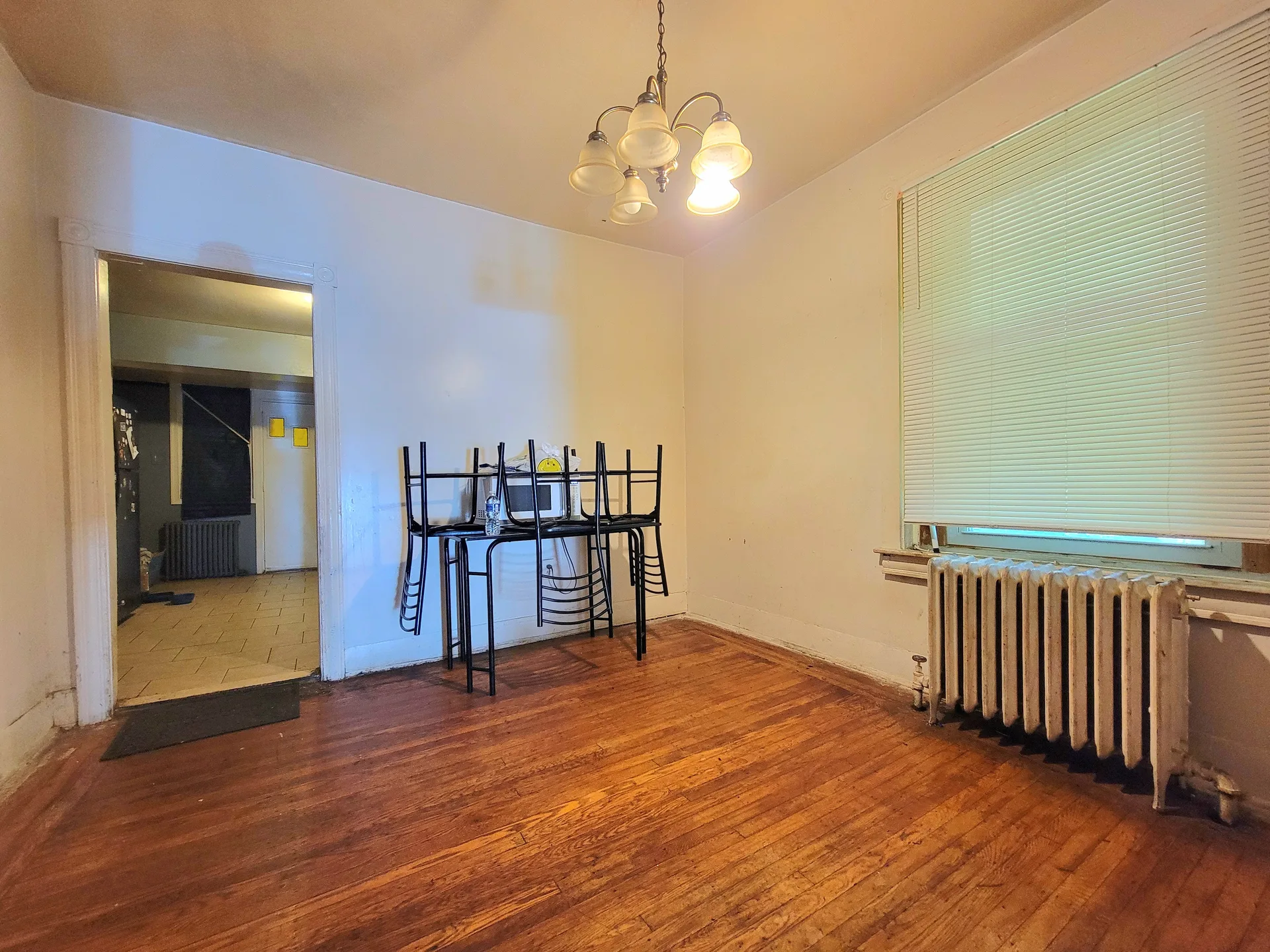
A dining room with hardwood floors inside a Parkwood rowhome, the kind of home that can still be sold as-is through a short sale even when it needs repairs
Short Sales

Can I Do a Short Sale on My Parkwood Home If It Needs Major Repairs in Philadelphia?

Yes. You can do a short sale on a Parkwood home that needs major repairs, because the lender does not require the house to be in good condition, and the sale is almost always done as-is. You are not expected to fix the roof, the heating, or the kitchen before it closes. What the lender weighs instead is the hardship, how much less than the balance the home is worth, and whether the net proceeds cover what it needs to approve the short payoff.

Parkwood, also known as Parkwood Manor, is the planned community of 1960s red-brick rowhomes, twins, and townhomes in the Far Northeast corner of Philadelphia, ZIP 19154, built by the Korman organization east of Roosevelt Boulevard. Poquessing Creek runs along its eastern edge and Northeast Philadelphia Airport sits a short drive away. Some of these homes are over sixty years old, and after years of deferred upkeep, a Parkwood homeowner weighing a short sale may be looking at a house that needs real work. The fear that the bank will refuse to approve a short sale because the place needs repairs is common, so here is the straight answer and how the process handles it.

Does the lender require my Parkwood home to be in good condition?

No. Lenders do not require a short sale property to be in good condition, and they will not pay for repairs or issue repair credits on a short sale. The home is sold as-is, which means the buyer takes it in its current state, and the lender's decision is driven by the financial hardship, the shortfall between the balance and the value, the supportable market price, the acceptable net proceeds, and the resolution of any liens. The condition of the house matters only indirectly, through what the home is worth.

Does needing repairs make a short sale harder or easier to get approved?

In one respect, a home that needs work can make approval easier. Repairs lower the as-is value, which supports a lower sale price and gives the lender a stronger reason to accept the short payoff. In practical terms, though, it makes the deal harder to close. A fixer-upper shrinks the buyer pool because most FHA and conventional buyers cannot finance a home unless it meets minimum property and appraisal condition standards. That often leaves a cash buyer or a buyer using a rehab loan, which means fewer qualified buyers, a longer lender approval timeline, and more risk that the deal falls through.

Who can buy a Parkwood short sale that needs repairs?

Realistically, a Parkwood short sale that needs significant work draws cash buyers, investors, and buyers who can close with a renovation loan. That is still a real pool, and in a market where practical, mid-century homes near the airport and major routes hold steady appeal, those buyers can see the value under the repairs. The offer still needs to be strong enough for the lender to approve the short payoff, so the marketing and the price positioning matter more, not less, when the home needs work.

Do I have to make any repairs before the short sale?

No, you are not required to pour money into the house to make it presentable for a short sale. If you are short on funds, spending on the home may not even be possible, and a short sale is designed for exactly that situation. The focus is on getting an honest read on the as-is value and finding the buyer who can close, not on fixing up the property. A clean, decluttered home still photographs and shows better, but repairs themselves are not a condition of approval.

What should a Parkwood homeowner do first?

Start with a straight answer on what your Parkwood or Parkwood Manor home is worth as-is today, because that number decides which route makes sense when the home needs work. The step-by-step for selling a home for less than you owe with your lender's approval is on the short sale help page for Parkwood. If foreclosure is already moving, the stop foreclosure help for Parkwood page walks through the court timeline and the sheriff sale, and the foreclosure and short sale guidance for Philadelphia ties the timelines and lender negotiations together. The longer read on thinking about a short sale for your Philadelphia home covers the full decision, and if a previous listing failed to sell, the expired listing help for Parkwood page shows how a relaunch gets it done.

Tell Andre your situation and he will give you an honest read on what a short sale would mean for your Parkwood home, even when the house needs real work. Andre reviews your situation and guides you through the choice, while his short-sale specialists handle the lender negotiations and the short-payoff approval. If speaking with the lender is the best route, he guides you to coordinate with your lender. He also works to try and secure a deficiency waiver as part of the approval, so the closing does not leave you facing a collection action for the unpaid balance. Call 267-977-0304 or book a free consult. Every conversation is confidential, and there is no judgment, only solutions.
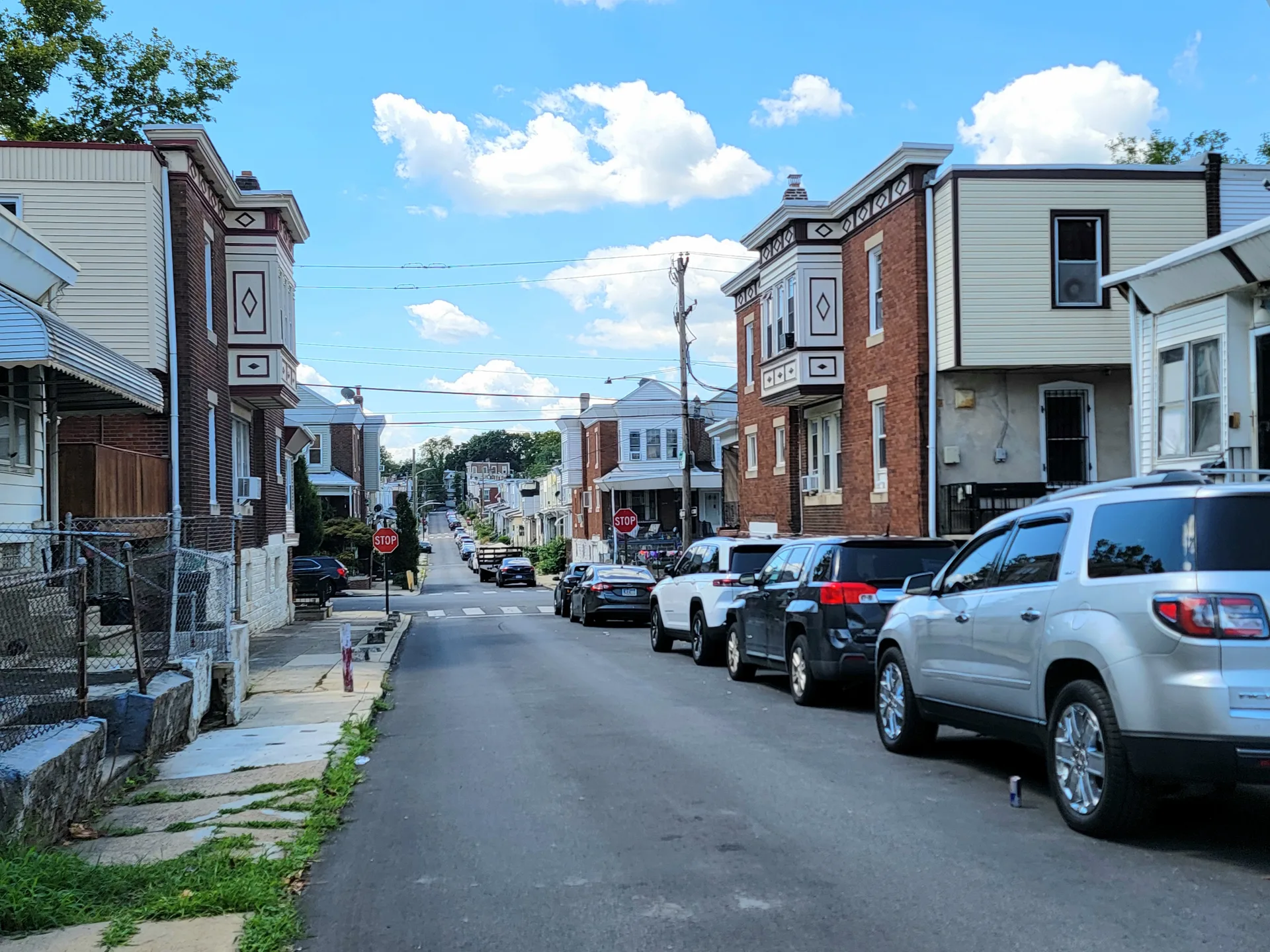
A residential street in the Far Northeast of Philadelphia lined with traditional row houses, the kind of Parkwood home that stays in the homeowner's name through a short sale until closing
Short Sales

Do I Still Own My Parkwood Home During a Short Sale in Philadelphia?

Yes. You own your Parkwood home for the entire short sale, right up to the closing table. Starting a short sale does not hand the house to the bank: you stay on the deed, you keep the keys, and the lender simply agrees to accept less than the full balance when a buyer closes. Ownership changes hands exactly once, at closing, when the deed is recorded in the buyer's name. The one exception is timing: if foreclosure runs all the way to a sheriff sale before the short sale closes, the bank takes ownership at that sale, which is why acting before the sale date matters.

Parkwood, also known as Parkwood Manor, is the planned community of 1960s red-brick rowhomes, twins, and townhomes in the Far Northeast corner of Philadelphia, in the 19154 ZIP. Built by the Korman organization between 1960 and 1962 east of Roosevelt Boulevard, it sits with Poquessing Creek along its eastern edge and Northeast Philadelphia Airport a short drive away, a calm, close-knit part of the city where more than 8 in 10 residents own their home. If you are weighing a short sale on your Parkwood or Parkwood Manor home, a question that comes up early is what happens to the house itself while the paperwork moves: does the bank take over, or is the home still yours? Here is the straight answer, and what it means for the decisions in front of you.

Does the bank take my Parkwood home when the short sale starts?

No. A short sale is a sale you make with the lender's permission to accept less than the balance you owe. The bank holds a lien on the property, not the deed, and nothing about applying for approval or listing the home moves the title out of your name. The lender becomes the owner only through a completed foreclosure sale, which is exactly what a short sale is designed to prevent.

Who holds the title while the short sale is pending?

You do. Through the whole process you remain the owner of record: you sign the listing agreement, you review the offers, and you decide which offer goes to the lender for approval. The buyer does not own the home, and neither does the bank, until the deal closes. Because the house stays yours, the everyday responsibilities stay with you too, from keeping it maintained to keeping the taxes and utilities in order.

Am I still responsible for maintaining my Parkwood home during the short sale?

Yes. The home is still in your name, so it is still your job to keep it maintained, insured, and in reasonable shape. The lender will order a broker price opinion or an appraisal as part of its review, and the condition of the house is part of what it sees. A well-kept Parkwood rowhome or twin moves through that review more smoothly, and it protects the value the lender needs to see before it approves the short payoff.

When does ownership of my Parkwood home actually change hands?

At closing. When the deed is recorded and the buyer's funds clear, ownership transfers and you hand over the keys. Until that day, the home is legally yours, which is why moving out early or handing the house over before closing only adds risk. And if a sheriff sale is already on the calendar, the short sale has to close before that date; once the sale happens, the bank owns the home and the short sale option is gone.

What should a Parkwood homeowner do first?

Because the home stays in your name through the whole process, the decisions are yours to make, so it helps to see the full picture early. The step-by-step for selling a Parkwood home for less than you owe with your lender's approval is on the short sale help page for Parkwood. If foreclosure is already moving, the stop foreclosure help for Parkwood page explains the court timeline and the sheriff sale, and the foreclosure and short sale guidance for Philadelphia page ties the timelines, credit impacts, and lender negotiations together. The longer read on thinking about a short sale for your Philadelphia home covers the full decision, and if a previous listing failed to sell, the expired listing help for Parkwood page shows how a relaunch gets it done.

Tell Andre your situation and he will give you an honest read on what a short sale would mean for your Parkwood home, including what stays yours and what you are still responsible for while the process runs. Andre reviews your situation and guides you through the choice, while his short-sale specialists handle the lender negotiations and the short-payoff approval. If speaking with the lender is the best route, he guides you to coordinate with your lender. He also works to try and secure a deficiency waiver as part of the approval, so the closing does not leave you facing a collection action for the unpaid balance. Call 267-977-0304 or book a free consult. Every conversation is confidential, and there is no judgment, only solutions.
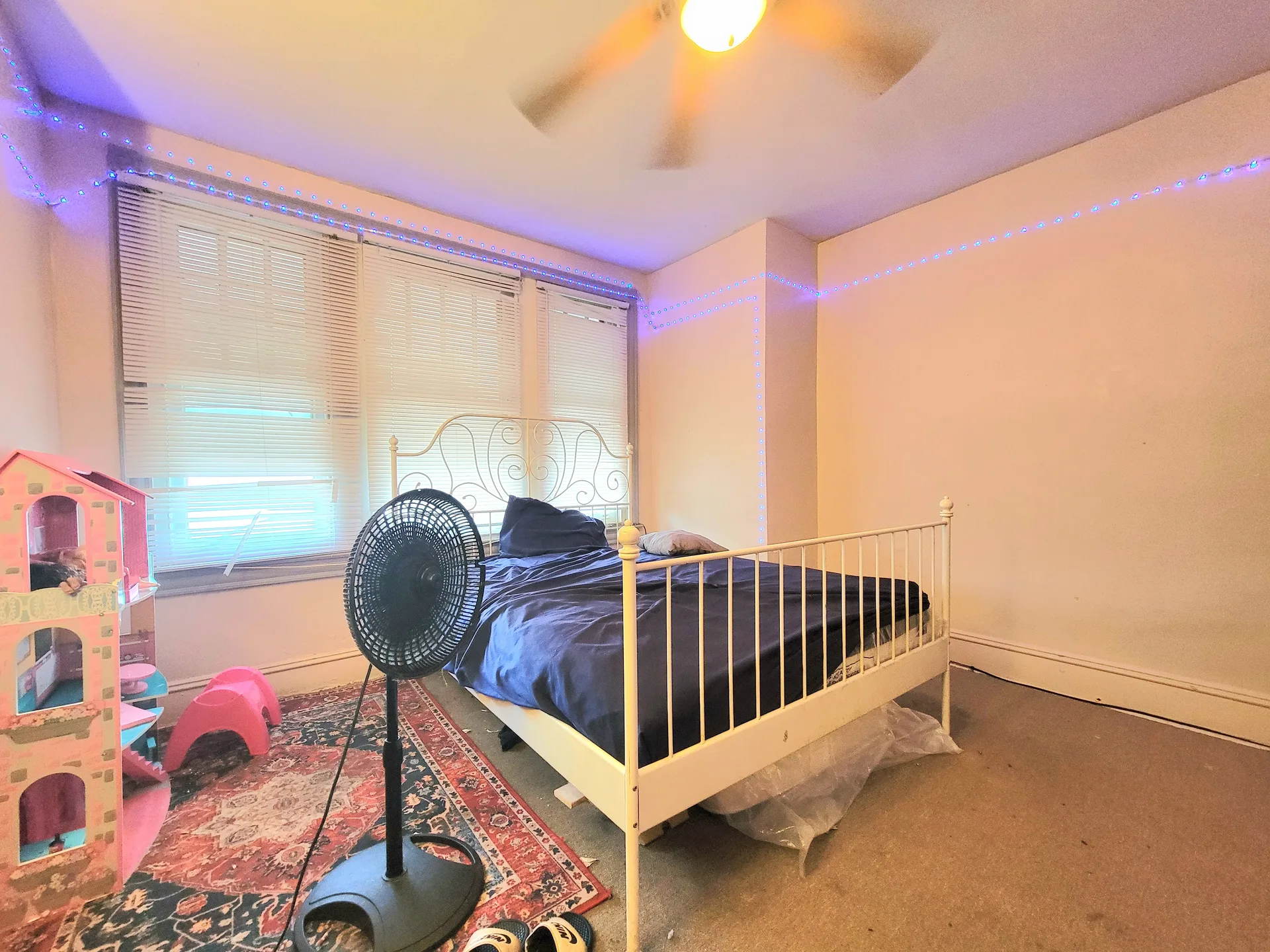
A furnished bedroom inside a Philadelphia row home, with a bed and personal belongings the homeowner packs up and takes with them through a Parkwood short sale
Short Sales

Do I Have to Leave My Furniture and Belongings in a Short Sale in Parkwood, Philadelphia?

No. A short sale sells the house, not your things. Your furniture, clothing, electronics, and other personal belongings stay yours, and the bank has no claim on them. What the lender approves is the sale of the real estate for less than you owe, and your possessions are not part of that approval. The rule that matters is timing: move your belongings out before closing, because anything left behind after the deed records generally becomes the buyer's.

Parkwood, also known as Parkwood Manor, is the planned community of red-brick rows, twins, and townhomes in the Far Northeast corner of Philadelphia, ZIP 19154, built by the Korman organization in the late 1950s and early 1960s. It sits east of Roosevelt Boulevard with Poquessing Creek running along its eastern edge and Northeast Philadelphia Airport a short drive away, a calm, practical part of the city where a home is a hard-earned anchor. If you are weighing a short sale on your Parkwood home, the worry about losing the things inside it, the furniture you chose, the family pieces, can weigh as heavily as the mortgage. Here is the straight answer on what you keep, what stays, and how to handle it.

Can the bank take my furniture in a short sale?

No. Your mortgage is secured by the home itself, not by your sofa, your bed, or your dining table. A short sale transfers the real estate to a buyer with the lender's approval, and your personal property is not collateral in that transaction. Neither the lender nor the buyer has a claim on your belongings unless the sale contract specifically says otherwise, so your things stay yours from the first conversation to the day you move out.

What counts as personal property, and what stays with the house?

Personal property is everything movable: furniture, clothing, electronics, area rugs, freestanding appliances, and anything else you can carry out the door. Fixtures are the opposite. Items permanently attached to the home, such as built-in cabinets, mounted light fixtures, ceiling fans, and attached window treatments, normally stay with the house as part of the sale. If there is any question about a specific item in your Parkwood home, get the answer in writing before you sign, not after.

Do I have to move my things out before the short sale closes?

Yes, and the timing is what protects you. Short sale contracts typically require the home to be delivered vacant and in broom-clean condition, and the buyer expects to take possession of the house, not your belongings. Leaving furniture and boxes behind can slow the closing, give the buyer a reason to delay, or trigger a request to clean the property out at your expense. Plan the move so the house is empty before closing day, and talk the plan through with your team well ahead of time.

What happens if I leave something behind after closing?

Once the deed records, the home and everything still inside it generally become the buyer's property. Coming back later to retrieve an item can be treated as trespassing, so treat closing day as the deadline. If a buyer has agreed to let you collect something after closing, get that agreement in writing before you sign, with a date attached. A short sale is already full of paperwork; one signed note about a piece of furniture is a small price for peace of mind.

What should a Parkwood homeowner do first?

Start by writing down what you will take and what will stay with the house, then get a straight answer on what your Parkwood or Parkwood Manor home is worth today, because that number shapes every choice ahead of you. The step-by-step for selling for less than you owe with your lender's approval is on the short sale help page for Parkwood. If foreclosure has already started, the stop foreclosure help for Parkwood page walks through the court timeline and the sheriff sale, and the foreclosure and short sale guidance for Philadelphia ties the timelines, credit impacts, and lender negotiations together. For a longer read on the decision itself, thinking about a short sale for your Philadelphia home covers it in full. And if your home has already been through a listing that did not sell, the expired listing help for Parkwood page shows how a relaunch gets it sold.

Tell Andre your situation and he will give you an honest read on what a short sale would mean for your Parkwood home, including the practical details like what you take with you and what stays. Andre reviews your situation and guides you through the choice, while his short-sale specialists handle the lender negotiations and the short-payoff approval. If speaking with the lender is the best route, he guides you to coordinate with your lender. He also works to try and secure a deficiency waiver as part of the approval, so the closing does not leave you facing a collection action for the unpaid balance. Call 267-977-0304 or book a free consult. Every conversation is confidential, and there is no judgment, only solutions.
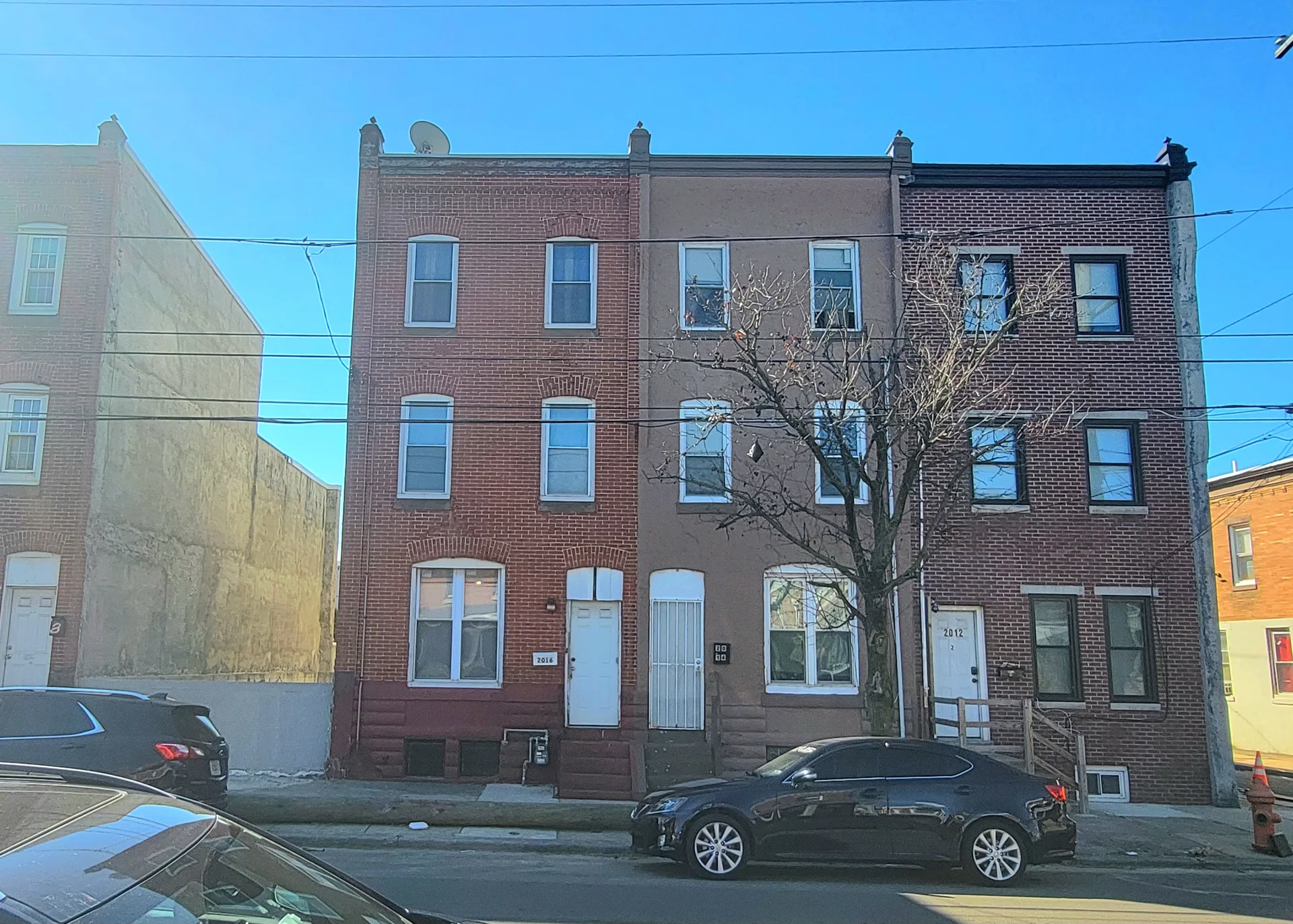
Three attached brick and stucco rowhomes in the Far Northeast on a bright day, the kind of Parkwood home that stays insured through a short sale closing
Short Sales

Do I Still Have to Pay Homeowners Insurance During a Short Sale in Parkwood, Philadelphia?

Yes. While the mortgage is outstanding, your homeowners insurance must stay in force through the short sale closing, and the policy should only be canceled after the buyer's deed records. If the coverage lapses, the lender can force-place an expensive policy and charge it to your loan, changing the closing figures the short sale has to cover.

Parkwood, also known as Parkwood Manor, is the planned community of brick rows and twins in the Far Northeast corner of Philadelphia, ZIP 19154, built by the Korman organization in the late 1950s and early 1960s. It sits east of Roosevelt Boulevard with Poquessing Creek running along its eastern edge and Northeast Philadelphia Airport a short drive away, a calm, practical part of the city where a home is a hard-earned anchor. If you are weighing a short sale on your Parkwood home, insurance is easy to overlook while your attention is on the mortgage, and a lapse can quietly stall the sale meant to get you out from under the loan.

Why does the policy have to stay active during a short sale?

Your mortgage agreement requires homeowners insurance for the life of the loan, and a short sale does not change that. The lender has a financial interest in the home until closing, because if the property is damaged before the sale, there is no equity to repair it and the loan is already underwater. The policy stays current through closing, and the cancel date is the day the new owner's deed records.

What happens if my Parkwood home insurance lapses?

The lender finds out through the mortgagee clause that names it on the policy. When the servicer sees coverage has dropped, it can force-place a lender-placed policy and bill it to your loan. Federal rules require written notice at least 45 days before you are charged, but the charge is real when it lands. Lender-placed policies cost far more than a standard homeowners policy and cover the lender's interest only, not your belongings or your liability. The premium is added to the balance, so the short sale has to cover a bill you never planned.

What if my home sits vacant while the short sale is pending?

Many Parkwood homes spend part of a short sale empty, particularly after a family has moved out while the lender review drags on. Standard homeowners policies have a vacancy provision: coverage is limited or suspended once the home sits vacant for roughly 30 to 60 days, and claims tied to that vacancy can be denied. The insurer may cancel or nonrenew the policy outright, and claims during the colder months are the risk a suspended policy will not pay.

Can a lapsed policy keep the short sale from being approved?

It can slow it or stall it. A short sale is approved only when the net proceeds cover the lender's acceptable payoff, and every charge the lender tacked on, including force-placed premiums, raises the amount the sale must clear. The servicer may also pause its review until the property is protected again, so keeping a continuous policy in place is part of protecting the deal itself.

What should a Parkwood homeowner do first?

Keep the current policy current even if the mortgage payments have stopped, and tell your insurer the home may sit empty so you can add a vacancy endorsement or switch to vacant-home coverage before a gap forms. Send the servicer proof of continuous coverage. Then get the numbers in order, because insurance is only one of the costs a short sale has to survive.

Start with a straight answer on what your Parkwood or Parkwood Manor home is worth today, because that number shapes every choice ahead of you. The step-by-step for selling for less than you owe with your lender's approval is on the short sale help page for Parkwood. If foreclosure has already started, the stop foreclosure help for Parkwood page walks through the court timeline and the sheriff sale, and the foreclosure and short sale guidance for Philadelphia ties the timelines, credit impacts, and lender negotiations together. For a longer read on the decision itself, thinking about a short sale for your Philadelphia home covers it in full. And if your home has already been through a listing that did not sell, the expired listing help for Parkwood page shows how a relaunch gets it sold.

Tell Andre your situation and he will give you an honest read on what a short sale would mean for your Parkwood home, from the insurance and tax obligations to the closing math. Andre reviews your situation and guides you through the choice, while his short-sale specialists handle the lender negotiations and the short-payoff approval. If speaking with the lender is the best route, he guides you to coordinate with your lender. He also works to try and secure a deficiency waiver as part of the approval, so the closing does not leave you facing a collection action for the unpaid balance. Call 267-977-0304 or book a free consult. Every conversation is confidential, and there is no judgment, only solutions.
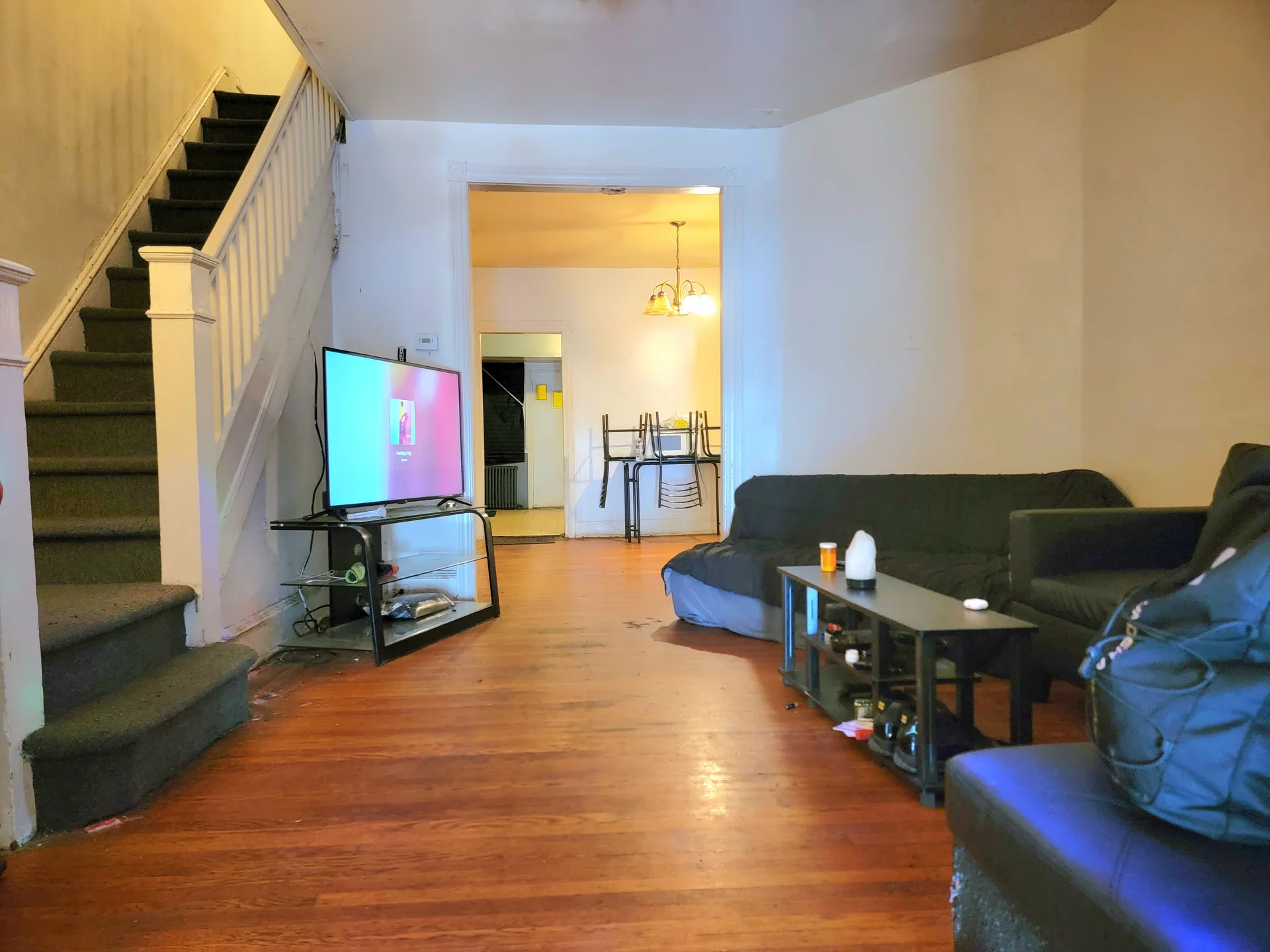
A lived-in living room inside a Philadelphia row home with hardwood floors and stairs, the kind of Parkwood home a short sale can help protect
Short Sales

How Long Does a Short Sale Stay on My Credit Report in Parkwood, Philadelphia?

A short sale stays on your credit report for seven years, and the clock starts on the date of your first missed mortgage payment, not the day the short sale closes. Most accounts are reported as settled for less than the full balance, which future lenders read very differently than a completed foreclosure, and the damage to your score is usually smaller. The seven-year mark is not a life sentence: it is a timeline, and knowing how it runs is the first step to planning your next move.

Parkwood, also known as Parkwood Manor, is the planned community of brick rows and twins in the Far Northeast corner of Philadelphia, ZIP 19154, built by the Korman organization in the late 1950s and early 1960s. It sits east of Roosevelt Boulevard with Poquessing Creek running along its eastern edge and Northeast Philadelphia Airport a short drive away, a calm, practical part of the city where a home is a hard-earned anchor. If you are considering a short sale on your Parkwood home, the question of what it does to your credit is usually near the top of the list. Here is the straight answer, and what it means for your timeline.

When does the seven-year clock start?

A short sale stays on your credit report for seven years under the Fair Credit Reporting Act, and the reporting period is measured from the date of the first missed payment that led to the short sale, not from the closing date. If you were never late and the account was settled without a delinquency, the clock can start from the settlement date instead. Either way, the seven years run from the event that triggered the reporting, so the further you are into the process, the sooner the countdown ends.

Does a short sale look the same as a foreclosure on my credit?

No. A short sale is generally reported as settled for less than the full balance, while a foreclosure is a completed, court-driven repossession, and credit scoring treats the two very differently. A foreclosure typically drops a score 100 to 200 points or more, while the range for a short sale is usually closer to 85 to 160 points. Lenders also weigh the two differently: a short sale shows you worked with your lender and sold the home through the normal market, which reads as far more responsible than letting the process finish.

How soon can I buy a home again after a short sale in Parkwood?

Waiting periods are measured from the completion of the short sale, not from when it drops off your credit. Under conventional guidelines, buyers can typically qualify for a new mortgage about four years after a short sale, or two years with documented extenuating circumstances. FHA programs often allow a purchase after about three years, and VA programs can allow one sooner in many cases. The exact number depends on your loan program and your situation, but the key point is that a short sale puts you back on the path to homeownership years before a foreclosure would.

What should I do first if I own a home in Parkwood?

Start with a straight answer on what your Parkwood or Parkwood Manor home is worth today, because that number shapes every choice ahead of you. The step-by-step for selling for less than you owe with your lender's approval is on the short sale help page for Parkwood. If foreclosure has already started, the stop foreclosure help for Parkwood page walks through the court timeline and the sheriff sale, and the foreclosure and short sale guidance for Philadelphia ties the timelines, credit impacts, and lender negotiations together. For a longer read on the decision itself, thinking about a short sale for your Philadelphia home covers it in full. And if your home has already been through a listing that did not sell, the expired listing help for Parkwood page shows how a relaunch gets it sold.

Tell Andre your situation and he will give you an honest read on what a short sale would mean for your Parkwood home and your credit. Andre reviews your situation and guides you through the choice, while his short-sale specialists handle the lender negotiations and the short-payoff approval. If speaking with the lender is the best route, he guides you to coordinate with your lender. He also works to try and secure a deficiency waiver as part of the approval, so the closing does not leave you facing a collection action for the unpaid balance. Call 267-977-0304 or book a free consult. Every conversation is confidential, and there is no judgment, only solutions.
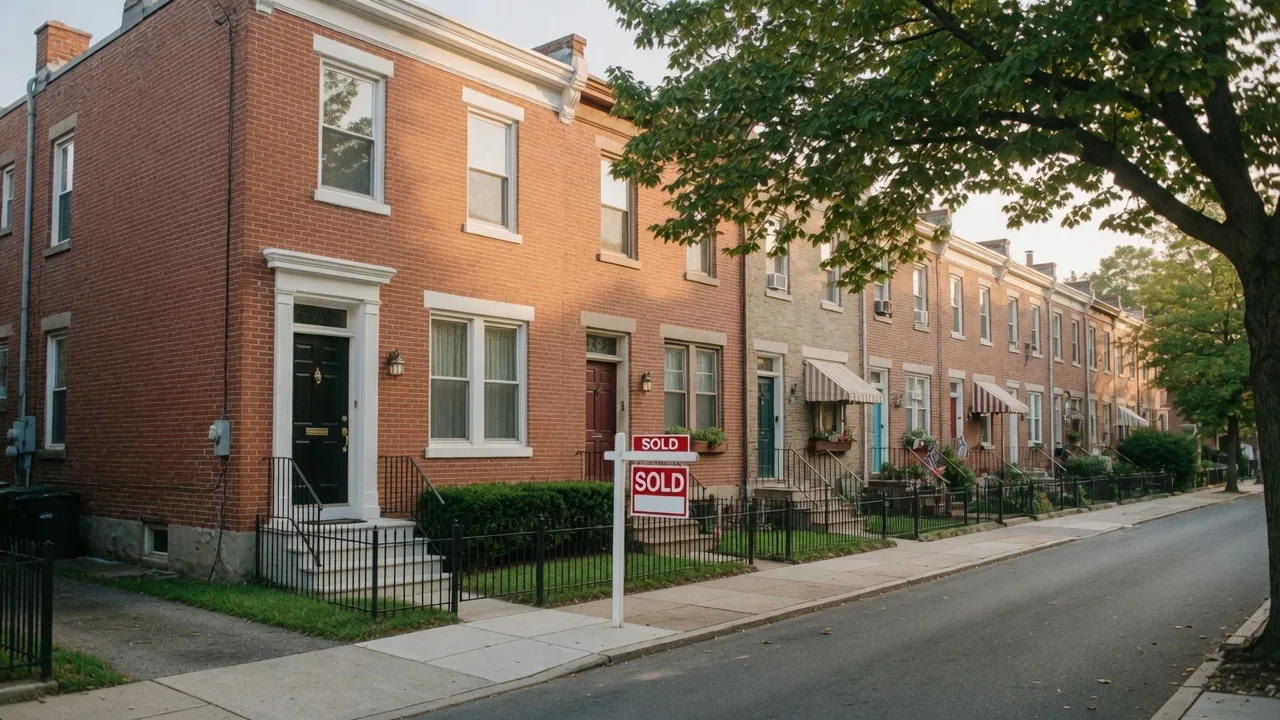
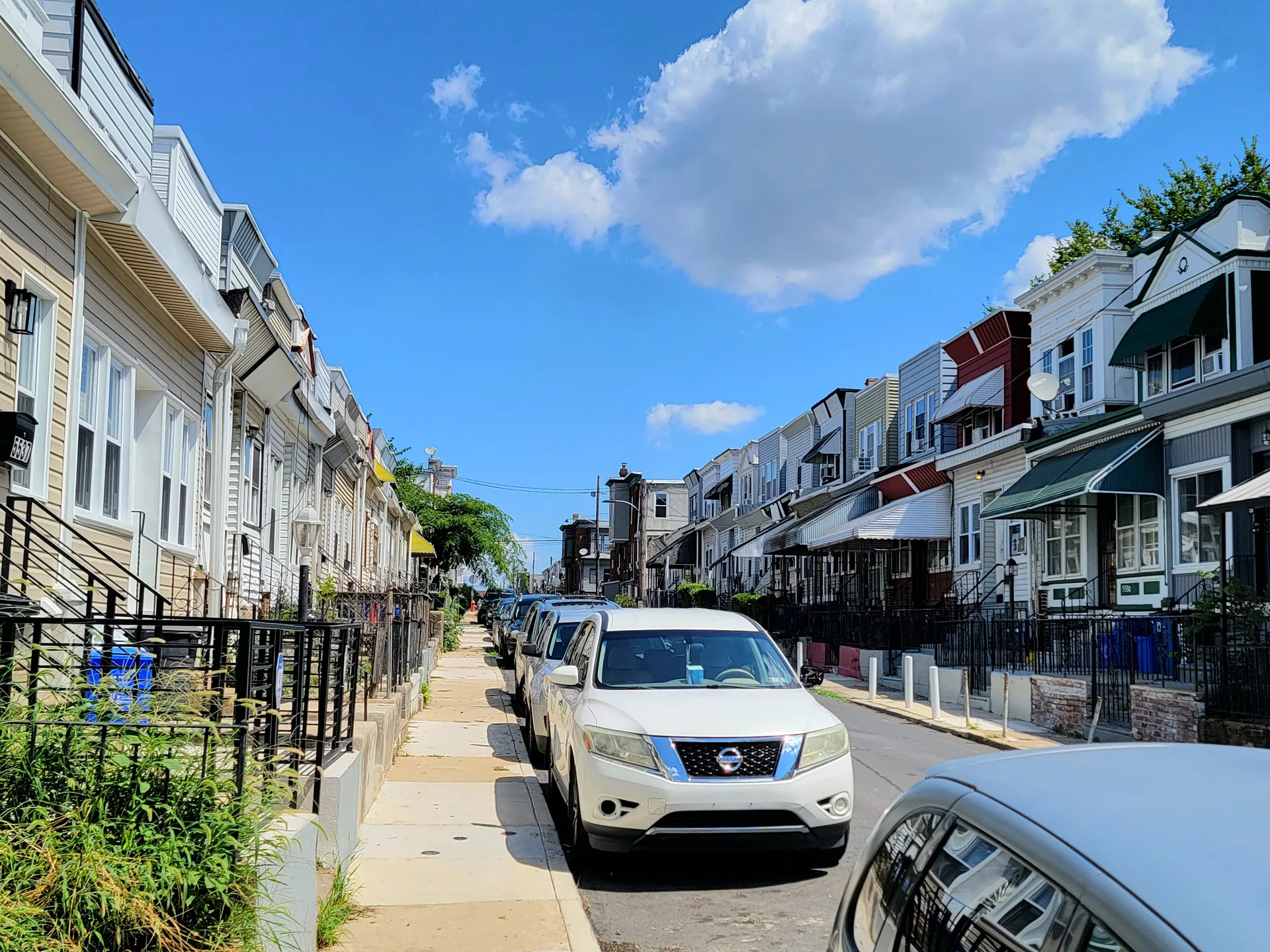
A residential street in the Far Northeast Philadelphia neighborhood of Parkwood lined with brick rowhouses, the kind of comparable homes that set a short sale price at market value
Short Sales

Do Short Sales Sell Below Market Value in Parkwood, Philadelphia?

No. A short sale in Parkwood is priced at or near what comparable homes in the neighborhood are selling for, not below it. The lender has to approve the sale price, and lenders measure every offer against an appraisal and recent comparable sales, so a genuinely below-market price is usually a reason a short sale gets turned down, not approved. In plain terms, a short sale is a normal sale to a real buyer at a fair price, with the lender accepting less than the mortgage balance.

Parkwood, also known as Parkwood Manor, is the planned community of brick rows and twins in the Far Northeast corner of Philadelphia, ZIP 19154, built by the Korman organization in the late 1950s and early 1960s. It sits east of Roosevelt Boulevard with Poquessing Creek running along its eastern edge and Northeast Philadelphia Airport a short drive away, a calm, practical part of the city where a home is a hard-earned anchor. If you are weighing a short sale, you may have heard that short sales sell at big discounts. The reality is the opposite: a short sale only happens when the lender approves the price, and lenders are not in the business of approving fire sales.

Why don't short sales sell below market value?

A short sale exists because the mortgage balance is higher than what the home is worth today, not because the home sells for less than its market value. Before approving a short sale, the lender reviews an appraisal or a broker price opinion plus recent sales of comparable Parkwood homes to establish what the property is actually worth, and the offer on the table is measured against that number. If the price lands genuinely below market, the lender has little reason to say yes, because completing a foreclosure can net them more. That is why an offer at a fair market price is what gets a short sale approved.

How is the price of a Parkwood short sale set?

The price starts with the same market data any Philadelphia listing uses: recent sales of similar brick twins and rowhomes in Parkwood and the neighborhoods around it, the condition of the home, and what buyers are willing to pay right now. Andre reviews your situation and guides you on where that number lands, while his short-sale specialists handle the lender negotiations and the short-payoff approval for the offers that move forward. If speaking with the lender is the best route, he guides you to coordinate with your lender. The goal is a price that is honest about the market, because an honest price is the one the lender will say yes to.

Will I sell for less than my neighbors got?

You might, and not for the reason you think. A neighbor may have sold at a different point in the market, in better condition, or after updates your home does not have. Market value is not a single number, it is a range, and a short sale price lands inside that range based on the home as it is today. What a short sale does not do is price your home below that range just because the loan is heavier than the house. The lender's approval is the guardrail that keeps the price real.

Does a market-value price protect me in a short sale?

It helps in two ways. A price at market value is the easiest price for a lender to approve, which means the sale is far more likely to close and a foreclosure is far more likely to be avoided. And because the sale moves through the normal market to a real buyer, you keep control of the price and the timing instead of leaving them to a sheriff's auction. Andre also works to try and secure a deficiency waiver as part of the approval, so the closing does not leave you facing a collection action for the unpaid balance.

What should I do first if I own a home in Parkwood?

The first step is a straight answer on what your Parkwood or Parkwood Manor home is actually worth today, because that number is the anchor for every decision that follows. The step-by-step for selling for less than you owe with your lender's approval is on the short sale help page for Parkwood. The stop foreclosure help for Parkwood page walks through the court timeline and the sheriff sale, and the foreclosure and short sale guidance for Philadelphia ties the timelines, credit impacts, and lender negotiations together. The longer read on thinking about a short sale for your Philadelphia home covers the decision in full. If your home has already been through a listing that did not sell, the expired listing help for Parkwood page shows how a relaunch gets it sold.

Tell Andre your situation and he will give you an honest read on what your Parkwood home is worth and what a short sale would mean for you. Call 267-977-0304 or book a free consult. Every conversation is confidential, and there is no judgment, only solutions.
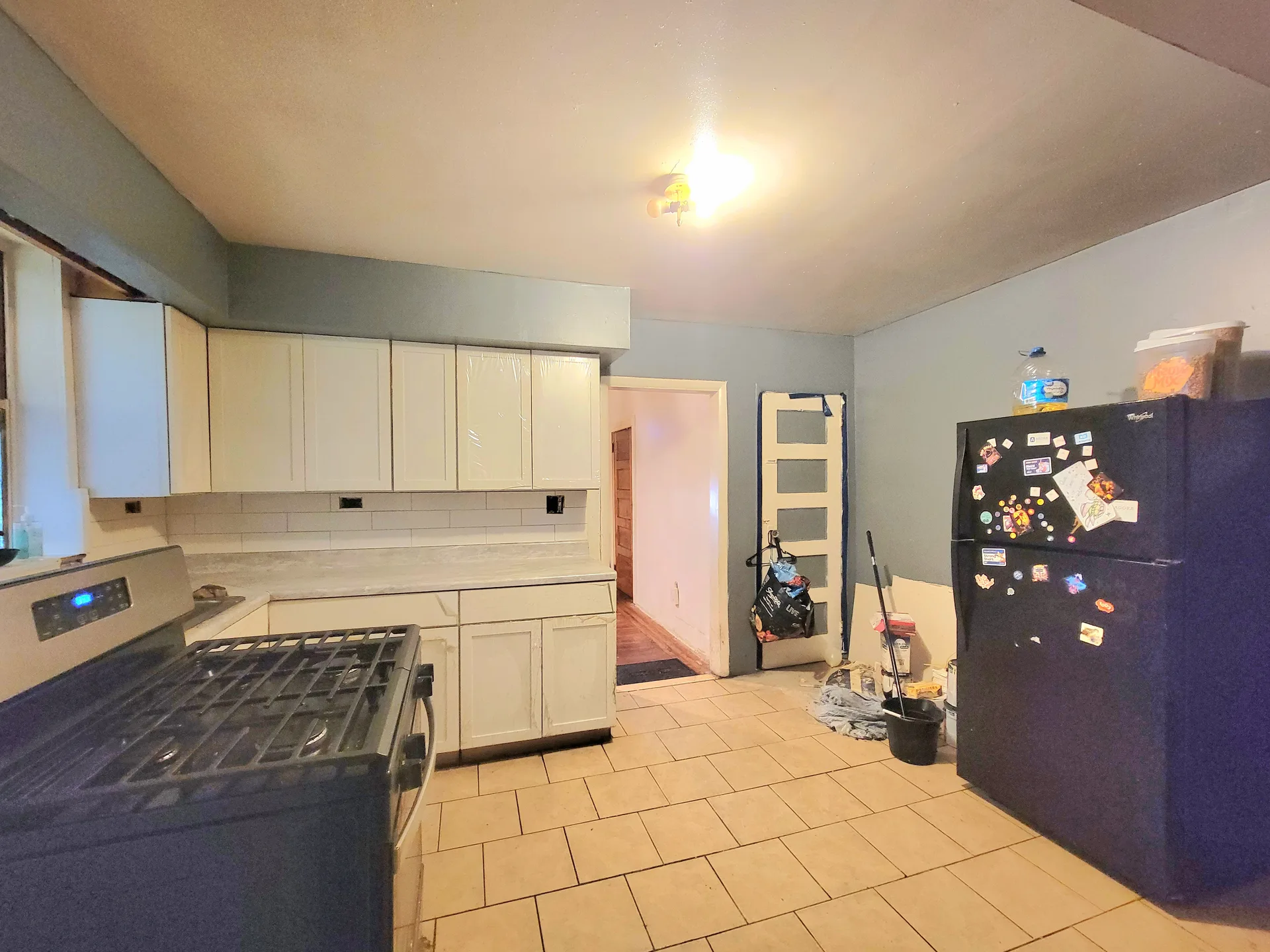
A well-maintained Philadelphia rowhome with a sold sign in the front yard on a bright morning, the kind of home a Parkwood homeowner can still protect after a short sale denial
Short Sales

What Happens If My Short Sale Is Denied in Parkwood, Philadelphia?

A denied short sale means the sale does not go through, the buyer's offer falls through, and you still owe the full mortgage, and any foreclosure case that was pending can resume. But a denial is a rejection of that one offer and that one package, not a verdict on your Parkwood home. You still have real next steps, and most of them start with finding out exactly why the lender said no.

Parkwood, also known as Parkwood Manor, is the planned community of brick rows and twins in the Far Northeast corner of Philadelphia, ZIP 19154, built by the Korman organization in the late 1950s and early 1960s. It sits east of Roosevelt Boulevard with Poquessing Creek running along its eastern edge and Northeast Philadelphia Airport a short drive away, a calm, practical part of the city where a home is a hard-earned anchor. If you put your Parkwood home into a short sale and the lender turned it down, the first thing to know is that this is a common turn, not a dead end. The second is that the reasons behind a denial are usually fixable, and how much room you still have depends on how you respond.

Why would a lender deny a short sale in Parkwood?

Most denials are about the offer, not about you. Lenders compare the short sale proceeds against what they would net from a foreclosure, so an offer that lands too low, or one where the costs eat up too much of the sale price, can get turned down. A hardship package that is missing a document, or that does not clearly show why the loan cannot be carried, is another common reason. Under federal loss mitigation rules, the servicer has to evaluate a complete application within 30 days when it arrives more than 37 days before a scheduled foreclosure sale, and it has to send a written denial that states the specific reasons. That written denial is your road map.

Does a denial mean the foreclosure starts right away?

No, not overnight. While a complete short sale application is being evaluated, the servicer generally cannot move forward to a foreclosure sale. Once the denial is final, that protection lifts and a pending foreclosure case can resume, which means the court timeline, the conciliation conference, and the sheriff sale date start counting again. In Pennsylvania the process from the first missed payment to the sheriff sale typically runs about six to twelve months, so a denial is a signal to act, not a cliff.

Can I appeal or try again after a short sale is denied?

Here is the honest part. There is no formal right to appeal a short sale denial the way there is for some loan modifications, so the servicer does not have to review the short sale decision again on request. What you can still do is ask the servicer's loss mitigation department, or the loan's investor, to reconsider, and you can resubmit a stronger package that addresses the exact reason in the denial letter. A denial is often about the offer that was on the table, so a new offer, a different buyer, or a higher net to the lender can change the outcome entirely.

What are my options after a short sale denial in Parkwood?

You have several paths, and they are not mutually exclusive. You can ask for reconsideration with a more complete package. You can pursue another loss mitigation option, such as a loan modification, a forbearance, or a repayment plan, and the servicer has to evaluate the options you may be eligible for rather than stopping at the short sale. If you believe the servicer broke the loss mitigation rules, you can file a Notice of Error under federal rules and the servicer has to respond. And if the home can still be sold, it can be sold, whether as a new short sale with a better offer or through a different route. Andre reviews your situation and guides you through the choice, while his short-sale specialists handle the lender negotiations and the short-payoff approval for the offers that move forward. If speaking with the lender is the best route, he guides you to coordinate with your lender. He also works to try and secure a deficiency waiver as part of the approval, so a future sale does not leave you facing a collection action for the unpaid balance.

What should I do first if my short sale was denied in Parkwood?

Start with the denial letter and get a straight answer on what your Parkwood or Parkwood Manor home is actually worth, because that number decides which route makes sense. The step-by-step for selling for less than you owe with the lender's approval is on the short sale help page for Parkwood. The stop foreclosure help for Parkwood page walks through the court timeline and the sheriff sale, and the foreclosure and short sale guidance for Philadelphia ties the timelines, credit impacts, and lender negotiations together. The longer read on thinking about a short sale for your Philadelphia home covers the decision in full. If your home has already been through a listing that did not sell, the expired listing help for Parkwood page shows how a relaunch gets it sold.

Tell Andre your situation and he will give you an honest read on what a denial means for your home and what to do next. Call 267-977-0304 or book a free consult. Every conversation is confidential, and there is no judgment, only solutions.

A kitchen with white cabinets and tile floors inside a Philadelphia row home, the practical housing that a short sale can help Parkwood homeowners protect
Short Sales

Can a Short Sale Stop Foreclosure in Parkwood, Philadelphia?

Yes, a short sale can stop a foreclosure in Parkwood, as long as the short sale closes before the sheriff sale date. When the lender approves a short sale, the negotiated sale resolves the mortgage that the foreclosure was filed to collect, and the foreclosure action is discontinued once the sale closes. The home is sold to a real buyer through the normal market, not at an auction, so you keep control of the price, the buyer, and the timing.

Parkwood, also known as Parkwood Manor, is the planned community of brick rows and twins in the Far Northeast corner of Philadelphia, ZIP 19154, built by the Korman organization in the late 1950s and early 1960s. It sits east of Roosevelt Boulevard, with Poquessing Creek as its eastern boundary and Northeast Philadelphia Airport a short drive away, the kind of calm, practical neighborhood where a home is a hard-earned anchor. If a foreclosure action has been filed on that home, you are not out of options. A short sale is one of the most direct ways to stop the process on your own terms, and the earlier it starts, the more control you keep.

Does a short sale cancel the foreclosure on my Parkwood home?

A short sale does not stop the process by itself, it stops it by closing. The lender agrees to accept less than the full amount you owe and approves the sale, and that approved sale pays the mortgage, which is the very thing the foreclosure was filed to collect. When the sale closes before the sheriff sale date, the foreclosure action is discontinued. Until then, the case can keep moving, which is exactly why starting early matters.

How much time do I have before the sheriff sale in Parkwood?

The Pennsylvania foreclosure process typically runs about six to twelve months from the first missed payment to the sheriff sale, and federal law requires a 120-day waiting period before the lender can even begin formal proceedings. For owner-occupied homes in Philadelphia, the court's Mortgage Foreclosure Diversion Program requires a conciliation conference before a sheriff sale can move forward. Philadelphia County holds sheriff sales monthly, so once a date is scheduled it arrives faster than it feels. That window is the whole point of acting now: every month spent waiting is a month the options narrow.

What if the short sale does not close before the sheriff sale date?

The short sale has to close before the sheriff sale for it to stop the foreclosure. If the auction date arrives first, the home can be sold at auction and you lose control of the price and the timing. That is why an early start is so important. Andre's short-sale specialists handle the lender negotiations and the short-payoff approval, and Andre reviews your situation and guides you through the process so the paperwork has the best chance of being completed in time. If speaking with the lender is the best route, he guides you to coordinate with your lender.

Will I still owe money after a short sale in Parkwood?

Pennsylvania is a recourse state, so a lender can pursue a deficiency judgment for the unpaid balance after a short sale unless that right is waived. That is why a good short sale includes a deficiency waiver, a written agreement that the lender will not come after you for the difference. Andre works to try and secure a deficiency waiver as part of the approval. Because a short sale is a negotiated settlement rather than a completed foreclosure, it also leaves a lighter mark on your credit than letting the foreclosure run its course.

What should I do first if I own a home in Parkwood?

The first step is a straight answer on what your Parkwood or Parkwood Manor home is actually worth, because that number decides which route makes sense. Then get the full picture. The step-by-step for selling for less than you owe with your lender's approval is on the short sale help page for Parkwood. The stop foreclosure help for Parkwood page walks through the court timeline and the sheriff sale, and the foreclosure and short sale guidance for Philadelphia ties the timelines, credit impacts, and lender negotiations together. The longer read on thinking about a short sale for your Philadelphia home covers the decision in full. If your home has already been through a listing that did not sell, the expired listing help for Parkwood page shows how a relaunch gets it sold.

Tell Andre your situation and he will give you an honest read on your options and what to expect. Call 267-977-0304 or book a free consult. Every conversation is confidential, and there is no judgment, only solutions.

Your Parkwood home
is worth protecting.

Let's talk about your options, today.

Want to know what your home is worth? Get a real valuation of your home's value.

Licensed. Local. Legit.

Pennsylvania License RS349905 · New Jersey License 1969348
HomeSmart Realty Advisors

Experience. Strategy. Results.

267-977-0304

Want the full picture of what happens during a foreclosure if nothing is done, including the court timeline and the sheriff sale? The stop foreclosure help in Parkwood page walks through it step by step, while the foreclosure and short sale guidance for Philadelphia ties the timelines, credit impacts, and lender negotiations together. If your home has already been through a listing that did not sell, the expired listing help in Parkwood page shows how a relaunch gets it sold, or contact Andre directly.