
Stop foreclosure help in Parkwood, Philadelphia with Andre Richardson, Realtor — the go-to agent for foreclosure help in Parkwood
Stop Foreclosure

Foreclosure Help
in Parkwood

You have more options than you think.

Parkwood, also known as Parkwood Manor, is a calm, residential corner of the far Northeast, where quiet brick twins and rowhomes sit close to the airport and away from the city's noise. Homeowners here value the peace and the practical convenience, and the equity built in this stable community is real. I'm Andre Richardson, and for 26 years I've been involved with Philadelphia real estate. Facing foreclosure doesn't mean your story is over. It means it's time to look at your options, and the earlier you do, the more choices you have.

26 Years
Real Estate Experience
5.0
Rating from 27 Reviews
AI
Powered Marketing
PA & NJ
Licensed
01
Why It Matters

Why Acting Early Matters
in Parkwood

Parkwood is the quiet, residential far Northeast, a community of brick twins and rowhomes close to the airport where homeowners value calm streets and practical convenience. Some still know the neighborhood by its original name, Parkwood Manor, but by either name the story is the same: a stable community where equity built quietly over decades. For most Parkwood homeowners, the house is the largest asset they own, and that equity is real and worth protecting. When a mortgage becomes hard to keep up with, that equity is exactly what makes acting early matter.

  • The earlier you act, the more options you have: a repayment plan, forbearance, a loan modification, a short sale, or a sale at full market value
  • Parkwood's calm, residential character keeps a steady pool of buyers, which works in your favor when you need to sell on a timeline
  • Time protects equity: every month spent waiting narrows the gap between what you owe and what your home is worth
  • Solutions like a loan modification are far easier to secure before the process moves deep into the courts

Foreclosure in Pennsylvania is a judicial process, which means it moves in stages and there is a path forward at every stage. The mistake homeowners make is waiting to find it. The homeowners who call early keep control of the outcome, and in Parkwood, where stability built the equity, early action is how that equity gets protected.


02
Your Options

Options Beyond Foreclosure,
with Someone on Your Side

You have more options than you think. Each path below is a real, workable route, and every one of them goes better with Andre Richardson leading the way. He listens to your situation first, then builds the plan around your lender and your timeline.

Working with your lender

Before anything else, there may be room to work directly with your mortgage servicer: a repayment plan to catch up on missed payments, a forbearance that pauses payments for a set period, or a reinstatement agreement. Andre reviews your specific situation, and if speaking with your lender is the best route, he guides you to coordinate with your lender.

A loan modification

A loan modification rewrites the terms of your mortgage so the payment fits your current income, through a lower rate, a longer term, or added arrears. Modifications are far more attainable early in the process, and Andre will point you to talk with your lender.

A professionally guided short sale

If you owe more than the home can sell for, a short sale lets you sell with the lender's approval and walk away from the threat of foreclosure. Andre manages the entire negotiation for you, from the loss mitigation department to the paperwork, and works to try and secure a deficiency waiver so the lender does not come after you for the difference.

Selling before foreclosure

If your Parkwood home holds equity, selling on the open market before the sheriff sale is often the strongest path. You capture the value your home has built, pay off the mortgage, protect your credit, and close the chapter on your terms, with Andre's aggressive AI-infused marketing working towards getting your home sold.

These paths are explained step by step in the full foreclosure and short sale guidance for Philadelphia, covering timelines, credit impacts, and lender negotiations. If the mortgage weighs more than the home can carry, the short sale guidance in Parkwood page walks through selling for less than you owe with the lender's approval. And if your home has already been through a listing that did not sell, the expired listing help in Parkwood page shows how a relaunch gets it sold. You do not have to choose a path alone.


03
The Agent

Why Sellers Trust Andre

By the time Parkwood homeowners facing foreclosure find me, many have been carrying the weight of the situation alone for months, and some have watched a previous listing fail. I bring 26 years of Philadelphia and South Jersey experience, active PA and New Jersey licenses, and a targeted marketing plan that gets homes sold. Every conversation is confidential, and there is no judgment, only solutions.

“Andre was very professional and knowledgeable, a definite credit to the profession. I would not hesitate to refer him to any of my friends or family for his real estate services. Andre did not hesitate to go above and beyond to make things happen. Job well done for me thank you Andre!”

— Stella Thompson, 5-star review

See how the sell my house process works or read the client reviews from sellers who started right where you are.


04
Answers

Questions Parkwood Homeowners
Facing Foreclosure Ask

Can I sell my Parkwood home after receiving a foreclosure notice?

Yes. You can sell at any point before the sheriff sale, and in Parkwood, where quiet brick twins and rowhomes hold steady equity, selling before foreclosure is often the strongest path. A sale at or near market value lets you pay off the mortgage, keep what equity remains, and protect your credit. The key is starting now, because the timeline moves faster than most homeowners expect.

How long do I have before a sheriff sale in Pennsylvania?

The foreclosure process in Pennsylvania typically runs six to twelve months from the first missed payment to the sheriff sale, and federal law requires a 120-day waiting period before a lender can even begin formal proceedings. Philadelphia's Mortgage Foreclosure Diversion Program, which requires a conciliation conference, can extend that window. In Parkwood, that window is best spent preparing the home and marketing it, not waiting.

Do buyers still want homes in Parkwood?

Yes. Parkwood, also known as Parkwood Manor, has brick twins and rowhomes that consistently attract buyers who want an affordable, quiet, residential community close to the airport and major routes. That steady demand means a well-marketed pre-foreclosure sale can attract serious offers in a short window. The key is honest pricing, professional presentation, and aggressive marketing from day one.

Will a short sale protect me from the lender coming after the difference?

Pennsylvania is a recourse state, which means a deficiency judgment is possible after a foreclosure or a short sale unless it is waived. That is why the short sale agreement should include a deficiency waiver, a written provision that the lender will not pursue you for the remaining balance. Andre negotiates for that protection in every short sale he manages. A short sale also impacts credit far less than a completed foreclosure, and you can qualify for a new mortgage years sooner.

What happens if I do nothing?

If nothing changes, the process continues through the courts to a sheriff sale, where the property is sold at auction either to a private buyer or to the lender. You lose the equity in the home, your credit takes its hardest hit, and a deficiency judgment remains possible in Pennsylvania. That outcome is almost always avoidable, and the homeowners who call early keep the most control over how their story ends.

05
From the Blog

Parkwood Foreclosure
Advice

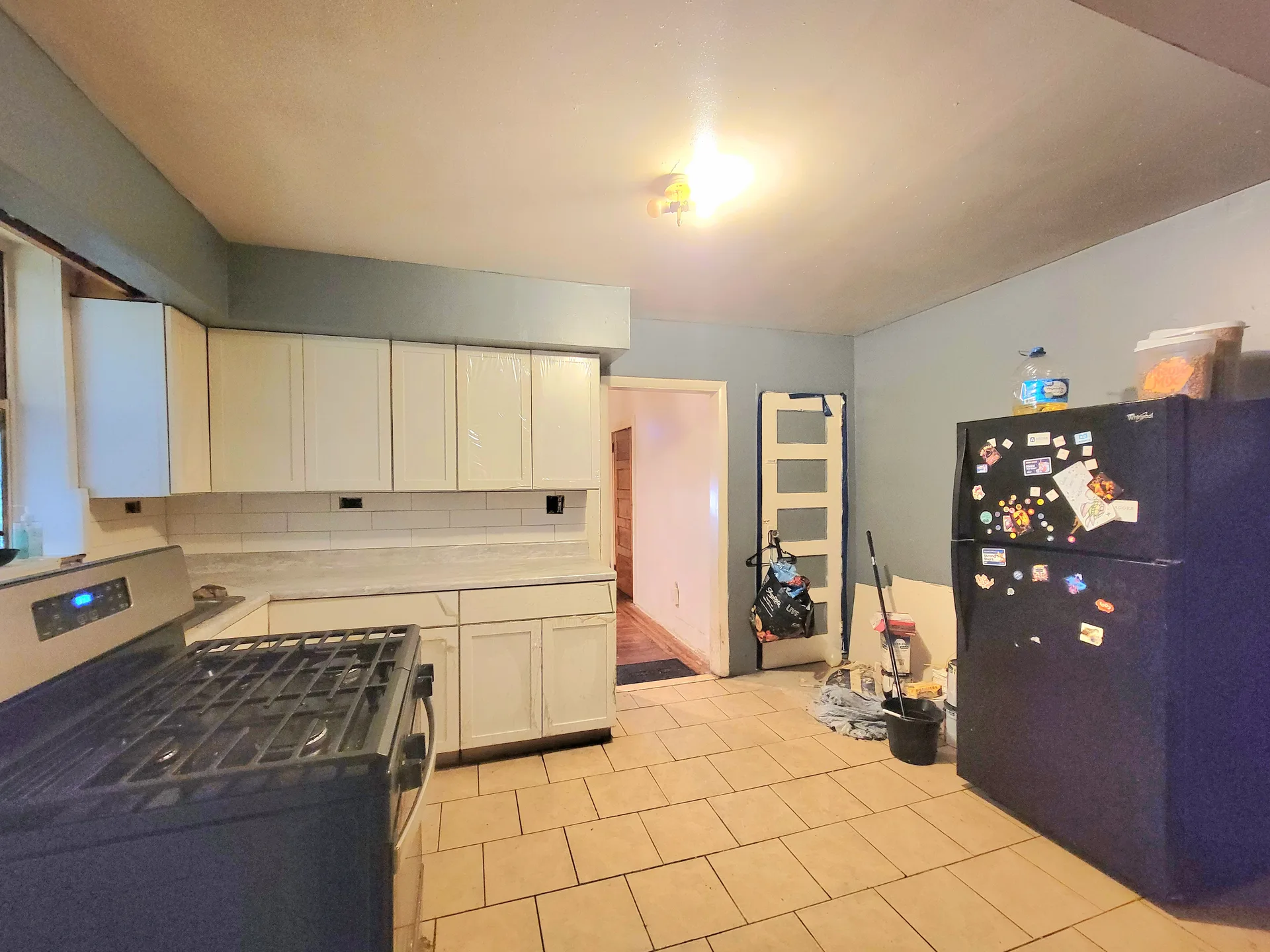
Kitchen interior in a Philadelphia row home with white cabinets, tile flooring, and blue walls, the practical space found in Parkwood's brick twins and rowhomes
Stop Foreclosure

How Many Missed Mortgage Payments Before Foreclosure on My Parkwood Home in Philadelphia?

There is no single set number, but in practice Pennsylvania lenders rarely file a foreclosure complaint until a homeowner has missed about three to six months of payments. The first missed payment starts a sequence of notices and warnings, not an immediate foreclosure, and in Parkwood that window is real time you can use.

If you live in Parkwood, the Far Northeast Philadelphia community also known as Parkwood Manor, and a payment just went unpaid, or you can see one coming that you cannot make, you are probably asking how much room you have. Parkwood, ZIP 19154, was built by the Korman organization in the late 1950s and early 1960s as a planned community of brick rows and twins, set east of Roosevelt Boulevard with Poquessing Creek as its eastern boundary and Northeast Philadelphia Airport a short drive away. The honest answer about missed payments is the same for every one of those homes: the process moves slower than the fear, and the earlier you act, the more control you keep.

How Many Missed Payments Before the Lender Takes Action?

Most lenders start with the softer steps first. Past-due notices typically go out after one to three months of missed payments, and the servicer may call or write asking you to catch up. Pennsylvania law adds a required step: before a lender can file a foreclosure complaint on an owner-occupied home, it must send an Act 6 and Act 91 notice at least 30 days ahead. In practice, lenders generally do not file the lawsuit until several months of payments have been missed, which is why the honest answer is usually around three to six months, sometimes longer while the lender works through loss mitigation.

What Happens After the First Missed Payment in Pennsylvania?

Pennsylvania is a judicial foreclosure state, which means every residential foreclosure runs through the Court of Common Pleas in Philadelphia. The lender files a civil complaint, you have a chance to respond, and the case moves through court steps before a sheriff sale can be scheduled at all. For owner-occupied Philadelphia homes, the court's Mortgage Foreclosure Diversion Program requires a conciliation conference before the sale moves forward, a meeting built around reaching an agreement instead of auctioning the house.

How Long Do I Have Before a Sheriff Sale in Philadelphia?

From the first missed payment to a sheriff sale, the process typically runs about six to eighteen months in Pennsylvania. Philadelphia County holds sheriff sales monthly, so once a sale is scheduled the date arrives faster than it feels. That timeline is the whole point of acting early: every month you wait is a month the options narrow.

Can I Stop Foreclosure by Catching Up on Payments?

Yes, in many cases. Pennsylvania law allows you to reinstate the loan by paying the arrears plus fees and costs, in many cases up to about an hour before the sale, and the right can be used up to three times in a calendar year. A loan modification can fold the missed payments into a new payment plan, and forbearance can pause payments during a short-term hardship. The catch is that the numbers have to work and the servicer has to agree, so the conversation should start before the case is deep in the courts.

What Should a Parkwood Homeowner Do After Missing Payments?

The first move is a phone call to your mortgage servicer, before the notices pile up. Independent help is free: the City of Philadelphia and Philadelphia Legal Assistance run the Save Your Home Philly Hotline at 215-334-4663 for homeowners facing foreclosure. Then get a straight answer on what your Parkwood or Parkwood Manor home is actually worth, because that number decides which route makes sense. If speaking with the lender is the best route, he guides you to coordinate with your lender. If the math points toward selling, a market sale before the sheriff sale protects your equity, and when the loan outweighs the home, a professionally negotiated short sale can end the foreclosure threat, with Andre working to try and secure a deficiency waiver so the lender does not come after you for the difference.

Where Can a Parkwood Homeowner Turn for the Full Plan?

The full plan for keeping your options open is laid out on the stop foreclosure help page for Parkwood. If selling before the sheriff sale makes sense, a short sale in Parkwood with the lender's approval can end the threat of foreclosure. If your home has already been through a listing that did not sell, the expired listing help for Parkwood page shows how a relaunch gets it sold. The full timeline, credit impacts, and lender negotiations are covered in the foreclosure and short sale guidance for Philadelphia, and the guide to selling your home before foreclosure in Philadelphia goes deeper on the sale route.

Andre Richardson has 26 years of experience in Philadelphia real estate, and he helps Parkwood and Parkwood Manor homeowners sort through these exact choices without judgment and without pressure. A missed payment is not the end of the road, but the road does narrow with every month. Call Andre at 267-977-0304 or book a free consult, and get a straight answer about your Parkwood home while you still have time. You can also reach Andre through the contact page. Every conversation is confidential, and there is no judgment, only solutions.
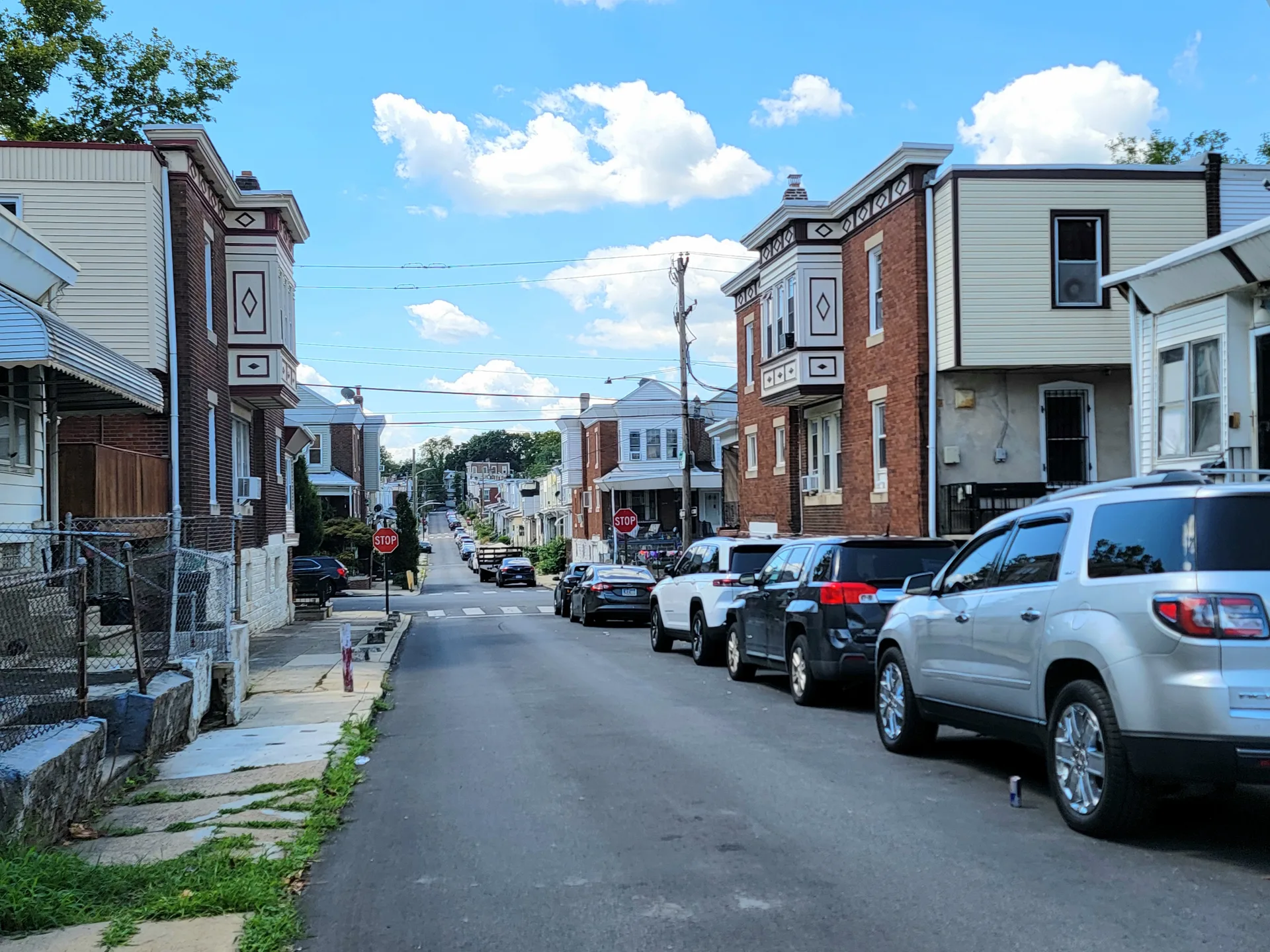
Residential street in the Far Northeast of Philadelphia lined with attached brick homes and siding row houses under a clear daytime sky, the housing character of Parkwood
Stop Foreclosure

Can I Go to Jail for Not Paying My Mortgage on My Parkwood Home in Philadelphia?

No. You cannot go to jail for failing to pay the mortgage on your Parkwood home. In Pennsylvania, mortgage debt is a civil matter, not a crime: the lender's remedy is foreclosure through the civil courts, never an arrest. If the fear of jail has been sitting in the back of your mind, you can set it down today.

If you live in Parkwood, the Far Northeast Philadelphia community also known as Parkwood Manor, and you have missed a mortgage payment or can see one coming that you cannot make, you may have heard that the bank will “come after you” or “have you arrested.” Neither is true for the mortgage itself. Parkwood, ZIP 19154, was built by the Korman organization in the late 1950s and early 1960s as a planned community of brick rows and twins, set east of Roosevelt Boulevard with Poquessing Creek as its eastern boundary and Northeast Philadelphia Airport a short drive away. The neighbors who keep those homes are the same hardworking people who now hold a notice in their hands, and the worry is understandable. The law is clear, though, and knowing it lets you focus on what actually matters: the home, the timeline, and your options.

Is Mortgage Debt a Civil or Criminal Matter in Pennsylvania?

Civil, completely. A mortgage is a contract, and Pennsylvania foreclosures are judicial, which means the process runs through the Court of Common Pleas: the lender files a civil complaint, the court follows its procedural steps, and only then can a sheriff sale be scheduled. No statute makes nonpayment of a mortgage a crime, and no one is arrested for it. Pennsylvania abolished imprisonment for debt generations ago, and today 42 Pa.C.S. §5108 states that a person may not be arrested in a civil action except for fines and penalties owed to the state, for contempt of court, or to prevent leaving the Commonwealth. A missed payment on a brick twin near Poquessing Creek simply does not fit those exceptions.

Why Do Some People Say You Can Go to Jail Over a Mortgage?

The idea usually comes from three separate things getting blurred together. First, history: people remember stories of debtor's prisons, but Pennsylvania abolished imprisonment for debt in the 1800s. Second, contempt of court: if a judge orders you to appear and you ignore that order, the court can hold you in contempt, and contempt can carry jail time. That is about disobeying the judge, not about owing the money, and it is avoided by showing up when ordered. Third, fraud: deliberately lying on a loan application, or running a foreclosure rescue scheme, is a crime, but that is deception, not financial hardship. Being unable to pay is never fraud on its own.

What Actually Happens If I Stop Paying on My Parkwood Home?

No jail cell, but a real timeline. Once payments stop, the lender can file foreclosure in the Court of Common Pleas. For owner-occupied homes in Philadelphia, the court's Mortgage Foreclosure Diversion Program requires a conciliation conference before a sheriff sale moves forward. If no agreement is reached there, the case proceeds to a sheriff sale, where the property is auctioned to satisfy the debt. The consequences are financial: equity can be lost, credit takes a hard hit, and a deficiency judgment remains possible in Pennsylvania. That is why acting early matters more than any other step.

What Should a Parkwood Homeowner Do First?

The first move is a phone call to your mortgage servicer before the notice gets any older. Independent help is free: the City of Philadelphia and Philadelphia Legal Assistance run the Save Your Home Philly Hotline at 215-334-4663 for homeowners facing foreclosure. Then get a straight answer on what your Parkwood or Parkwood Manor home is actually worth, because that number decides which route makes sense. If speaking with the lender is the best route, he guides you to coordinate with your lender. If the math points toward selling, a market sale before the sheriff sale protects your equity, and when the loan outweighs the home, a professionally negotiated short sale can end the foreclosure threat, with Andre working to try and secure a deficiency waiver so the lender does not come after you for the difference.

Where Can a Parkwood Homeowner Turn for the Full Plan?

The full plan for keeping your options open is laid out on the stop foreclosure help page for Parkwood. If selling before the sheriff sale makes sense, a short sale in Parkwood with the lender's approval can end the threat of foreclosure. If your home has already been through a listing that did not sell, the expired listing help for Parkwood page shows how a relaunch gets it sold. The full timeline, credit impacts, and lender negotiations are covered in the foreclosure and short sale guidance for Philadelphia, and the guide to selling your home before foreclosure in Philadelphia goes deeper on the sale route.

Andre Richardson has 26 years of experience in Philadelphia real estate, and he helps Parkwood and Parkwood Manor homeowners sort through these exact choices without judgment and without pressure. No one gets locked up for a missed mortgage payment, but a lot can be lost to silence and delay, so a straight conversation beats another anxious month. Call Andre at 267-977-0304 or book a free consult, and get a straight answer about your Parkwood home while you still have choices. You can also reach Andre through the contact page. Every conversation is confidential, and there is no judgment, only solutions.
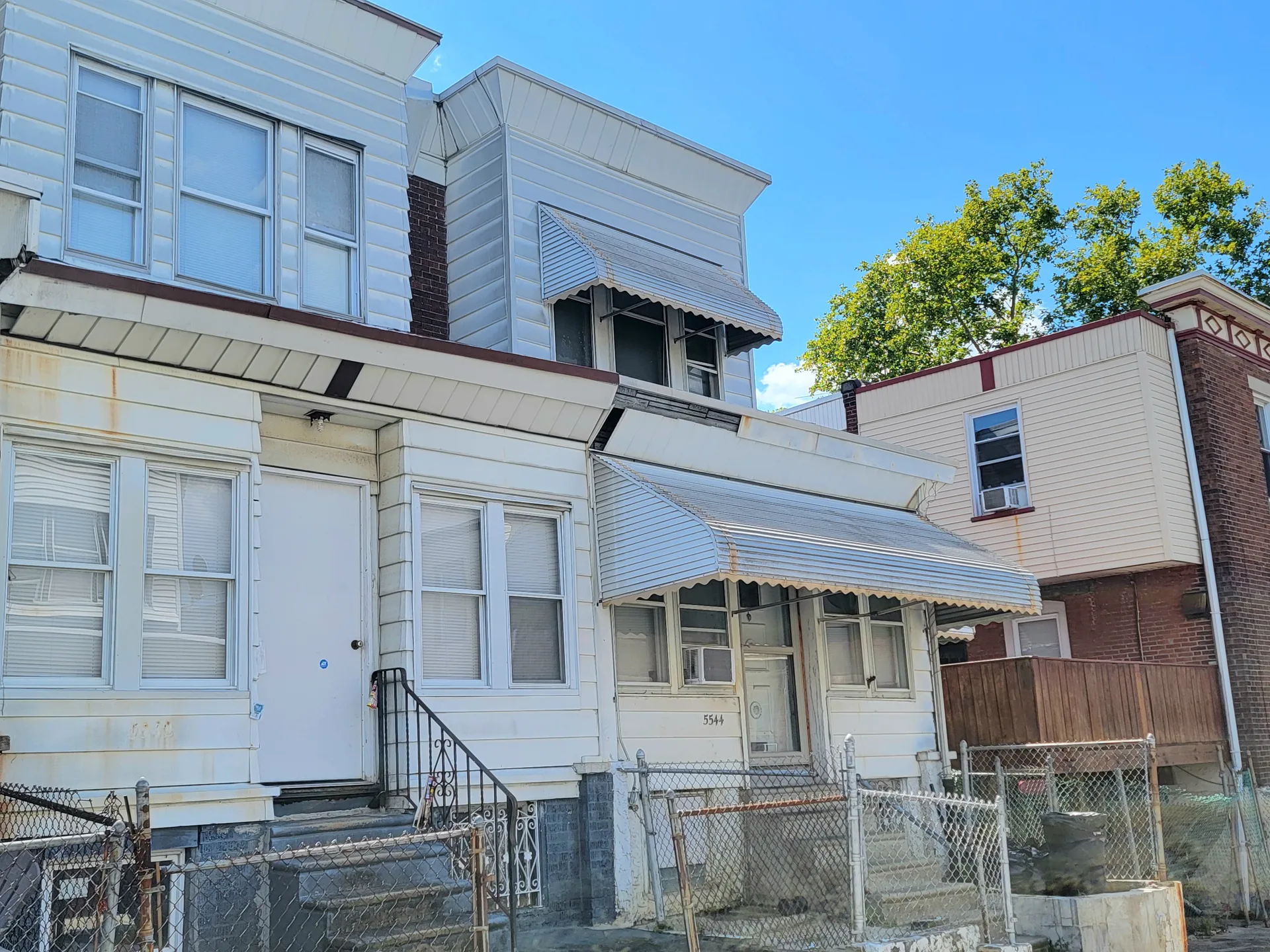
Exterior of a traditional row house in Northeast Philadelphia with vinyl siding over a brick foundation and metal window awnings, the attached housing style common across Parkwood
Stop Foreclosure

Can Mortgage Forbearance Pause My Payments and Stop a Foreclosure on My Parkwood Home in Philadelphia?

Yes, mortgage forbearance can pause your Parkwood mortgage payments for a set period with your lender's approval, and while an active forbearance is in place, the servicer is generally not moving ahead with foreclosure on that loan. Forbearance is not forgiveness, though. Every paused payment still comes due later, through a repayment plan, a loan modification, a deferral, or a lump sum.

If you live in Parkwood, the quiet Far Northeast community also known as Parkwood Manor, and you have just missed a mortgage payment, or you can see one coming that you cannot make, the first question most homeowners ask is whether they can simply pause. Mortgage forbearance is that lever. It is a written agreement with your mortgage servicer to temporarily pause your payments, or accept reduced payments, during a short-term hardship. Your brick twin or rowhome sits close to the airport and Poquessing Creek, in a community where the pace is calmer, and a pause can mean the difference between scrambling and having a real plan. Here is how it actually works in Philadelphia.

How Does Mortgage Forbearance Work in Pennsylvania?

Pennsylvania foreclosures are judicial, which means the process runs through the Court of Common Pleas before any sheriff sale can be scheduled. Forbearance is a loss mitigation option the Pennsylvania Housing Finance Agency lists among the ways to keep your home, and it is never automatic: you have to request it from your servicer and show the hardship. Once an active forbearance agreement is in place, the servicer generally does not proceed with foreclosure on that loan while the pause is running.

How Long Can Forbearance Pause My Payments?

A typical initial forbearance runs three to six months, and for federally backed loans the pause can be extended, in many cases up to 12 months when the hardship continues. How long you can get depends on your loan type, your servicer, and your situation. In Philadelphia there is another layer of protection: the Residential Mortgage Foreclosure Diversion Program requires a face-to-face conciliation conference for owner-occupied homes before a sheriff sale moves forward, and that is where agreements like a forbearance or a loan modification can pause the foreclosure process.

Do I Still Owe the Paused Payments After Forbearance Ends?

Yes. Forbearance delays the payments, it does not erase them. When the pause ends, the missed amount is collected through one of the options your servicer offers: a repayment plan that spreads the arrears over several months, a loan modification that folds the missed payments into the loan, a deferral that moves them to the end of the loan term, or in some cases a lump sum. Ask your servicer, in writing, which options are available to you before the pause ends, so the exit from forbearance is planned rather than surfaced at the last minute.

Does Forbearance Hurt My Credit?

A forbearance agreement itself is not reported as a foreclosure. But the missed payment that led to it can show up on your credit report as a late payment unless your servicer reports the account differently under the agreement, so it is worth asking exactly how your account will be reported during the pause. Either way, a forborne loan that ends current reads far better than a completed foreclosure, and it keeps the years of equity in your Parkwood home intact while the plan comes together.

What If a Pause Is Not Enough for My Parkwood Home?

Forbearance buys time, but a longer hardship needs a longer answer. If you cannot see a way back to the full payment when the pause ends, the real choice becomes a loan modification, a sale before the sheriff sale at market value, or a short sale with the lender's approval. Parkwood's brick twins and rowhomes hold steady buyer interest, and more than eight in ten households in the neighborhood own their homes, so the equity built here is real and can work for you in a sale. If speaking with the lender is the best route, he guides you to coordinate with your lender. For a short sale he works to try and secure a deficiency waiver so the lender does not come after you for the difference. Philadelphia also offers free foreclosure counseling through the Save Your Home Philly Hotline at 215-334-4663, a City of Philadelphia and Philadelphia Legal Assistance partnership, so no one sorts this out alone.

What Should a Parkwood Homeowner Do First?

Call your servicer today and ask for the forbearance options available on your loan, and put the request in writing if you can. Then compare what comes after the pause: working out the loan, selling on the open market, or a short sale. The full plan for keeping your options open is laid out on the stop foreclosure help page for Parkwood. If selling before the sheriff sale makes sense, a short sale in Parkwood with the lender's approval can end the threat of foreclosure. And if your home has already been through a listing that did not sell, the expired listing help for Parkwood page shows how a relaunch gets it sold. The full timeline, credit impacts, and lender negotiations are covered in the foreclosure and short sale guidance for Philadelphia.

Andre Richardson has 26 years of experience in Philadelphia real estate, and he helps Parkwood and Parkwood Manor homeowners sort through these exact choices without judgment and without pressure. For a deeper look at getting the home sold before the sheriff sale, read the guide to selling your home before foreclosure in Philadelphia. Call Andre at 267-977-0304 or book a free consult, and get a straight answer about your Parkwood home before the clock runs down. You can also reach Andre through the contact page. Every conversation is confidential, and there is no judgment, only solutions.

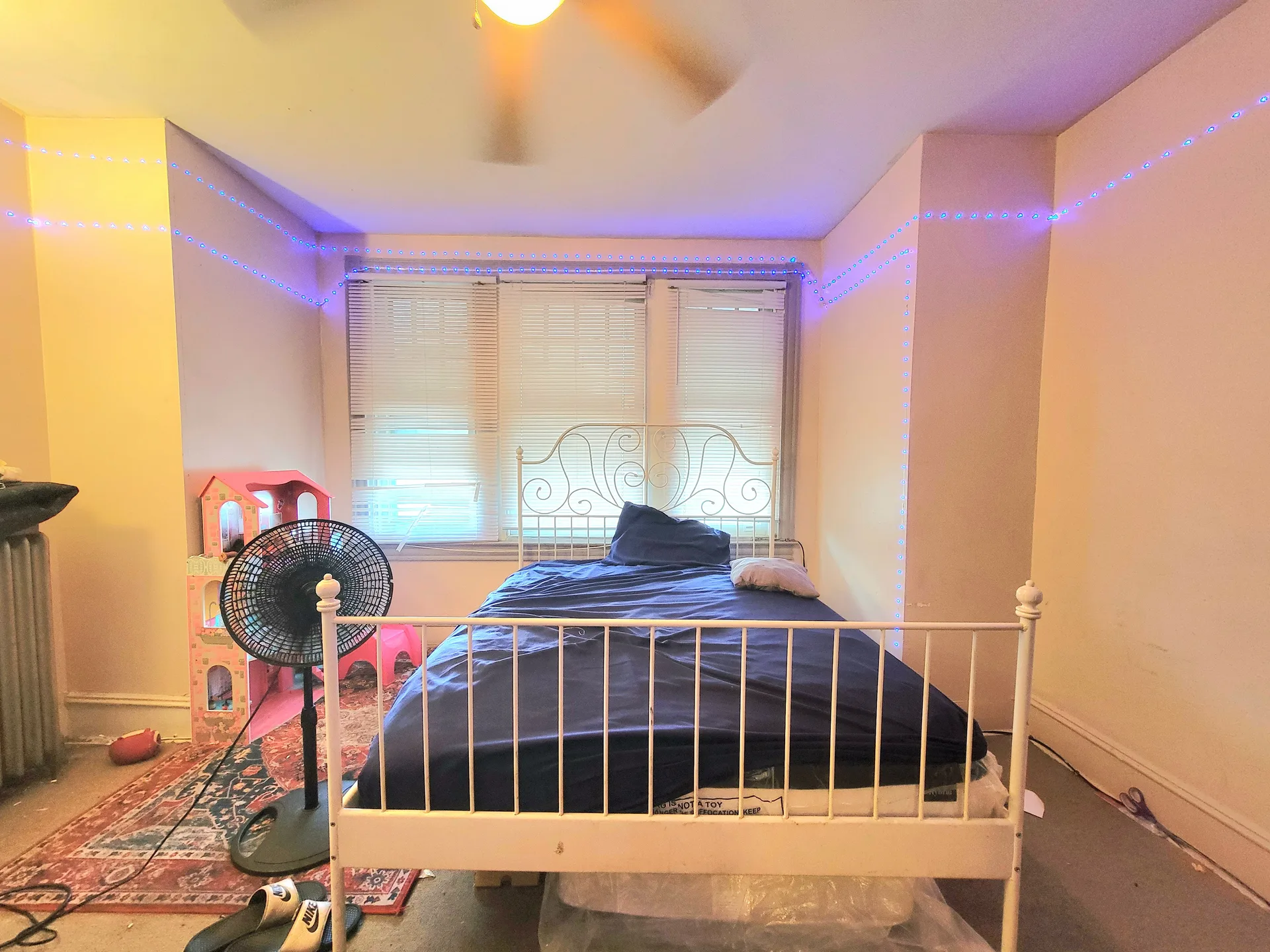
Bedroom interior with a white metal bed frame in a Philadelphia-area home
Stop Foreclosure

Can I Give My Parkwood Home Back to the Bank to Avoid Foreclosure in Philadelphia?

Yes, a deed in lieu of foreclosure can let you transfer your Parkwood home to the lender and end the foreclosure process, but only if the lender agrees to accept it. The deed is handed over, the mortgage is satisfied, and the lender takes the property instead of taking it through the Philadelphia sheriff sale. The catch is that the terms must be in writing before you sign, including whether the remaining balance is released and whether the foreclosure is fully dismissed.

If you live in Parkwood, the quiet Far Northeast community also known as Parkwood Manor, and you have fallen behind on your mortgage, you have likely asked yourself whether you can simply give the house back and walk away. It is a real option, and a common one. Lenders face the same courts and the same months-long timeline you do, so many prefer a clean deed transfer over a sheriff sale. But a deed in lieu is not automatic, and it is not the same as a sale. Here is how it actually works for Parkwood homeowners in Philadelphia.

What Is a Deed in Lieu of Foreclosure in Pennsylvania?

In a deed in lieu, you voluntarily transfer ownership of the home to your lender through a signed, notarized deed that gets recorded in the public records, and the lender agrees to accept the property in satisfaction of the mortgage and to discontinue the foreclosure. In Pennsylvania, where foreclosure is a judicial process that runs through the Court of Common Pleas, a deed in lieu can spare both sides the court fight and the sheriff sale. Parkwood's brick twins and rowhomes, developed in the late 1950s and early 1960s when the neighborhood was established as Parkwood Manor, hold steady value, which is why the option is worth exploring.

Does the Lender Have to Accept a Deed in Lieu?

No. A lender is not required to accept a deed in lieu, and many will only consider it after you have shown a good-faith effort to work out the loan, such as attempting a loan modification or a short sale. Lenders also typically want the title to be as clear as possible: a second mortgage, a tax lien, or another judgment can make them refuse. That is why the conversation should start early, before the case moves deep into the courts and before extra liens pile up. If speaking with the lender is the best route, he guides you to coordinate with your lender.

Will the Lender Still Come After Me for the Difference?

Pennsylvania is a recourse state, which means the unpaid balance does not automatically disappear. After a foreclosure, the lender has six months to file a separate deficiency judgment action for the shortfall. In a deed in lieu, the agreement itself decides the question: many lenders will include a release stating that the deed fully satisfies the loan, and that is the clause you want written into the document before you sign anything. Andre works to try and secure a deficiency waiver so the release is in writing, because a waiver only matters when it is part of the signed agreement.

How Much Does a Deed in Lieu Hurt My Credit?

A deed in lieu is reported to the credit bureaus, and it is a negative mark, but it generally reads as less damaging than a completed foreclosure because the account is settled through cooperation rather than an auction sale. The mark stays on your report for years either way, and that matters when you plan to buy again. A short sale with the lender's approval and a deed in lieu both end the foreclosure threat; a pre-foreclosure sale at market value protects the most, because it pays the loan in full and keeps equity in your pocket.

Is a Deed in Lieu the Right Choice for a Parkwood Home?

For a Parkwood homeowner, the math usually points in a clear direction before it points anywhere else. The neighborhood, with its rows of attached homes near Poquessing Creek and the commercial center at Byberry and Academy Roads, keeps steady buyer interest, and more than eight in ten households own their homes. That ownership built real equity. If your home is worth enough to cover the mortgage, selling on the open market before the sheriff sale is often the strongest path, because it keeps that equity. A deed in lieu makes the most sense when you do not want to market the home at all and the lender agrees to release you. A short sale sits in between: the lender approves a sale for less than you owe, and Andre works to try and secure a deficiency waiver as part of the deal.

What Should a Parkwood Homeowner Do First?

Start with a straight conversation about what the home is worth and what the mortgage balance is, then compare the routes: selling, a short sale, a deed in lieu, or working out the loan. Philadelphia also offers free foreclosure counseling through the Save Your Home Philly Hotline, run with Philadelphia Legal Assistance, so no one has to sort this out alone. The full plan for keeping your options open is laid out on the stop foreclosure help page for Parkwood. If selling before the sheriff sale makes sense, a short sale in Parkwood with the lender's approval can end the threat of foreclosure. If your home has already been through a listing that did not sell, the expired listing help for Parkwood page shows how a relaunch gets it sold. The full timeline, credit impacts, and lender negotiations are covered in the foreclosure and short sale guidance for Philadelphia.

Andre Richardson has 26 years of experience in Philadelphia real estate, and he helps Parkwood homeowners sort through these exact choices without judgment and without pressure. If speaking with the lender is the best route, he guides you to coordinate with your lender. Call Andre at 267-977-0304 or book a free consult, and get a straight answer about your Parkwood or Parkwood Manor home before the clock runs down. You can also reach Andre through the contact page. Every conversation is confidential, and there is no judgment, only solutions.

Your Parkwood home
is worth protecting.

Let's talk about your options, on your timeline.

Want to know what your home is worth? Get a real valuation of your home's value.

Licensed. Local. Legit.

Pennsylvania License RS349905 · New Jersey License 1969348
HomeSmart Realty Advisors

Experience. Strategy. Results.

267-977-0304

Need more room to move? Read the full foreclosure and short sale guidance for Philadelphia, see expired listing help in Parkwood if your home has already been through a listing that didn't sell, or contact Andre directly.