

Stop foreclosure help in East Oak Lane, Philadelphia with Andre Richardson, Realtor — the go-to agent for foreclosure help in East Oak Lane
Stop Foreclosure

Foreclosure Help
in East Oak Lane

You have more options than you think.

East Oak Lane is a neighborhood of established brick and stone homes on dignified, tree-lined streets, where homeowners have put down deep community roots over many years. For most East Oak Lane homeowners, the house is the largest asset they own, and the equity built through decades of ownership is real and substantial. I'm Andre Richardson, and for 26 years I've been involved with Philadelphia real estate. Facing foreclosure doesn't mean your story is over. It means it's time to look at your options, and the earlier you do, the more choices you have.

26 Years
Real Estate Experience
5.0
Rating from 27 Reviews
AI
Powered Marketing
PA & NJ
Licensed
01
Why It Matters

Why Acting Early Matters
in East Oak Lane

East Oak Lane is a neighborhood of established brick and stone homes on dignified streets, where homeowners have deep roots in the community and the pride that comes with them. For most East Oak Lane homeowners, the house is the largest asset they own, and years of ownership have built equity that is very real. When a mortgage becomes hard to keep up with, that equity is exactly what makes acting early matter.

  • The earlier you act, the more options you have: a repayment plan, forbearance, a loan modification, a short sale, or a sale at full market value
  • East Oak Lane's established homes and community character keep a committed pool of buyers, which works in your favor when you need to sell on a timeline
  • Time protects equity: every month spent waiting narrows the gap between what you owe and what your home is worth
  • Solutions like a loan modification are far easier to secure before the process moves deep into the courts

Foreclosure in Pennsylvania is a judicial process, which means it moves in stages and there is a path forward at every stage. The mistake homeowners make is waiting to find it. The homeowners who call early keep control of the outcome, and in East Oak Lane, where deep community roots built the equity, early action is how that equity gets protected.


02
Your Options

Options Beyond Foreclosure,
with Someone on Your Side

You have more options than you think. Each path below is a real, workable route, and every one of them goes better with Andre Richardson leading the way. He listens to your situation first, then builds the plan around your lender and your timeline.

Working with your lender

Before anything else, there may be room to work directly with your mortgage servicer: a repayment plan to catch up on missed payments, a forbearance that pauses payments for a set period, or a reinstatement agreement. Andre reviews your specific situation, and if speaking with your lender is the best route, he guides you to coordinate with your lender.

A loan modification

A loan modification rewrites the terms of your mortgage so the payment fits your current income, through a lower rate, a longer term, or added arrears. Modifications are far more attainable early in the process, and Andre will point you to talk with your lender.

A professionally guided short sale

If you owe more than the home can sell for, a short sale lets you sell with the lender's approval and walk away from the threat of foreclosure. Andre manages the entire negotiation for you, from the loss mitigation department to the paperwork, and works to try and secure a deficiency waiver so the lender does not come after you for the difference.

Selling before foreclosure

If your East Oak Lane home holds equity, selling on the open market before the sheriff sale is often the strongest path. You capture the value your home has built, pay off the mortgage, protect your credit, and close the chapter on your terms, with Andre's aggressive AI-infused marketing working towards getting your home sold.

These paths are explained step by step in the full foreclosure and short sale guidance for Philadelphia, covering timelines, credit impacts, and lender negotiations. If the mortgage weighs more than the home can carry, the short sale guidance in East Oak Lane page walks through selling for less than you owe with the lender's approval. And if your home has already been through a listing that did not sell, the expired listing help in East Oak Lane page shows how a relaunch gets it sold. You do not have to choose a path alone.


03
The Agent

Why Sellers Trust Andre

By the time East Oak Lane homeowners facing foreclosure find me, many have been carrying the weight of the situation alone for months, and some have watched a previous listing fail. I bring 26 years of Philadelphia and South Jersey experience, active PA and New Jersey licenses, and a targeted marketing plan that gets homes sold. Every conversation is confidential, and there is no judgment, only solutions.

“Andre was very professional and knowledgeable, a definite credit to the profession. I would not hesitate to refer him to any of my friends or family for his real estate services. Andre did not hesitate to go above and beyond to make things happen. Job well done for me thank you Andre!”

— Stella Thompson, 5-star review

See how the sell my house process works or read the client reviews from sellers who started right where you are.


04
Answers

Questions East Oak Lane Homeowners
Facing Foreclosure Ask

Can I sell my East Oak Lane home after receiving a foreclosure notice?

Yes. You can sell at any point before the sheriff sale, and in East Oak Lane, where brick and stone homes hold the equity of long ownership, selling before foreclosure is often the strongest path. A sale at or near market value lets you pay off the mortgage, keep what equity remains, and protect your credit. The key is starting now, because the timeline moves faster than most homeowners expect.

How long do I have before a sheriff sale in Pennsylvania?

The foreclosure process in Pennsylvania typically runs six to twelve months from the first missed payment to the sheriff sale, and federal law requires a 120-day waiting period before a lender can even begin formal proceedings. Philadelphia's Mortgage Foreclosure Diversion Program, which requires a conciliation conference, can extend that window. For East Oak Lane homeowners, that window is a chance to move on your own terms.

I owe less than my East Oak Lane home is worth. Can I still sell before foreclosure?

Yes, and that is the strongest position to be in. East Oak Lane's brick and stone homes have held their value through the decades, and if you can sell for enough to satisfy the mortgage, a traditional pre-foreclosure sale preserves that equity and keeps the credit impact minimal. The earlier you list, the more time you have to capture the full value East Oak Lane buyers are willing to pay.

Will a short sale protect me from the lender coming after the difference?

Pennsylvania is a recourse state, which means a deficiency judgment is possible after a foreclosure or a short sale unless it is waived. That is why the short sale agreement should include a deficiency waiver, a written provision that the lender will not pursue you for the remaining balance. Andre negotiates for that protection in every short sale he manages. A short sale also impacts credit far less than a completed foreclosure, and you can qualify for a new mortgage years sooner.

What happens if I do nothing?

If nothing changes, the process continues through the courts to a sheriff sale, where the property is sold at auction either to a private buyer or to the lender. You lose the equity in the home, your credit takes its hardest hit, and a deficiency judgment remains possible in Pennsylvania. That outcome is almost always avoidable, and the homeowners who call early keep the most control over how their story ends.

05
From the Blog

East Oak Lane Foreclosure
Advice

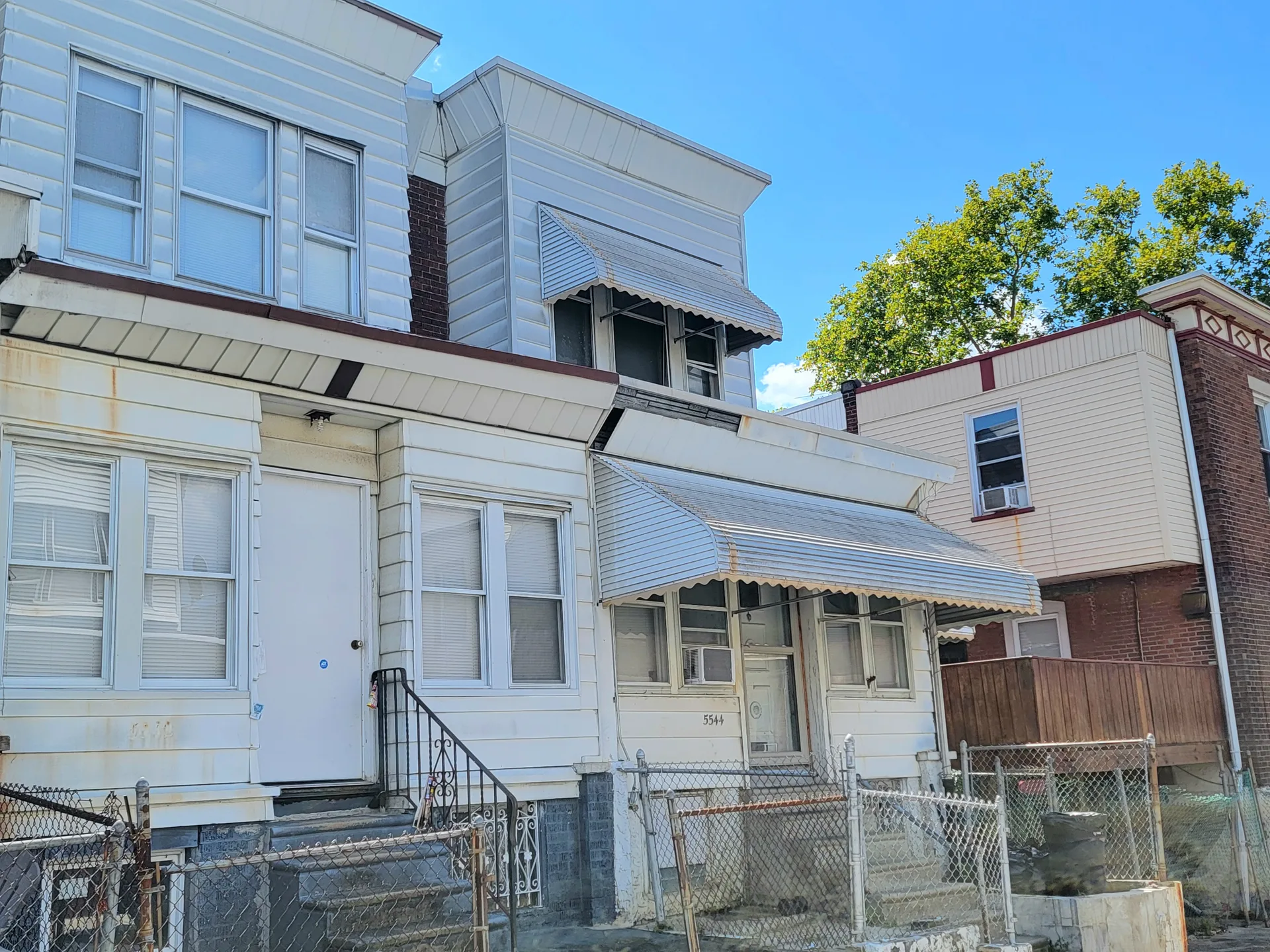
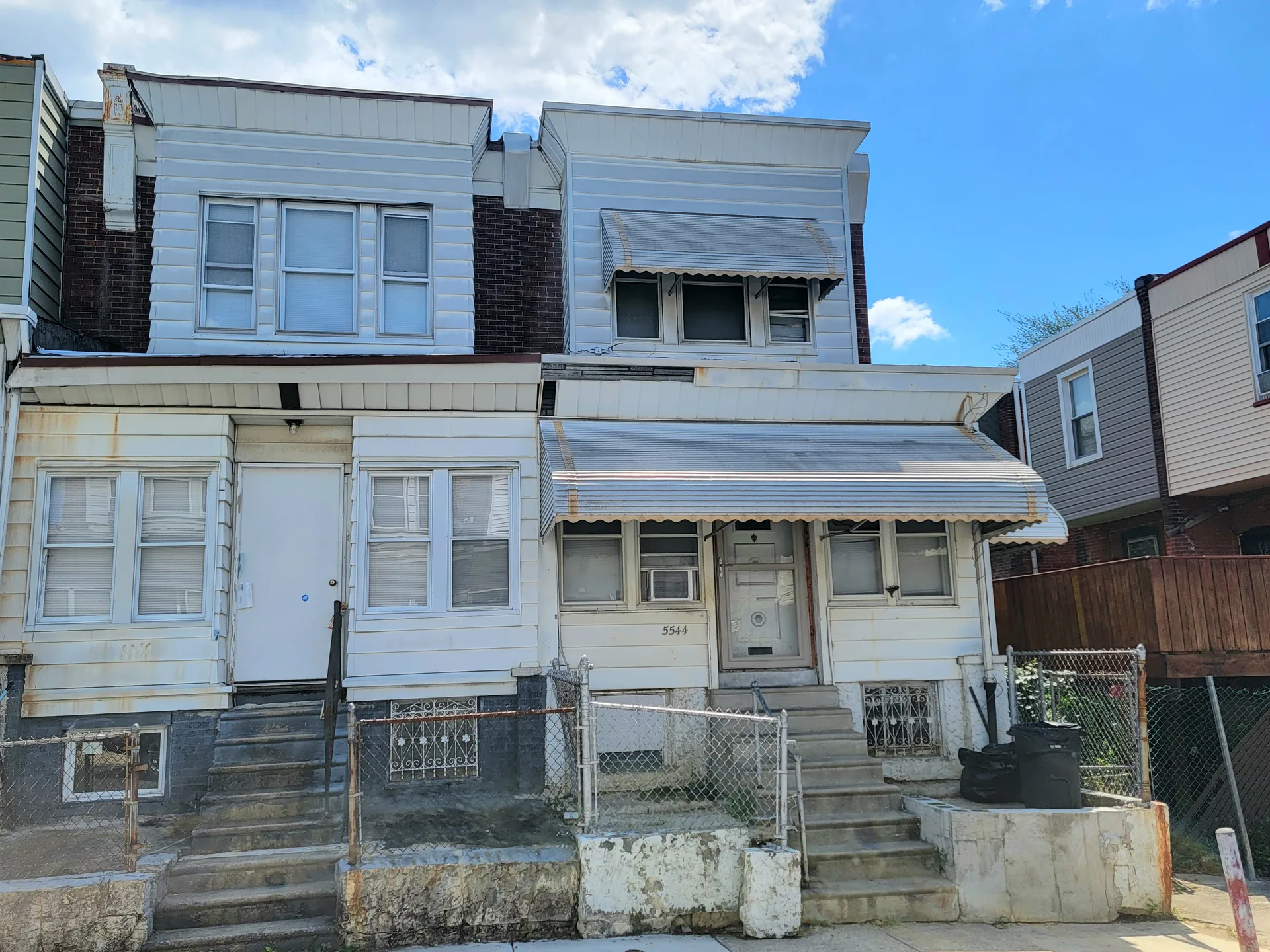
Single-family row house with vinyl siding and a brick foundation on an East Oak Lane, Philadelphia block
Stop Foreclosure

Can a Private Lender or Hard Money Lender Foreclose on My East Oak Lane Home in Philadelphia?

Yes. In Pennsylvania, a private lender or hard money lender has the same legal path as a bank: it must file a lawsuit in the Philadelphia Court of Common Pleas, win a judgment, and then sell your East Oak Lane home at a sheriff sale. There is no power-of-sale foreclosure in Pennsylvania, so a private lender cannot simply take the property, but the type of loan can change how much notice and protection you receive along the way.

East Oak Lane is the northern Philadelphia neighborhood of stone and brick twins and large single-family homes on tree-lined streets between Cheltenham Avenue and Godfrey Avenue, just east of Broad Street, near the Oak Lane Library. Some East Oak Lane homes are financed with a private mortgage, a family loan, or a hard money loan instead of a traditional bank mortgage, and when payments fall behind, it is natural to wonder whether the same rules apply. They do, with a few differences worth knowing.

Does a Private Lender Have to Sue to Foreclose on My East Oak Lane Home?

Yes. Pennsylvania is a judicial foreclosure state, which means every mortgage holder, including a private lender and a hard money lender, must go through the courts to take a home. The lender files a mortgage foreclosure complaint in the Philadelphia Court of Common Pleas, and if it wins a judgment, the property can be scheduled for a Philadelphia sheriff sale. There is no non-judicial foreclosure in Pennsylvania, so a private lender cannot force you out or seize the property without a court case.

Do I Get the Same Notices and Protections as with a Bank Foreclosure?

It depends on the loan and the property, not just the lender. Pennsylvania's Act 91 notice of intention to foreclose, with its window to apply for state mortgage assistance, generally applies to one- and two-family owner-occupied principal residences. Hard money loans are often business-purpose loans on investment, rental, or fix-and-flip properties, and those may fall outside the notice and counseling requirements that protect an owner-occupied home. Federal protections such as the 120-day waiting period typically apply to covered servicers of residential mortgage loans, and a private note holder on a business-purpose loan may not be one. The practical difference: your loan documents and the property type decide which notices apply, so check both early.

Can a Hard Money Loan Make the Foreclosure Move Faster?

Some hard money loan documents include a confession of judgment or waiver clauses, and those terms can affect how the case moves once it is filed. A confession of judgment can let the lender obtain a judgment more quickly, which shortens the time you have before a sheriff sale can be scheduled. The sale still has to run through the courts, but your room to work may be smaller, which makes acting early more important.

Can I Still Sell My East Oak Lane Home or Do a Short Sale If a Private Lender Is Foreclosing?

Yes. You can sell at any point before the sheriff sale, and a traditional sale at or near market value lets you pay off the private loan and keep what equity remains. If the loan is more than the home can sell for, a short sale with the lender's written approval can end the threat of foreclosure, and the payoff, the price, and the timeline all have to line up before the sale date.

What Happens If the Sale Doesn't Cover the Private Loan?

Pennsylvania is a recourse state, so a private lender can pursue a deficiency judgment for the unpaid balance after the sale, typically within six months under the Deficiency Judgment Act. A sale that covers the full payoff, or a short sale agreement with a deficiency waiver, protects you from that second collection. Either way, the decision is easier to make when you know the number.

If a private lender is foreclosing on your East Oak Lane home, start by pulling the loan documents and learning which notices apply, then ask the lender for the exact payoff amount and the sheriff sale date. If speaking with the lender is the best route, he guides you to coordinate with your lender.

You do not have to carry this alone. Andre Richardson has 26 years of experience in Philadelphia real estate, and he helps East Oak Lane homeowners sort through these exact choices. The full plan for keeping your options open is laid out on the stop foreclosure help page for East Oak Lane. If selling before the sale date makes sense, a short sale in East Oak Lane with the lender's approval can end the threat of foreclosure, and he works to try and secure a deficiency waiver so the lender does not come after you for the difference. And if your home has already been through a listing that did not sell, the expired listing help for East Oak Lane page shows how a relaunch gets it sold. The full timeline, credit impacts, and lender negotiations are covered in the foreclosure and short sale guidance for Philadelphia, and the protections most homeowners never hear about are listed in six legal protections for Philadelphia homeowners facing foreclosure. Call Andre at 267-977-0304 or book a free consult, and get a straight answer about your loan, your payoff, and your East Oak Lane home. Every conversation is confidential, and there is no judgment, only solutions.
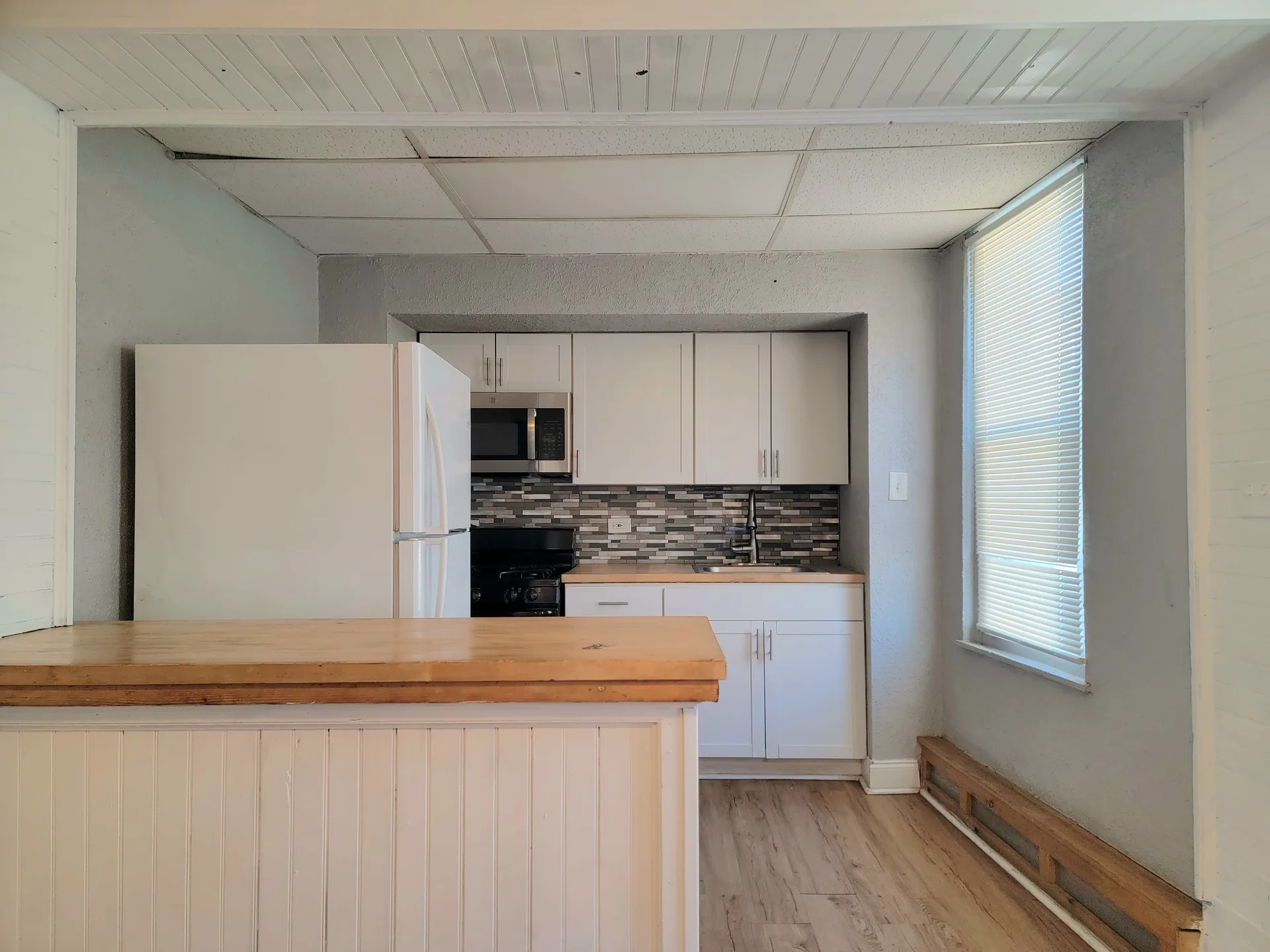
Kitchen with white cabinets and a peninsula counter in an East Oak Lane, Philadelphia home
Stop Foreclosure

Can the City of Philadelphia Sell My East Oak Lane Home at a Sheriff Sale for Unpaid Water and Sewer Bills?

Yes. Under Pennsylvania's Municipal Lien Law, unpaid water and sewer bills become a lien on your East Oak Lane home, and the City of Philadelphia can use a sheriff sale to collect delinquent water and sewer accounts, the same enforcement tool it uses for back property taxes. The City's first move is a payment plan, and an income-based plan like the Tiered Assistance Program can keep your East Oak Lane home off the sale list.

East Oak Lane is the northern Philadelphia neighborhood of stone and brick twins and large single-family homes on tree-lined streets between Cheltenham Avenue and Godfrey Avenue, just east of Broad Street, near the Oak Lane Library. Many homeowners here have owned for decades, and a house that has been in the family that long can carry bills in more than one place: the mortgage, the property taxes, and the water and sewer account. When the water bill falls behind and the mortgage falls behind at the same time, it is easy to assume they are one problem. They are not, and each one needs its own answer.

Can the City Really Sell My East Oak Lane Home for a Water Bill in Philadelphia?

Yes. Philadelphia places a lien on the property for unpaid water and sewer charges under the Municipal Lien Law, and the City Controller and the Department of Revenue both describe sheriff sales as a collection tool for delinquent water and sewer accounts. The City does not jump straight to a sale: accounts move through collections first, and homeowners are pointed toward payment plans and assistance programs. But if the bill stays unpaid, the lien can be collected through the same sheriff sale process a mortgage lender uses, which is why a water bill needs its own answer and its own timeline.

How Is a Water Lien Different from a Mortgage Foreclosure on My East Oak Lane Home?

They are two separate claims that can end at the same place. A mortgage foreclosure is a court case the lender files in the Philadelphia Court of Common Pleas over the loan. A water lien is a City claim over unpaid utility charges. Paying the mortgage does not clear the water bill, and city water and sewer claims are senior municipal liens that are paid first out of any sale proceeds. Stopping one claim does not stop the other, so the water account cannot be ignored while the mortgage gets handled.

What Payment Plans Does the City Offer for Back Water and Sewer Bills?

The Philadelphia Water Revenue Bureau offers a residential payment agreement with a 25% down payment, then the balance is paid over 6 to 12 months. A payment agreement can be set up a maximum of two times for the same unpaid amount. For income-qualified households, low-income payment agreements extend the time to pay the full amount owed. You can start by calling 215-685-6300.

What Is the Tiered Assistance Program (TAP) for Philadelphia Water Bills?

TAP sets an affordable monthly water bill based on income, and it includes arrearage forgiveness: after 24 months of on-time payments, penalties are forgiven, and older arrears are eliminated over time. A single application covers the income-based programs, and households that do not qualify may still be eligible for other grants and benefits. Seniors can also ask about the senior citizen discount, and one-time emergency grants may be available through the state or partner organizations.

What Should I Do First If I Owe the Water Bill and the Mortgage?

Start with the water bill, because the payment plans are the most affordable fix. Get an agreement in place with the Water Revenue Bureau, then turn to the mortgage. If your East Oak Lane home can sell for more than the loan, a sale before the sheriff sale can pay off the mortgage and settle the water lien from the proceeds. If the numbers fall short of the mortgage, a short sale with the lender's approval can end the threat of foreclosure. If speaking with the lender is the best route, he guides you to coordinate with your lender.

Owing the city and the bank at the same time feels overwhelming, but each bill has a known path, and the first call is the one that matters. Andre Richardson has 26 years of experience in Philadelphia real estate, and he helps East Oak Lane homeowners sort out which step comes first. The full set of choices is laid out on the stop foreclosure help page for East Oak Lane. If the numbers come up short of the mortgage, a short sale in East Oak Lane with the lender's approval can end the threat of foreclosure, and he works to try and secure a deficiency waiver so the lender does not come after you for the difference. If your home has already been through a listing that did not sell, the expired listing help for East Oak Lane page shows how a relaunch gets it sold. The full timeline, credit impacts, and lender negotiations are covered in the foreclosure and short sale guidance for Philadelphia, and how liens are handled when the sale comes up short is explained in what happens to liens in a Pennsylvania short sale. Call Andre at 267-977-0304 or book a free consult, and get a straight answer about your water bills, your mortgage, and your East Oak Lane home. Every conversation is confidential, and there is no judgment, only solutions.
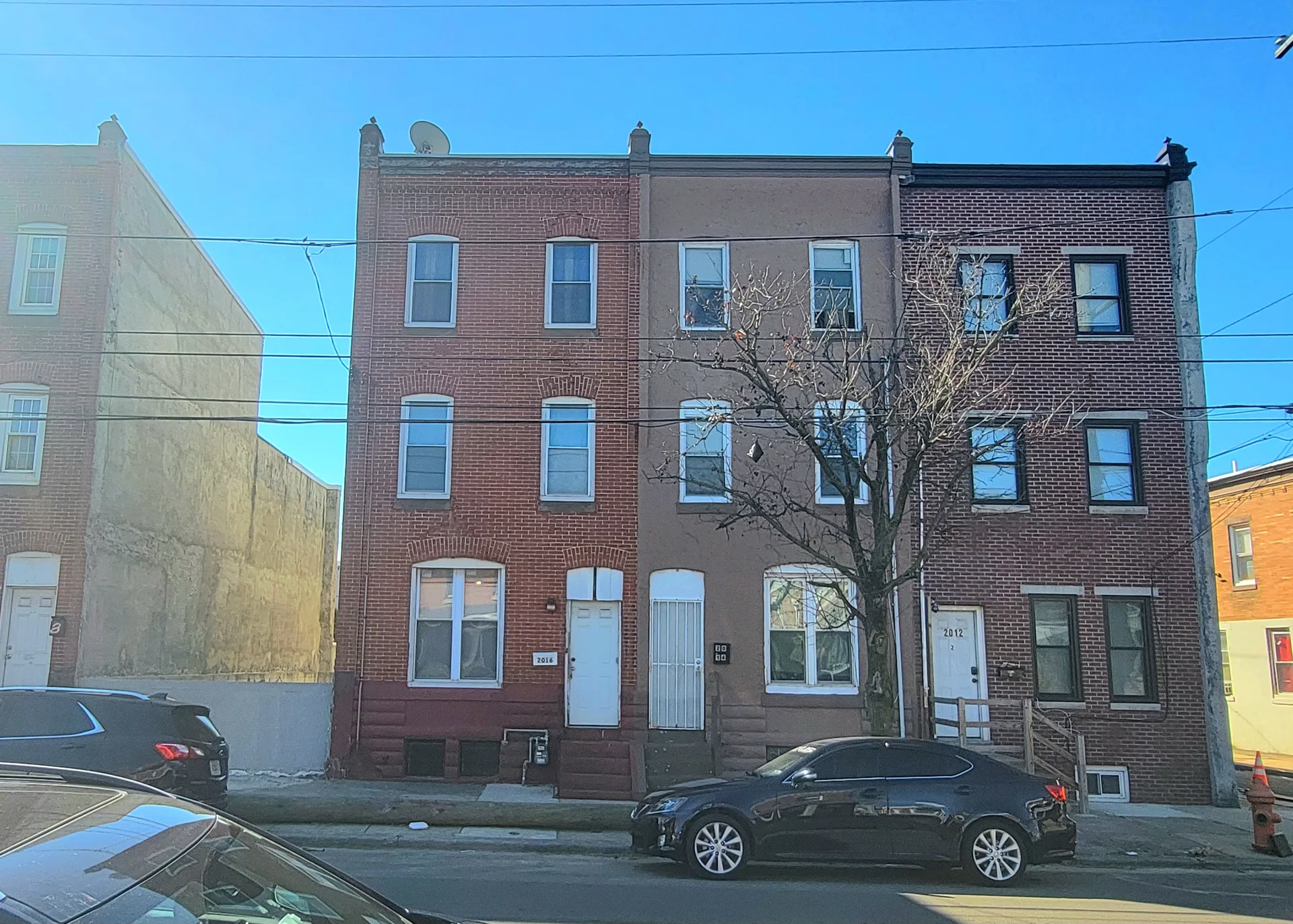
Three adjacent brick and stucco row homes on a residential block in East Oak Lane, Philadelphia
Stop Foreclosure

Can the City of Philadelphia Take My East Oak Lane Home for Back Property Taxes While the Bank Is Also Foreclosing?

Yes. The City of Philadelphia can pursue a tax foreclosure on your East Oak Lane home for unpaid real estate taxes even while your lender is separately foreclosing on the mortgage, because the two are independent claims. The home can only be sold once, but either creditor can force a sheriff sale on its own, which is why an unpaid tax bill needs its own answer, not just the mortgage problem.

East Oak Lane is the northern Philadelphia neighborhood of stone and brick twins and large single-family homes on tree-lined streets between Cheltenham Avenue and Godfrey Avenue, just east of Broad Street, near the Oak Lane Library. Many homeowners here have owned for decades, and a house that has been in the family that long can carry more than one financial burden: the mortgage, the real estate taxes, and sometimes a city water bill. When payments fall behind on both fronts at once, it is easy to think the city and the bank are the same problem. They are not, and that distinction is exactly what opens the door to a workable plan.

How Does the City's Tax Foreclosure Differ from the Bank's Mortgage Foreclosure?

They are separate cases with the same end point. If real estate taxes stay unpaid, the City of Philadelphia can file a tax foreclosure action in the Philadelphia Court of Common Pleas, and if it wins, the home can be sold at a sheriff sale to collect the back taxes. The bank's mortgage foreclosure runs through the same court and the same sheriff's office, but it is a different proceeding started by the lender. In practice, an East Oak Lane homeowner can face a lender's sheriff sale and a city tax sale on different calendars, and stopping one does not stop the other.

What Is an OOPA, and Can It Stop the City's Tax Sale on My East Oak Lane Home?

OOPA stands for Owner-Occupied Payment Agreement, an income-based payment plan from the Philadelphia Department of Revenue for homeowners who live in their property and owe back property taxes. There is no down payment, and the monthly payment is set from your family size, your household income, and your expenses. Payments generally run from 0% to 10% of household income, and some low-income and senior households qualify for $0 a month. The agreement can waive up to 100% of the interest and penalties on the debt. As long as you enroll and keep the agreement current, the City stops its foreclosure process and your East Oak Lane home is not sold at its sheriff sale. New property taxes have to be paid when due to stay in good standing.

If I Sign an OOPA, Does It Stop the Bank's Mortgage Foreclosure Too?

No. An OOPA protects the home from the City's tax foreclosure only. It does not stop a mortgage foreclosure, so if the lender is also pursuing the loan, the mortgage has to be handled on its own track: loss mitigation with the servicer, the Mortgage Foreclosure Diversion Program's conciliation conference, or a sale that closes before the sheriff sale date. The two fights are separate, and the plan has to cover both.

What Should I Do First If I Owe Both the Mortgage and the Property Taxes?

Start with the tax bill, because the OOPA payment plan is the most affordable fix. Call the Philadelphia Department of Revenue or a housing counselor, get the agreement in place, and then turn to the mortgage. If the home can sell for more than the loan, a traditional sale before the sheriff sale can pay off the bank and clear the taxes from the proceeds. If the numbers fall short of the mortgage, a short sale with the lender's approval can end the threat of foreclosure. Free housing counseling through the city's Save Your Home Philly program can help with both sides at once. If speaking with the lender is the best route, he guides you to coordinate with your lender.

Facing the city and the bank at the same time feels overwhelming, but each problem has a known path, and the first call is the one that matters. Andre Richardson has 26 years of experience in Philadelphia real estate, and he helps East Oak Lane homeowners sort out which step comes first. The full set of choices is laid out on the stop foreclosure help page for East Oak Lane. If the numbers come up short of the mortgage, a short sale in East Oak Lane with the lender's approval can end the threat of foreclosure, and he works to try and secure a deficiency waiver so the lender does not come after you for the difference. If your home has already been through a listing that did not sell, the expired listing help for East Oak Lane page shows how a relaunch gets it sold. The full timeline, credit impacts, and lender negotiations are covered in the foreclosure and short sale guidance for Philadelphia, and the protections most homeowners never hear about are listed in six legal protections for Philadelphia homeowners facing foreclosure. Call Andre at 267-977-0304 or book a free consult, and get a straight answer about your taxes, your mortgage, and your East Oak Lane home. Every conversation is confidential, and there is no judgment, only solutions.
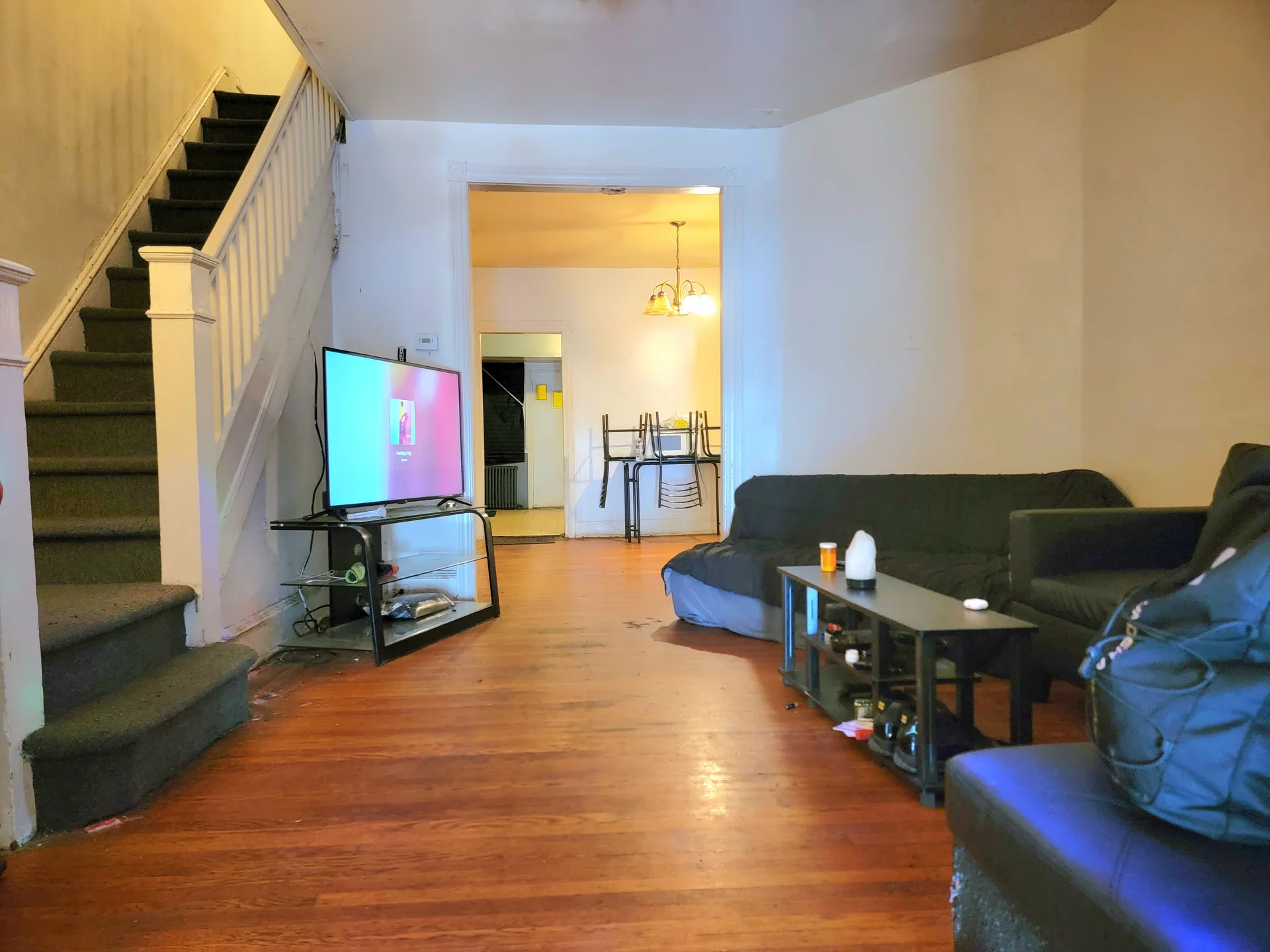
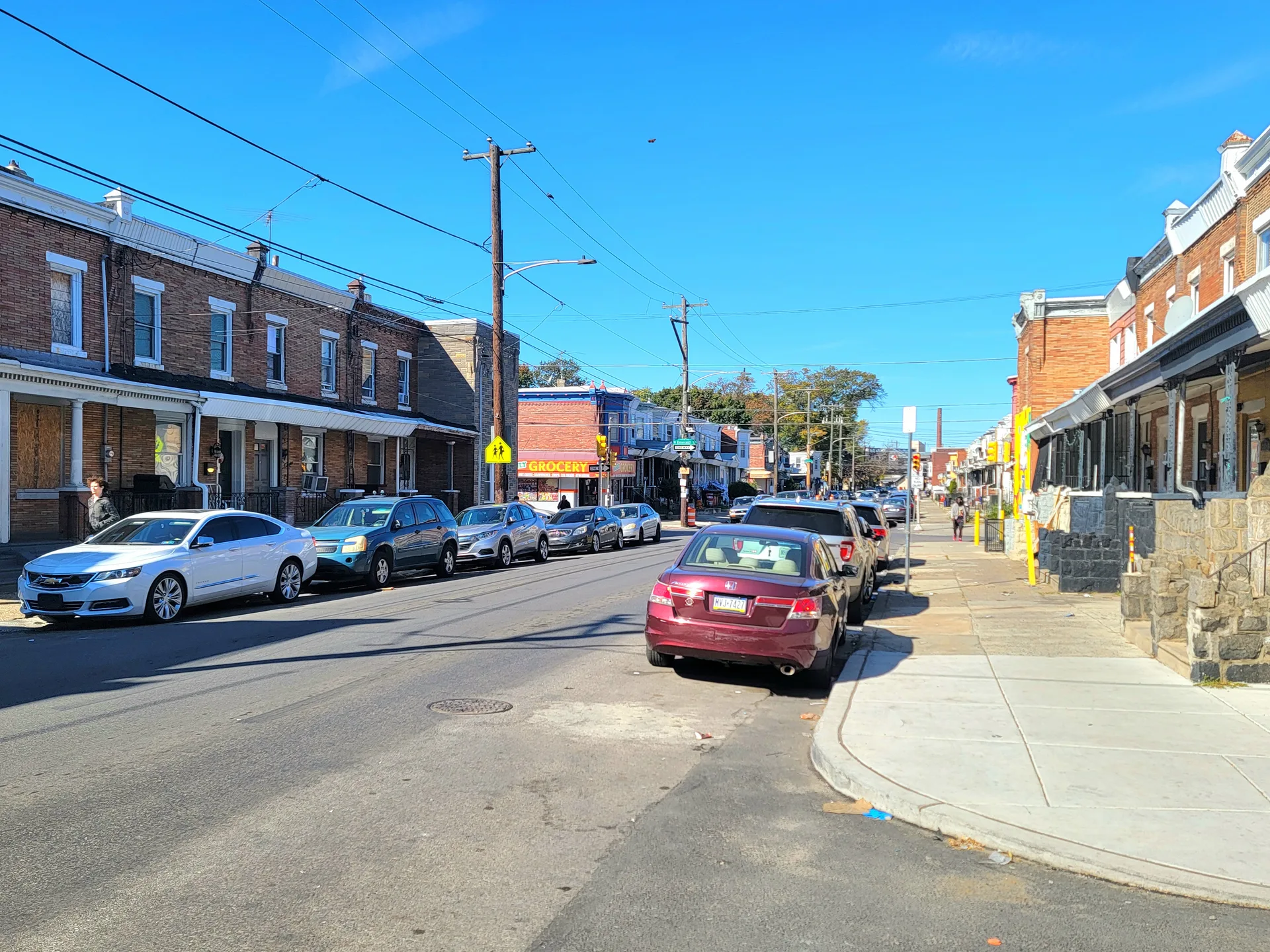
Residential street lined with brick homes and front porches in East Oak Lane, Philadelphia
Stop Foreclosure

What Is the Difference Between a Loan Modification, a Forbearance, and a Repayment Plan for My East Oak Lane Home in Philadelphia?

A loan modification permanently changes the terms of your East Oak Lane mortgage so the payment fits your budget, a forbearance temporarily pauses or lowers your payments while you recover from a short-term hardship, and a repayment plan spreads your missed payments across future months so you catch up. All three are loss mitigation options you set up through your mortgage servicer, and in Pennsylvania each one can hold a foreclosure in place while it is in force, buying time before any Philadelphia sheriff sale.

When your East Oak Lane mortgage falls behind, the letters from your servicer list several options, and the names can blur together. East Oak Lane is the northern Philadelphia neighborhood of stone and brick twins and large single-family homes on tree-lined streets between Cheltenham Avenue and Godfrey Avenue, just east of Broad Street, and many homeowners here have owned for years, so the mortgage decision carries real weight. The short version is that all three options exist to keep a foreclosure from moving forward, but they work differently, and the right one depends on whether your hardship is temporary or long term.

What Is a Loan Modification, and How Does It Work?

A loan modification is a permanent change to one or more terms of your mortgage, arranged with your servicer. The servicer may lower your interest rate, extend the length of the loan, or add some or all of the missed payments to the balance, all with the goal of making the payment manageable over the long run. The Federal Trade Commission describes a loan modification as a permanent change to one or more terms of the mortgage contract so that your payments are more manageable. It often starts with a trial period of a few months of on-time payments, and if you complete it, the change becomes permanent. Ask about a modification when the hardship is not going away, such as a permanent drop in income.

What Is a Mortgage Forbearance, and How Long Does It Last?

A forbearance is a temporary agreement to pause or reduce your mortgage payments, typically for a few months up to a year, while you deal with a short-term hardship such as a medical bill, a repair emergency, or a job loss. The Consumer Financial Protection Bureau is clear that forbearance does not erase or reduce what you owe. The missed payments still have to be repaid when the forbearance ends, and interest may keep accruing. When it ends, your servicer gives you options for catching up, including a repayment plan, a deferral that moves the missed payments to the end of the loan, or a loan modification.

What Is a Repayment Plan, and When Does It Make Sense?

A repayment plan is a catch-up schedule. You keep making your regular payment and add a portion of the overdue amount each month until the arrears are gone, usually over several months. The CFPB describes it as a portion of the amount you owe being added to the amount you pay each month. A repayment plan works best when your income has recovered enough to pay more than your normal payment for a while. It does not change the terms of the loan, which is why servicers often offer it first.

Which Option Should I Ask For on My East Oak Lane Mortgage?

There is no single right answer, and the honest one depends on your numbers. If your hardship is short term and you expect your income to return, a forbearance gives you room to recover. If you are back at work but owe several months, a repayment plan spreads the catch-up out. If the payment will never fit at the current terms, a loan modification can restructure the loan so you can stay in the home. Your servicer has to review your situation before it decides, and you have to document the hardship. If speaking with the lender is the best route, he guides you to coordinate with your lender.

Can These Options Stop a Philadelphia Sheriff Sale?

They can, if they are in place in time. Under federal mortgage servicing rules, a servicer generally cannot refer a loan to foreclosure while a complete loss mitigation application is pending, and an approved forbearance or modification stops the clock for its term. Pennsylvania law also gives you a right to cure the default by paying the full arrears, late charges, and fees, and in Philadelphia you can do that as late as one hour before bidding begins at the sheriff sale, up to three times in a calendar year. The key is starting the loss mitigation process before the case moves deep into the Philadelphia Court of Common Pleas, and Philadelphia's Mortgage Foreclosure Diversion Program brings many cases to a conciliation conference before a judgment, which is exactly the window you can use.

Understanding the difference between a modification, a forbearance, and a repayment plan is the first step to choosing the one that fits your East Oak Lane situation. Andre Richardson has 26 years of experience in Philadelphia real estate, and he helps East Oak Lane homeowners sort out which path keeps them in the home or moves them forward cleanly. The full set of choices is laid out on the stop foreclosure help page for East Oak Lane. If the numbers come up short of the mortgage, a short sale in East Oak Lane with the lender's approval can end the threat of foreclosure, and he works to try and secure a deficiency waiver so the lender does not come after you for the difference. If your home has already been through a listing that did not sell, the expired listing help for East Oak Lane page shows how a relaunch gets it sold. The full timeline, credit impacts, and lender negotiations are covered in the foreclosure and short sale guidance for Philadelphia, and how the clock runs from the first missed payment is explained in the Pennsylvania pre-foreclosure timeline. Call Andre at 267-977-0304 or book a free consult, and get a straight answer about which option fits your East Oak Lane home. Every conversation is confidential, and there is no judgment, only solutions.
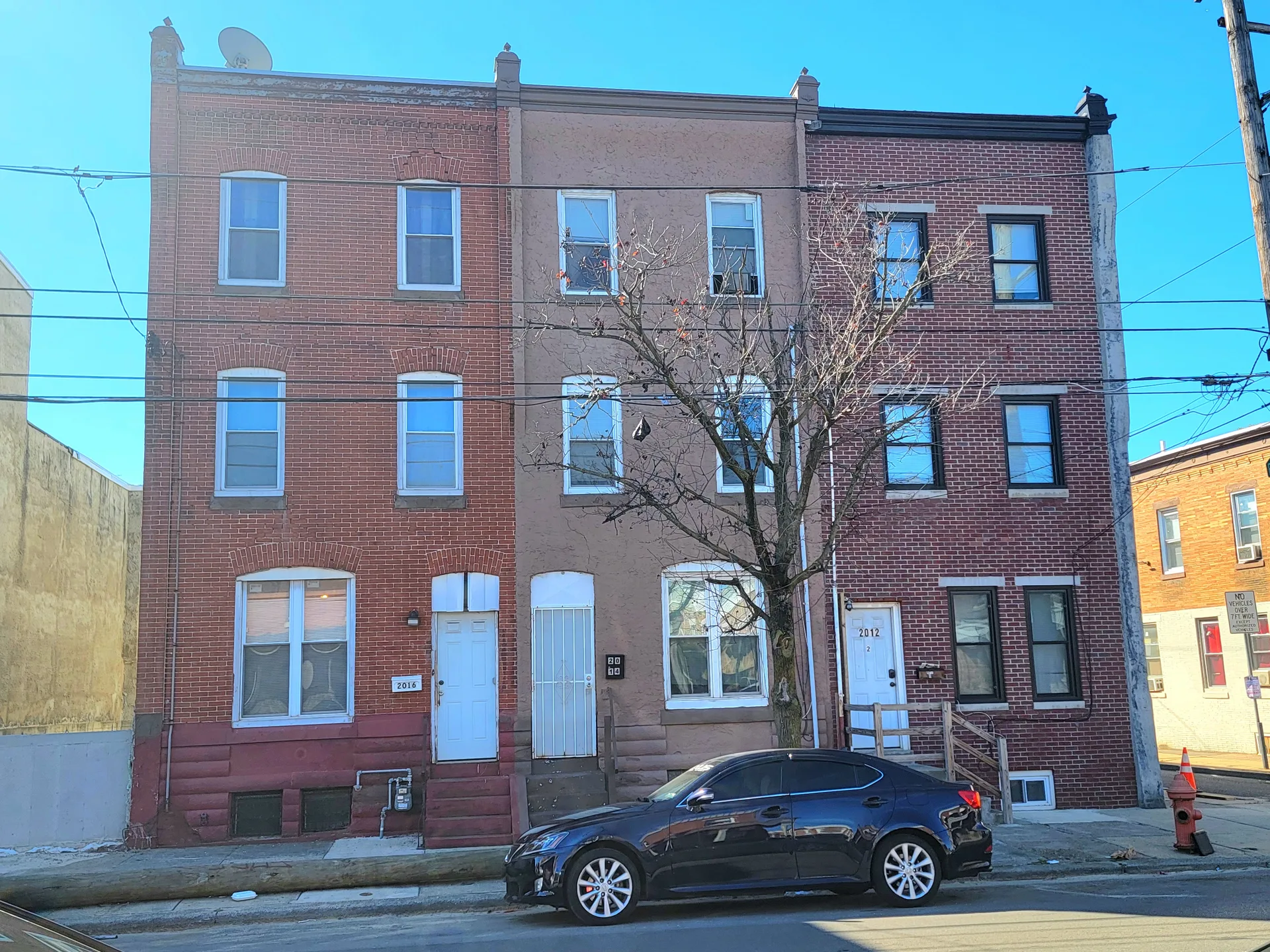
Traditional living room with hardwood floors and a staircase in an East Oak Lane, Philadelphia home
Stop Foreclosure

What Is the Difference Between a Foreclosure and a Short Sale in East Oak Lane, Philadelphia?

A foreclosure is a court case the lender files to take your East Oak Lane home and sell it at a Philadelphia sheriff sale. A short sale is a sale you make yourself, with the lender's approval, for less than what you owe on the mortgage. Foreclosure happens to you. A short sale is a choice you still get to make, and for East Oak Lane homeowners who are behind, that difference still gives you a say in how this ends.

East Oak Lane is the stretch of stone and brick twins and large single-family homes on tree-lined streets at the northern edge of Philadelphia, near Cheltenham Avenue and the Oak Lane Library, and the homes here tend to be owned for years rather than traded quickly. That long ownership is exactly why the foreclosure versus short sale question comes up: by the time the payments fall behind, the house has often been in the family for a long time, and the decision about how it leaves needs care. Here is the straight difference between the two paths in Philadelphia.

What Is a Foreclosure in Pennsylvania?

Pennsylvania is a judicial foreclosure state, so the lender cannot take the house on its own. It sends an Act 6 notice of intent to foreclose at least 30 days before it files, federal rules keep the first filing off the table until the loan is more than 120 days delinquent, and then the lender files a lawsuit in the Philadelphia Court of Common Pleas. The case moves toward a judgment, a writ of execution, and finally a sheriff sale, which Philadelphia runs monthly with bidding online through Bid4Assets. From the first missed payment to the sale, the process typically runs six to twelve months, and along the way Philadelphia's Mortgage Foreclosure Diversion Program can bring the case to a conciliation conference. The word that matters is court. Once a judgment is entered, the calendar is set by the court and the sheriff, not by you.

What Is a Short Sale in Pennsylvania?

A short sale is the opposite in almost every way. You are the one who acts. With the lender's approval, you list the home, find a buyer, and close on the sale even though the price will not cover the full mortgage balance. The lender agrees to accept the short payoff and releases its claim on the property, and a foreclosure case, if one has started, is resolved as part of the deal. A short sale typically takes sixty to ninety days from an accepted offer, and in Philadelphia the closing has to happen before the sheriff sale date to end the threat of auction. Because the lender approves the price and the terms, the timeline runs on the lender's review, and that is why starting early matters.

Which One Hurts Your Credit More?

A completed foreclosure is the heavier hit. It stays on your credit report for years, and lenders treat it as the most serious mortgage event there is. A short sale is reported as a settled account rather than a forced loss, it does less damage, and homeowners who complete one can qualify for a new mortgage years sooner. Neither path is a clean slate, and the honest way to think about it is that a short sale protects the future you still have a hand in building. The gap matters most to homeowners who want to buy again or rent in their own name in the next few years.

Can the Lender Still Come After the Difference?

Pennsylvania is a recourse state. After a foreclosure, if the sheriff sale does not cover the debt, the lender can pursue a deficiency judgment against you. The same risk exists after a short sale, with one important difference: the short sale approval letter can include a written deficiency waiver, and when it does, the lender agrees not to collect the remaining balance. The waiver has to be in writing and negotiated before you sign. Andre works to try and secure a deficiency waiver in every short sale he manages, because without one the debt can follow you after the house is gone.

How Do You Choose Between a Foreclosure and a Short Sale?

The honest answer is that foreclosure is what happens if nothing changes, and a short sale is what you can do before that. If you want to keep the home, the path runs through the lender: a repayment plan, a forbearance, or a modification. If speaking with the lender is the best route, he guides you to coordinate with your lender. If keeping the home is not realistic, a short sale keeps you in control of the sale, the timing, and the story, and it protects your credit better than an auction. The decision is time-sensitive: the closer the sheriff sale date, the harder it is to close a sale before it.

Foreclosure and short sale are not the same thing, and knowing the difference is the first step to choosing well. Andre Richardson has 26 years of experience in Philadelphia real estate, and he helps East Oak Lane homeowners compare the two paths honestly. The full set of choices is laid out on the stop foreclosure help page for East Oak Lane. If the numbers come up short of the mortgage, a short sale in East Oak Lane with the lender's approval can end the threat of foreclosure, and he works to try and secure a deficiency waiver so the lender does not come after you for the difference. If your home has already been through a listing that did not sell, the expired listing help for East Oak Lane page shows how a relaunch gets it sold. The full timeline, credit impacts, and lender negotiations are covered in the foreclosure and short sale guidance for Philadelphia, whether a short sale can stop a Philadelphia auction is explained in the guide to short sales and foreclosure in Philadelphia, and what happens if the sale comes up short is covered in what happens with deficiency judgments in Pennsylvania. Call Andre at 267-977-0304 or book a free consult, and get a straight answer about which path fits your East Oak Lane home. Every conversation is confidential, and there is no judgment, only solutions.
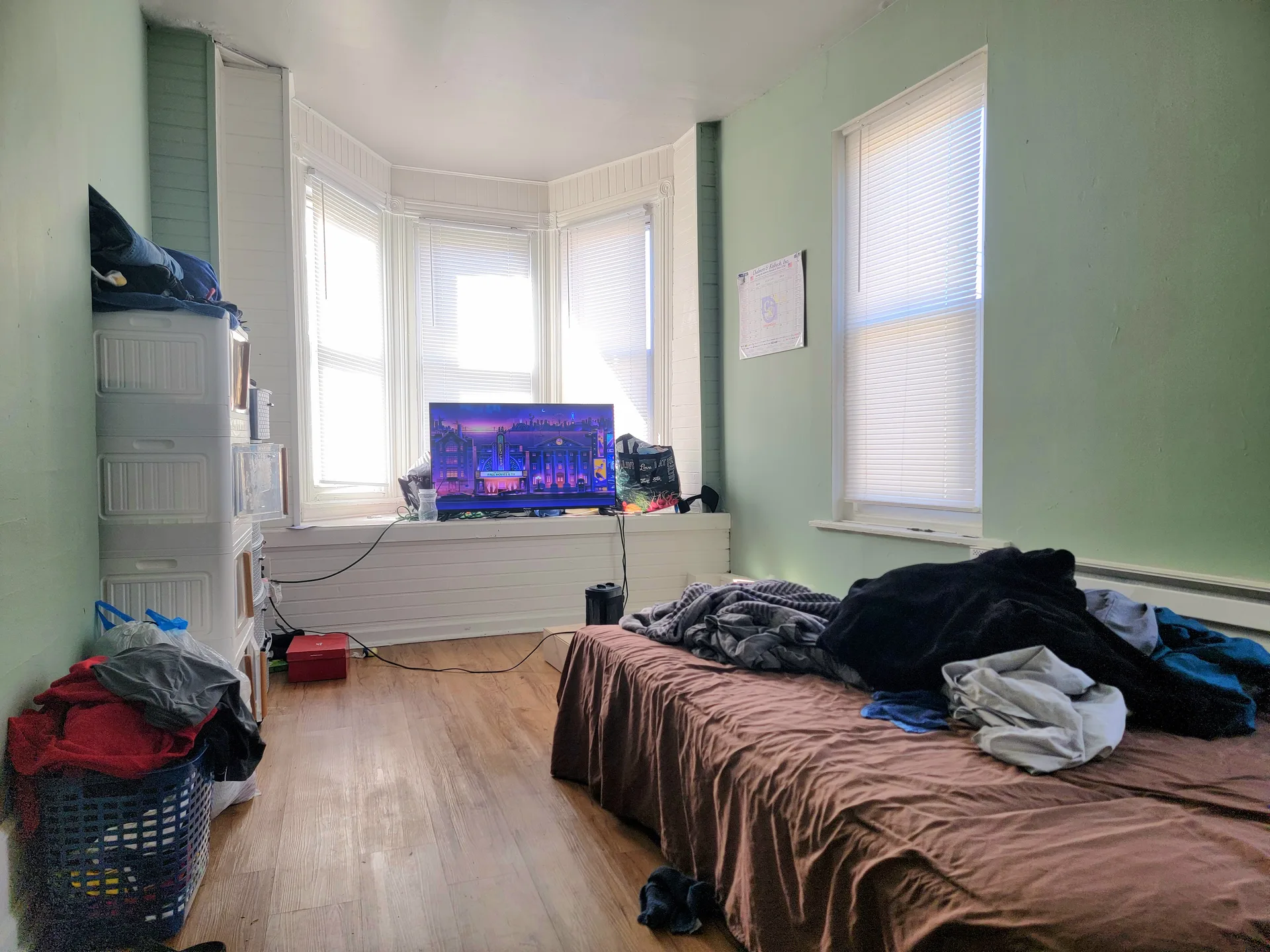
Row of brick and stucco townhouses on a residential block in East Oak Lane, Philadelphia
Stop Foreclosure

Does Missing One Payment on a Repayment Plan Restart the Foreclosure on My East Oak Lane Home in Philadelphia?

No. One missed payment on a repayment plan does not automatically restart a foreclosure on your East Oak Lane home, but it can break the plan and put the case back on the road to a Philadelphia sheriff sale. Federal mortgage servicing rules keep a servicer from starting a foreclosure until the loan is more than 120 days delinquent, and the plan itself usually requires every payment on time, so the real risk is not the single miss, it is what happens to the plan afterward.

East Oak Lane is a neighborhood of stone and brick twins and large single-family homes on tree-lined streets at the northern edge of Philadelphia, near Cheltenham Avenue and the Oak Lane Library, and plenty of homeowners here have signed a repayment plan after a stretch of missed payments. The plan feels like a reset. Then one month goes sideways, a car breaks down or a paycheck lands late, and the question becomes whether the foreclosure clock starts over. Here is how that actually works in Philadelphia.

What Is a Repayment Plan, and What Does It Require?

A repayment plan is an agreement with your servicer to add part of the past-due amount to your regular monthly payment over a set number of months, according to the Consumer Financial Protection Bureau. It does not erase what you owe. It spreads the arrears out, and in exchange the servicer expects the full new amount, on time, every month for the length of the plan. Read the agreement you signed and look for the language about missed payments, because most plans state that a missed installment cancels the arrangement.

Does One Missed Plan Payment Automatically Restart the Foreclosure?

Not by itself. Under Regulation X, the federal rule that governs mortgage servicing, a servicer generally cannot refer a loan to foreclosure until the borrower is more than 120 days delinquent. A single missed plan payment does not put you past that line on its own, and if a complete loss mitigation application is pending, the servicer is generally limited in what it can do to move the case forward. What the miss does do is leave the loan delinquent again and give the servicer a reason to end the plan.

What Happens to My Repayment Plan If I Miss a Payment?

In most cases the servicer cancels the plan and the full past-due balance comes back into play. That is the part homeowners are rarely told clearly. The plan was the thing holding the case in place, and once it is gone, the delinquency is measured against the original schedule again. Call the servicer before the next due date, not after, and ask in writing whether the plan can be reinstated, extended, or replaced. Some servicers will work with a borrower who calls early and can document what happened. Get the answer in writing, and keep a record of every call.

Can I Get a New Plan or Another Loss Mitigation Option?

Often, yes. A repayment plan is one option among several, and the others include a loan modification, a longer-term repayment arrangement, and in Pennsylvania the HEMAP program run by the Pennsylvania Housing Finance Agency, where an application can pause a foreclosure while it is reviewed. Philadelphia also has the Mortgage Foreclosure Diversion Program, which brings homeowners and lenders to a court-supervised conciliation conference before a judgment is entered. Free help is available through the Save Your Home Philly Hotline at 215-334-HOME, and a housing counselor can help you put a new proposal in front of the servicer. If speaking with the lender is the best route, he guides you to coordinate with your lender.

What If the Plan Fails and a Sheriff Sale Is Scheduled?

You still have moves. Under Pennsylvania's Act 6, you can cure the default by paying the full arrears, late charges, and the lender's reasonable foreclosure fees and costs, and you can do it as late as one hour before bidding begins at the sheriff sale, up to three times in a calendar year. Philadelphia sheriff sales are held monthly and bidding runs online through Bid4Assets, so the calendar is public and it does not wait. If catching up is not realistic, selling the home before the auction date is a real path, and the sale has to close, not just go under contract, before the sale date arrives.

A broken repayment plan is a setback, not the end of your options, and the sooner you act the more room you have. Andre Richardson has 26 years of experience in Philadelphia real estate, and he helps East Oak Lane homeowners figure out whether a new plan, a sale, or another route fits their situation. The full set of choices is laid out on the stop foreclosure help page for East Oak Lane. If the numbers come up short of the mortgage, a short sale in East Oak Lane with the lender's approval can end the threat of foreclosure, and he works to try and secure a deficiency waiver so the lender does not come after you for the difference. If your home already went through a listing that did not sell, the expired listing help for East Oak Lane page shows how a relaunch gets it sold. The full timeline, credit impacts, and lender negotiations are covered in the foreclosure and short sale guidance for Philadelphia, and how the clock runs from the first missed payment is explained in the Pennsylvania pre-foreclosure timeline. Call Andre at 267-977-0304 or book a free consult, and get a straight answer about your plan, your payoff, and your East Oak Lane home. Every conversation is confidential, and there is no judgment, only solutions.
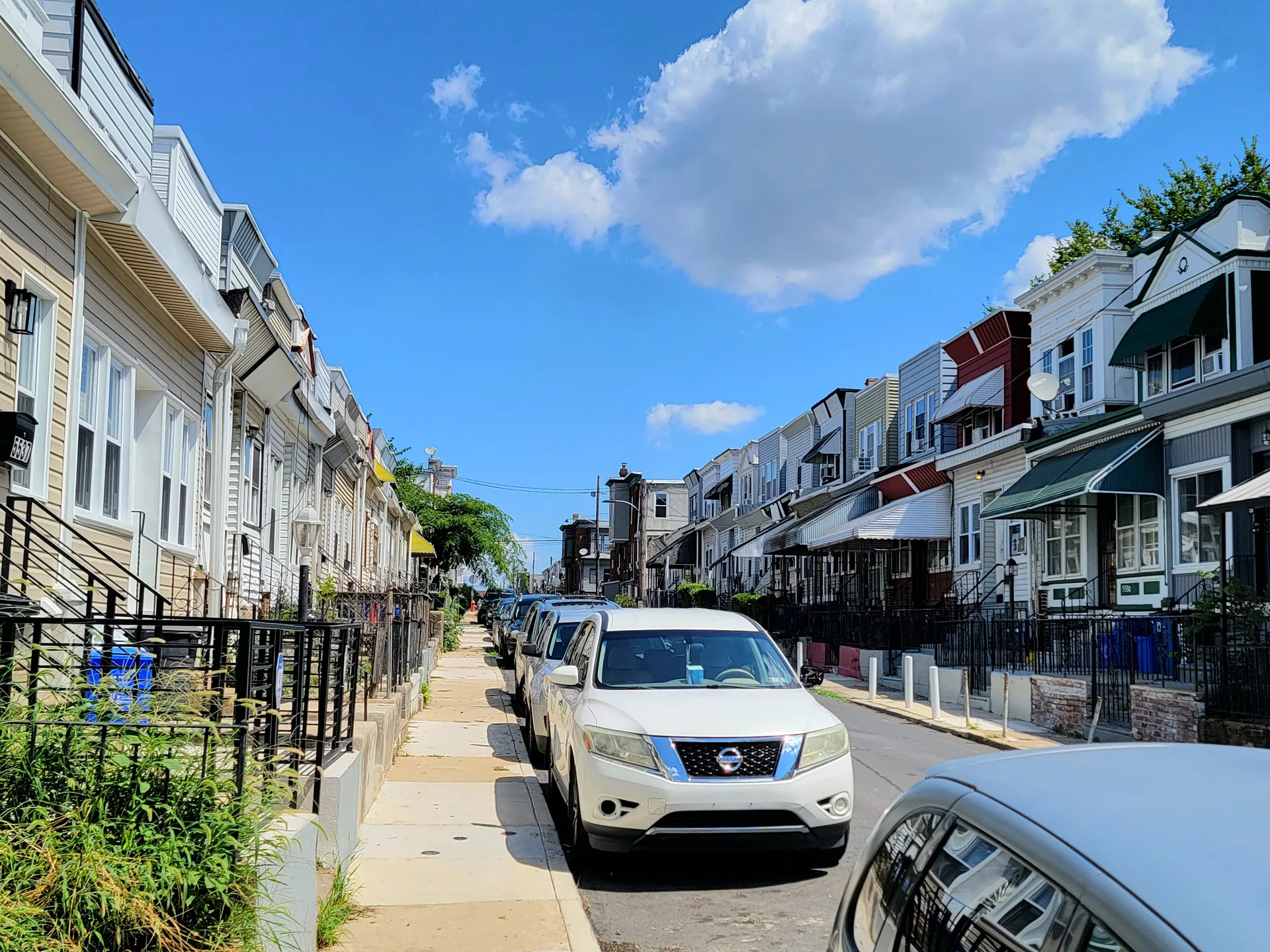
Bedroom with a bay window, light wood floors, and soft daylight in a traditional East Oak Lane, Philadelphia home
Stop Foreclosure

Can the Bank Refuse My Mortgage Payments During a Foreclosure on My East Oak Lane Home in Philadelphia?

Yes. In Pennsylvania, a lender or servicer can refuse to accept your mortgage payments once you are in default and a foreclosure is underway, and it often stops taking money that does not bring the account fully current. That does not make the money pointless: Pennsylvania law gives you a right to catch up and stop the sheriff sale, and what you do with the payments the bank will not take can protect you in the meantime.

If you live in East Oak Lane, the North Philadelphia neighborhood of stone and brick twins and large single-family homes on tree-lined streets between Cheltenham Avenue and Godfrey Avenue, just east of Broad Street, a foreclosure on your home is stressful enough on its own. Then comes the moment that confuses many homeowners: you are trying to pay the mortgage, and the bank or its servicer says it will not take your payment. The case keeps moving anyway. It is a common situation in Philadelphia foreclosures, and understanding why it happens, and what to do with the money in the meantime, is part of keeping control of your timeline.

Why Would the Bank Stop Accepting My Payments?

Once you miss payments and go into default, the lender is not required to accept partial payments, and it often refuses them. Pennsylvania's legal aid network states it directly: when you fall behind, the bank will frequently no longer accept your payments unless you catch up completely. The reason is legal, not personal. Taking a partial payment without a written agreement can weaken the lender's position that you are in default and undercut its right to demand the full balance, so many servicers simply turn away checks that do not cure the account.

What Should I Do With the Money If the Bank Won't Take It?

Keep setting the mortgage payment aside. Put each payment into a separate savings account, dated and documented, and leave it there, because the surest way out of a foreclosure is often a single lump-sum payment of the full amount needed to cure the default. Under federal mortgage servicing rules, a servicer that does not accept a payment may credit it to your account, return the check uncashed, or hold the money in a suspense account until a full cure amount is paid. Ask the servicer in writing why the payment was not accepted and what exact dollar figure would bring the loan current, and keep every record from that point forward.

Can I Still Catch Up and Stop the Philadelphia Sheriff Sale?

Yes. Under Pennsylvania's Act 6, the state's mortgage protection law, you can cure the default by paying the full arrears, late charges, and the lender's reasonable foreclosure fees and costs, and you can do it as late as one hour before bidding begins at the sheriff sale, up to three times in a calendar year. The word that matters is full: a partial payment does not cure the default, and the sheriff sale moves forward unless the case is resolved, postponed, or ended by a completed sale of the home. Before you pay anything, ask the lender's foreclosure attorney for the written reinstatement amount.

Will the Foreclosure Keep Moving If My Payments Aren't Accepted?

Yes, until the default is fully cured. Sending partial payments after a foreclosure lawsuit has been filed does not dismiss the case. The servicer can credit the money, return it, or hold it in suspense, and meanwhile the lawsuit keeps running toward a judgment, a writ of execution, and a sheriff sale date. In Philadelphia, that auction is scheduled by the Sheriff's Office with bidding held online through Bid4Assets, and the calendar does not pause for an unaccepted check.

Your payments and your paperwork are part of the solution, and the order of operations matters. Andre Richardson has 26 years of experience in Philadelphia real estate, and he helps East Oak Lane homeowners sort out what to pay, what to document, and whether keeping the home or selling it makes more sense before a sheriff sale date lands. The full plan for keeping your options open is laid out on the stop foreclosure help page for East Oak Lane. If the numbers come up short of the mortgage, a short sale in East Oak Lane with the lender's approval can end the threat of foreclosure. And if your home has already been through a listing that did not sell, the expired listing help for East Oak Lane page shows how a relaunch gets it sold. The full timeline, credit impacts, and lender negotiations are covered in the foreclosure and short sale guidance for Philadelphia, and what happens if you cannot catch up is explained in the guide to catching up on a Pennsylvania mortgage. If speaking with the lender is the best route, he guides you to coordinate with your lender. Call Andre at 267-977-0304 or book a free consult, and get a straight answer about your payments, your payoff, and your East Oak Lane home. Every conversation is confidential, and there is no judgment, only solutions.
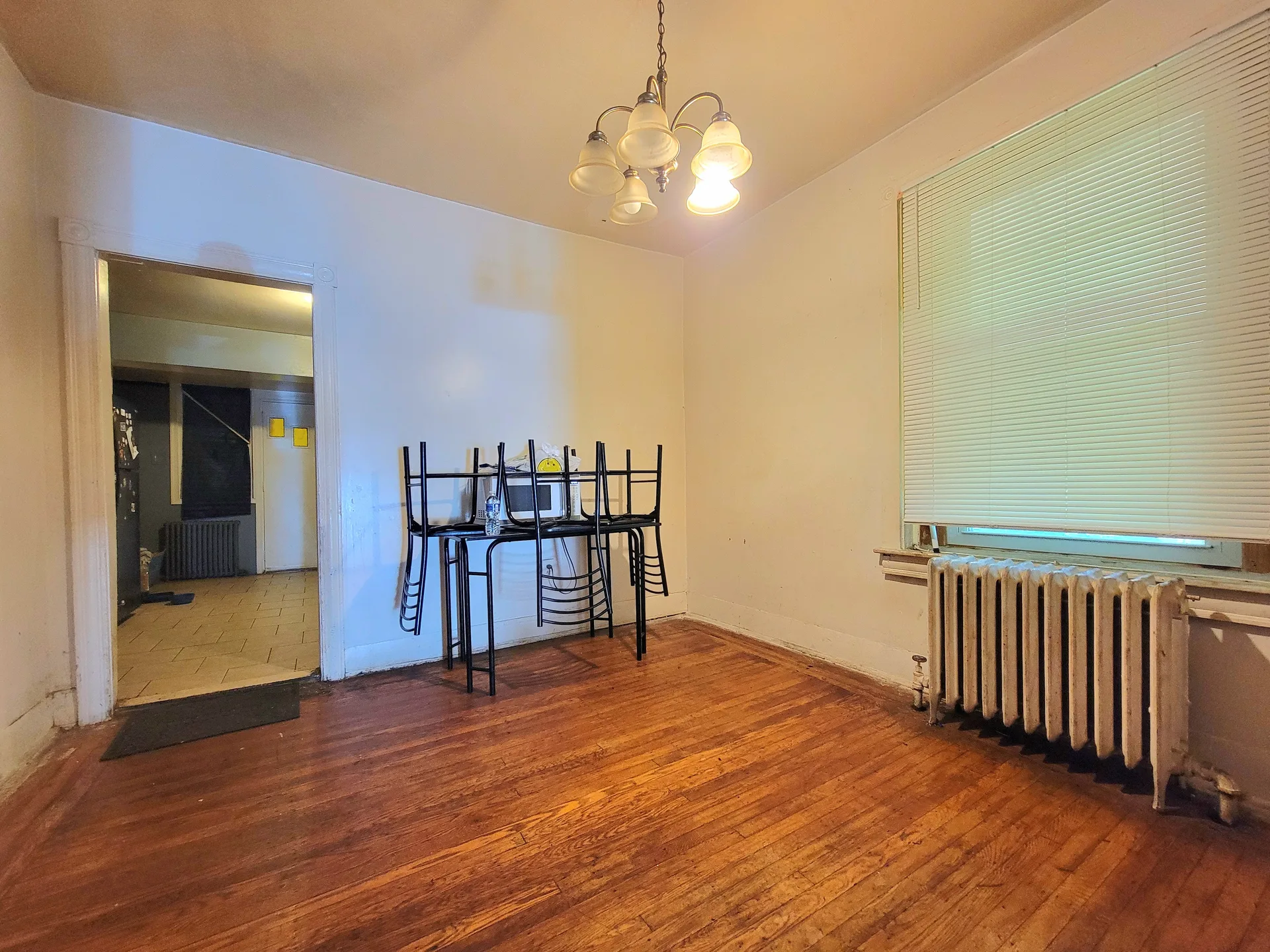
Residential street of traditional row homes with porches and awnings in East Oak Lane, Philadelphia
Stop Foreclosure

Will the Philadelphia Sheriff Sale Still Happen If I Have a Buyer for My East Oak Lane Home?

No. A Philadelphia sheriff sale does not have to happen if your East Oak Lane home is under contract with a buyer, but only if the sale to that buyer actually closes before the auction date. Pennsylvania law lets you sell a home in foreclosure right up until the sheriff sale is completed, and once the deed transfers at settlement, there is nothing left for the sheriff to auction.

If you live in East Oak Lane, the stretch of stone twins and large single-family homes on tree-lined streets at the northern edge of Philadelphia, and a foreclosure is moving toward a sheriff sale, finding a buyer can feel like the answer to everything. It can be, with one condition: the sale has to close before the auction date. A signed agreement on its own does not cancel a Philadelphia sheriff sale. What cancels it is a completed settlement, because Pennsylvania has no redemption after the sale, and once the gavel falls, the home is gone.

Does Having a Buyer Stop the Sheriff Sale on Its Own?

No. A contract alone does not stop the sale. The Philadelphia Sheriff's Office lists the property for auction on its scheduled date unless the case is resolved or the sale is postponed, so the agreement between you and your buyer means nothing to the auction calendar until the mortgage is paid off and the deed is recorded. The practical rule is simple: the private sale must be finished before the sheriff sale date, with enough time left for the buyer's title work and settlement.

How Much Time Do I Need to Close Before the Auction?

Most buyers need at least one to two weeks before the auction for the title search, the lender's payoff statement, and settlement itself, and a cash buyer can move faster. As soon as you have a signed agreement, confirm the exact sale date on the court docket and request a current payoff amount from the lender's foreclosure attorney, so you know the total that has to be paid at settlement. Every day of delay narrows the window.

What Happens to the Money When the Sale Closes?

At settlement, the proceeds pay off the mortgage, any foreclosure judgment, and the other liens in their order of priority, and if anything is left over, the equity belongs to you. If the proceeds will not cover the total debt, the sale becomes a short sale, which needs the lender's approval and typically takes sixty to ninety days, a hard fit when a sheriff sale is already on the calendar. That is why a buyer who can pay enough to satisfy the mortgage is worth so much when the auction date is close.

Can the Sheriff Sale Be Postponed While the Sale Closes?

Yes. In Philadelphia, the lender's attorney enters a postponement or a stay on the Sheriff's Bid4Assets portal, and it must be submitted by 3:00 PM the day before the auction. The Sheriff's Office can also cancel a sale in its discretion, and a homeowner can file a motion to postpone as late as about a day before the sale date. Another lever is reinstatement: in Pennsylvania you can pay the arrears plus fees and stop the sale up to one hour before bidding begins, up to three times in a calendar year. If speaking with the lender is the best route, he guides you to coordinate with your lender.

What If the Sale Doesn't Close Before the Sheriff Sale?

If settlement does not happen in time and no postponement is filed, the auction goes forward, and Pennsylvania does not allow you to get the home back after the sale. The buyer's deposit does not protect you from that outcome, which is why the timeline, not just the contract, is what matters. If the numbers fall short of the mortgage and a short sale becomes the route, Andre works to try and secure a deficiency waiver so the lender does not come after you for the difference, but the cleanest protection is closing the sale before the auction date.

You do not have to carry this alone. Andre Richardson has 26 years of experience in Philadelphia real estate, and he helps East Oak Lane homeowners line up a buyer, a payoff, and a settlement date that beat the auction calendar. The full plan for keeping your options open is laid out on the stop foreclosure help page for East Oak Lane. If the numbers come up short of the mortgage, a short sale in East Oak Lane with the lender's approval can end the threat of foreclosure. And if your home has already been through a listing that did not sell, the expired listing help for East Oak Lane page shows how a relaunch gets it sold. The full timeline, credit impacts, and lender negotiations are covered in the foreclosure and short sale guidance for Philadelphia, and selling while a case is pending is explained in selling your home before the sheriff sale in Pennsylvania. Call Andre at 267-977-0304 or book a free consult, and get a straight answer about your buyer, your payoff, and your East Oak Lane home. Every conversation is confidential, and there is no judgment, only solutions.
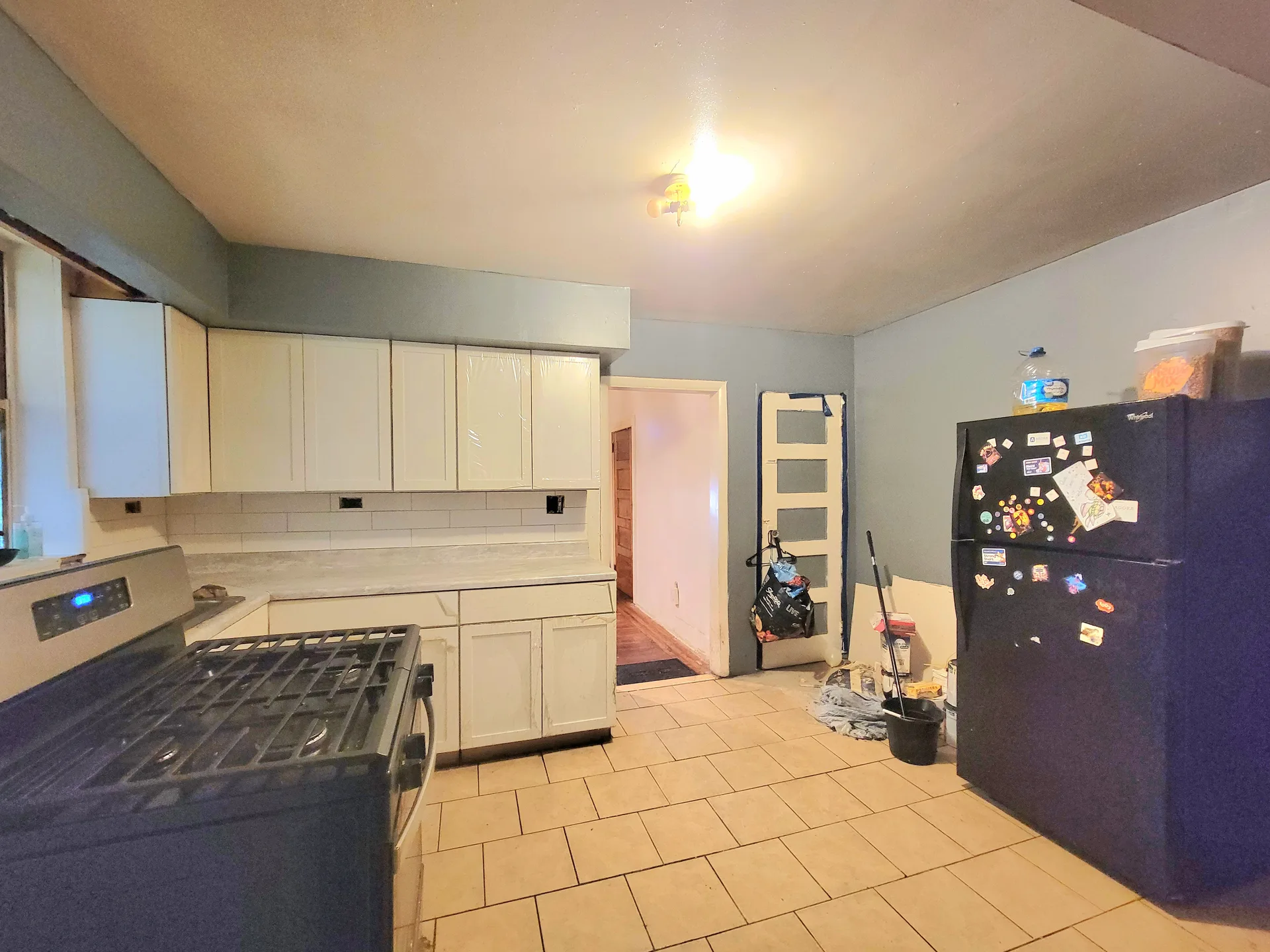
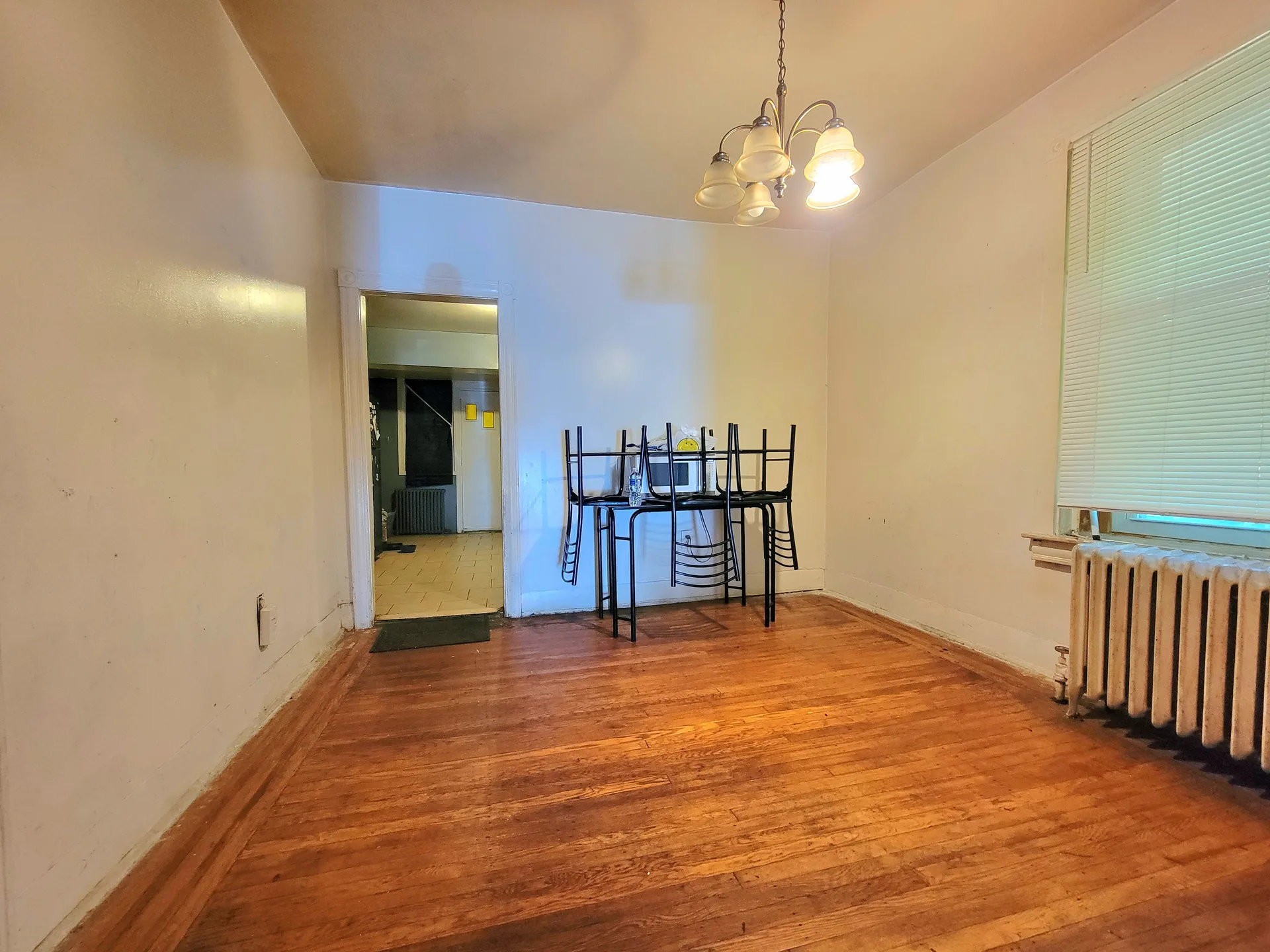
Dining room with hardwood floors and a cast iron radiator in a traditional East Oak Lane, Philadelphia home
Stop Foreclosure

What Happens If My East Oak Lane Foreclosure Case Is Dismissed in Philadelphia?

A dismissed case means the Philadelphia sheriff sale on your East Oak Lane home should not go forward, because a sheriff sale happens only after a judgment, and a dismissed case has none. Most dismissals are without prejudice, so the lender can refile after sending a fresh Act 91 notice, which means the dismissal buys you time to work on your options, not a permanent win.

If you live in East Oak Lane, the stretch of stone and brick twins and large single-family homes on tree-lined streets at the northern edge of Philadelphia, a notice that your foreclosure case was dismissed can feel like a puzzle. Is it over? Do you still owe the money? Can the bank try again? The short answer: the lawsuit is over for now, the debt is not, and what you do with the time decides how the story ends.

What Does a Dismissal Actually Mean for My East Oak Lane Home?

A foreclosure in Pennsylvania is a lawsuit filed in the Philadelphia Court of Common Pleas, and the sheriff sale is the final step, an execution on the judgment. When the case is dismissed, there is no judgment to enforce, so a scheduled sheriff sale should not go forward. The mortgage itself stays in place and the debt stays yours. The dismissal ends the court case, not the loan, and it does not erase the missed payments or the arrears.

Why Would a Philadelphia Foreclosure Case Be Dismissed?

Courts dismiss foreclosure complaints for a few real reasons. The lender may not have sent a proper Act 91 notice of intent to foreclose, which Pennsylvania law requires at least 30 days before filing, by certified or registered mail, with specific language about your rights. The complaint itself may fail the requirements of Pennsylvania Rule of Civil Procedure 1147, such as an itemized statement of the amount due or a clear statement of the default. The lender may lack standing, meaning it did not actually hold the note and mortgage when it filed. Or service may have been improper, meaning you were never properly handed the lawsuit papers. Each of these is a legal defect in the case, not a cancellation of what you owe.

Can the Lender Refile After My Case Is Dismissed?

Yes, in most cases. Dismissals are usually without prejudice, which means the lender can start again. The Pennsylvania Supreme Court ruled in JPMorgan Chase v. Taggart that a lender must send a fresh Act 91 notice before filing a second foreclosure complaint on the same debt after the first case was dismissed. A dismissal with prejudice is different; that ends the case for good and bars refiling, but it is far less common. If your case was dismissed, watch the mail, because another Act 91 notice may be the lender starting over.

How Should I Use the Time While the Case Is Dismissed?

This is the part that matters. A dismissal can give you months of breathing room, and the homeowners who use it keep the most control. Talk to your lender's loss mitigation department about a repayment plan, forbearance, or a loan modification before a new case is filed. If a case is refiled, Philadelphia's Mortgage Foreclosure Diversion Program requires a conciliation conference in most owner-occupied cases, which is another structured chance to work out an agreement. If speaking with the lender is the best route, he guides you to coordinate with your lender.

Can I Still Sell My East Oak Lane Home While the Case Is Dismissed?

Yes, and for many homeowners this is the strongest use of the window. With no sheriff sale on the calendar, there is time to sell at or near market value and protect the equity built into your home. If you owe more than the home is worth, a short sale with the lender's approval can end the threat for good, and Andre works to try and secure a deficiency waiver so the lender does not come after you for the difference.

A dismissed case is not the finish line, but it is a real chance to change course. Andre Richardson has 26 years of experience in Philadelphia real estate, and he helps East Oak Lane homeowners sort through these exact choices. The full plan for keeping your options open is laid out on the stop foreclosure help page for East Oak Lane. If selling before a new case moves forward makes sense, a short sale in East Oak Lane with the lender's approval can end the threat of foreclosure. And if your home has already been through a listing that did not sell, the expired listing help for East Oak Lane page shows how a relaunch gets it sold. The full timeline, credit impacts, and lender negotiations are covered in the foreclosure and short sale guidance for Philadelphia, and what an Act 91 notice must say is explained in the Act 91 notice guide for Pennsylvania homeowners. Call Andre at 267-977-0304 or book a free consult, and get a straight answer about your dismissed case, your mortgage, and your East Oak Lane home. Every conversation is confidential, and there is no judgment, only solutions.
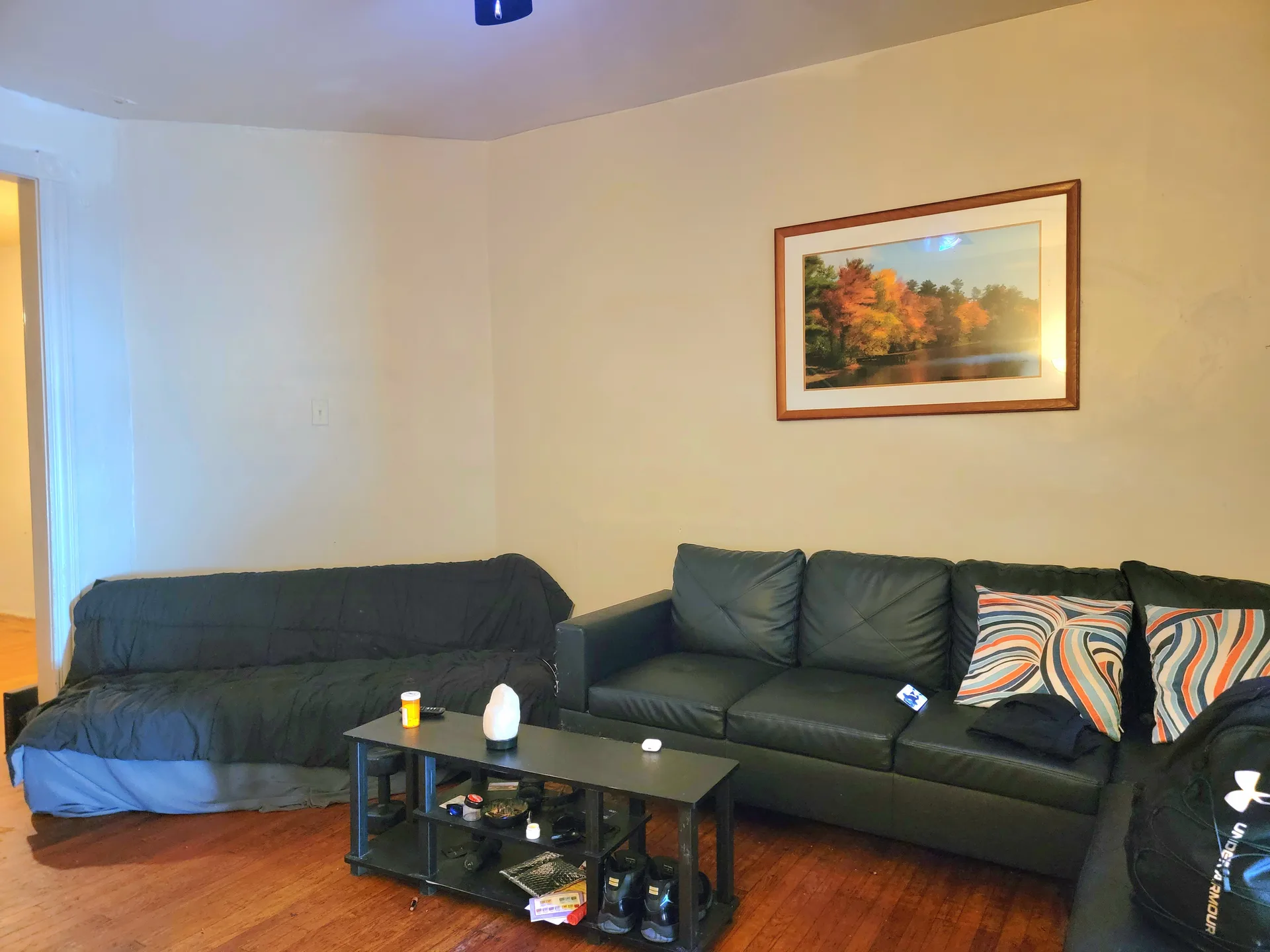
Exterior of a traditional row home in East Oak Lane, Philadelphia with a stone foundation and brick details in warm daylight
Stop Foreclosure

Can the Bank Take My Tax Refund If My East Oak Lane Home Is in Foreclosure in Philadelphia?

No. A mortgage lender cannot intercept your federal or state tax refund to pay down your East Oak Lane mortgage. Refunds are only offset for debts owed to the government itself, like unpaid taxes, defaulted student loans, or child support, and a private lender is not on that list. The real risk is different: once the refund lands in your bank account, a lender that has already won a separate money judgment could try to levy the account. Acting before that judgment exists is what keeps the money and the home protected.

If you live in East Oak Lane, the stretch of stone twins and large single-family homes on tree-lined streets at the northern edge of Philadelphia, and a foreclosure is moving toward a sheriff sale, a tax refund can feel like the one cushion you have left. The first thing to know is that your refund is not automatically taken when a foreclosure happens. The second thing to know is where the actual risk sits, because that decides what you do next.

Can the IRS Send My Refund Straight to My Mortgage Lender?

No. The federal Treasury Offset Program lets the government redirect a refund only for debts owed to the government, such as unpaid federal taxes, defaulted federal student loans, or child support. The Pennsylvania Department of Revenue follows the same rule for state refunds, offsetting only for debts owed to the state. A mortgage lender cannot join that process or ask the IRS to hand over your refund, so the refund itself is not sent to the lender as a matter of course.

When Could the Lender Actually Reach My Refund Money?

The window opens when the refund is deposited into a bank account and the lender holds a money judgment against you. A judgment creditor can use a writ of execution to levy the account, and Pennsylvania exempts only a small amount of cash and personal property, roughly $300, from that kind of attachment. Directly deposited federal benefits such as Social Security are protected by federal rules, but a general bank balance, including a deposited refund, is not shielded the same way.

Does a Foreclosure Give the Lender a Money Judgment Against Me?

Not by itself. A foreclosure lawsuit in the Philadelphia Court of Common Pleas ends with the sheriff sale, not with a personal judgment against you. If the home sells for less than you owe, the lender has six months from the transfer of the deed to file a separate deficiency action to collect the shortfall. Only that money judgment opens the door to collection tools like a bank levy, and Pennsylvania generally bars wage garnishment for consumer debts, so a mortgage lender cannot garnish your paycheck for this either.

How Do I Protect My Refund and My Home in East Oak Lane?

Use the refund as part of a plan, not as money that sits and waits. It can bring the arrears current, support a repayment plan through your servicer's loss mitigation department, or fund the steps of a sale before the sheriff sale date. The strongest protection is avoiding a deficiency judgment in the first place, by selling at or near market value while the case is open or, if you owe more than the home is worth, through a short sale where Andre works to try and secure a deficiency waiver so the lender does not come after you for the difference. If speaking with the lender is the best route, he guides you to coordinate with your lender.

A tax refund is a real asset in a hard season, and it does not have to be handed over automatically. Andre Richardson has 26 years of experience in Philadelphia real estate, and he helps East Oak Lane homeowners sort through these exact choices. The full plan for keeping your options open is laid out on the stop foreclosure help page for East Oak Lane. If selling before the sale date makes sense, a short sale in East Oak Lane with the lender's approval can end the threat of foreclosure. And if your home has already been through a listing that did not sell, the expired listing help for East Oak Lane page shows how a relaunch gets it sold. The full timeline, credit impacts, and lender negotiations are covered in the foreclosure and short sale guidance for Philadelphia, and how the six-month deficiency window works is explained in whether you still owe money after a Pennsylvania foreclosure. Call Andre at 267-977-0304 or book a free consult, and get a straight answer about your refund, your mortgage, and your East Oak Lane home. Every conversation is confidential, and there is no judgment, only solutions.
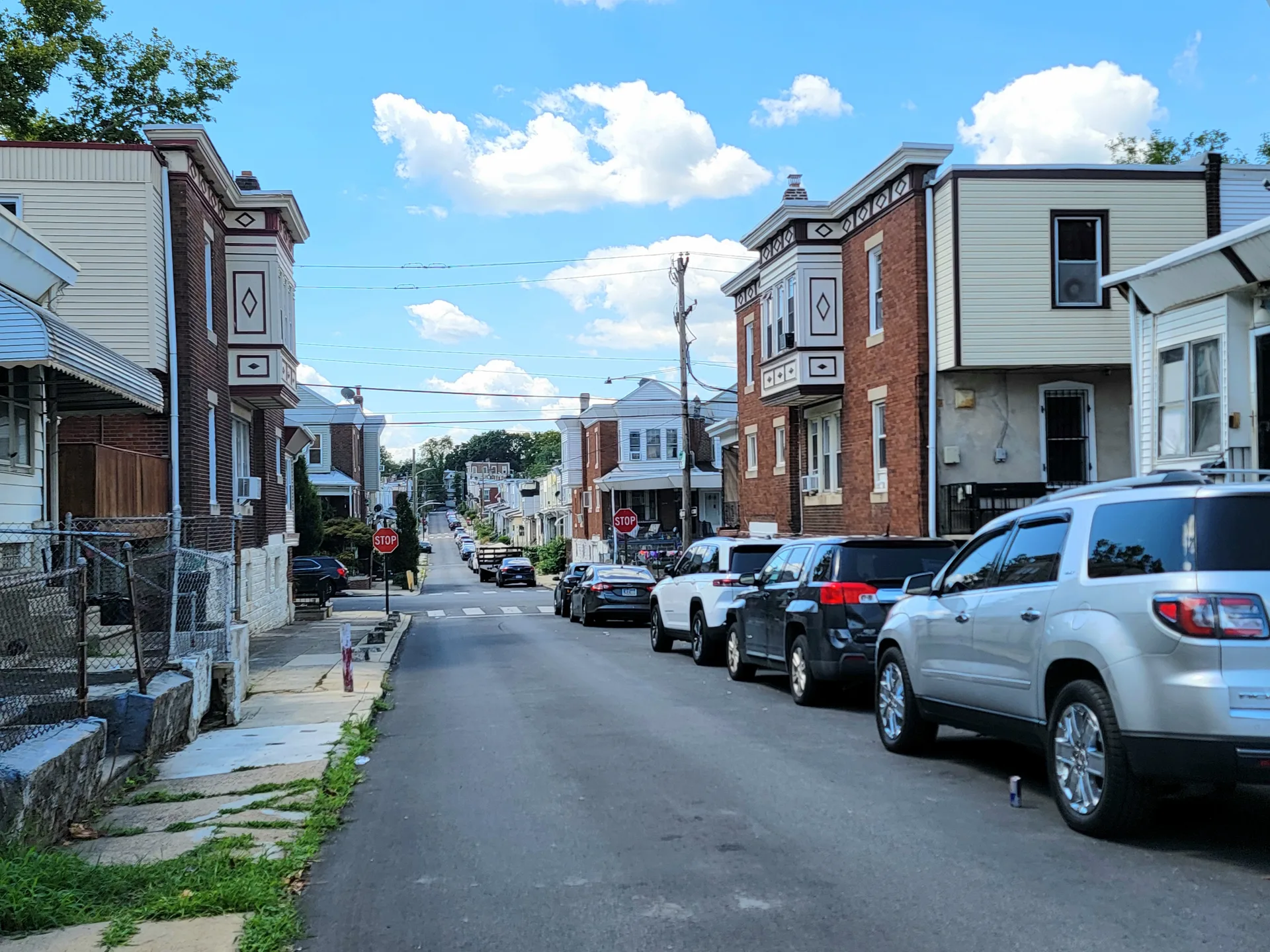
Traditional Philadelphia kitchen with white cabinets and tile flooring in an East Oak Lane home
Stop Foreclosure

Can I Transfer My East Oak Lane Home Into a Trust or LLC to Stop Foreclosure in Philadelphia?

No. Transferring your East Oak Lane home into a trust or an LLC does not stop a Philadelphia foreclosure. The mortgage stays attached to the property and the loan stays in your name, so the lender can still move the case through the Philadelphia Court of Common Pleas and schedule a sheriff sale. Changing the title is not a way out, and done the wrong way it can trigger a due-on-sale clause or a fraudulent-transfer challenge on top of the foreclosure.

If you live in East Oak Lane, the stretch of stone twins and large single-family homes on tree-lined streets at the northern edge of Philadelphia, and a foreclosure is moving toward a sheriff sale, the thought of signing the house over to a trust or a company can feel like a way to protect it. It is one of the most common workarounds homeowners search for, and it does not work the way people hope. Understanding why is the first step toward a plan that protects your home and your money.

Why Doesn't a Trust or an LLC Stop the Foreclosure?

A mortgage is a lien on the property and a debt in your name. When you transfer the house into a trust or an LLC, the debt stays in your name and the lien stays on the house, so the lender can still foreclose no matter who holds the title. Pennsylvania is a judicial foreclosure state: the lender still files a lawsuit, wins a judgment in the Philadelphia Court of Common Pleas, and completes a sheriff sale, which Philadelphia holds on the first Tuesday of each month. Changing the deed does not block any of those steps.

Does Transferring My Home to a Trust or an LLC Trigger the Due-on-Sale Clause?

Most residential mortgages contain a due-on-sale clause, which lets the lender demand the full remaining balance when the title changes hands. Federal law, the Garn-St. Germain Act, blocks the lender from enforcing that clause when a home transfers into a revocable living trust and you remain a beneficiary. That protection is narrow. Transfers to an LLC, a corporation, or any ownership you do not personally control are not protected the same way, and the lender may treat the transfer as a reason to call the loan due.

Can I Deed My East Oak Lane Home to Someone Else to Keep It Out of Foreclosure?

Deeding the home to a relative or a company to place it out of the lender's reach does not stop the foreclosure, and Pennsylvania courts can treat a transfer made to hide the home from a creditor as a fraudulent transfer and set it aside. The same risk applies to a trust or an LLC created only to shield the property. A setup like that adds a legal problem instead of solving the one you already have.

What Actually Stops a Philadelphia Sheriff Sale on My Home?

A few real paths stop or delay a sheriff sale. Reinstating the loan, which means paying the arrears plus fees, is allowed in Pennsylvania up to one hour before bidding begins at the Philadelphia sheriff sale, and it can be used up to three times in a calendar year. A loan modification or a repayment plan through your servicer's loss mitigation department can bring the loan current, and Philadelphia's Mortgage Foreclosure Diversion Program requires a conciliation conference in most owner-occupied cases. Selling before the sale date is another path, and filing for bankruptcy pauses the sale with an automatic stay.

Can I Sell My East Oak Lane Home Instead of Transferring the Title?

Yes, and selling before the sheriff sale is often the route that protects the most value. With the equity these East Oak Lane homes hold, a sale at market value can pay off the mortgage and keep the equity you built. If you owe more than the home is worth, a short sale with the lender's approval can end the threat of foreclosure, and Andre works to try and secure a deficiency waiver so the lender does not come after you for the difference. If speaking with the lender is the best route, he guides you to coordinate with your lender.

A title transfer is not a way out, but it does not have to be the end of the road. Andre Richardson has 26 years of experience in Philadelphia real estate, and he helps East Oak Lane homeowners sort through these exact choices. The full plan for keeping your options open is laid out on the stop foreclosure help page for East Oak Lane. If selling before the sale date makes sense, a short sale in East Oak Lane with the lender's approval can end the threat of foreclosure. And if your home has already been through a listing that did not sell, the expired listing help for East Oak Lane page shows how a relaunch gets it sold. The full timeline, credit impacts, and lender negotiations are covered in the foreclosure and short sale guidance for Philadelphia, and the protections most homeowners never hear about are listed in six legal protections for Philadelphia homeowners facing foreclosure. Call Andre at 267-977-0304 or book a free consult, and get a straight answer about your title, your mortgage, and your East Oak Lane home. Every conversation is confidential, and there is no judgment, only solutions.
Furnished living room with hardwood floors in a traditional East Oak Lane, Philadelphia home
Stop Foreclosure

Can I Stop Foreclosure on My East Oak Lane Home If I Lost My Job or My Income Dropped in Philadelphia?

Not necessarily, and in most cases the answer is that you have real options. If you lost your job or your income dropped and you are behind on your East Oak Lane mortgage, Pennsylvania law and the Philadelphia court process give you time to work with your lender on forbearance, a repayment plan, or a loan modification, and Pennsylvania's HEMAP program can bring your payments current when the hardship is beyond your control. Acting early is what keeps those doors open.

If you live in East Oak Lane, the stretch of stone twins and large single-family homes on tree-lined streets at the northern edge of Philadelphia, you have probably been in your home for years, and the thought of losing it after a job loss or a drop in income can feel overwhelming. That is a heavy weight to carry alone. The first thing to know is that falling behind on a mortgage after a job loss is a common situation, it is not a personal failing, and there are programs and a court process built specifically for it.

What Are My Options If My Income Dropped?

Your mortgage servicer's loss mitigation department is the place to start. Forbearance pauses or reduces your payments for a set period, typically a few months and often up to a year, while a repayment plan spreads the missed payments across your regular monthly bills once you are working again. A loan modification permanently rewrites the terms so the payment fits your current income. Each option needs a specific application, so asking for the servicer's loss mitigation application early is the first concrete step.

What Is HEMAP and Who Qualifies?

Pennsylvania runs the Homeowners' Emergency Mortgage Assistance Program (HEMAP), a state program that provides loans to eligible homeowners facing foreclosure due to circumstances beyond their control, such as a job loss. It can bring your delinquent payments current, with assistance of up to 24 months in many cases. The money is a loan that has to be repaid, and the application usually starts when your lender sends an Act 91 notice. You generally need to show the hardship is documented and that you can resume full payments.

What If the Case Is Already in Court?

Once a foreclosure lawsuit is filed in the Philadelphia Court of Common Pleas, most owner-occupied cases move through the city's Mortgage Foreclosure Diversion Program, which requires a conciliation conference with your lender before the case advances. You do not have to go through it alone. The city's Save Your Home Philly hotline at 215-334-HOME (215-334-4663) connects homeowners with free housing counselors and legal help, and the City of Philadelphia's Foreclosure Prevention Grant Program can pay up to $5,000 to help eligible homeowners who are at least three months behind catch up.

How Much Time Do I Have?

Pennsylvania is a judicial foreclosure state, which means the process runs through the courts and takes months. Your lender must send written notice, usually an Act 91 notice, at least 30 days before filing, and federal rules add a 120-day waiting period on federally backed mortgages. From the first missed payment to the sheriff sale, the process typically runs six to twelve months, and Philadelphia sheriff sales are held monthly. That window is real time you can use, and the earlier you call, the more room you have.

What If I Still Can't Afford the Home After Help?

If loss mitigation cannot make the payment work, the home does not have to end at a sheriff sale. You can sell your East Oak Lane home before the sale date, and with the equity these homes hold, that is often the path that protects the most value. If you owe more than the home is worth, a short sale with the lender's approval can end the threat of foreclosure, and Andre works to try and secure a deficiency waiver so the lender does not come after you for the difference. If speaking with the lender is the best route, he guides you to coordinate with your lender.

A job loss or a drop in income does not have to mean losing your East Oak Lane home, but the clock is moving. Andre Richardson has 26 years of experience in Philadelphia real estate, and he helps East Oak Lane homeowners sort through these exact choices. The full plan for keeping your options open is laid out on the stop foreclosure help page for East Oak Lane. If selling before the sale date makes sense, a short sale in East Oak Lane with the lender's approval can end the threat of foreclosure. And if your home has already been through a listing that did not sell, the expired listing help for East Oak Lane page shows how a relaunch gets it sold. The full timeline, credit impacts, and lender negotiations are covered in the foreclosure and short sale guidance for Philadelphia, and how the timeline actually runs is explained in how long before foreclosure in Pennsylvania. Call Andre at 267-977-0304 or book a free consult, and get a straight answer about your situation and your East Oak Lane home. Every conversation is confidential, and there is no judgment, only solutions.
Residential Philadelphia street lined with traditional row houses with porches and awnings, the housing style common across East Oak Lane
Stop Foreclosure

Can I Sell My East Oak Lane Home If I Have a Second Mortgage or HELOC in Philadelphia?

Yes, you can sell your East Oak Lane home before the Philadelphia sheriff sale even if you have a second mortgage or a home equity line of credit (HELOC). Pennsylvania law does not stop you from selling during the foreclosure process, and you own the home until the sheriff sale is completed and title transfers. The second lien does not block the sale, but it has to be paid off or released at closing, and the sale has to close before the sheriff sale date.

If you live in East Oak Lane, the stretch of stone twins and large single-family homes on tree-lined streets at the northern edge of Philadelphia, and you are facing foreclosure with a second mortgage or HELOC on top of your first loan, you may have assumed selling was off the table. It is not. The question is not whether you can sell, but how the second lien gets handled so the sale can actually close in time.

Can You Sell a Home With a Second Mortgage or HELOC During Foreclosure in Pennsylvania?

Yes. You hold title to your East Oak Lane home until the sheriff sale is completed, and Pennsylvania law does not prevent you from selling at any point during the foreclosure process. A second mortgage or HELOC is a lien on the property, not a block on the sale. The home can be sold while the second loan exists, as long as the lien is dealt with at closing.

What Happens to the Second Mortgage or HELOC at Closing?

At closing, the title company pays off the liens on the property in order of priority: the first mortgage first, then the second mortgage or HELOC. The second lender has to release its lien before title can transfer to the buyer. If the sale price covers both loans, the second loan is simply paid in full from the proceeds. If there is not enough to pay both, the situation becomes a short sale, and every lienholder has to approve the sale.

What If the Sale Price Won't Cover Both Loans?

If your East Oak Lane home is worth less than what you owe on the first and second loans together, a traditional sale will not work on its own. The sale becomes a short sale, and the second lien holder has to agree to accept less than it is owed. All lienholders must approve the short sale, and the first lender typically will not pay more to satisfy the second. This is where an experienced negotiator matters, because getting the second lender to release its lien is often the difference between a sale that closes and one that falls apart.

How Much Time Do You Have?

The sale has to close before the sheriff sale date, or the sale has to be postponed. Philadelphia sheriff sales are held monthly, and the foreclosure process in Pennsylvania typically runs six to twelve months from the first missed payment, with the court steps and Philadelphia's Mortgage Foreclosure Diversion Program adding time you can use. But the calendar moves faster than most homeowners expect, so the earlier you start, the more room you have to satisfy the second lien and close on time.

What Are Your Options in East Oak Lane?

With equity in your home, selling before the sheriff sale is often the path that protects the most value, and the second mortgage is handled in the normal course of closing. If you owe more than the home is worth, a short sale with the approval of every lienholder can end the threat of foreclosure, and Andre works to try and secure a deficiency waiver so the lender does not come after you for the difference. If speaking with the lender is the best route, he guides you to coordinate with your lender.

A second mortgage does not have to keep you trapped in a foreclosure, but the clock is moving. Andre Richardson has 26 years of experience in Philadelphia real estate, and he helps East Oak Lane homeowners sort through these exact choices. The full plan for keeping your options open is laid out on the stop foreclosure help page for East Oak Lane. If selling before the sale date makes sense, a short sale in East Oak Lane with the lender's approval can end the threat of foreclosure. And if your home has already been through a listing that did not sell, the expired listing help for East Oak Lane page shows how a relaunch gets it sold. The full timeline, credit impacts, and lender negotiations are covered in the foreclosure and short sale guidance for Philadelphia, and the financial side is explained in what happens with deficiency judgments in Pennsylvania. Call Andre at 267-977-0304 or book a free consult, and get a straight answer about your second mortgage and your East Oak Lane home. Every conversation is confidential, and there is no judgment, only solutions.

Residential Philadelphia street lined with brick and siding row homes under a clear sky
Stop Foreclosure

Can I Sell My East Oak Lane Home to a Family Member to Stop Foreclosure in Philadelphia?

Yes, you can sell your East Oak Lane home to a family member while a foreclosure is pending, as long as the sale closes before the Philadelphia sheriff sale transfers title. Pennsylvania law does not prevent a homeowner from selling during the foreclosure process, and you own the home until the sheriff sale is completed, but the sale must pay off the mortgage and close in time, or the sheriff sale can still go forward.

If you live in East Oak Lane, the stretch of stone twins and large single-family homes on tree-lined streets at the northern edge of Philadelphia, and a foreclosure lawsuit has been filed against your home, the idea of keeping the house in the family can be a comfort. Selling to a parent, child, sibling, or other relative can feel like a way to stop the foreclosure and hold on to the home you built. It can work, but only when it is done the right way.

Can You Sell Your Home to a Family Member During Foreclosure in Pennsylvania?

Yes. Pennsylvania is a judicial foreclosure state, and you hold title to your East Oak Lane home until the sheriff sale is completed. You can sell at any point during the process, including after a lawsuit has been filed, as long as the sale closes before the sheriff sale happens. A family member can buy the home like any other buyer, and the sale pays off the mortgage the same way.

What Has to Happen for the Sale to Stop the Sheriff Sale?

The sale must close before the sheriff sale date, and the proceeds have to be enough to pay off the mortgage payoff amount, any liens, property taxes, and closing costs. The judgment has to be satisfied and the writ released, or the lender's attorney has to agree to postpone the sale. If the closing cannot happen in time, a petition to postpone the sheriff sale can be filed with the Philadelphia Court of Common Pleas, but the cleanest path is closing before the sale is scheduled. Philadelphia sheriff sales are held monthly, so the calendar moves faster than many homeowners expect.

What Are the Risks of Selling to a Family Member Below Market Value?

This is where family sales get complicated. Most mortgages contain a due-on-sale clause, which lets the lender demand the full balance when the title transfers, and in a foreclosure that payoff is required anyway. More important, Pennsylvania law can treat a sale made below fair market value to keep the home out of the lender's reach as a fraudulent transfer that can be challenged in court. A family sale needs to be a genuine transaction at a realistic price, with real financing or cash, and the paperwork handled like any other sale. The goal is to stop the foreclosure, not to create a new legal problem.

How Much Time Do You Have?

The foreclosure process in Pennsylvania typically runs six to twelve months from the first missed payment to the sheriff sale, and federal rules add a 120-day waiting period before formal proceedings can begin on a federally backed mortgage. Philadelphia's Mortgage Foreclosure Diversion Program also requires a conciliation conference in most owner-occupied cases, which adds time you can use. But Pennsylvania has no right of redemption after a mortgage foreclosure sheriff sale: once the gavel falls, the sale is final. The time to act is now, not after the sale date passes.

What Are Your Options in East Oak Lane?

A family sale is one path, but it is not the only one. You can sell your East Oak Lane home on the open market before the sheriff sale, and with the equity these homes hold, that is often the path that protects the most value. If you owe more than the home is worth, a short sale with the lender's approval can end the threat of foreclosure, and Andre works to try and secure a deficiency waiver so the lender does not come after you for the difference. If speaking with the lender is the best route, he guides you to coordinate with your lender.

A foreclosure notice on your East Oak Lane home does not have to end with a sheriff sale, but the clock is moving. Andre Richardson has 26 years of experience in Philadelphia real estate, and he helps East Oak Lane homeowners sort through these exact choices. The full plan for keeping your options open is laid out on the stop foreclosure help page for East Oak Lane. If selling before the sale date makes sense, a short sale in East Oak Lane with the lender's approval can end the threat of foreclosure. And if your home has already been through a listing that did not sell, the expired listing help for East Oak Lane page shows how a relaunch gets it sold. The full timeline, credit impacts, and lender negotiations are covered in the foreclosure and short sale guidance for Philadelphia, and the financial side is explained in what happens with deficiency judgments in Pennsylvania. Call Andre at 267-977-0304 or book a free consult, and get a straight answer about whether a family sale can keep your East Oak Lane home in the family. Every conversation is confidential, and there is no judgment, only solutions.

Exterior of two attached row homes with siding and stone foundations, the housing style common across East Oak Lane, Philadelphia
Stop Foreclosure

Can My Lender Demand the Full Mortgage Balance at Once in East Oak Lane, Philadelphia?

Yes, if your mortgage includes an acceleration clause, and nearly every residential mortgage in Pennsylvania does. When you fall behind on payments, the lender can declare the entire remaining balance due at once, but Pennsylvania law gives you notice, a right to cure, and time: you can usually reinstate the loan by paying only the past-due amount, not the full balance, up to one hour before bidding begins at the Philadelphia sheriff sale.

If you live in East Oak Lane, the stretch of stone twins and large single-family homes on tree-lined streets at the northern edge of Philadelphia, and you have missed mortgage payments, a letter from your lender can be unsettling. One of the most common fears is that the bank will suddenly demand the whole loan balance in one payment. That demand has a name, the acceleration clause, and understanding it is the first step to knowing what you can do about it.

What Is an Acceleration Clause and When Does It Kick In?

Nearly every residential mortgage in Pennsylvania contains an acceleration clause. It is the clause that lets the lender turn the entire remaining balance due at once instead of continuing to accept monthly installments. It is typically triggered by missed payments, often three or four consecutive months, or by letting your homeowners insurance lapse or your property taxes go unpaid. Once it is triggered, the loan is no longer payable in monthly pieces: the full outstanding balance becomes due as one lump sum.

What Notice Does the Lender Have to Give First?

Pennsylvania law does not let the lender accelerate silently. Under the state's Act 6 protections, and Act 91 for FHA and USDA loans, the lender must send a written notice of intent to foreclose at least 30 days before filing, stating the default, the amount needed to cure it, and your right to cure within 30 days. Federal rules add a 120-day waiting period on federally backed mortgages. In Philadelphia, most owner-occupied cases also move through the Mortgage Foreclosure Diversion Program, which requires a conciliation conference before the case advances. That is real time, and it is yours to use.

Do You Have to Pay the Full Balance to Stop It?

No, and this is the protection that matters most for East Oak Lane homeowners. Even after the lender accelerates, Pennsylvania law lets you cure the default by paying the past-due arrears, plus fees and late charges, rather than the full accelerated balance, and that reinstates the mortgage. In Philadelphia, you can cure up to one hour before bidding begins at the sheriff sale. The full balance demand is the lender's legal lever, but the cure right is yours.

What Happens If You Cannot Cure the Default?

If you cannot catch up, the acceleration stands and the lender can move the case through the Philadelphia Court of Common Pleas toward a sheriff sale. Pennsylvania is a judicial foreclosure state, so the bank must file a lawsuit and win a judgment before your home can be sold. After a sale, a deficiency judgment is possible in Pennsylvania for the difference between what you owed and what the home sold for, which is why a short sale agreement should include a deficiency waiver.

What Are Your Options in East Oak Lane?

You can sell your East Oak Lane home before the sheriff sale, and with the equity these homes hold, that is often the path that protects the most value. A sale at or near market value pays off the mortgage and protects the equity built through years of ownership. If you owe more than the home is worth, a short sale with the lender's approval can end the threat of foreclosure, and Andre works to try and secure a deficiency waiver so the lender does not come after you for the difference. If speaking with the lender is the best route, he guides you to coordinate with your lender.

An acceleration notice is not the end of the road, but the clock is moving. Andre Richardson has 26 years of experience in Philadelphia real estate, and he helps East Oak Lane homeowners sort through these exact choices. The full plan for keeping your options open is laid out on the stop foreclosure help page for East Oak Lane. If selling before the sale date makes sense, a short sale in East Oak Lane with the lender's approval can end the threat of foreclosure. And if your home has already been through a listing that did not sell, the expired listing help for East Oak Lane page shows how a relaunch gets it sold. The full timeline, credit impacts, and lender negotiations are covered in the foreclosure and short sale guidance for Philadelphia, and the financial side is explained in what happens with deficiency judgments in Pennsylvania. Call Andre at 267-977-0304 or book a free consult, and get a straight answer about whether your East Oak Lane home can stay in your family. Every conversation is confidential, and there is no judgment, only solutions.

Dining room with hardwood floors and a chandelier in a traditional Philadelphia home
Stop Foreclosure

Can the Bank Foreclose on My East Oak Lane Home Without a Court Hearing in Philadelphia?

No. In Pennsylvania, a lender cannot foreclose on your East Oak Lane home without going through the courts. Pennsylvania is a judicial foreclosure state, which means the bank must file a lawsuit in the Philadelphia Court of Common Pleas and obtain a judgment before your home can be sold at a sheriff sale. There is no quiet, out-of-court foreclosure in this state, and you have the right to respond and defend the case.

If you live in East Oak Lane, the stretch of stone twins and large single-family homes on tree-lined streets at the northern edge of Philadelphia, and you have fallen behind on your mortgage, one of the most common fears is that the bank can take your home without warning. That fear is understandable, but it is not how Pennsylvania works. The foreclosure process here is built around the courts, and that structure gives you notice, time, and a chance to act.

What Does a Judicial Foreclosure Mean for Your East Oak Lane Home?

Pennsylvania does not allow non-judicial foreclosure. There is no power of sale clause that lets a lender sell your property without court involvement, the way some other states permit. Instead, the lender must file a foreclosure complaint in the Philadelphia Court of Common Pleas, have you served with the lawsuit, and win a judgment in the case. Only after that judgment is entered can the Sheriff's Office schedule your home for a sheriff sale. A court hearing is not optional for the bank: it is the only road to a sale.

What Has to Happen Before the Bank Can Even File?

Before a lawsuit can be filed, Pennsylvania law requires the lender to send an Act 91 notice of intent to foreclose at least 30 days before the complaint is filed, and federal rules add a 120-day waiting period before formal proceedings can begin on a federally backed mortgage. In Philadelphia, most residential foreclosure cases also move through the Mortgage Foreclosure Diversion Program, which requires a conciliation conference where you and the lender meet before the case advances. For East Oak Lane homeowners, that is real time to understand your options and act on them.

What Happens If You Do Nothing?

The risk is not that the bank forecloses without a hearing. It is that the court enters a default judgment when no one responds. If you do not answer the complaint, the lender can ask the court for a judgment without a hearing, and the case moves toward a sheriff sale. The court process is your protection, but only if you use it. Responding, attending the conciliation conference, or working with someone who knows the process keeps the door open.

What Are Your Options While the Case Is Pending?

You can sell your East Oak Lane home before the sheriff sale, and with the equity these homes hold, that is often the path that protects the most value. A sale at or near market value pays off the mortgage and protects the equity built through years of ownership. If you owe more than the home is worth, a short sale with the lender's approval can end the threat of foreclosure, and Andre works to try and secure a deficiency waiver so the lender does not come after you for the difference. If speaking with the lender is the best route, he guides you to coordinate with your lender. Reinstatement is another option: under Pennsylvania's Act 6 protections, you can cure the default and stop the sale, in Philadelphia up to one hour before bidding begins at the sheriff sale.

How Long Do You Have?

The full process in Pennsylvania typically runs six to twelve months from the first missed payment to the sheriff sale, and the court steps add predictable time: service of the complaint, your response, the conciliation conference, and the judgment. That window is your chance to move on your own terms, and the homeowners who use it keep the most control over the outcome.

If a foreclosure lawsuit has been filed against your East Oak Lane home, this is not the end of your story, but the clock is moving. Andre Richardson has 26 years of experience in Philadelphia real estate, and he helps East Oak Lane homeowners sort through these exact choices. The full plan for keeping your options open is laid out on the stop foreclosure help page for East Oak Lane. If selling before the sale date makes sense, a short sale in East Oak Lane with the lender's approval can end the threat of foreclosure. And if your home has already been through a listing that did not sell, the expired listing help for East Oak Lane page shows how a relaunch gets it sold. The full timeline, credit impacts, and lender negotiations are covered in the foreclosure and short sale guidance for Philadelphia, and the financial side is explained in what happens with deficiency judgments in Pennsylvania. Call Andre at 267-977-0304 or book a free consult, and get a straight answer about whether your East Oak Lane home can stay in your family. Every conversation is confidential, and there is no judgment, only solutions.

Your East Oak Lane home
is worth protecting.

Let's talk about your options, on your timeline.

Want to know what your home is worth? Get a real valuation of your home's value.

Licensed. Local. Legit.

Pennsylvania License RS349905 · New Jersey License 1969348
HomeSmart Realty Advisors

Experience. Strategy. Results.

267-977-0304

Need more room to move? Read the full foreclosure and short sale guidance for Philadelphia, see expired listing help in East Oak Lane if your home has already been through a listing that didn't sell, or contact Andre directly.